Dysregulated proteolytic cascades in Netherton syndrome: from molecular pathology to preclinical drug testing
Eleni Zingkou, Evangelos Bisyris, Georgios Pampalakis, Georgia Sotiropoulou

TL;DR
Netherton syndrome is a severe skin disease caused by gene mutations, and mouse models are helping researchers understand the disease and test potential treatments.
Contribution
The paper highlights how mouse models have been used to identify and validate therapeutic targets for Netherton syndrome.
Findings
Inhibition of KLK5 protease activity significantly improves skin symptoms in Netherton syndrome models.
Combining KLK7 or TNFα inhibition with KLK5 inhibition is needed to rescue lethal NS symptoms in mice.
Mouse models have clarified the role of proteolytic cascades in NS pathology and enabled preclinical drug testing.
Abstract
Netherton syndrome (NS) is a rare, severe, and often life‐threatening disease for which current therapeutic approaches are limited and show variable effectiveness. NS is characterized by excessive epidermal desquamation that results in a highly defective epidermal barrier, constitutive skin inflammation, allergies, and hair abnormalities. NS develops due to loss‐of‐function mutations in the SPINK5 gene, which encodes the LEKTI inhibitor that regulates KLK proteases (KLK5, KLK6, KLK7, KLK13, and KLK14). These findings indicate that dysregulation of proteolytic networks underlies the extensive skin shedding and inflammation characteristic of NS. Spink5 −/− mice recapitulate the major features of the human disease but exhibit neonatal lethality. Several double‐ and triple‐knockout models have been generated to rescue the lethal NS phenotype, and have proved instrumental in studies aiming…
Genes, proteins, chemicals, diseases, species, mutations and cell lines named across the full text — each resolved to its canonical identifier and authoritative record.
Click any figure to enlarge with its caption.
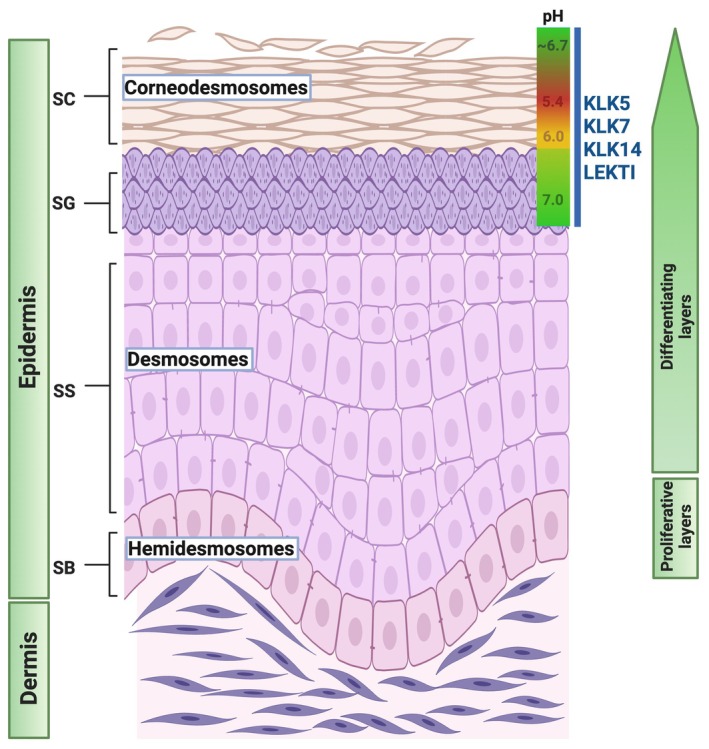 Figure 1
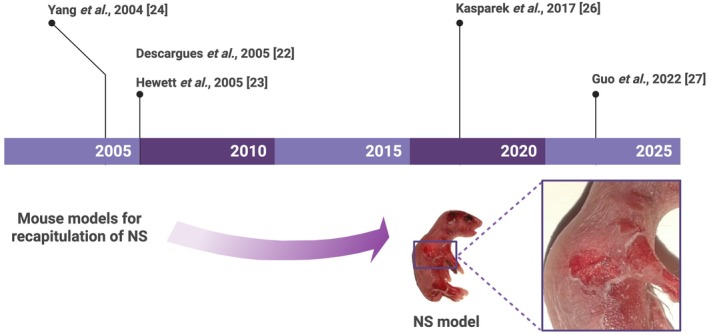 Figure 2
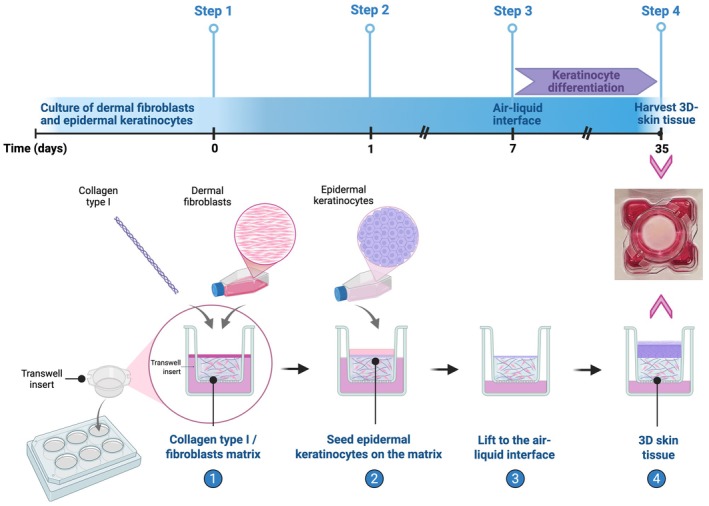 Figure 3
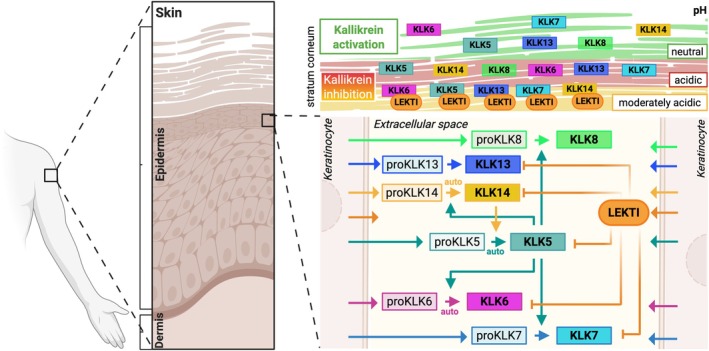 Figure 4
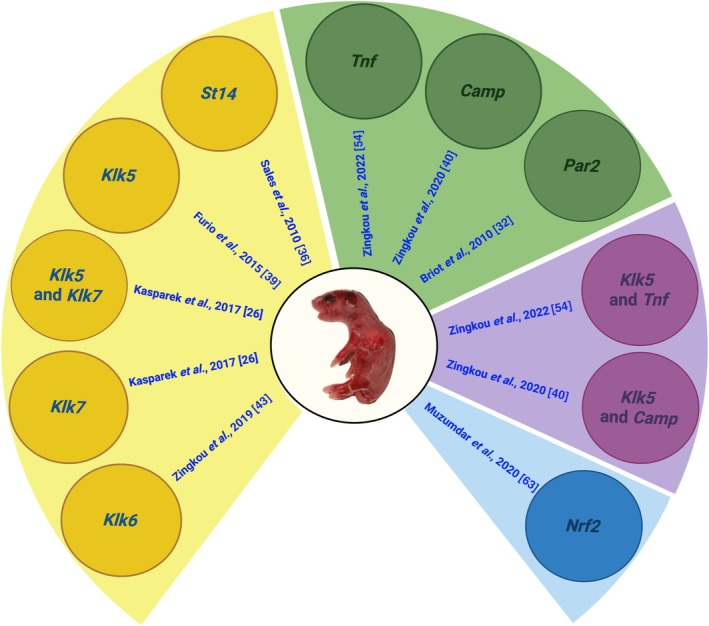 Figure 5
Peer Reviews
No public reviews on file for this paper yet. If you reviewed it on a platform where reviews are public (OpenReview, ICLR, NeurIPS, ICML), you can paste yours below so the community can read it here.
Videos
No videos yet. Explain this paper in a talk, walkthrough, or lecture? Add one.
Taxonomy
TopicsSkin and Cellular Biology Research · Dermatological and Skeletal Disorders · Sympathectomy and Hyperhidrosis Treatments