Nocturnal Ballistic Bouts in ADCY5-Related Movement Disorder
Bhadra Sajeev Nair, Boby Varkey Maramattom

TL;DR
A rare genetic movement disorder caused by ADCY5 gene mutations is shown to persist into adulthood with nighttime symptom worsening.
Contribution
Demonstrates that ADCY5-related movement disorder can have persistent nocturnal symptoms into late adulthood, expanding its known clinical spectrum.
Findings
ADCY5-RMD can persist into adulthood with nocturnal ballistic bouts.
Neuroimaging may be normal despite severe clinical symptoms.
Symptomatic treatment with medications can reduce episode frequency and severity.
Abstract
Adenylyl cyclase 5 (ADCY5)-related movement disorder (ADCY5-RMD) is a rare genetic hyperkinetic movement disorder caused by pathogenic variants in the ADCY5 gene, characterized by childhood-onset chorea, dystonia, myoclonus, and distinctive paroxysmal exacerbations, often with nocturnal worsening. The disorder exhibits marked phenotypic variability, minimal disease progression, and frequently normal neuroimaging, leading to frequent misdiagnosis as dyskinetic cerebral palsy or epilepsy. We report the case of a 60-year-old woman with childhood-onset generalized dystonia, prominent oromandibular and lingual involvement, asymmetric distal choreoathetosis, and recurrent nocturnal ballistic bouts beginning at age 13. Episodes occurred predominantly during sleep-wake transitions and were exacerbated by stress. Neurological examination and brain magnetic resonance imaging (MRI) were…
Genes, proteins, chemicals, diseases, species, mutations and cell lines named across the full text — each resolved to its canonical identifier and authoritative record.
Click any figure to enlarge with its caption.
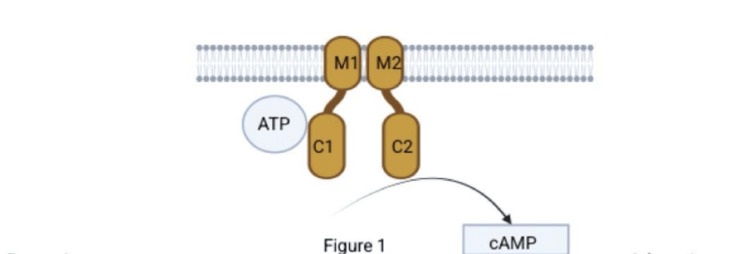 Figure 1
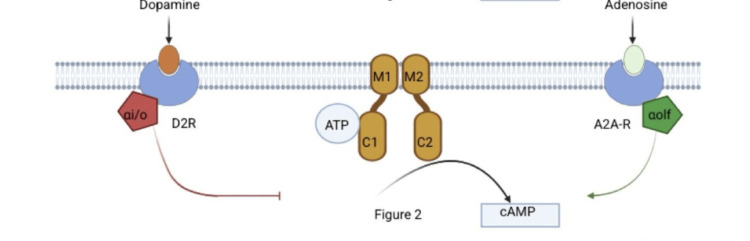 Figure 2
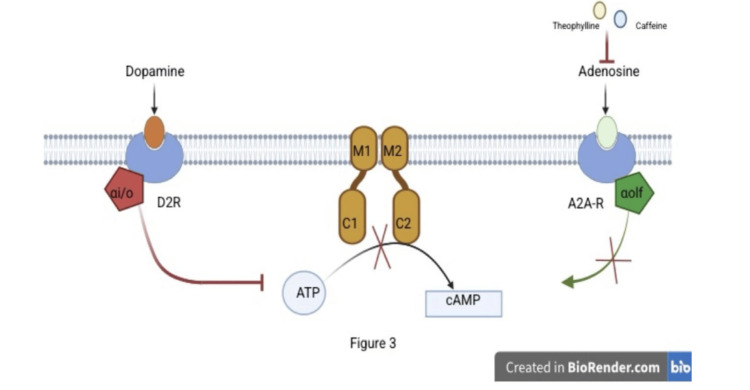 Figure 3
Peer Reviews
No public reviews on file for this paper yet. If you reviewed it on a platform where reviews are public (OpenReview, ICLR, NeurIPS, ICML), you can paste yours below so the community can read it here.
Videos
No videos yet. Explain this paper in a talk, walkthrough, or lecture? Add one.
Taxonomy
TopicsGlycogen Storage Diseases and Myoclonus · Neurological disorders and treatments · Neurological and metabolic disorders