Revealing the Intricate Structure of Surface Phases of Methanol on In2O3(111)
Andreas Ziegler, Chiara I. Wagner, Hao Chen, Matthias A. Blatnik, Alexander Wolfram, Anne Brandmeier, Zdeněk Jakub, Michele Riva, Jiri Pavelec, Michael Schmid, Ulrike Diebold, Bernd Meyer, Margareta Wagner

TL;DR
This study explores how methanol interacts with the In2O3(111) surface, revealing structural changes and comparing them to water adsorption under various conditions.
Contribution
The paper provides new insights into methanol adsorption mechanisms on In2O3(111) surfaces using advanced experimental and theoretical methods.
Findings
At low coverage, methanol adsorption on In2O3(111) resembles water adsorption, with dissociative and molecular adsorption patterns.
Molecular adsorption becomes favored for methanol at temperatures below 300 K after the first three molecules dissociate.
At high coverage, methanol and water form distinct structures due to differences in hydrogen bonding capabilities.
Abstract
Research on sustainable energy has intensified to reduce greenhouse gas emissions, especially CO2. One promising strategy is the catalytic reduction of CO2 to methanol, and indium oxide (In2O3) has emerged as a highly efficient catalyst, with high turnover rates and selectivity. This work investigates methanol, the end product of CO2 reduction, and its interaction with the In2O3(111) surface. Utilizing an ultrahigh vacuum (UHV) environment, this study combines temperature-programmed desorption (TPD), X-ray photoelectron spectroscopy (XPS), noncontact atomic force microscopy (nc-AFM), scanning tunneling microscopy (STM), and density functional theory (DFT) calculations. The coverages investigated range from 1 to 12 methanol molecules per unit cell. The results are compared to water adsorption on In2O3(111), as the chemical behavior of both molecules is similar in many respects. At low…
Genes, proteins, chemicals, diseases, species, mutations and cell lines named across the full text — each resolved to its canonical identifier and authoritative record.
Click any figure to enlarge with its caption.
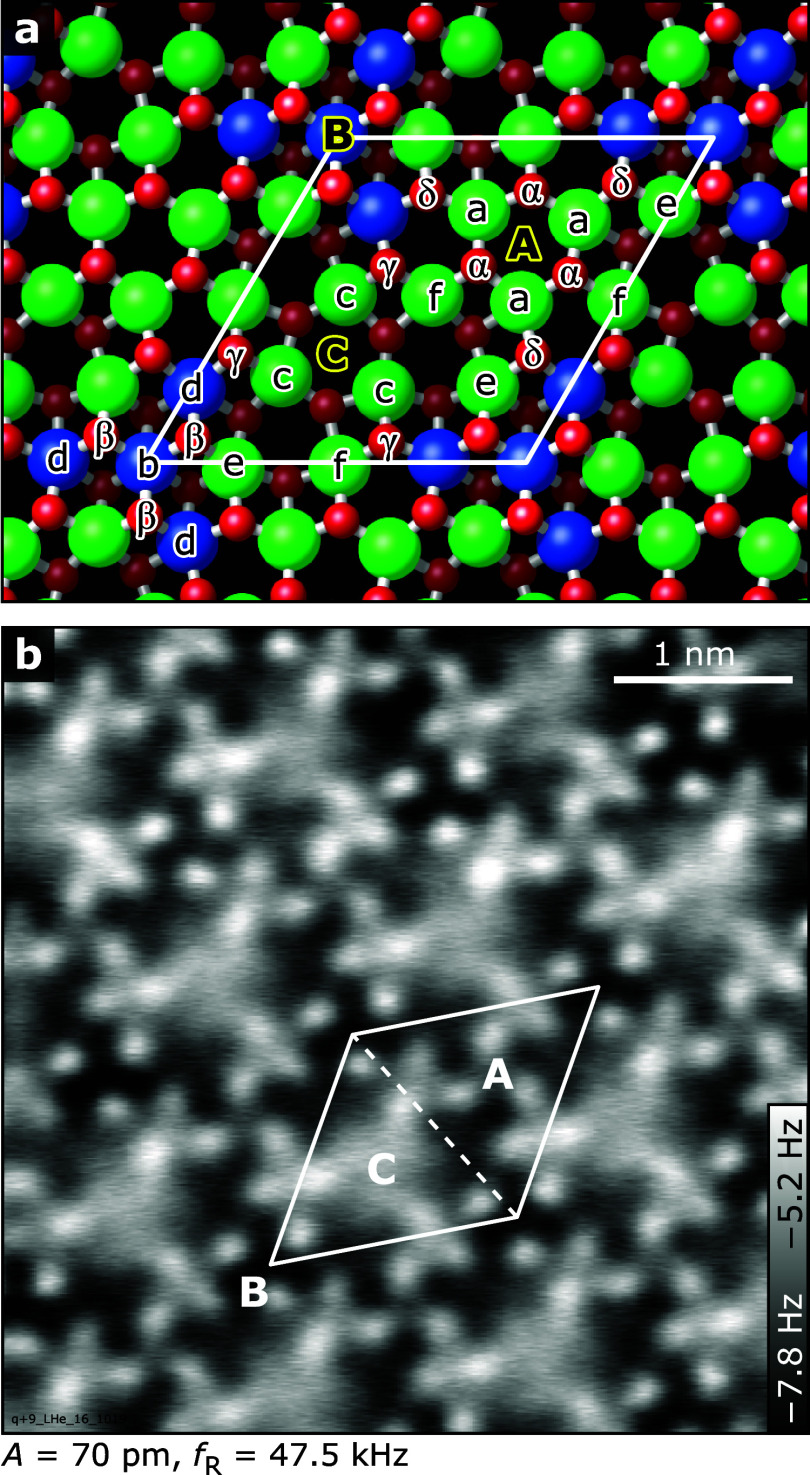 Figure 1
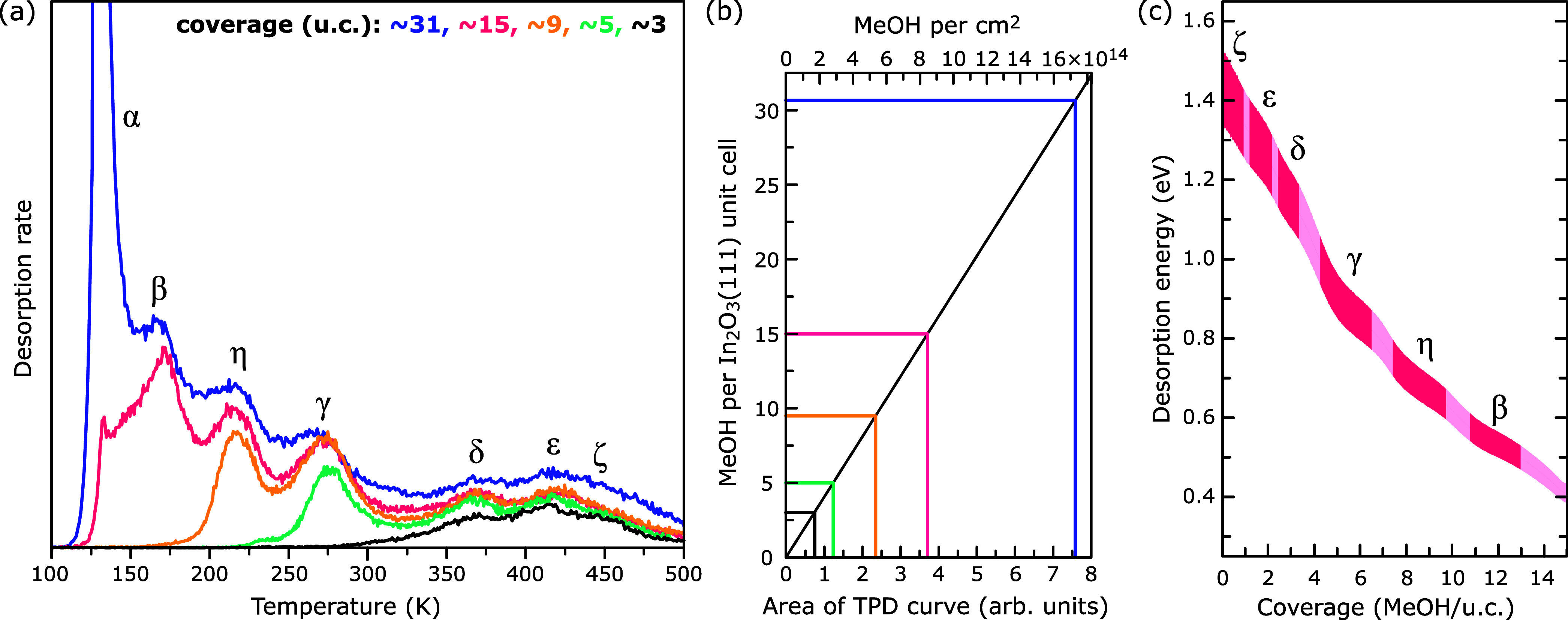 Figure 2
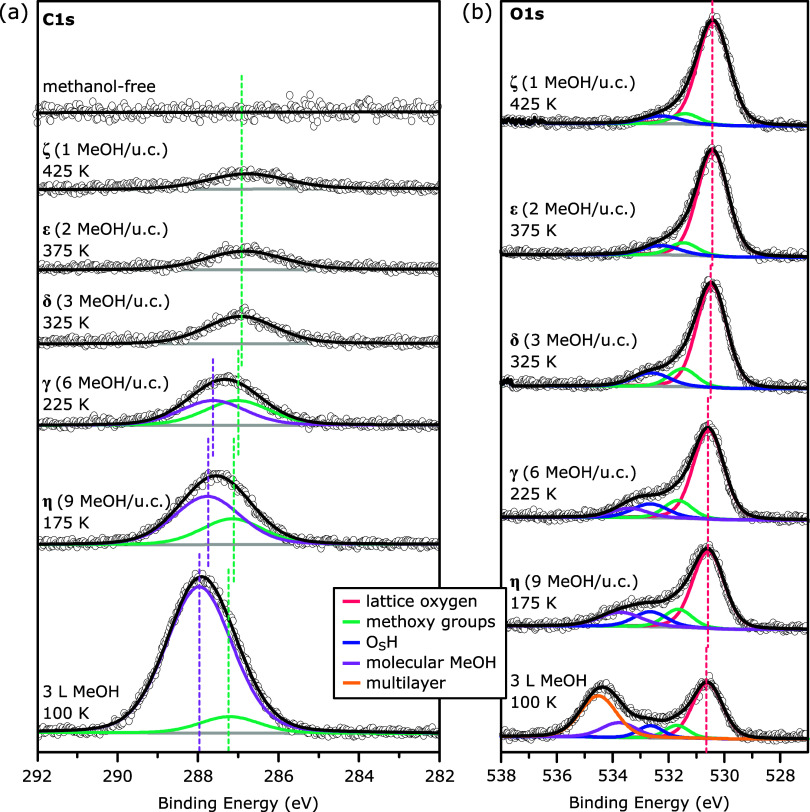 Figure 3
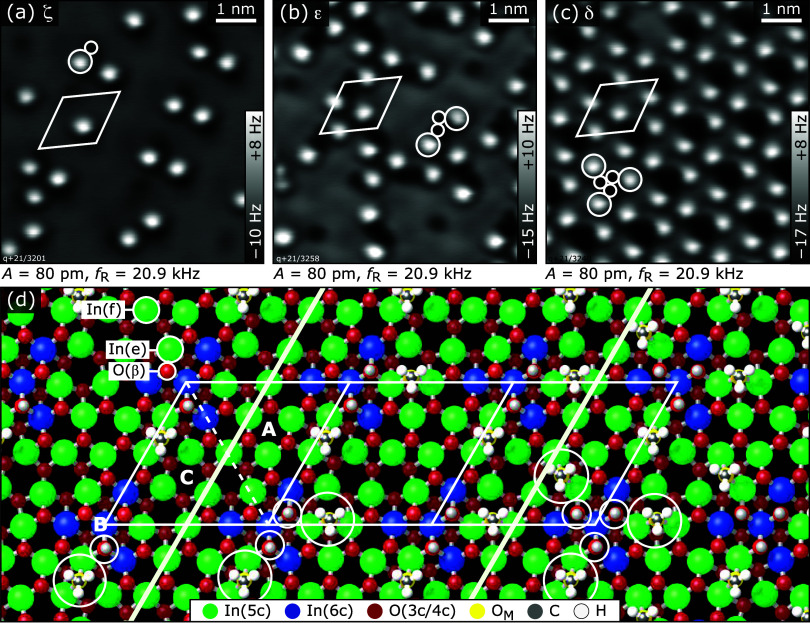 Figure 4
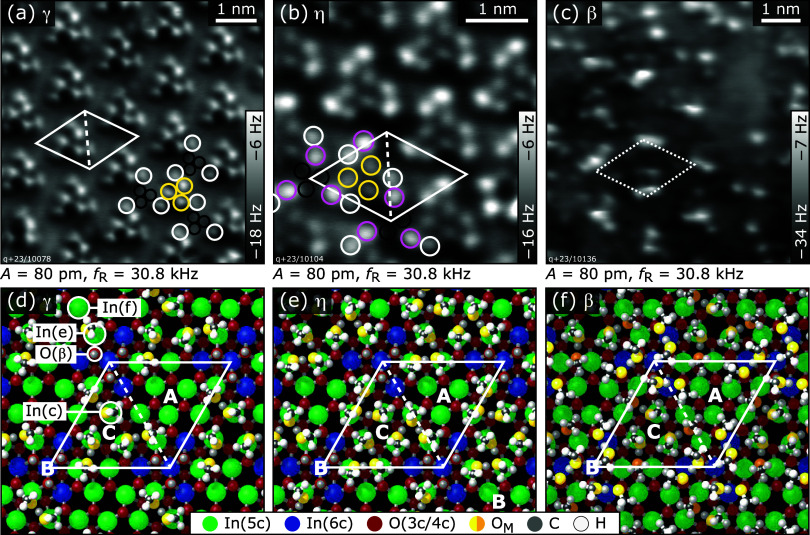 Figure 5
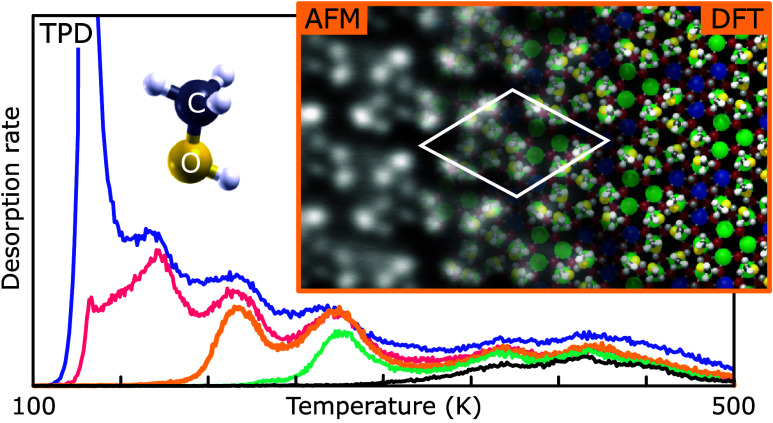 Figure 6
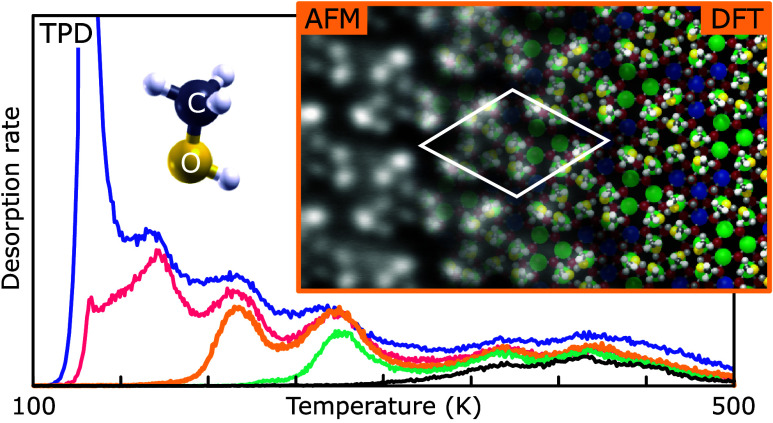 Figure 7
Peer Reviews
No public reviews on file for this paper yet. If you reviewed it on a platform where reviews are public (OpenReview, ICLR, NeurIPS, ICML), you can paste yours below so the community can read it here.
Videos
No videos yet. Explain this paper in a talk, walkthrough, or lecture? Add one.
Taxonomy
TopicsAdvanced Chemical Physics Studies · Catalysis and Oxidation Reactions · ZnO doping and properties