Photodissociation and Infrared Spectroscopy of U+(CO2) n , UO+(CO2) n , and UO2+(CO2) n Cation-Molecular Complexes
Joshua H. Marks, Richard B. Odonkor, Nathan J. Dynak, Michael A. Duncan

TL;DR
Scientists used laser techniques to study how uranium and its oxides bind with carbon dioxide molecules, revealing structural details about these complexes.
Contribution
The study provides new insights into the coordination and vibrational properties of uranium-based cation-molecular complexes with CO2.
Findings
CO2 ligands remain intact in the complexes, as shown by photodissociation patterns.
An eight-coordinate structure is supported for the UO2+(CO2)8 complex based on vibrational spectroscopy.
No evidence was found for the formation of oxide-carbonyl or oxalate species in the studied frequency range.
Abstract
Laser vaporization of uranium in a pulsed supersonic expansion of carbon dioxide is used to produce complexes of the form U+(CO2) n , UO+(CO2) n , and UO2+(CO2) n . These ions are selected in a reflectron time-of-flight mass spectrometer and studied with visible laser photodissociation and tunable infrared laser photodissociation spectroscopy in the region of the CO2 antisymmetric stretch. The dissociation patterns and spectroscopy of these ions indicate that CO2 ligands are intact molecules. Although reaction products that form oxide-carbonyl or oxalate species are predicted to be stable, there is no direct evidence in the frequency range studied for the formation of these species. There is no clear indication for the coordination numbers for singly charged uranium and its oxide complexes with CO2. However, there is strong support in the vibrational patterns for an eight-coordinate…
Genes, proteins, chemicals, diseases, species, mutations and cell lines named across the full text — each resolved to its canonical identifier and authoritative record.
Click any figure to enlarge with its caption.
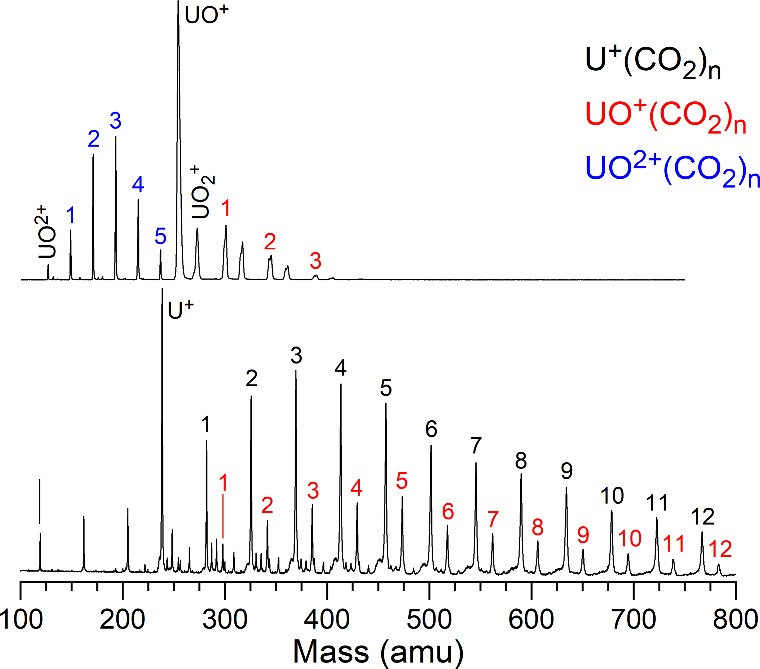 Figure 1
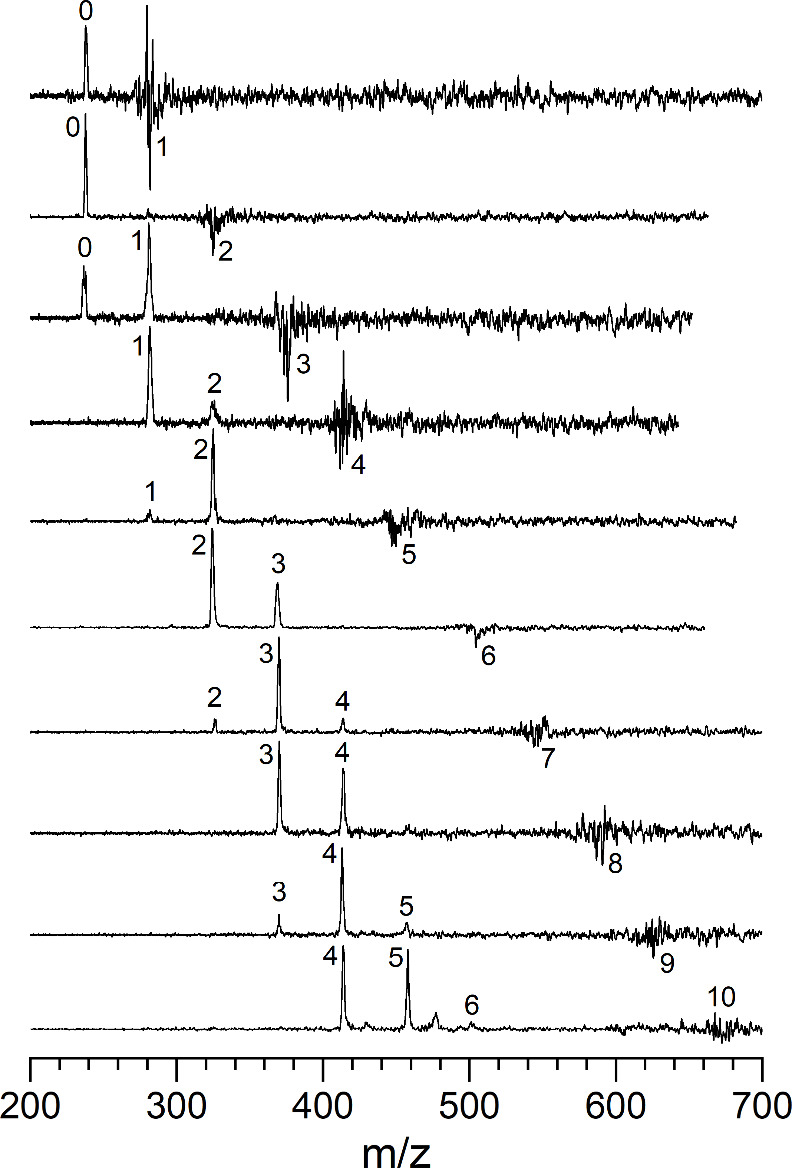 Figure 2
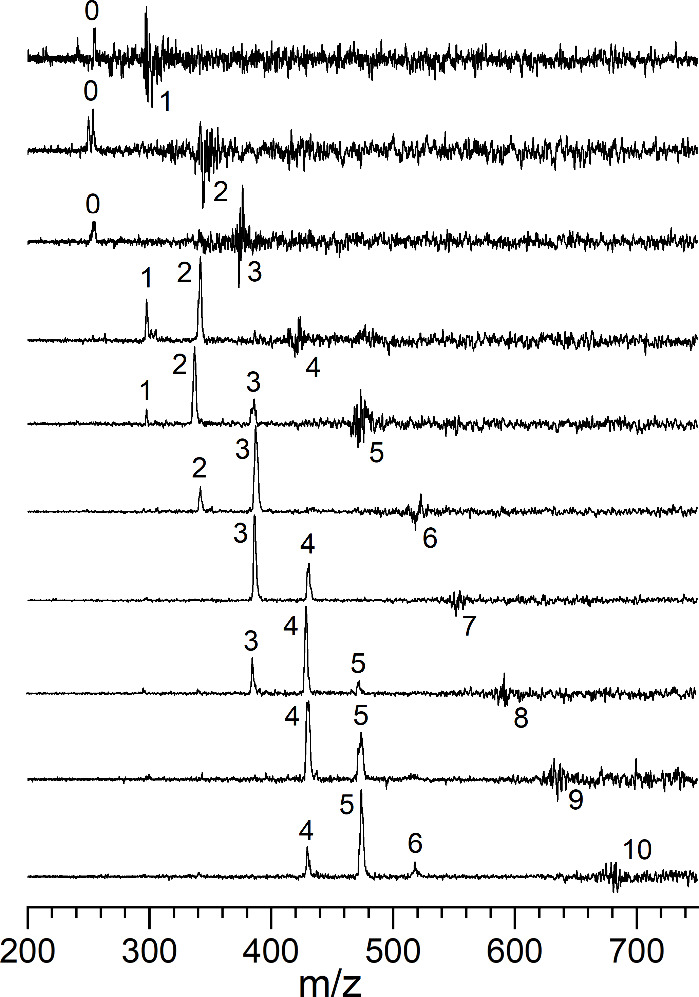 Figure 3
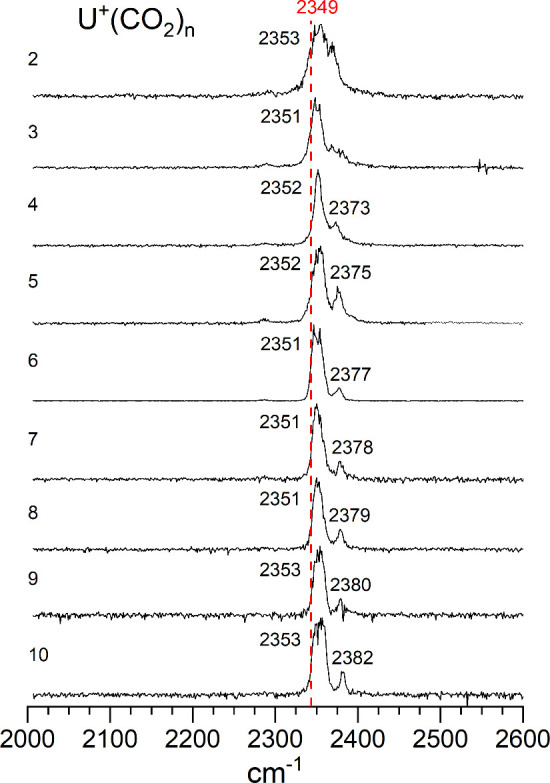 Figure 4
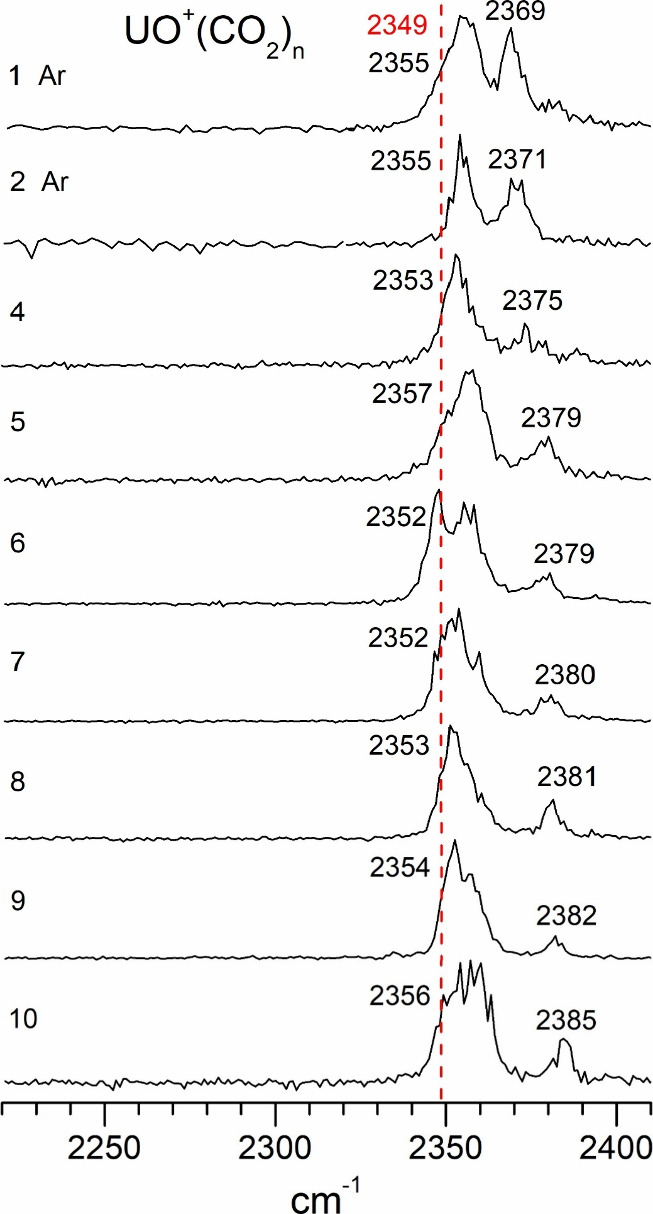 Figure 5
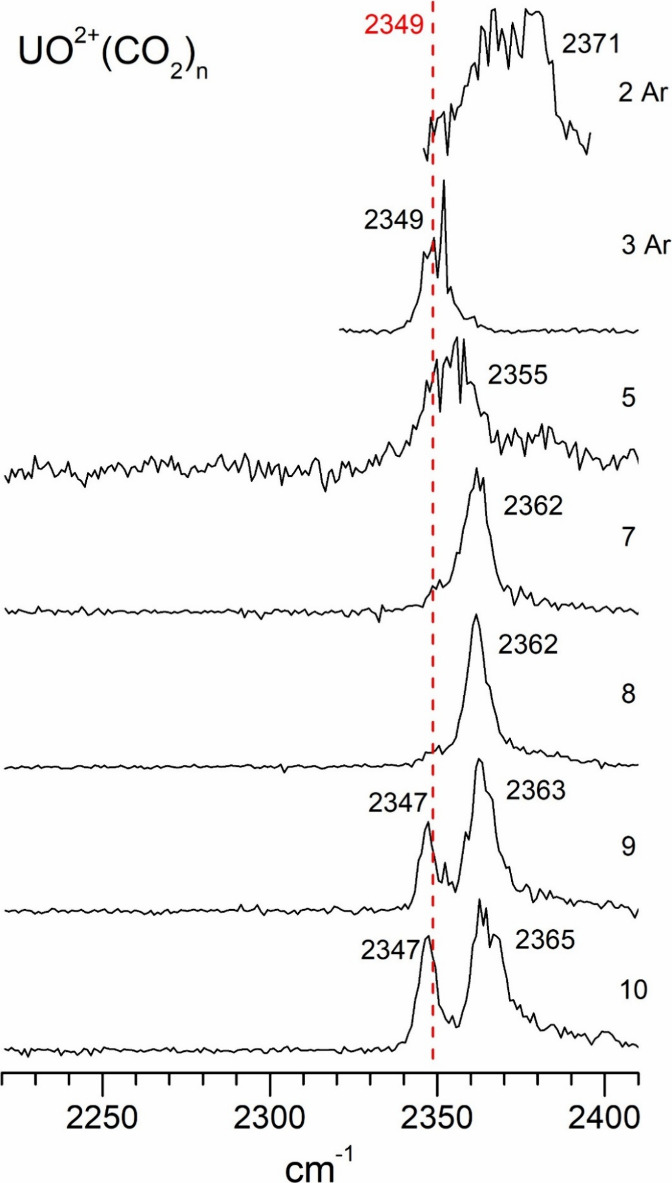 Figure 6
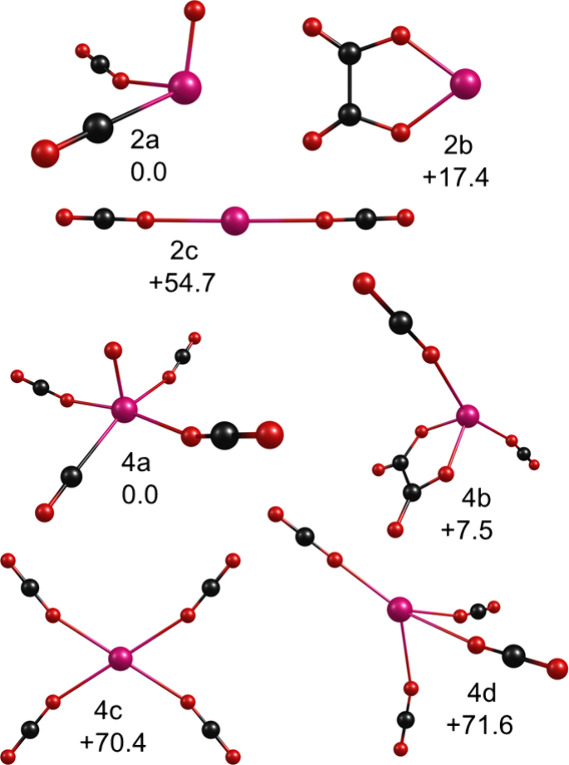 Figure 7
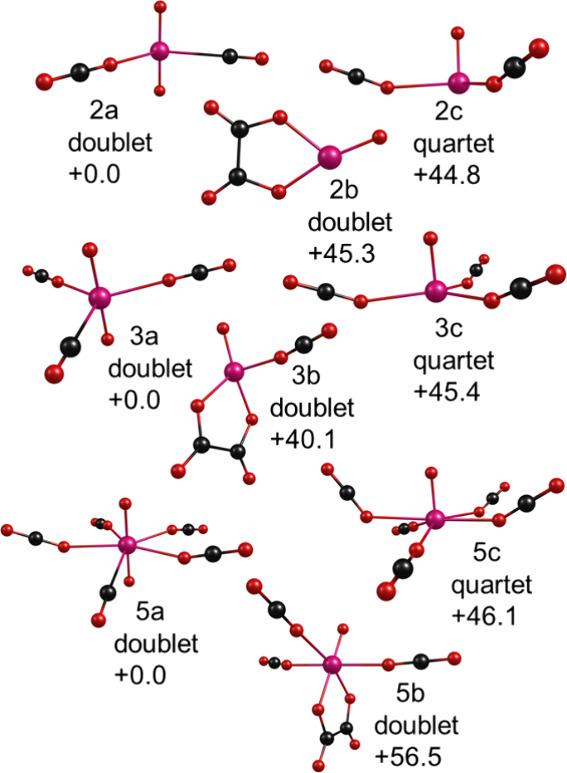 Figure 8
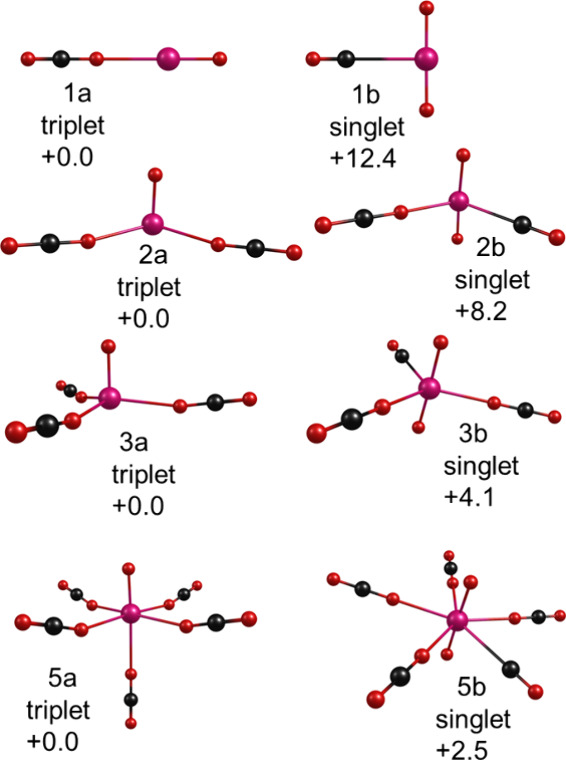 Figure 9
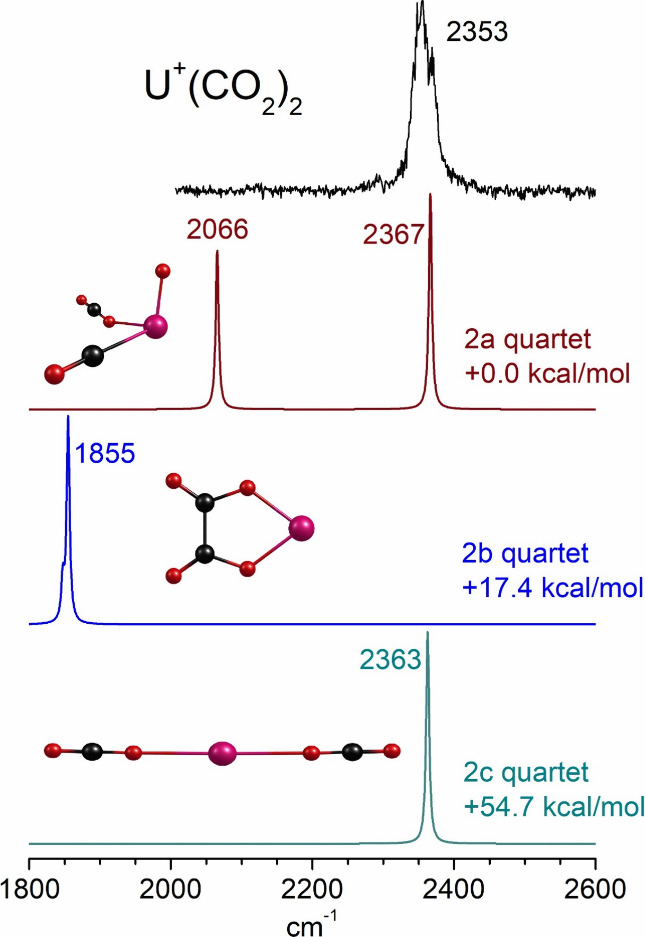 Figure 10
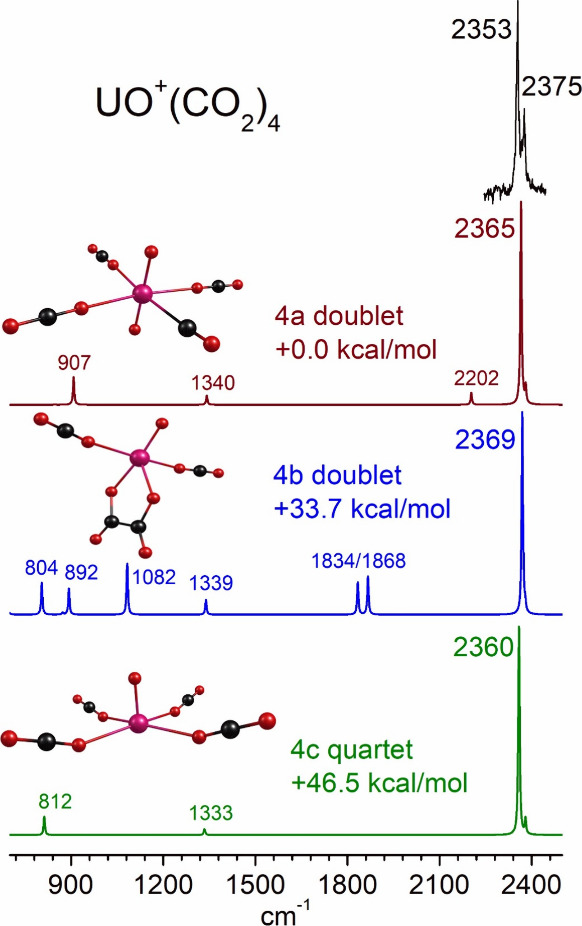 Figure 11
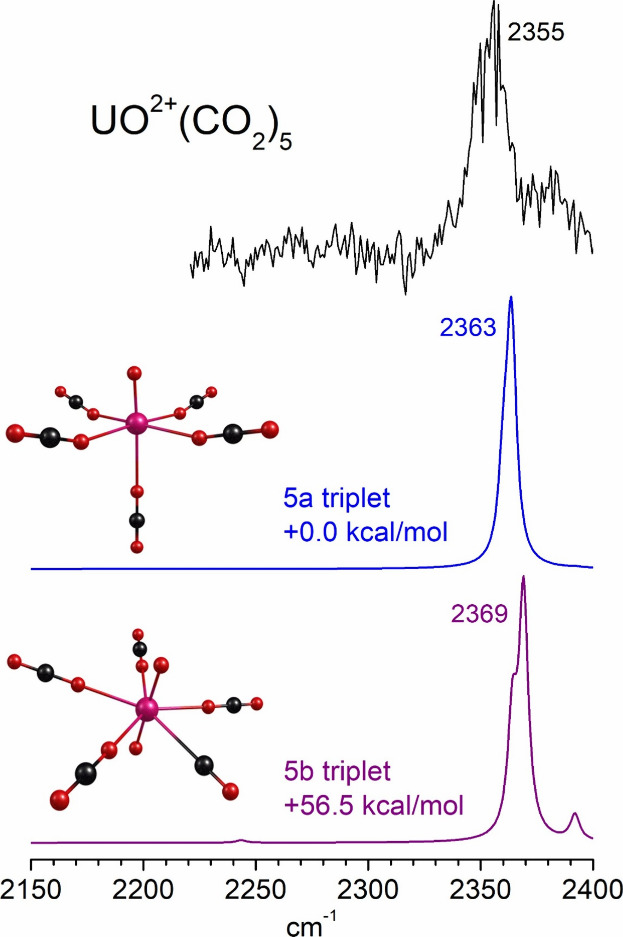 Figure 12
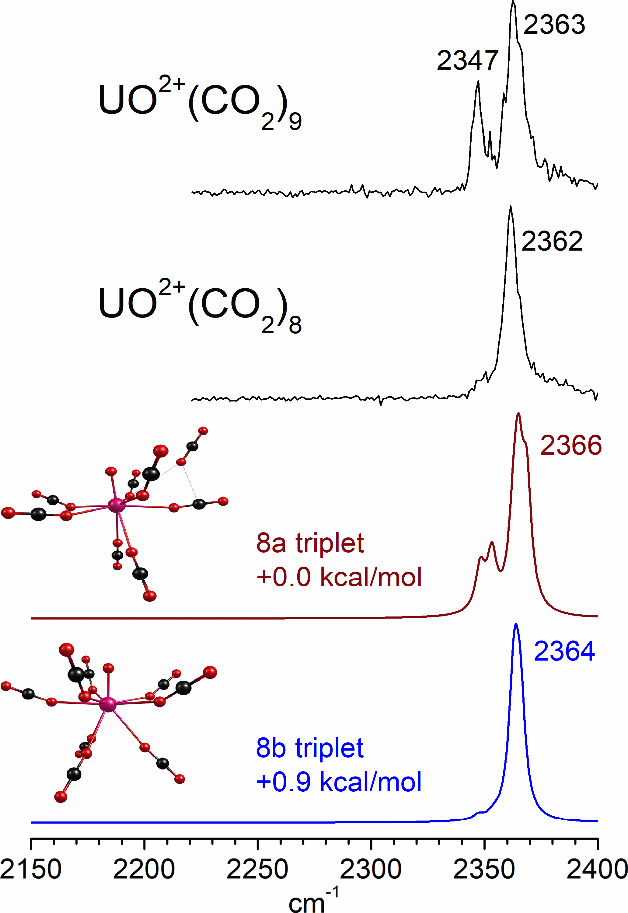 Figure 13
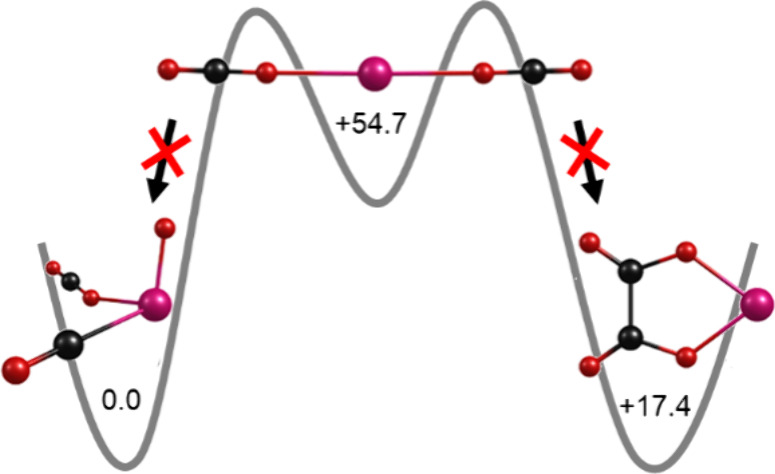 Figure 14
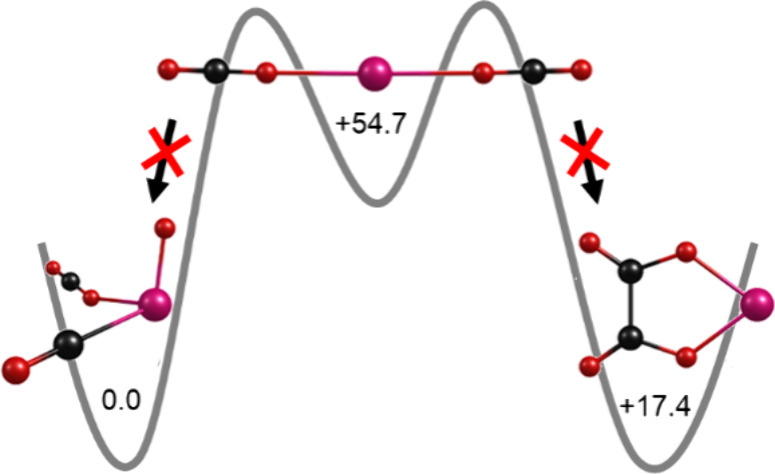 Figure 15
Peer Reviews
No public reviews on file for this paper yet. If you reviewed it on a platform where reviews are public (OpenReview, ICLR, NeurIPS, ICML), you can paste yours below so the community can read it here.
Videos
No videos yet. Explain this paper in a talk, walkthrough, or lecture? Add one.
Taxonomy
TopicsRadioactive element chemistry and processing · Spectroscopy and Laser Applications · Laser Design and Applications