Transcriptional responses to proteotoxic stressors are profoundly diverse and tissue-specific
Adelina Rabenius, Intisar Salim, Hilmar Lindström, Anastasiya Pak, Serhat Aktay, Anniina Vihervaara

TL;DR
Cells respond differently to various proteotoxic stresses, with distinct and tissue-specific transcriptional changes observed in conditions like Huntington's Disease.
Contribution
The study reveals diverse and tissue-specific transcriptional responses to proteotoxic stressors and identifies key genes and trans-activators involved in these responses.
Findings
Transcriptional responses to polyQ aggregation involve repression of cell-type specific functions and altered energy metabolism.
Chronically stressed mice show a systemic deficiency in launching acute transcriptional responses.
Only a few genes show consistent RNA level changes across Huntington's Disease brain regions.
Abstract
Cells counteract proteotoxic conditions by launching transcriptional stress responses. While synthesis of heat shock proteins (HSPs) upon acute stress is well characterized, how distinct proteotoxic conditions reshape the transcriptome remains poorly understood. Here, we analyse polyA+ RNA expression under heat shock, HSP90 inhibition, and polyglutamine (polyQ) aggregation. We find fundamentally distinct transcriptional responses to proteotoxic stressors and a systemic deficiency of mice under chronic stress to launch acute responses. While heat shock and HSP90 inhibition induce chaperones, polyQ aggregation increases expression of RNAs linked to transcription repression, chromatin remodeling, and autophagy. Analysing wild-type and Huntington's Disease (HD) mice reveals tissue-specific transcriptional adaptations to polyQ, including repressed cell-type specific functions and altered…
Genes, proteins, chemicals, diseases, species, mutations and cell lines named across the full text — each resolved to its canonical identifier and authoritative record.
Click any figure to enlarge with its caption.
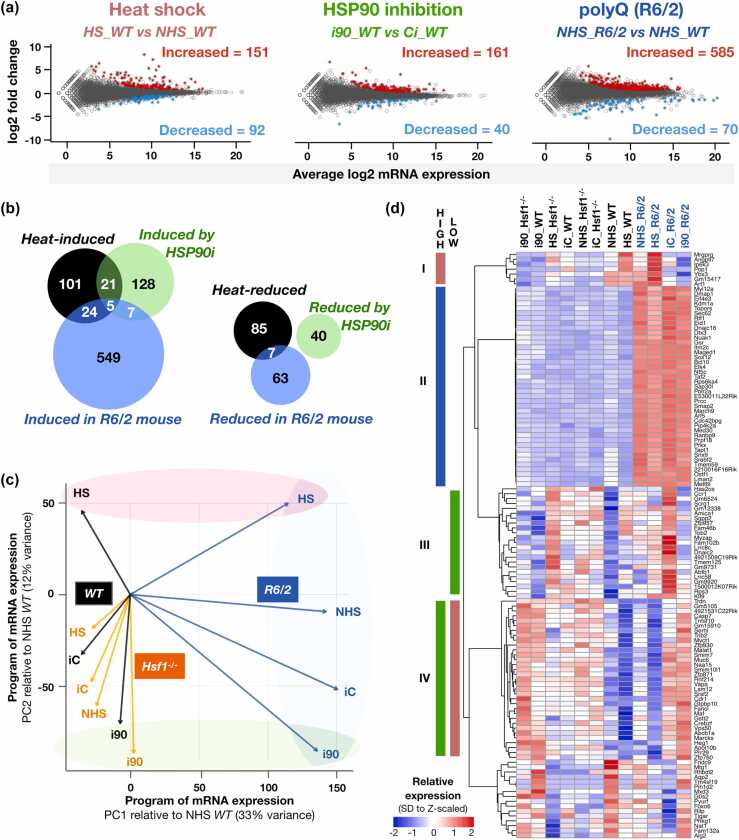 Figure 1
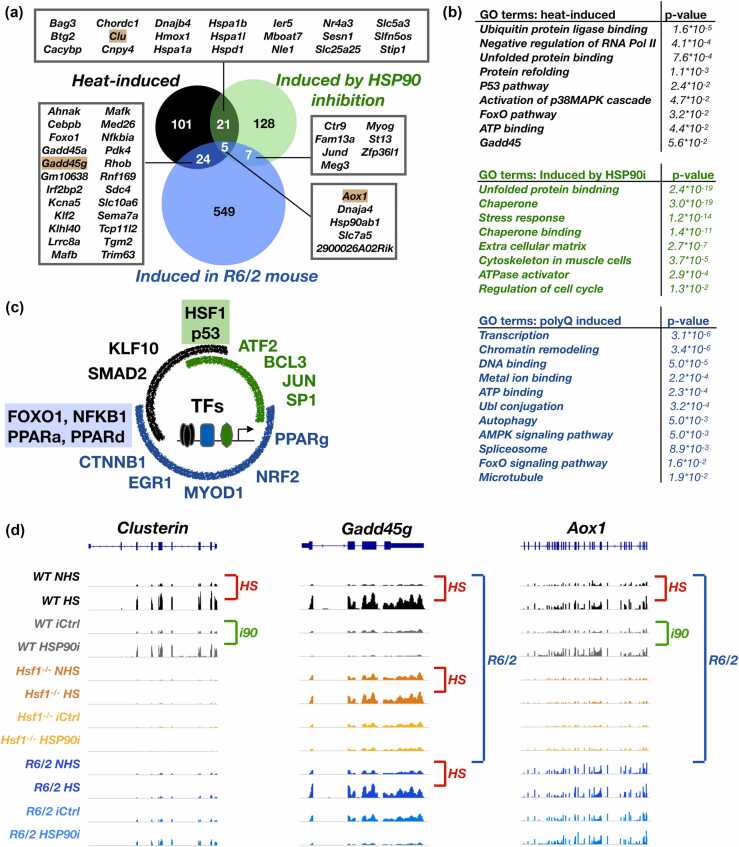 Figure 2
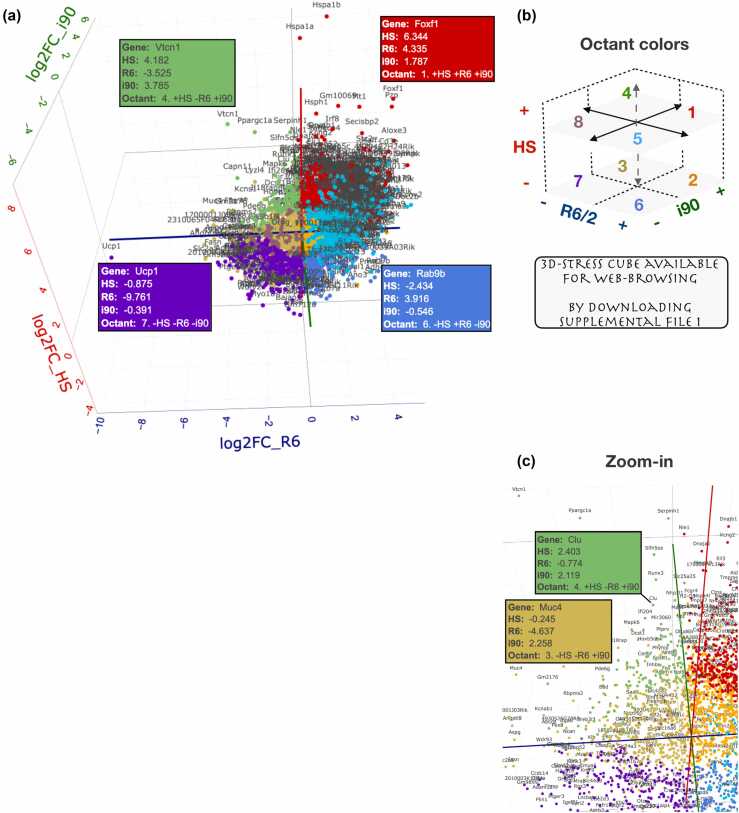 Figure 3
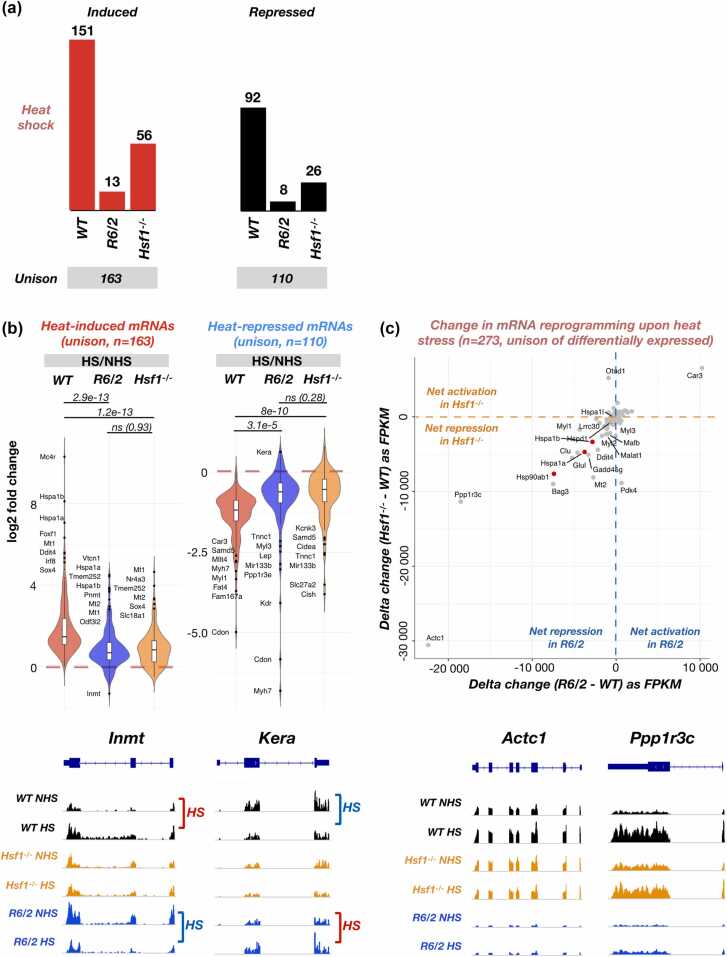 Figure 4
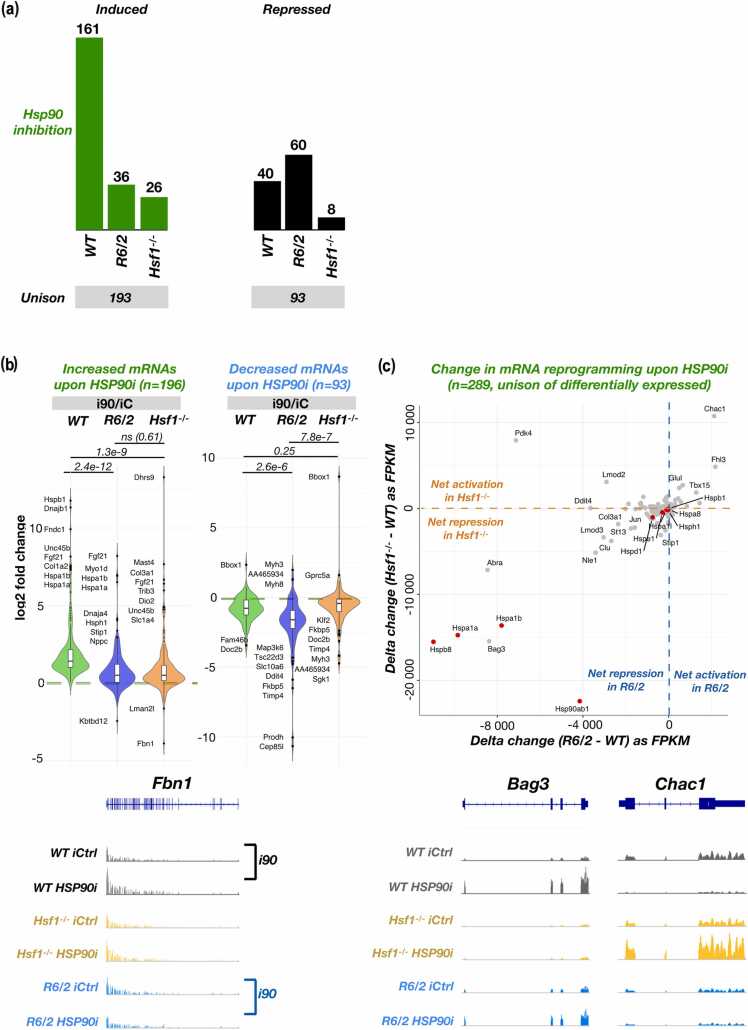 Figure 5
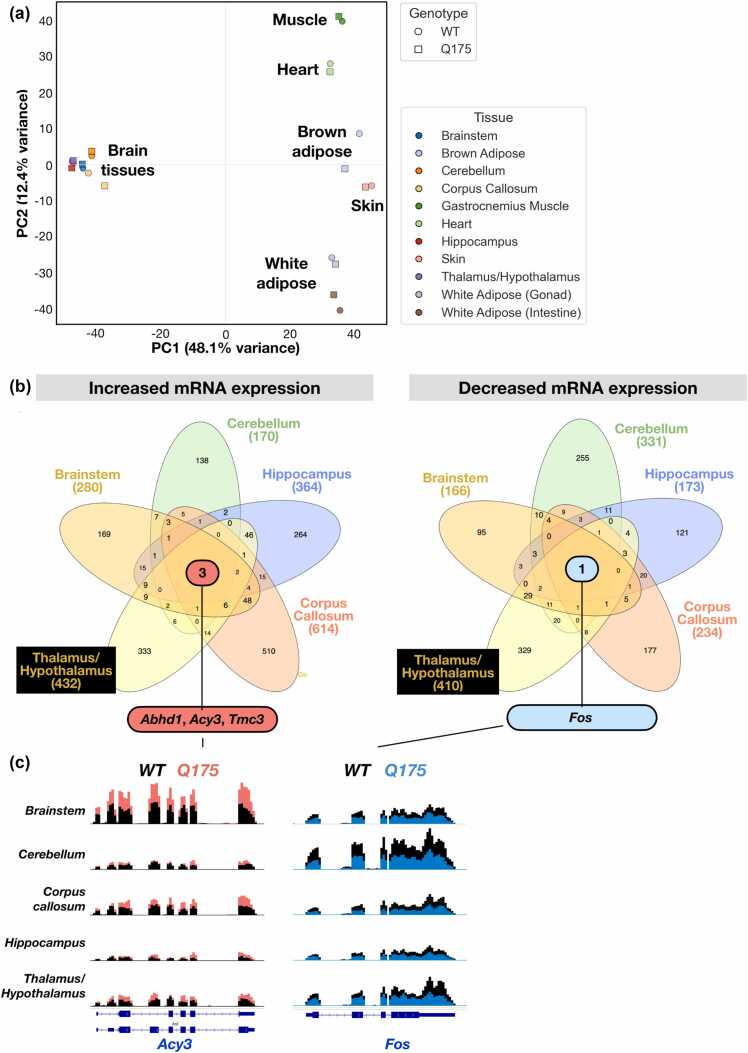 Figure 6
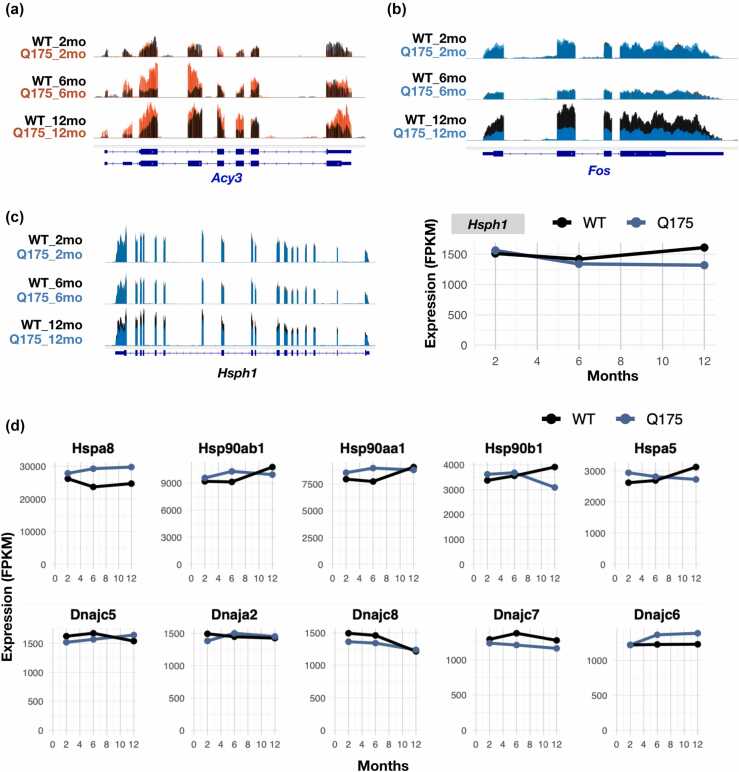 Figure 7
Peer Reviews
No public reviews on file for this paper yet. If you reviewed it on a platform where reviews are public (OpenReview, ICLR, NeurIPS, ICML), you can paste yours below so the community can read it here.
Videos
No videos yet. Explain this paper in a talk, walkthrough, or lecture? Add one.
Taxonomy
TopicsHeat shock proteins research · Genetic Neurodegenerative Diseases · RNA Research and Splicing