Biomechanical evaluation of different screw fixation methods for Ogawa type I coracoid process base fracture
Yiwen Tan, Zhao Tan, Hu Zhang, Fangfang Mou

TL;DR
This study compares different screw fixation methods for a specific type of shoulder fracture and finds that dual-screw methods provide the best stability.
Contribution
The study provides a biomechanical comparison of five screw fixation methods for Ogawa type I coracoid fractures, identifying optimal techniques.
Findings
Dual-screw fixation methods (M4 and M5) showed the highest stability in compression, tension, and torsion tests.
Single-screw fixation with partial downward exit (M2) was the least stable and should be avoided.
Bone mineral density did not significantly differ among the groups.
Abstract
The internal fixation of Ogawa type I coracoid fractures is relatively difficult, and there is no consensus on the fixation method, which is also prone to screw cutout. This study aims to evaluate the biomechanical properties of 5 different screw internal fixation methods for Ogawa type I coracoid process base fracture through biomechanical experiments. The biomechanical effects of the 5 fixation methods are different. Fifteen fresh adult scapula specimens were randomly selected to create models of Ogawa type I coracoid process base fracture. Five fixation methods were used: single hollow screw fixation entirely within the bone (M1), single hollow screw fixation partially exiting below the vertical part of the coracoid process (M2), single hollow screw fixation partially exiting above the vertical part of the coracoid process and extending to the scapular spine (M3), dual hollow screw…
Genes, proteins, chemicals, diseases, species, mutations and cell lines named across the full text — each resolved to its canonical identifier and authoritative record.
Click any figure to enlarge with its caption.
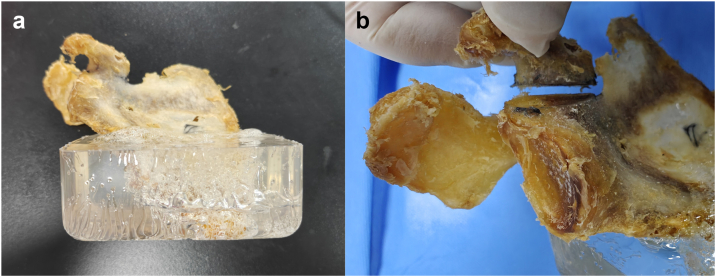 Figure 1
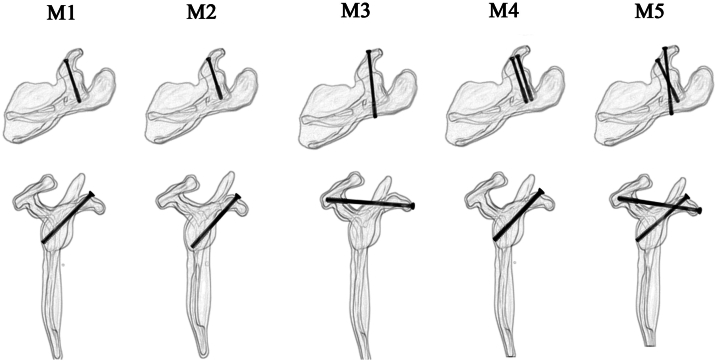 Figure 2
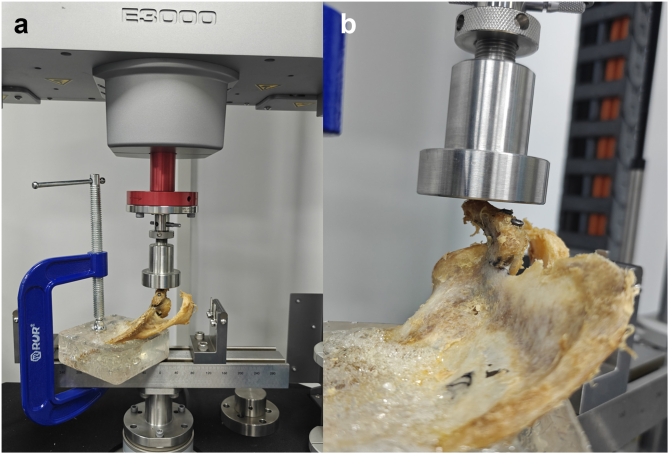 Figure 3
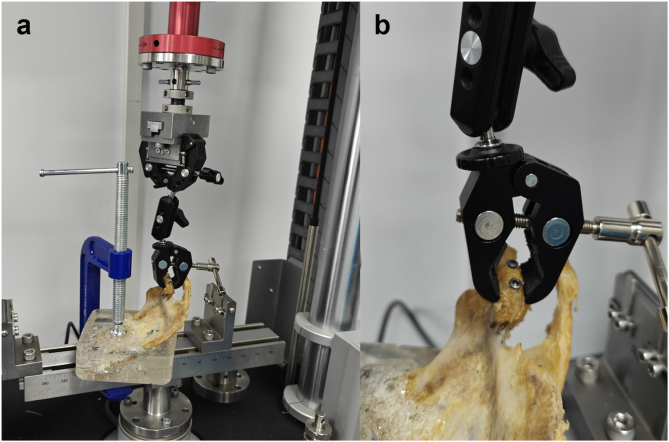 Figure 4
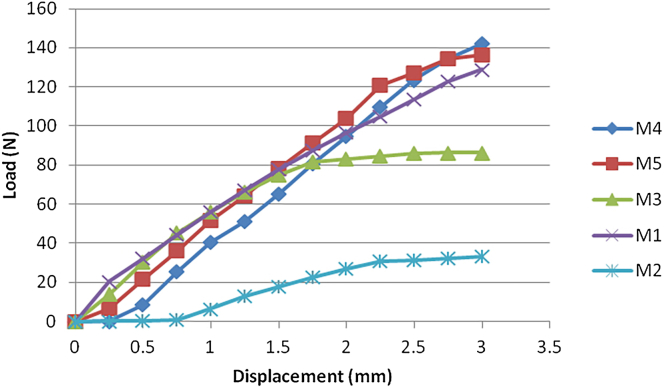 Figure 5
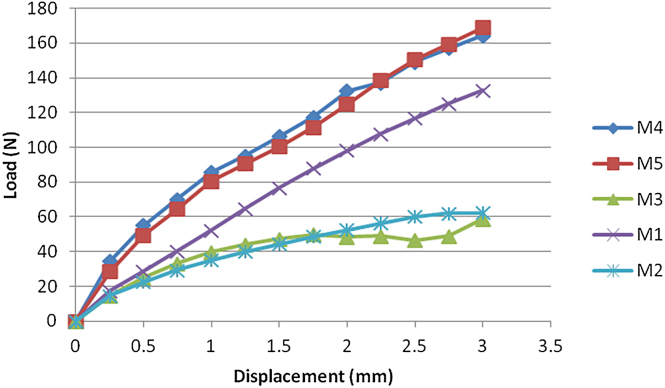 Figure 6
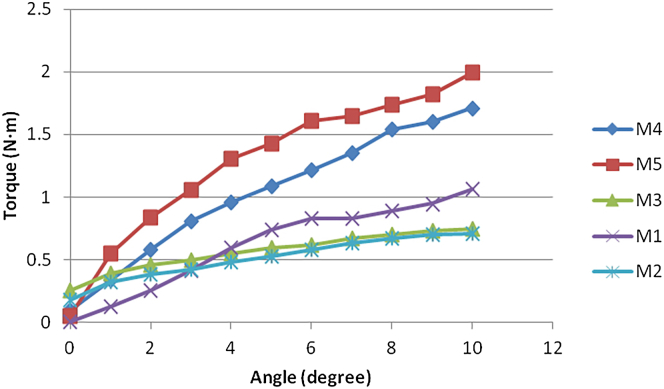 Figure 7
Peer Reviews
No public reviews on file for this paper yet. If you reviewed it on a platform where reviews are public (OpenReview, ICLR, NeurIPS, ICML), you can paste yours below so the community can read it here.
Videos
No videos yet. Explain this paper in a talk, walkthrough, or lecture? Add one.
Taxonomy
TopicsShoulder and Clavicle Injuries · Shoulder Injury and Treatment · Orthopedic Surgery and Rehabilitation