Anatomical Variation of the Pudendal Nerve and Related Structures
Junjie Yang, Katie E. Webb, Emma V. Carrington, Emma M. Cullen, Alex Digesu, Karel Everaert, Ahmed Ibrahim, Harriet Kemp, Alison Mears, Jalesh N. Panicker, Marcus J. Drake

TL;DR
The pudendal nerve shows significant anatomical variation, which may explain differences in treatment outcomes and help improve diagnosis and surgical planning.
Contribution
This scoping review systematically compiles anatomical variations of the pudendal nerve and challenges assumptions of typical anatomy.
Findings
The pudendal nerve exhibits substantial anatomical diversity in roots, trunk, and branches.
Variations may place the nerve in vulnerable positions, leading to compression or traction.
Understanding these variations is critical for improving diagnosis and treatment of PN-related conditions.
Abstract
Anatomical variation of the pudendal nerve is complex and clinically significant. Recognition of these variants is important for improving diagnosis, surgical planning, and treatment outcomes in conditions such as pudendal neuralgia and persistent genital arousal disorder. The pudendal nerve (PN) typically arises from sacral roots S2–S4 and gives rise to three main branches: inferior rectal, perineal, and dorsal genital nerves. However, conditions such as pudendal neuralgia and persistent genital arousal disorder exhibit great variability in clinical course and therapeutic responses. Anatomical variation of the PN may contribute to this variability by placing the nerve or its branches in vulnerable positions that lead to compression or traction. This scoping review examined PN anatomical variations to gain a better understanding of their role in pathophysiology and clinical outcomes.…
Genes, proteins, chemicals, diseases, species, mutations and cell lines named across the full text — each resolved to its canonical identifier and authoritative record.
Click any figure to enlarge with its caption.
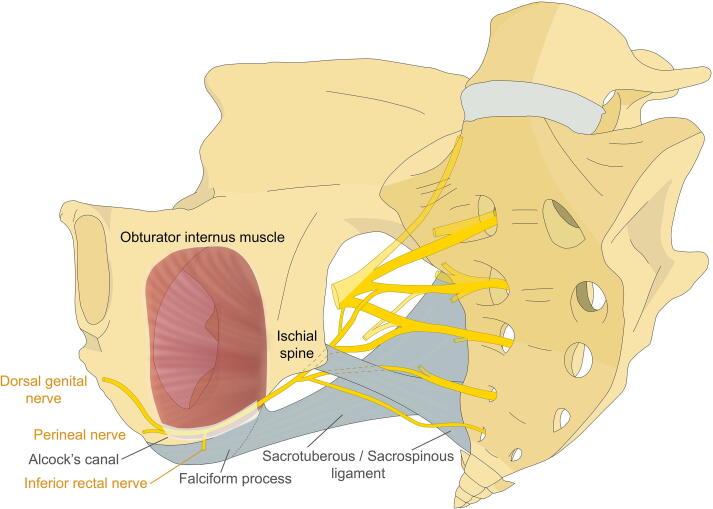 Figure 1
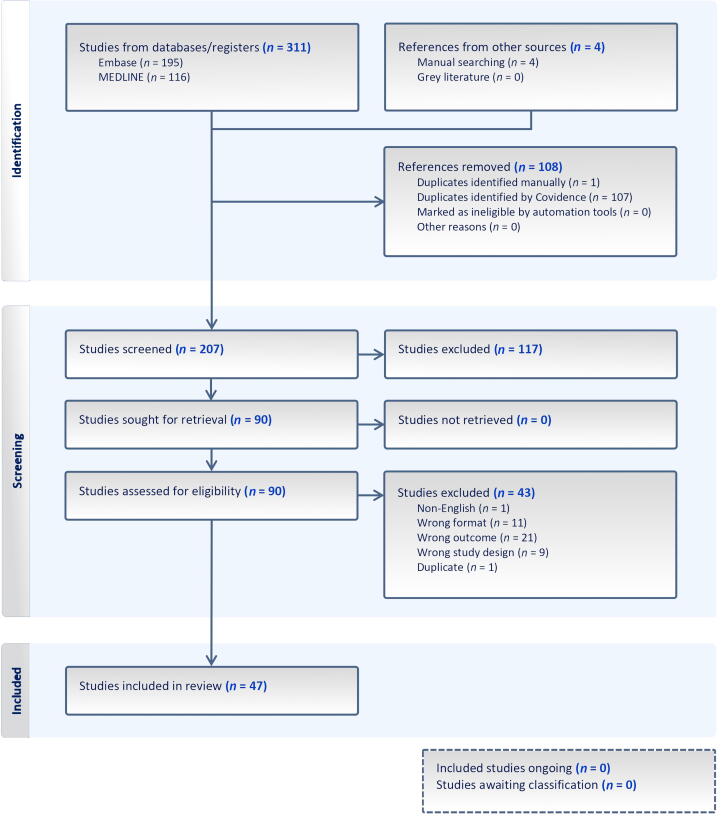 Figure 2
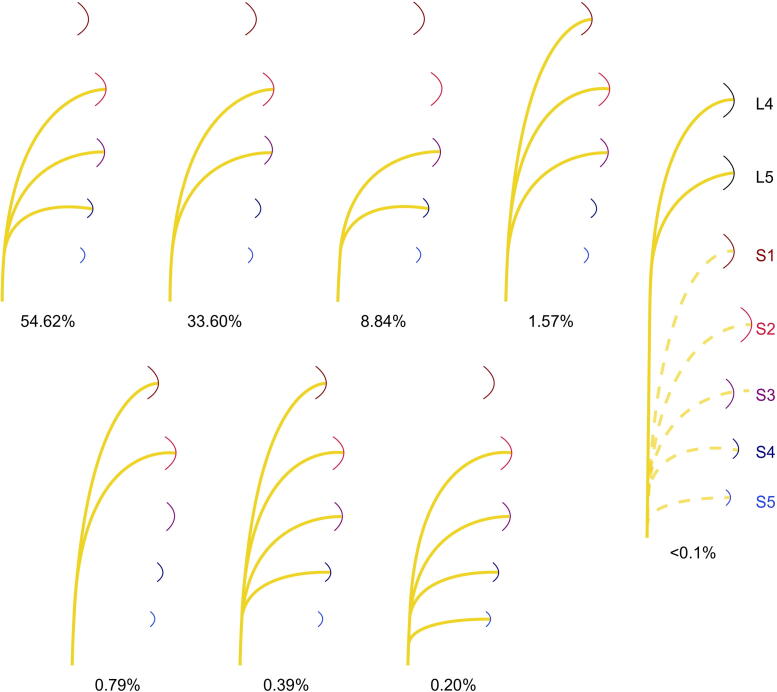 Figure 3
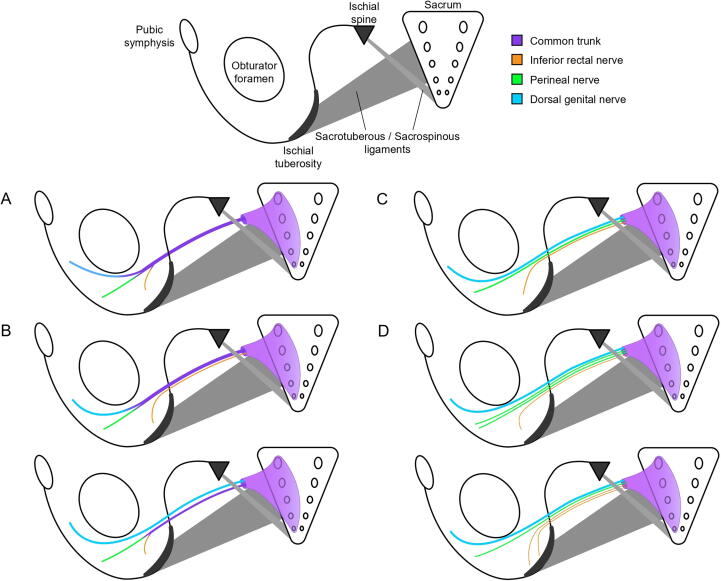 Figure 4
Peer Reviews
No public reviews on file for this paper yet. If you reviewed it on a platform where reviews are public (OpenReview, ICLR, NeurIPS, ICML), you can paste yours below so the community can read it here.
Videos
No videos yet. Explain this paper in a talk, walkthrough, or lecture? Add one.
Taxonomy
TopicsPeripheral Nerve Disorders · Pelvic and Acetabular Injuries · Pelvic floor disorders treatments