Controllable Cu+/Cu2+ ratio for the gas-sensing property of (Na, Cu) co-doped ZnO investigated by EPR and SPV
Qiong Zhang, Liyao Wen, Yifei Sun, Yunkuan Zhao, Huan Yuan, Yaxi Chen, Fei Yu, Kang Zhao, Ming Xu

TL;DR
This paper shows how adjusting the Cu+/Cu2+ ratio in ZnO nanocrystals improves gas-sensing performance for detecting NO2 at room temperature.
Contribution
The study introduces a controllable Cu+/Cu2+ ratio via Na doping to enhance ZnO-based gas sensors.
Findings
Increasing Na doping transforms Cu2+ to Cu+ and increases oxygen vacancies in ZnO.
High Cu+/Cu2+ ratio in (Na, Cu) co-doped ZnO leads to improved photogenerated charge separation and gas-sensing performance.
The sensors can detect NO2 at room temperature with a limit as low as 250 ppb.
Abstract
Herein, (Na, Cu) co-doped ZnO nanocrystals were prepared using the sol–gel method. By carefully balancing the Cu+/Cu2+ ratio through Na doping in Zn0.95Cu0.05O-based sensors, the gas-sensing activity can be significantly enhanced. Interestingly, we found that increasing Na doping results in the transformation of Cu2+ to Cu+ in the copper ion valence state. Furthermore, the XPS results indicate that Na+ ions increase the oxygen vacancies of the samples, which is in agreement with the electron paramagnetic resonance (EPR) results. The surface photovoltage (SPV) spectra indicate that (Na, Cu) co-doped ZnO nanocrystals with a high Cu+/Cu2+ ratio exhibit a high positive SPV response, demonstrating the excellent separation efficiency of photogenerated charges. Oxygen vacancies and the transformation of Cu2+ to Cu+ are presumed to be the driving factors responsible for UV light-activated NO2…
Genes, proteins, chemicals, diseases, species, mutations and cell lines named across the full text — each resolved to its canonical identifier and authoritative record.
Click any figure to enlarge with its caption.
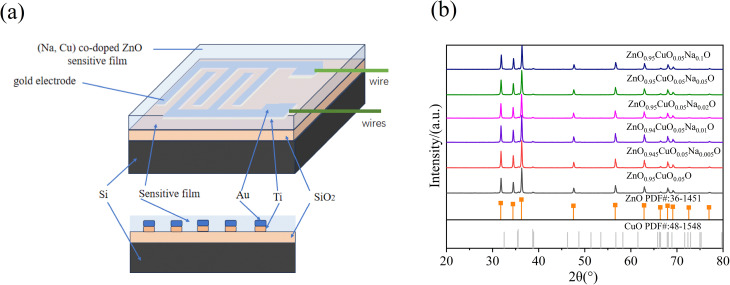 Figure 1
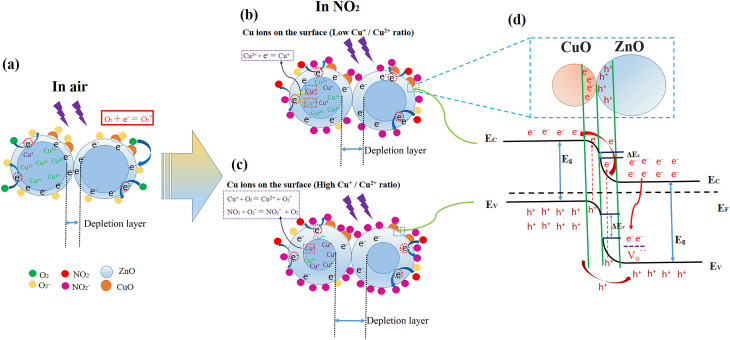 Figure 2
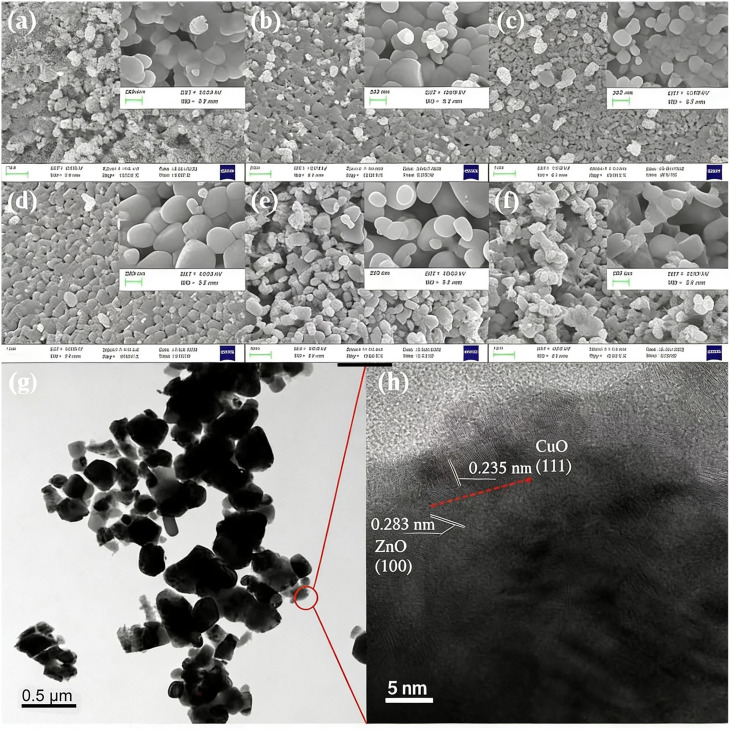 Figure 3
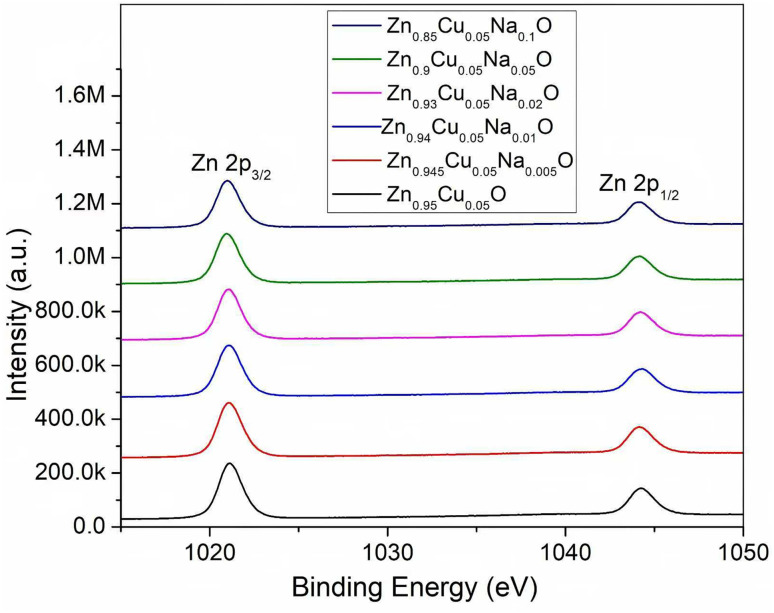 Figure 4
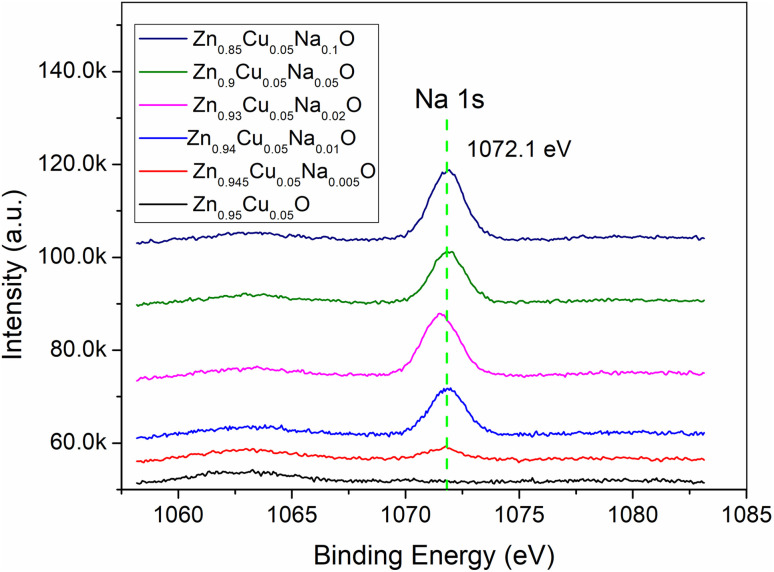 Figure 5
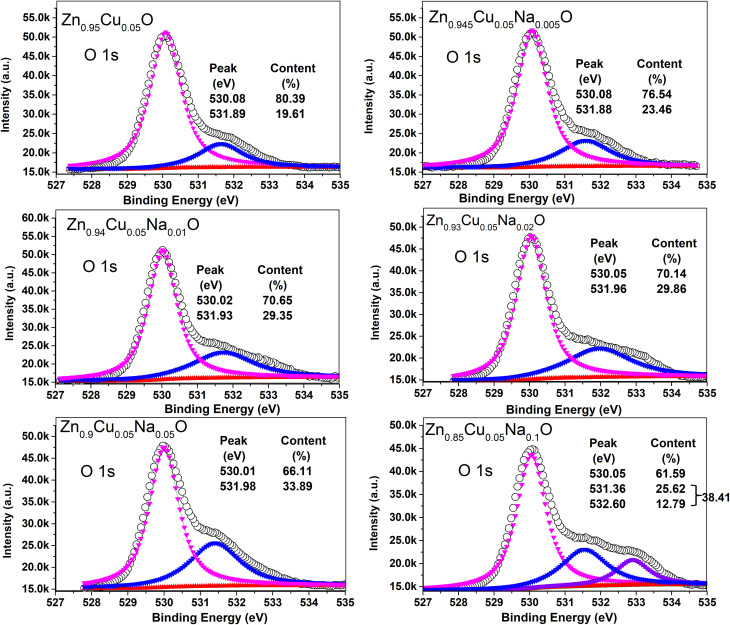 Figure 6
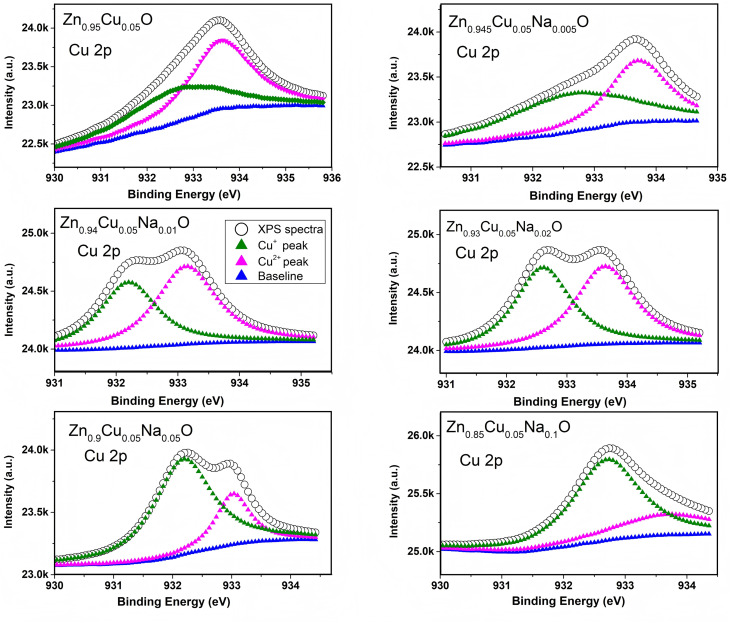 Figure 7
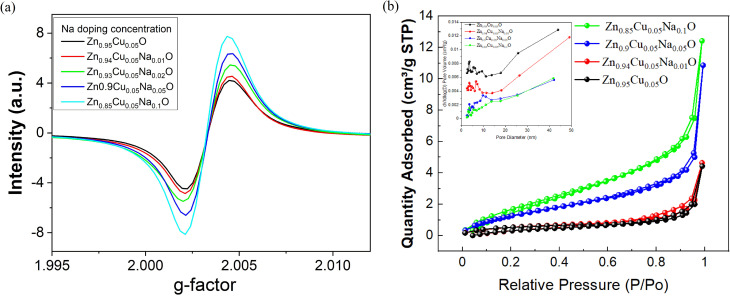 Figure 8
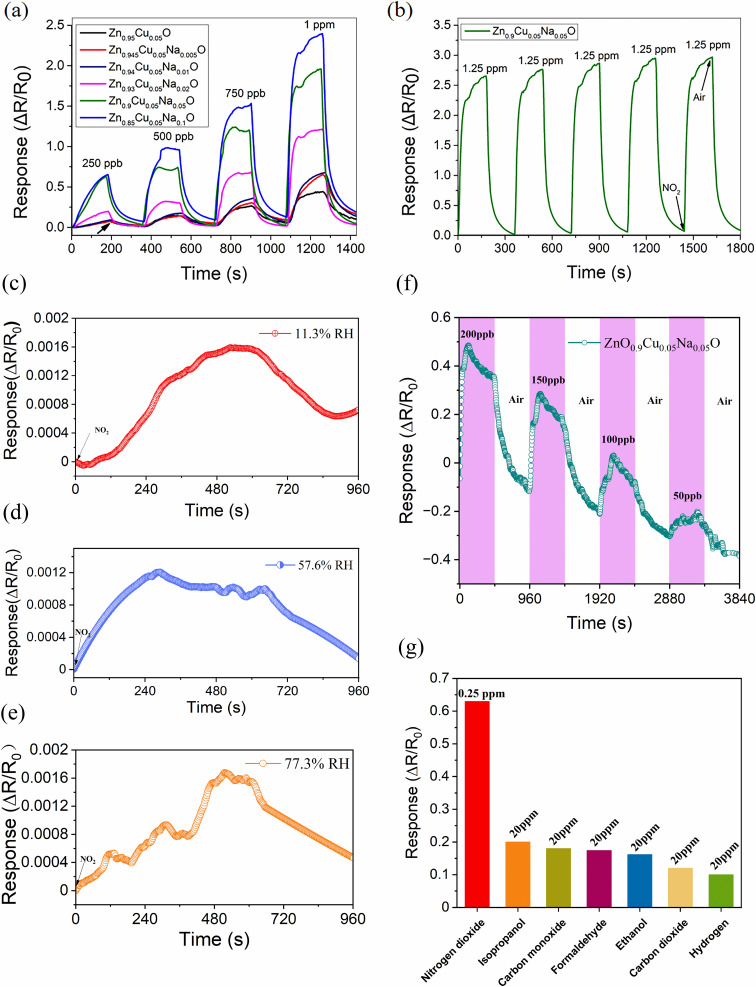 Figure 9
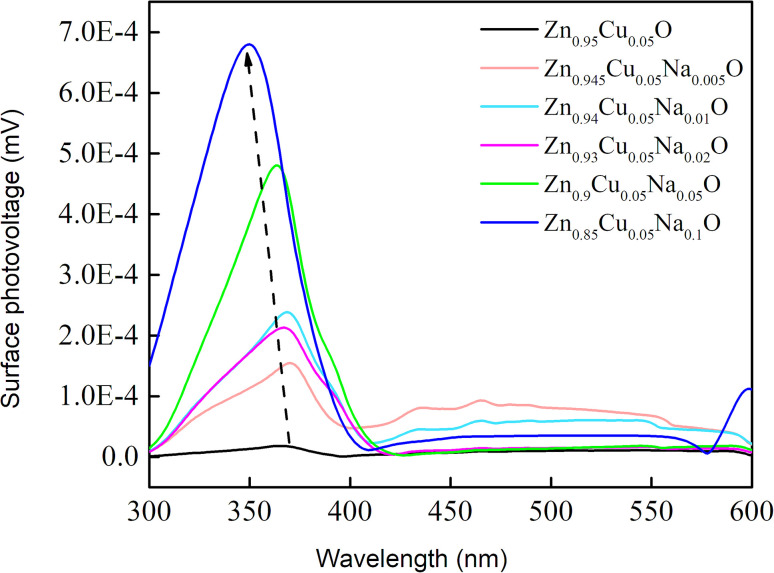 Figure 10
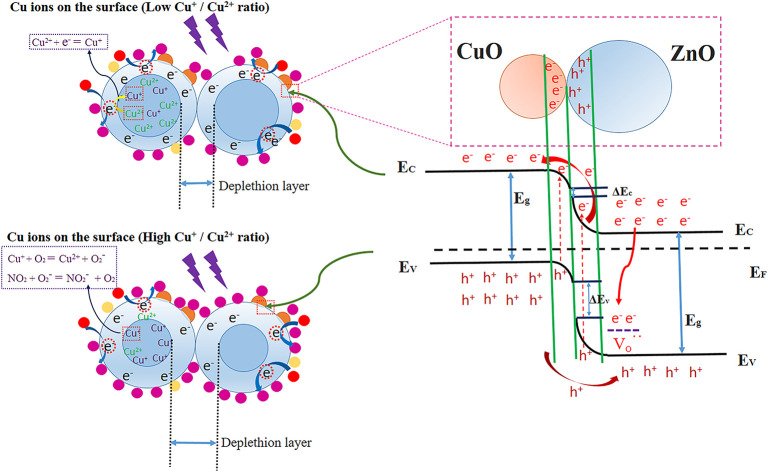 Figure 11
Peer Reviews
No public reviews on file for this paper yet. If you reviewed it on a platform where reviews are public (OpenReview, ICLR, NeurIPS, ICML), you can paste yours below so the community can read it here.
Videos
No videos yet. Explain this paper in a talk, walkthrough, or lecture? Add one.
Taxonomy
TopicsGas Sensing Nanomaterials and Sensors · ZnO doping and properties · Copper-based nanomaterials and applications