Recent advances in animal models for pathological scar research: A comprehensive review of experimental approaches and translational relevance
Diana‐Larisa Ancuța, Mariana Văduva, Cristin Coman, Iuliana Caraș

TL;DR
This paper reviews recent animal models used to study abnormal scarring, highlighting their role in advancing treatments.
Contribution
The paper provides a systematic review of animal models for pathological scars from 2020–2025, emphasizing their translational relevance.
Findings
Murine, rabbit, and porcine models provide insights into scar formation and treatment.
Animal models help bridge mechanistic understanding with clinical translation.
Integration with in vitro and ex vivo systems is crucial for developing personalized therapies.
Abstract
Pathological scarring, manifested in the form of hypertrophic scars (HTS) and keloid scars (KS), represents a major clinical challenge due to its aesthetic and functional implications for patients. Understanding the molecular mechanisms involved in these types of scars and developing effective treatments requires the use of controlled experimental models, especially animals, to overcome the limitations of clinical studies. The aim of this sistematic review is to critically analyze the animal models used in the last five years (2020–2025) for the study of pathological scars, highlighting their advantages, limitations and applicability in the development of new therapeutic strategies. Murine, rabbit and porcine models, as well as alternative models, offer varied perspectives on the formation and treatment of HTS and KS, with an emphasis on histological and molecular correlations with…
Genes, proteins, chemicals, diseases, species, mutations and cell lines named across the full text — each resolved to its canonical identifier and authoritative record.
Click any figure to enlarge with its caption.
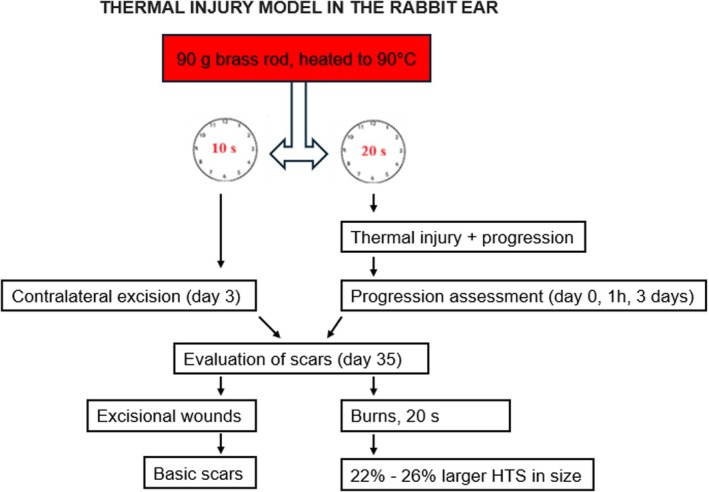 Figure 1
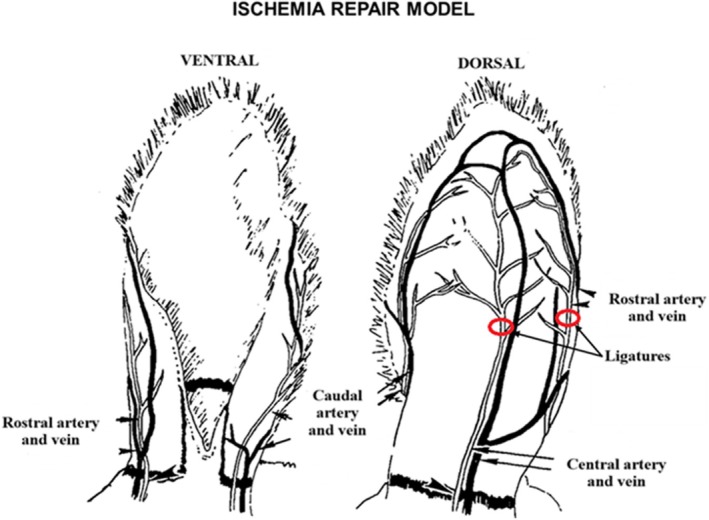 Figure 2
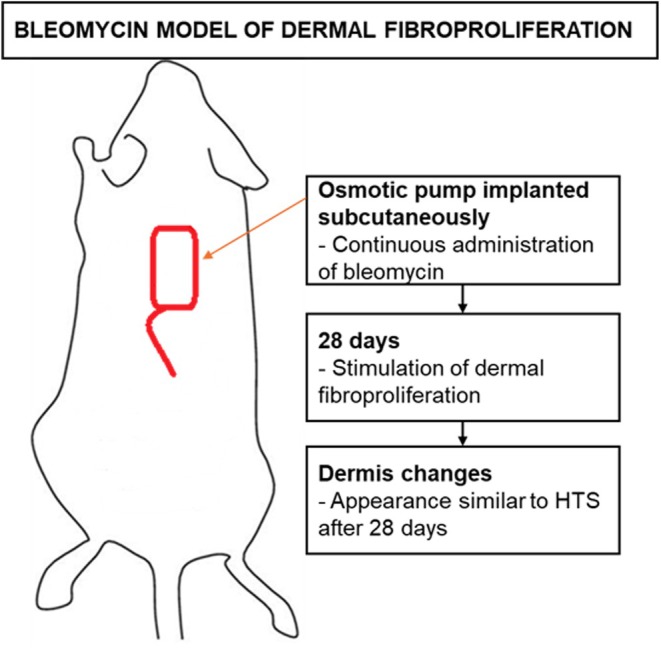 Figure 3
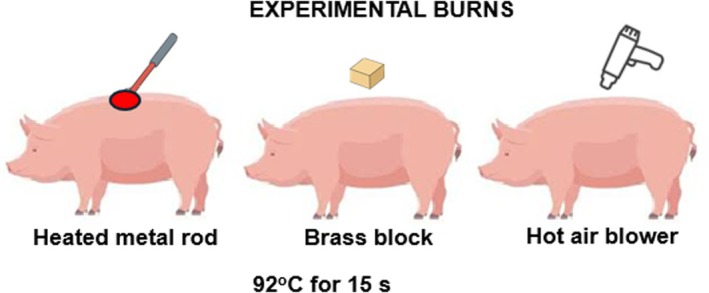 Figure 4
 Figure 5
 Figure 6
 Figure 7
 Figure 8
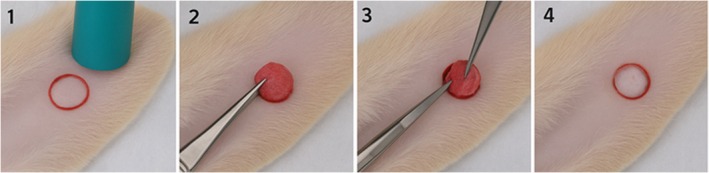 Figure 9
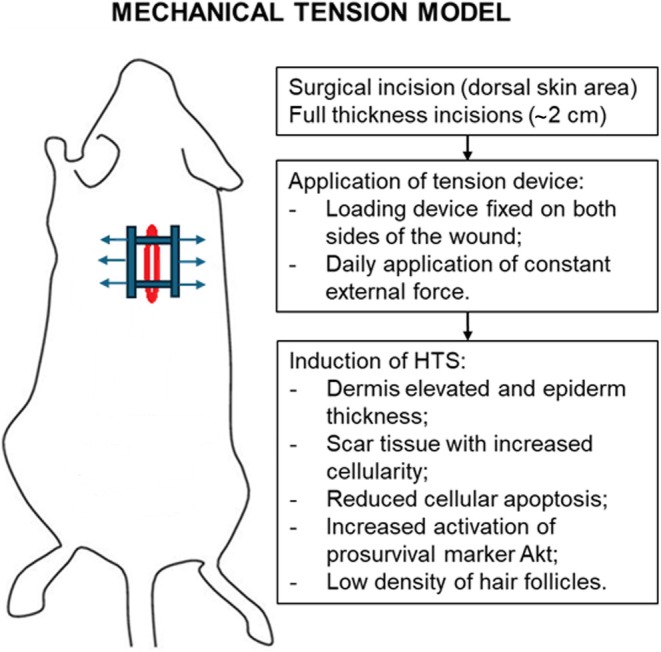 Figure 10
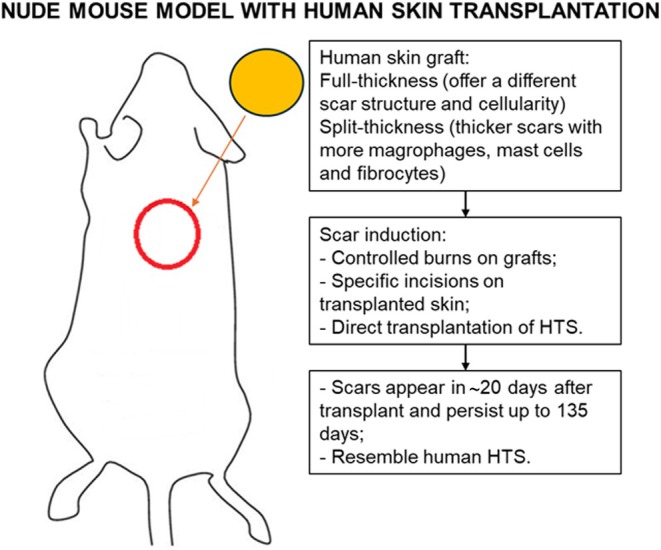 Figure 11
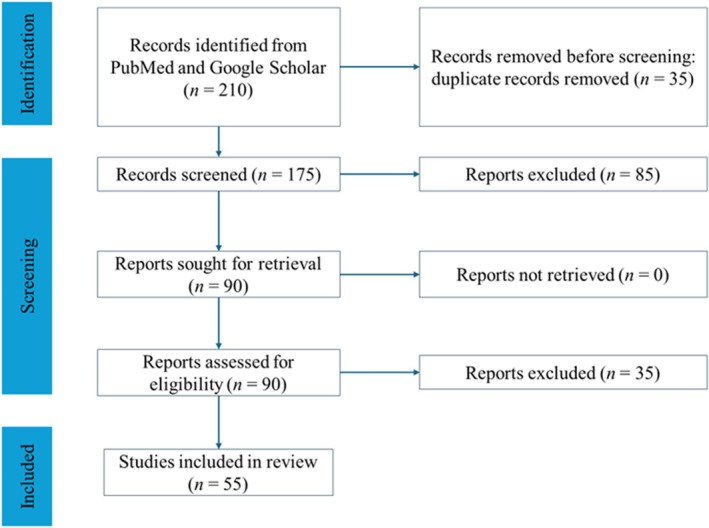 Figure 12
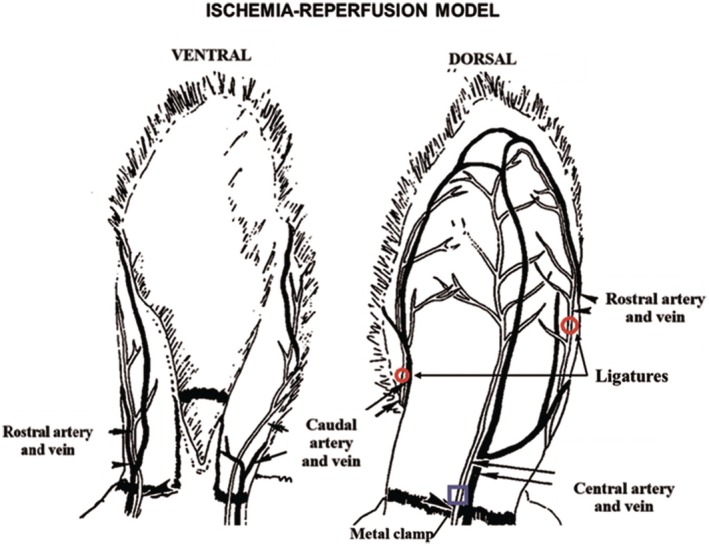 Figure 13
Peer Reviews
No public reviews on file for this paper yet. If you reviewed it on a platform where reviews are public (OpenReview, ICLR, NeurIPS, ICML), you can paste yours below so the community can read it here.
Videos
No videos yet. Explain this paper in a talk, walkthrough, or lecture? Add one.
Taxonomy
TopicsDermatologic Treatments and Research · Wound Healing and Treatments · Ultrasound and Hyperthermia Applications