Chronic high‐fat diet induces multi‐organ dysfunction and metabolic homeostasis disruption in Macaca fascicularis
Hongyi Chen, Wei Liu, Dan Zhou, Shuhua Liu, Yalun Guan, Zongyu Miao, Lei Cai, Xuejiao Li, Yunfeng Li, Zhongqiang Huang, Yi Jin, Ge Li, Yu Zhang

TL;DR
A high-fat diet in macaques over 18 months caused metabolic disorders like fatty liver disease, diabetes, and heart issues, with specific proteins linked to these conditions.
Contribution
The study establishes a translational non-human primate model of metabolic dysfunction and identifies novel biomarkers for MASH, diabetes, and cardiac hypertrophy.
Findings
MASH was confirmed in 57.14% of macaques after 18 months of HFD.
Proteomic analysis identified BAAT as a MASH hallmark protein inversely correlated with fibrosis.
Myocardial hypertrophy was associated with downregulation of SRC, MAPK14, EMD, and ITGB1.
Abstract
The aim of the study was to develop a non‐human primate model of metabolic dysfunction in Macaca fascicularis using chronic high‐fat diet (HFD) to mimic clinical disease progression. Thirty‐five male macaques aged 10–15 years underwent an 18‐month HFD intervention. Physiological parameters (BMI, BP, hematology), liver fat fraction (evaluated by ultrasound/MRI), cardiac function (assessed by echocardiography), and histopathology (using liver biopsy) were measured before and after the intervention. Serum proteomics with KEGG/STRING analyses identified molecular mechanisms. Within 6 months, HFD induced dyslipidemia (elevated TG, TCHO, HDL‐C, LDL‐C). After 18 months, metabolic dysfunction‐associated steatohepatitis (MASH) was confirmed by histopathology in 57.14% (16/28) of macaques, diabetes (elevated FPG/HbA1c) in 17.86% (5/28), and myocardial hypertrophy (elevated LVMass/LAD) in 46.43%…
Genes, proteins, chemicals, diseases, species, mutations and cell lines named across the full text — each resolved to its canonical identifier and authoritative record.
Click any figure to enlarge with its caption.
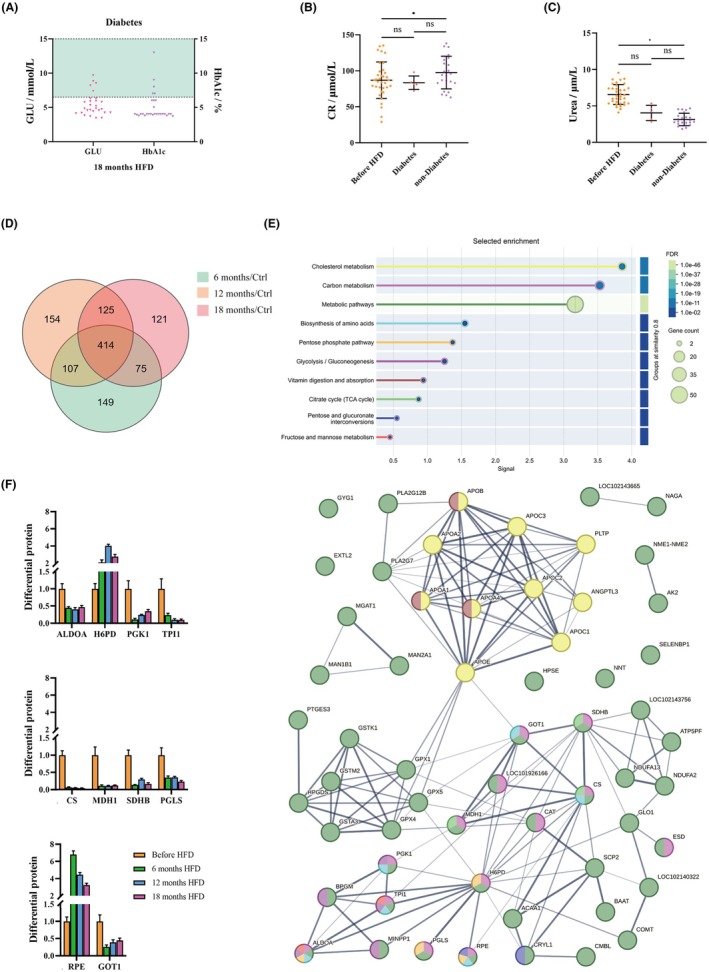 Figure 1
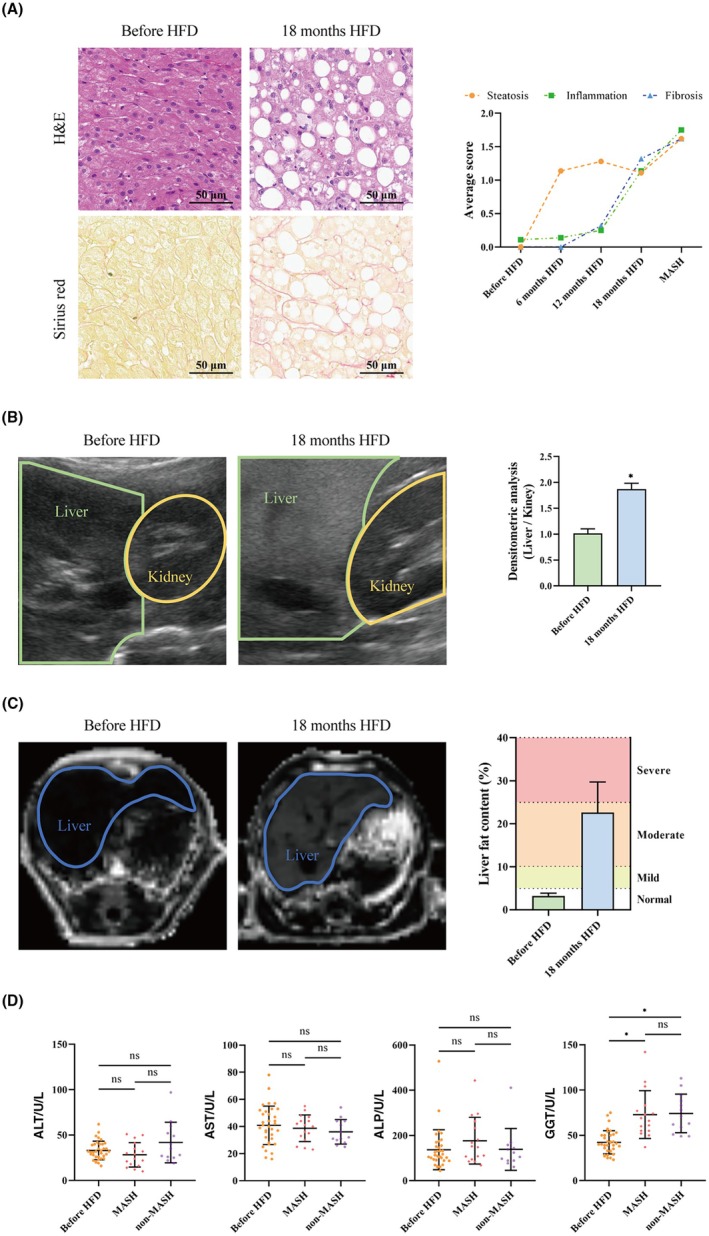 Figure 2
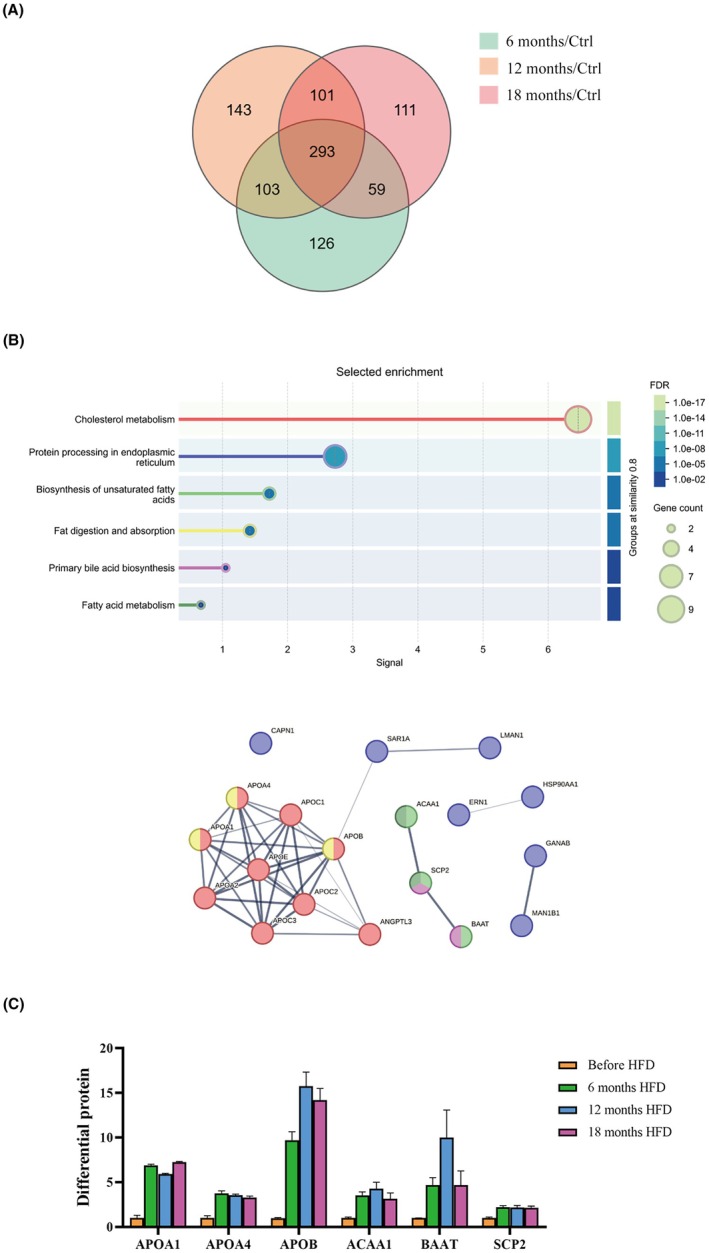 Figure 3
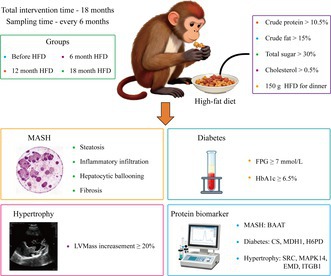 Figure 4
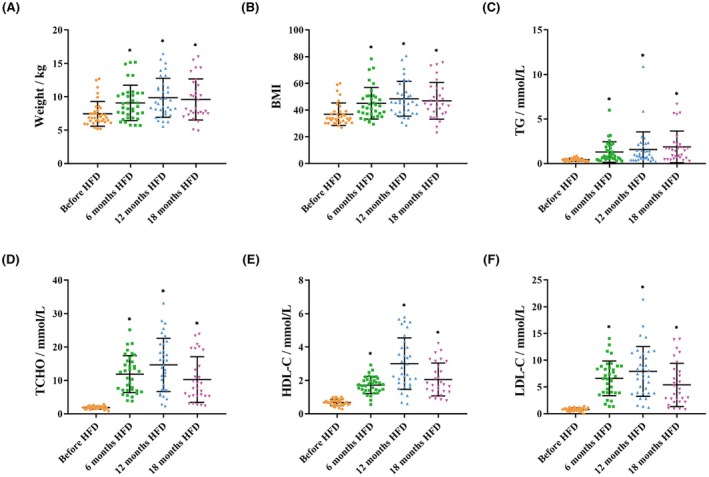 Figure 5
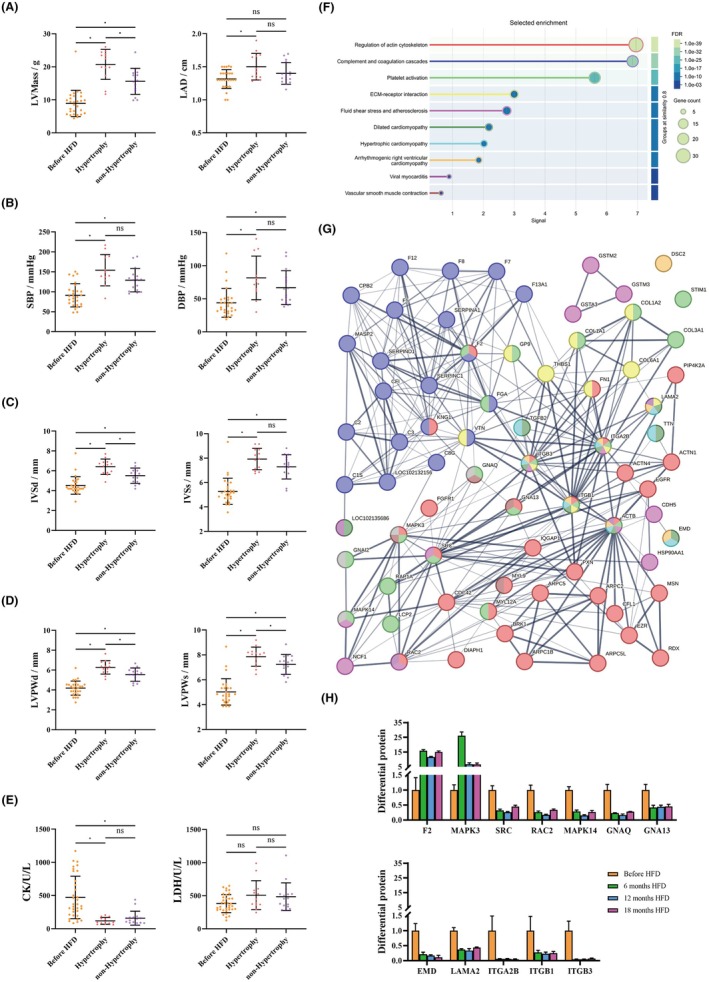 Figure 6
Peer Reviews
No public reviews on file for this paper yet. If you reviewed it on a platform where reviews are public (OpenReview, ICLR, NeurIPS, ICML), you can paste yours below so the community can read it here.
Videos
No videos yet. Explain this paper in a talk, walkthrough, or lecture? Add one.
Taxonomy
TopicsPrimate Behavior and Ecology · Animal Nutrition and Physiology · Gut microbiota and health