Comparative evaluation of single‐artery cannulation with passive venous drainage versus traditional dual‐cannula ex vivo lung perfusion in a rat model
Ming Ni, Fei Xue, Xuanpeng Wu, Chenxi Li, Shuhao Liang, Tianhao Chen, Leyu Hong, Chao Luo, Tong Liu, Jingyao Zhang, Chang Liu, Qifei Wu

TL;DR
A simplified lung perfusion model in rats reduced lung swelling and injury compared to traditional methods.
Contribution
The study introduces a simplified single-artery ex vivo lung perfusion model in rats and demonstrates its benefits over traditional dual-cannula systems.
Findings
Single-artery cannulation with passive drainage reduced pulmonary edema and arterial pressure during perfusion.
Lungs from the simplified model showed less injury, apoptosis, and systemic inflammation after transplantation.
The simplified model had comparable cytokine levels and lung function to traditional systems.
Abstract
Ex vivo lung perfusion (EVLP) has emerged as a critical technique for lung preservation and evaluation prior to transplantation. While conventional rat EVLP systems utilize closed‐loop dual cannulation of pulmonary artery (PA) and vein, the effect of the simplified model using single PA cannulation with passive venous drainage is unknown. We developed two EVLP models in rats: a semi‐closed circuit with PA‐only cannulation and left atrial incision for passive venous drainage (SC‐EVLP), and a closed circuit employing both arterial and venous cannulation (C‐EVLP). Donor lungs were perfused for a defined duration and subsequently orthotopically transplanted. We evaluated pulmonary function parameters, histopathological injury scores, inflammatory cytokine levels, and apoptotic marker expression at the end of perfusion and posttransplantation. Compared to the conventional EVLP, the SC‐EVLP…
Genes, proteins, chemicals, diseases, species, mutations and cell lines named across the full text — each resolved to its canonical identifier and authoritative record.
Click any figure to enlarge with its caption.
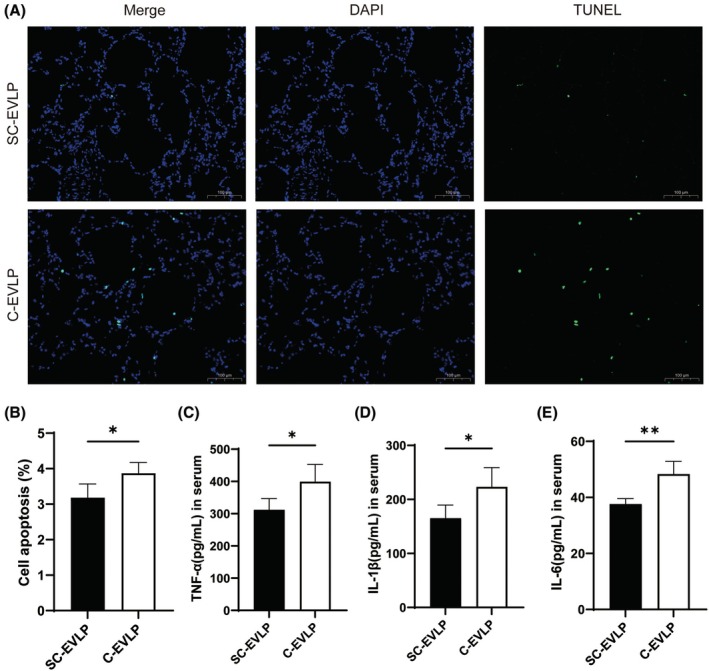 Figure 1
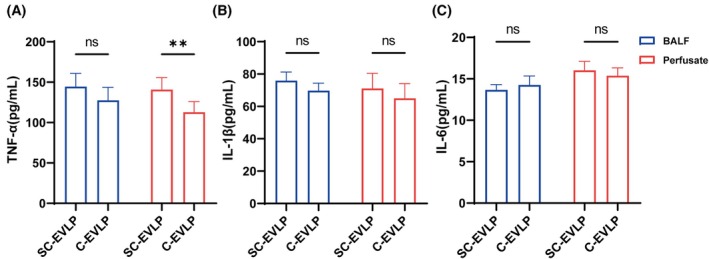 Figure 2
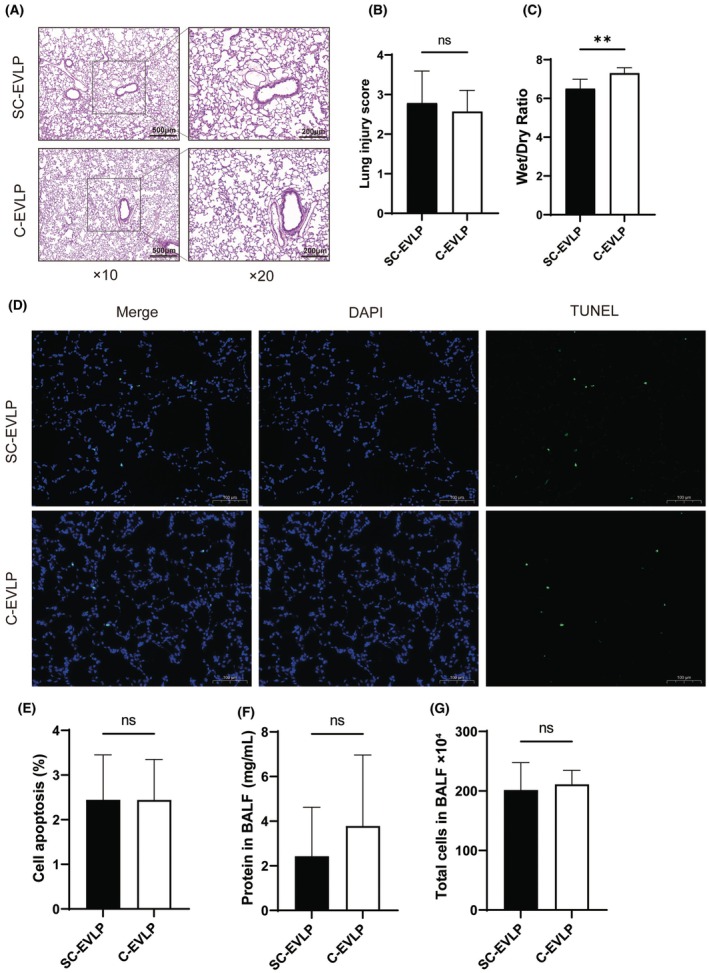 Figure 3
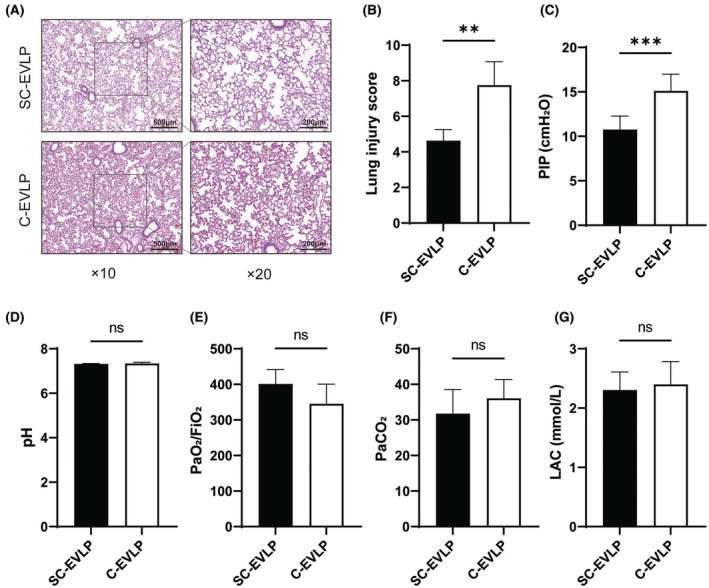 Figure 4
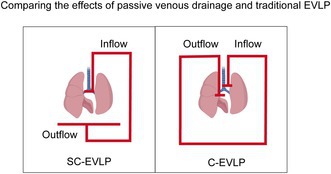 Figure 5
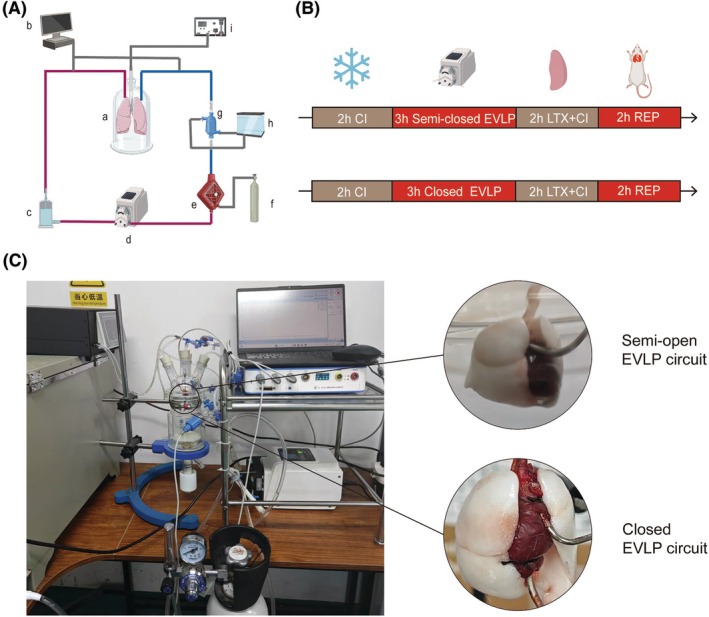 Figure 6
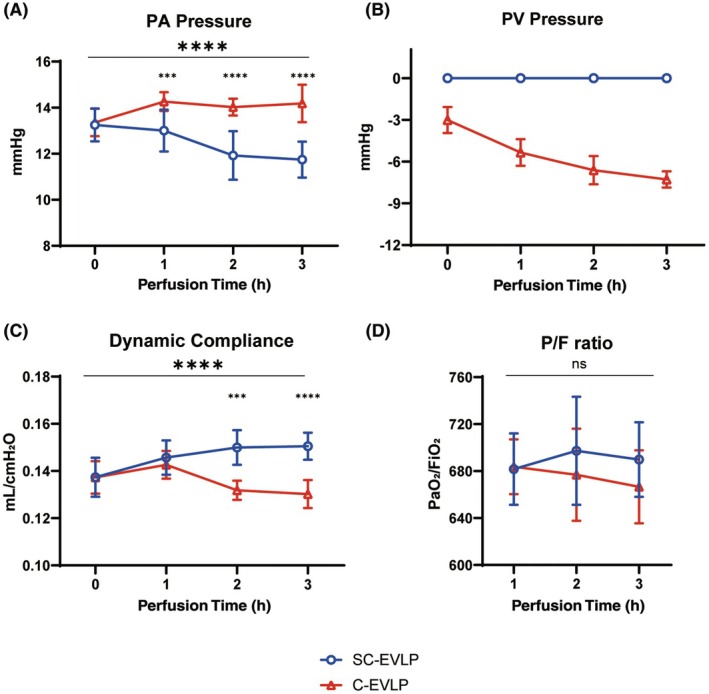 Figure 7
Peer Reviews
No public reviews on file for this paper yet. If you reviewed it on a platform where reviews are public (OpenReview, ICLR, NeurIPS, ICML), you can paste yours below so the community can read it here.
Videos
No videos yet. Explain this paper in a talk, walkthrough, or lecture? Add one.
Taxonomy
TopicsTransplantation: Methods and Outcomes · Organ Transplantation Techniques and Outcomes · Cardiac and Coronary Surgery Techniques