Targeting RAD51-BRCA2 Interaction to Enhance Synthetic Lethality with Olaparib in Pancreatic Cancer: Development of a Novel Phenyl Furan-Quinoline-Carboxylic Acid Series
Giovanni Ferrandi, Greta Bagnolini, Laura Poppi, Mirco Masi, Viola Previtali, Angela Andonaia, Giulia Varignani, Marina Veronesi, Francesca De Franco, Federico Falchi, Giuseppina Di Stefano, Stefania Girotto, Marinella Roberti, Andrea Cavalli

TL;DR
This paper introduces a new compound that enhances the effectiveness of olaparib in pancreatic cancer by targeting a specific protein interaction.
Contribution
The study presents a novel phenyl furan-quinoline-carboxylic acid derivative that induces synthetic lethality in pancreatic cancer cells.
Findings
Compound 19 inhibits RAD51-BRCA2 interaction and impairs homologous recombination.
Compound 19 synergizes with olaparib in BxPC-3 pancreatic cancer cells in 2D and 3D models.
Compound 19 shows efficacy in human pancreatic cancer cells without toxicity to normal cells.
Abstract
Synthetic lethality has proven to be a tactical paradigm to design synergistic anticancer drug combinations. In this context, we leveraged BRCA2 and PARP as a synthetic lethal target pair to consolidate the use of small molecule inhibitors of RAD51-BRCA2 protein–protein interaction as inducers of the BRCAness phenotype that sensitizes BRCA2-functional cancer cells to PARP inhibitors. Starting from compound 1, a phenyl furan-carboxyquinoline, we developed a series of analogues, leading to derivative 19. This compound effectively inhibits RAD51-BRCA2 interaction, impairs homologous recombination, and synergizes with olaparib in BxPC-3 pancreatic cancer cells, inducing synthetic lethality in both 2D and 3D spheroids. Additionally, 19 showed efficacy in human pancreatic cancer cells and no toxicity in normal pancreatic cells, positioning it as an early tool compound and a starting point for…
Genes, proteins, chemicals, diseases, species, mutations and cell lines named across the full text — each resolved to its canonical identifier and authoritative record.
Click any figure to enlarge with its caption.
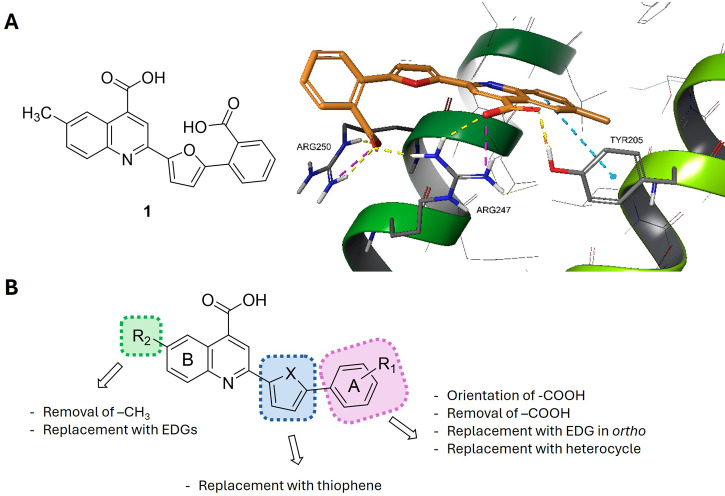 Figure 1
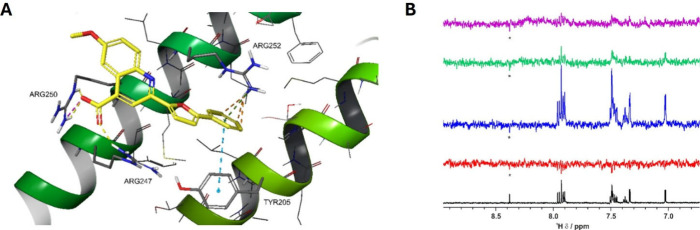 Figure 2
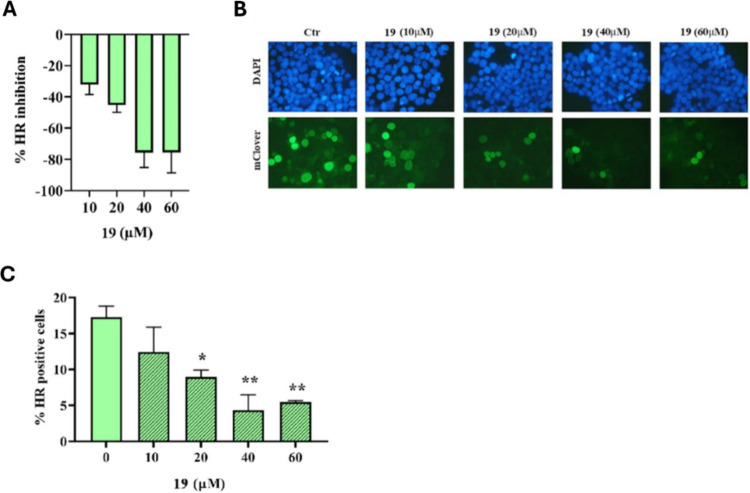 Figure 3
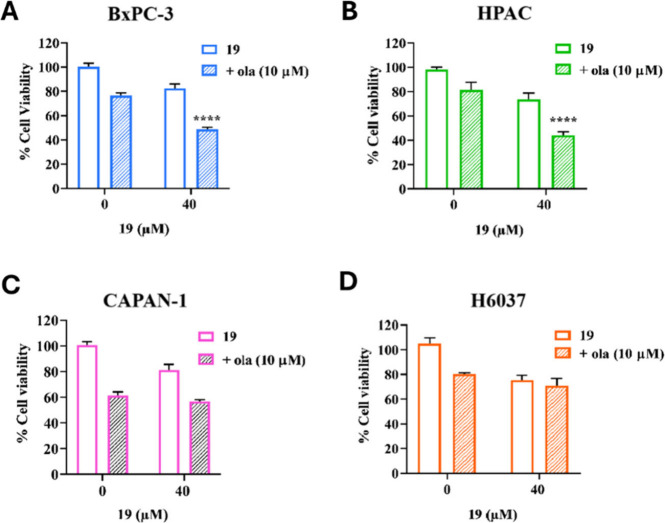 Figure 4
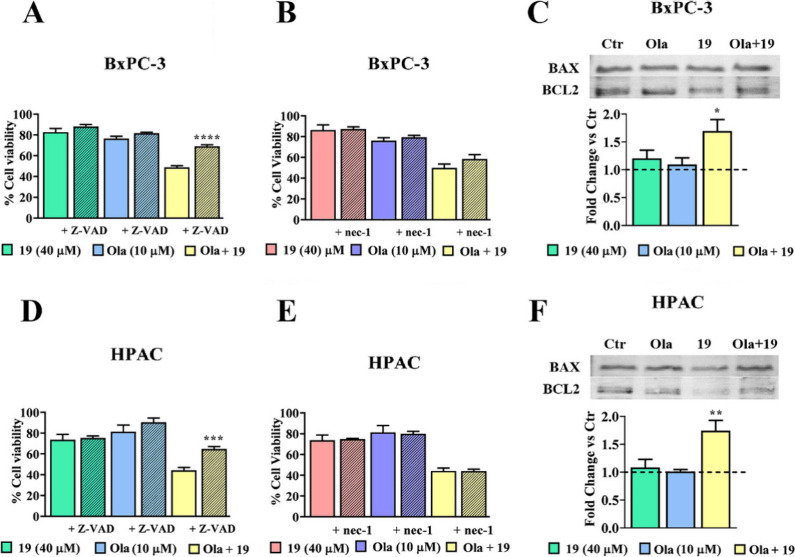 Figure 5
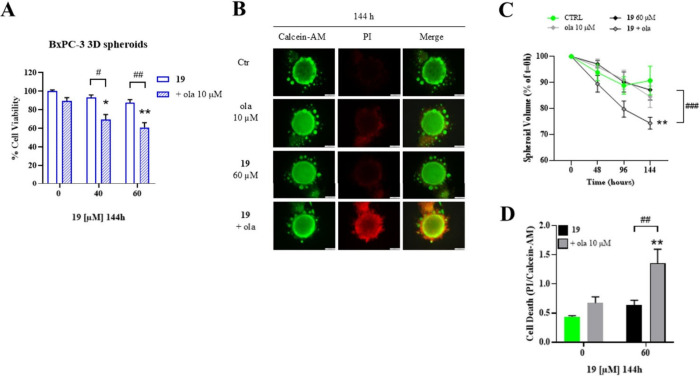 Figure 6
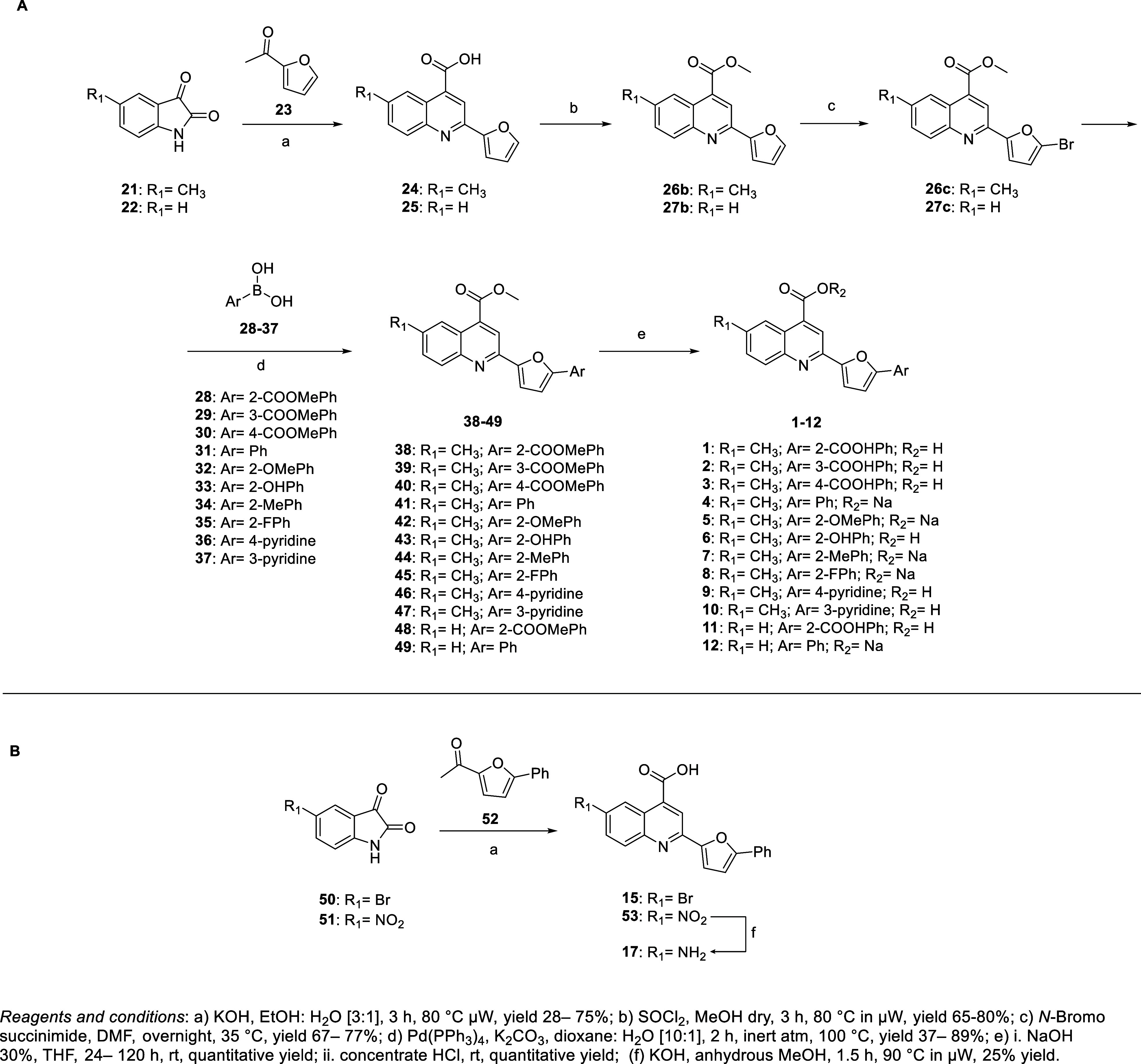 Figure 7
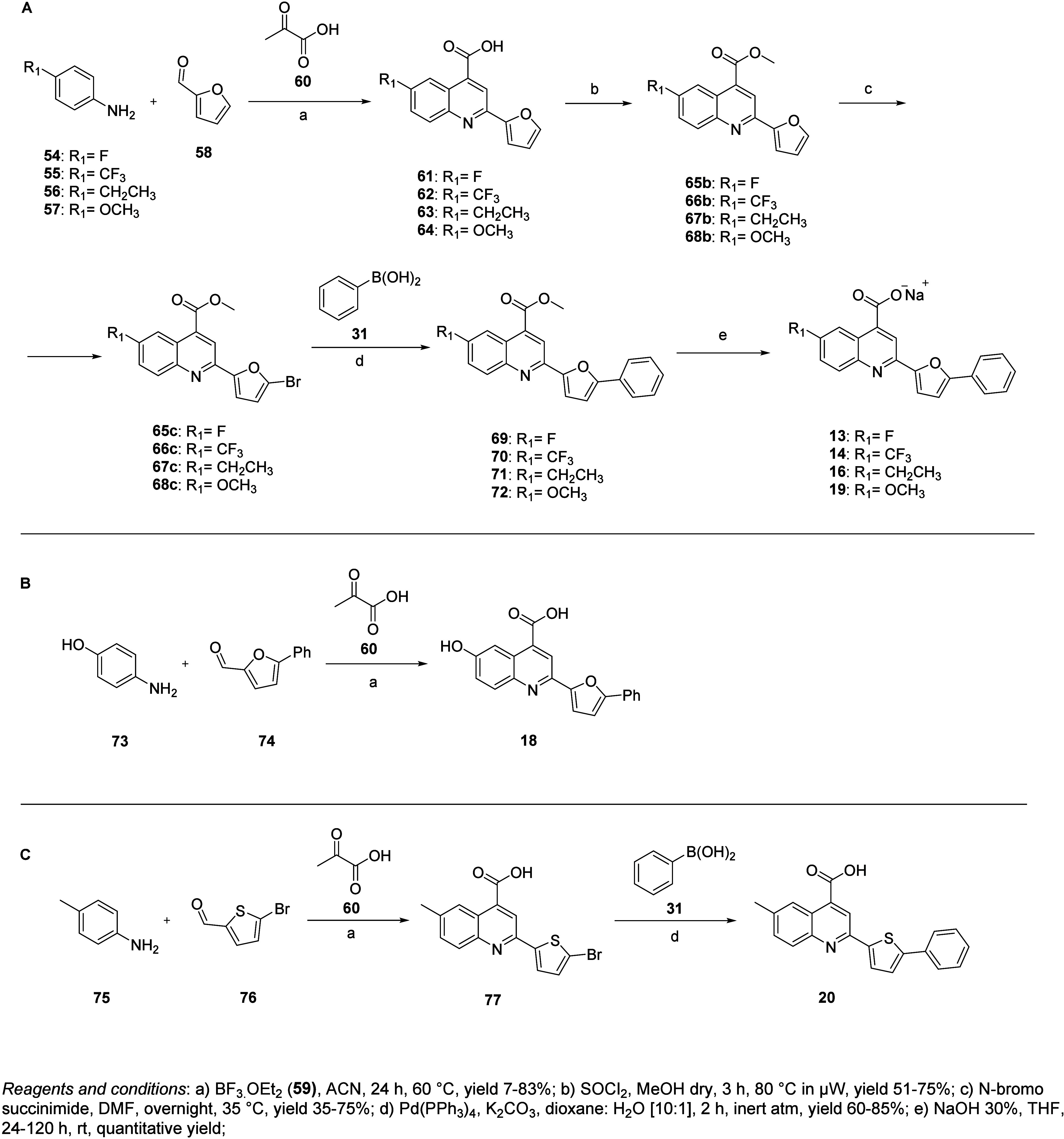 Figure 8
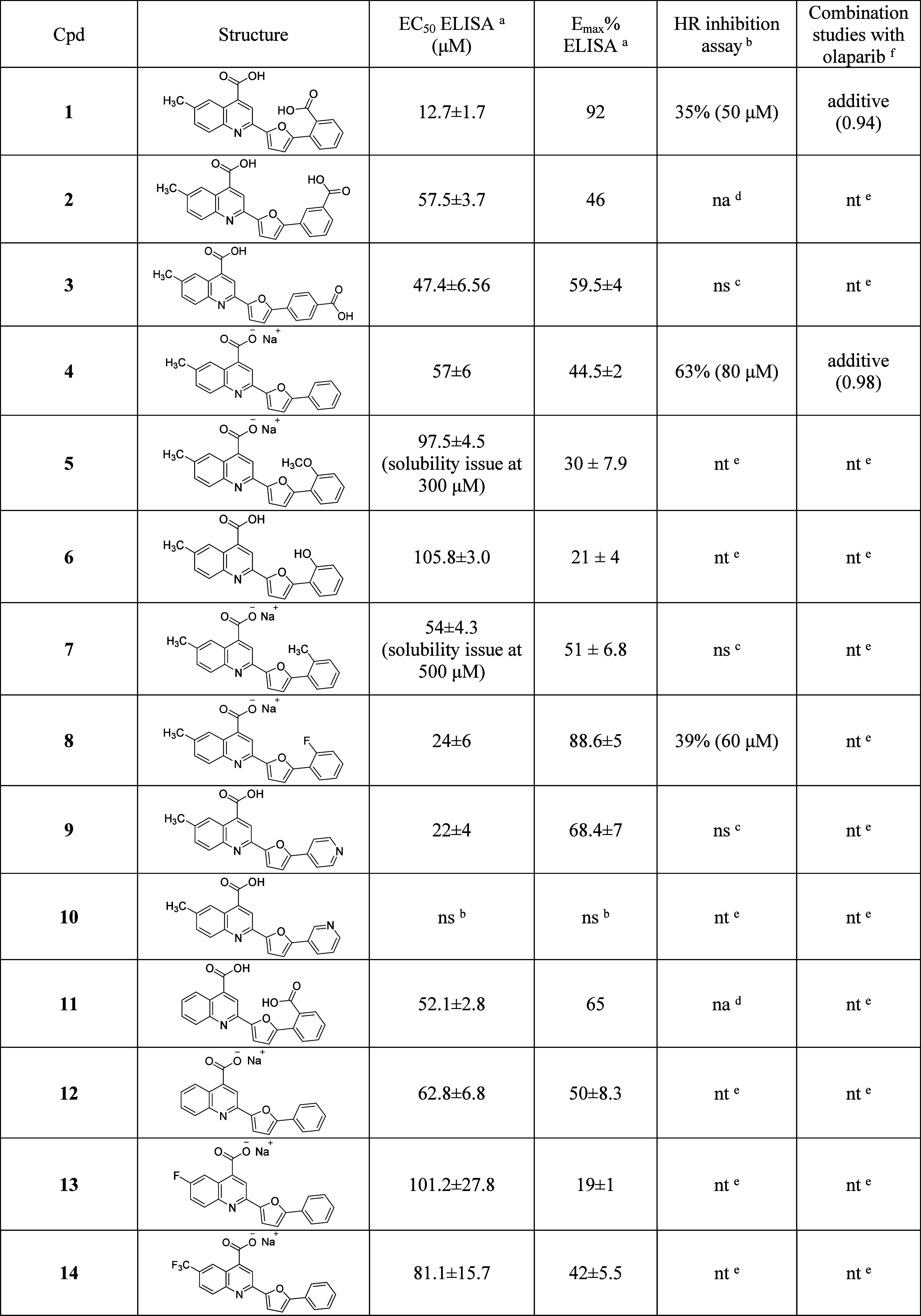 Figure 9
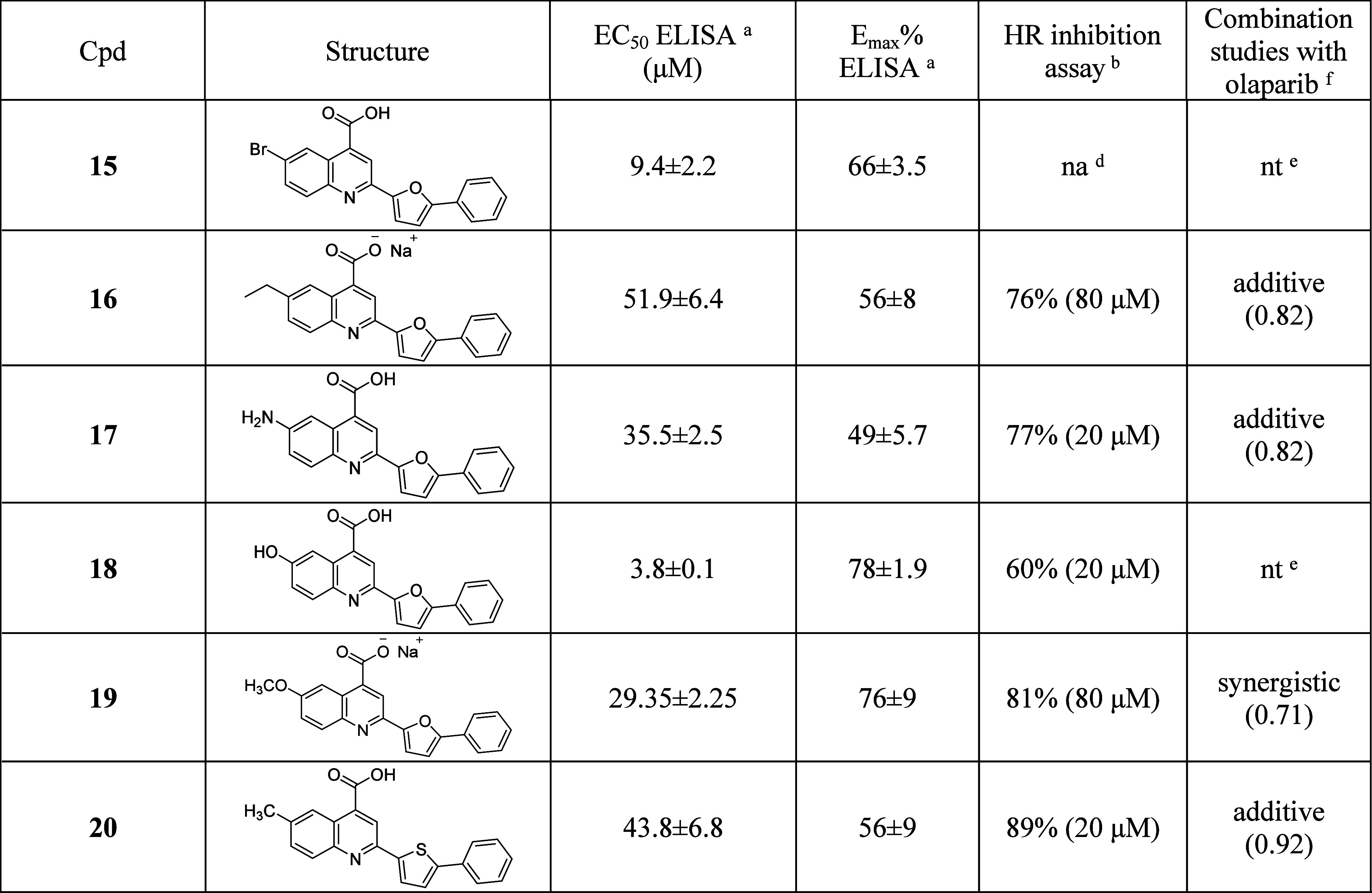 Figure 10
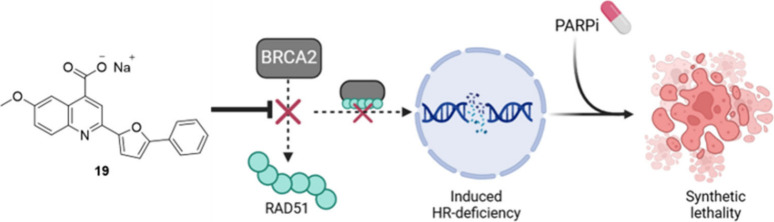 Figure 11
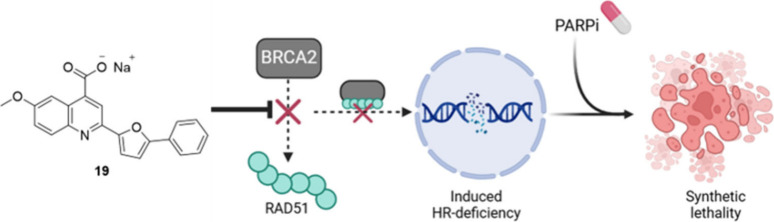 Figure 12
Peer Reviews
No public reviews on file for this paper yet. If you reviewed it on a platform where reviews are public (OpenReview, ICLR, NeurIPS, ICML), you can paste yours below so the community can read it here.
Videos
No videos yet. Explain this paper in a talk, walkthrough, or lecture? Add one.
Taxonomy
TopicsPARP inhibition in cancer therapy · DNA Repair Mechanisms · Cell death mechanisms and regulation