Synthesis and Pharmacological Evaluation of 6,7-Dihydro‑3H‑Oxazolo[3,4‑a]Pyrazine-5,8-Dione Compounds as Inhibitors of Phosphodiesterases 4 and 5
Débora Rocha Helfstein, Marcio Fernando das Virgens, Julio Alejandro Rojas Moscoso, Tiago Zaminelli, Fabiano Travanca. Toledo, Jeniffer Maia de Lima, Larissa Ozols Medeiros, Bianca Alves Marcello, Vinícius Marques Soares, Gabriela Reolon Passos, Sarah Saraiva de Padua

TL;DR
Researchers developed a new compound that inhibits two enzymes linked to prostate issues, showing potential as a treatment for benign prostatic hyperplasia.
Contribution
A novel compound with dual PDE4 and PDE5 inhibitory activity was synthesized and evaluated for BPH treatment.
Findings
Compound VIII inhibited PDE5 and two PDE4 isoforms in biochemical assays.
It relaxed prostate tissue and reduced cell proliferation in human hyperplastic prostate cells.
Molecular docking explained the compound's interaction with PDE5A.
Abstract
Benign prostatic hyperplasia (BPH) is a prevalent condition in aging men that negatively affects the quality of life. Current therapeutic strategies aim to reduce prostate size and smooth muscle contraction. In this study, five novel 4-oxazoline-centered compounds with potential phosphodiesterase (PDE) inhibitory activity were synthesized and tested for biochemical and pharmacological effects in isolated prostate cells and tissues. Among them, compound VIII exhibited inhibitory activity against PDE5 and two PDE4 isoforms in cell-free assays. Additionally, it relaxed isolated rat prostate tissue, enhanced nitric oxide-induced relaxation, and reduced contractile responses mediated by alpha-1 adrenoceptors. Moreover, compound VIII significantly inhibited the proliferation of a human hyperplastic prostate cell line, mimicking the effects of rolipram, a PDE4 inhibitor. With its dual…
Genes, proteins, chemicals, diseases, species, mutations and cell lines named across the full text — each resolved to its canonical identifier and authoritative record.
Click any figure to enlarge with its caption.
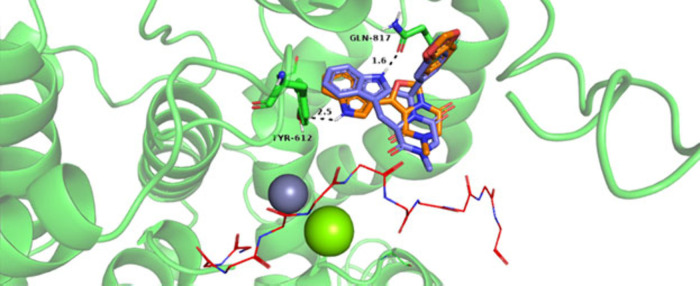 Figure 1
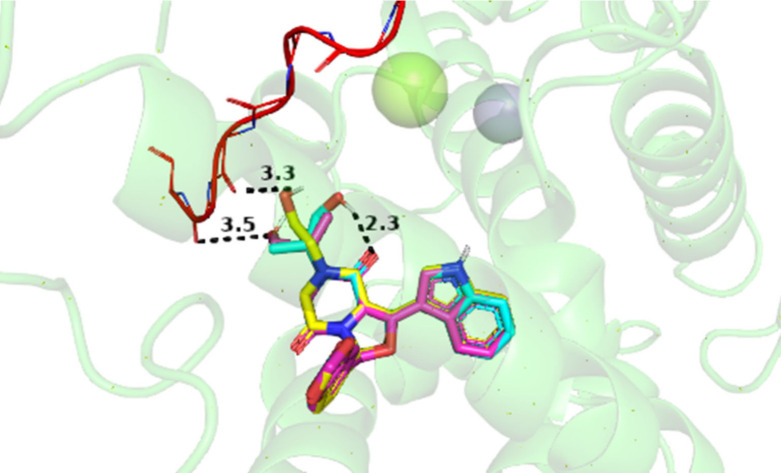 Figure 2
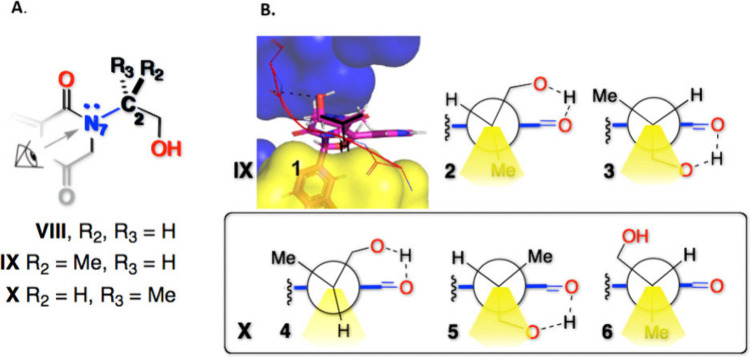 Figure 3
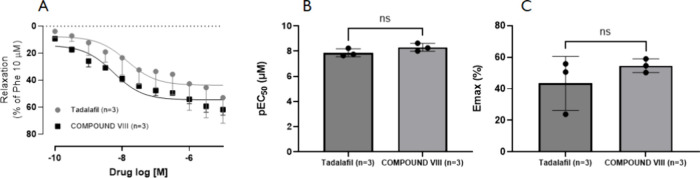 Figure 4
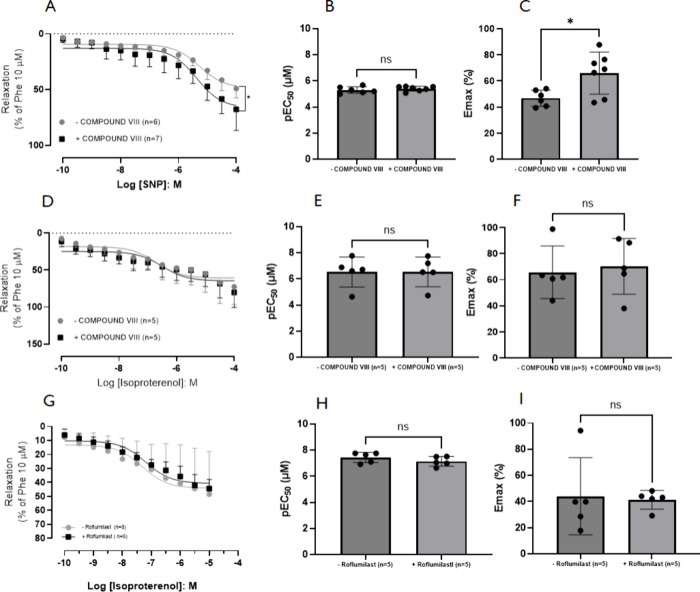 Figure 5
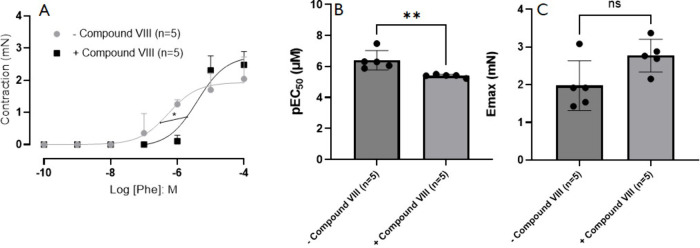 Figure 6
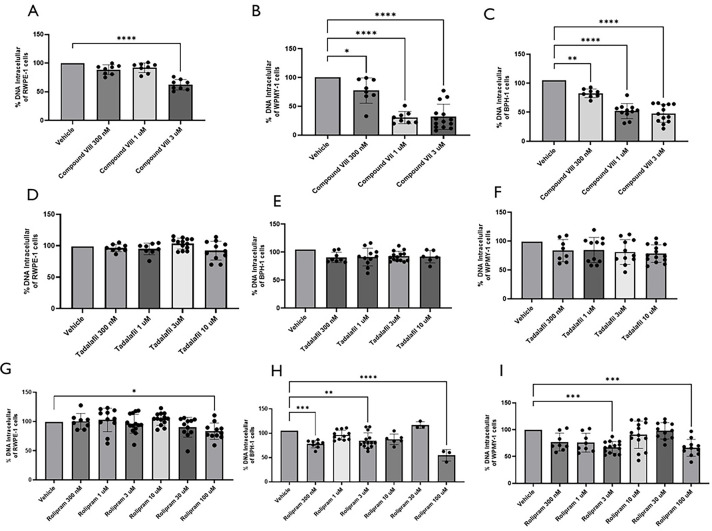 Figure 7
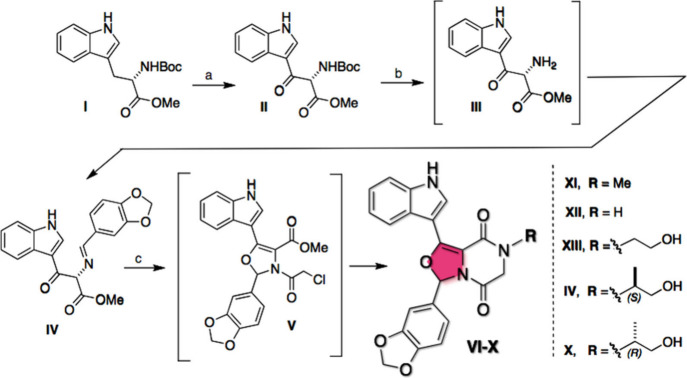 Figure 8
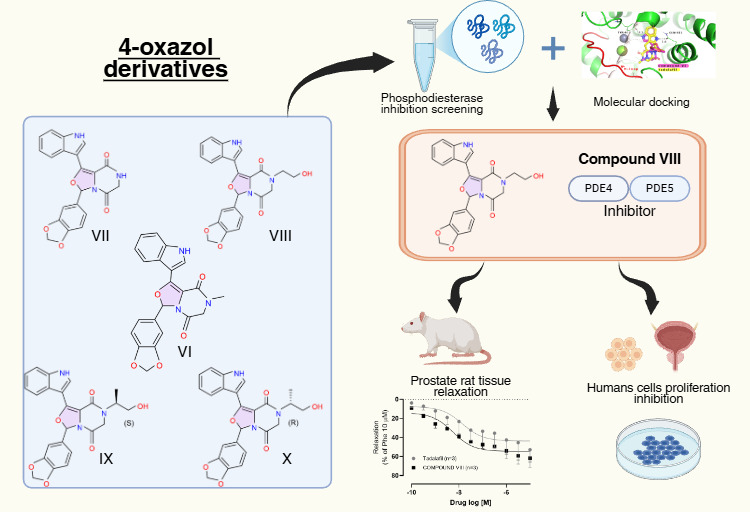 Figure 9
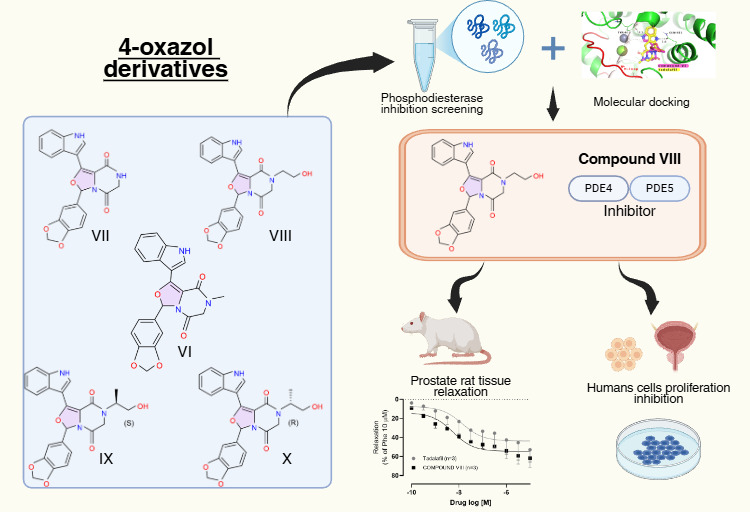 Figure 10
Peer Reviews
No public reviews on file for this paper yet. If you reviewed it on a platform where reviews are public (OpenReview, ICLR, NeurIPS, ICML), you can paste yours below so the community can read it here.
Videos
No videos yet. Explain this paper in a talk, walkthrough, or lecture? Add one.
Taxonomy
TopicsPhosphodiesterase function and regulation · Urinary Bladder and Prostate Research · Pharmaceutical Quality and Counterfeiting