Selective ROCK2 inhibition reduces microvascular obstruction but does not reduce myocardial infarction after ischaemia and reperfusion
Lucie Pearce, David He, Derek M. Yellon, Sean M. Davidson

TL;DR
Selective inhibition of ROCK2 reduces microvascular blockage after heart attacks but does not prevent heart tissue damage.
Contribution
The study reveals that ROCK2 inhibition reduces microvascular obstruction but not infarct size, highlighting ROCK1's role in protecting heart tissue.
Findings
ROCK2 is more highly expressed than ROCK1 in the heart and coronary vasculature.
Selective ROCK2 inhibition reduces microvascular obstruction but not infarct size after ischaemia/reperfusion.
ROCK2 heterozygous mice show infarct sizes similar to wild-type mice.
Abstract
Myocardial ischaemia/reperfusion (I/R) injury causes infarction, microvascular obstruction (MVO), and haemorrhage. MVO, often driven by vasospasm, lacks effective therapy. The non-selective ROCK inhibitor fasudil, used for cerebral vasospasm, limits infarct size after myocardial I/R, but the roles of individual ROCK isoforms in limiting infarction and MVO remain unclear. To determine the contribution of ROCK2 to myocardial and microvascular obstruction and to assess the vasodilatory potential of ROCK2 inhibition. ROCK1/2 expression was analysed in rat hearts by RNAscope. Vascular myography assessed arterial responses to ROCK inhibitors. Rats underwent 30 min coronary occlusion and 180 min reperfusion, with ROCK2 inhibitor KD025 (100 mg/kg i.p.) or vehicle administered before reperfusion. Infarct size (%AAR) and MVO (%AAR) were quantified by TTC and Thioflavin S staining, respectively.…
Genes, proteins, chemicals, diseases, species, mutations and cell lines named across the full text — each resolved to its canonical identifier and authoritative record.
Click any figure to enlarge with its caption.
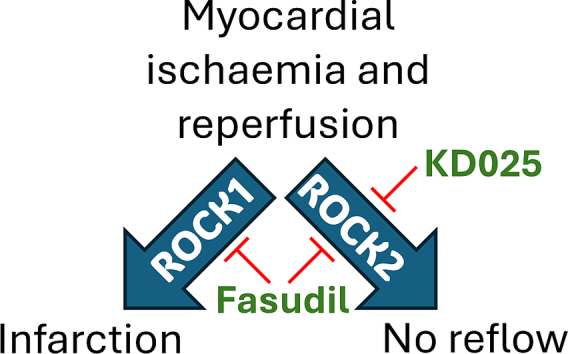 Figure 1
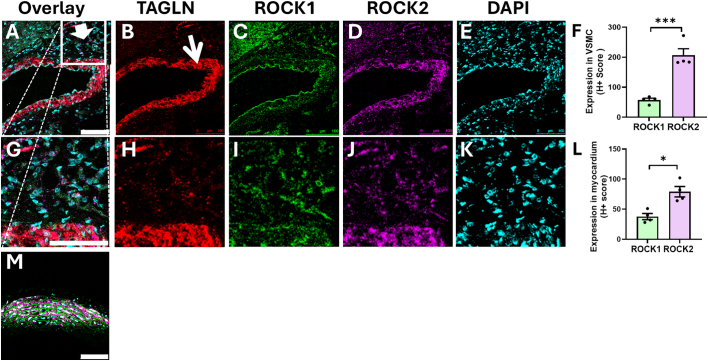 Figure 2
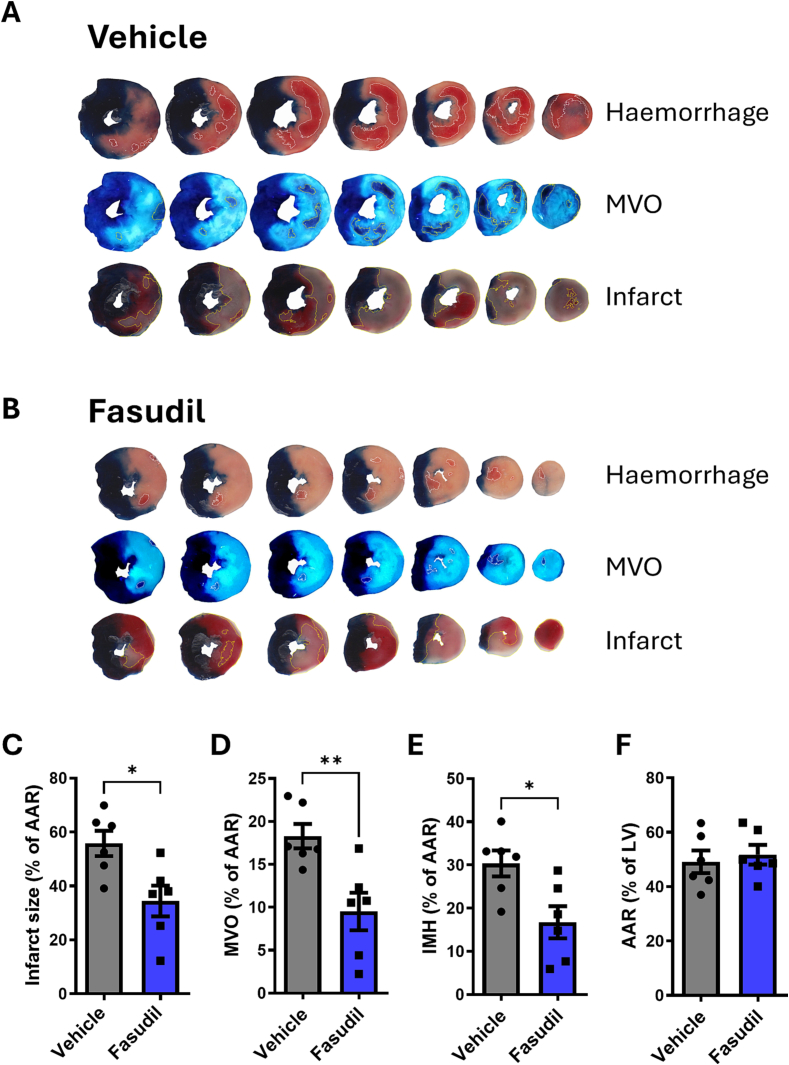 Figure 3
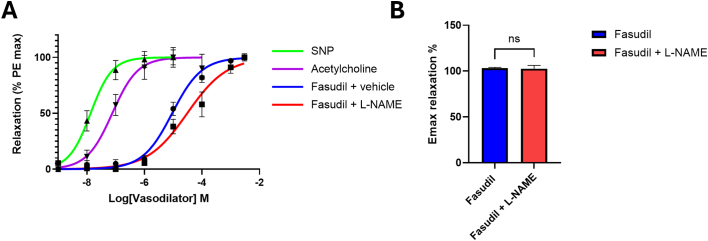 Figure 4
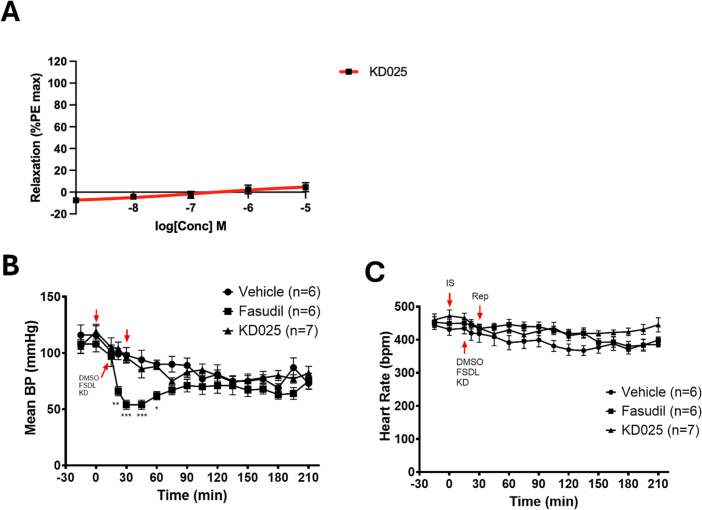 Figure 5
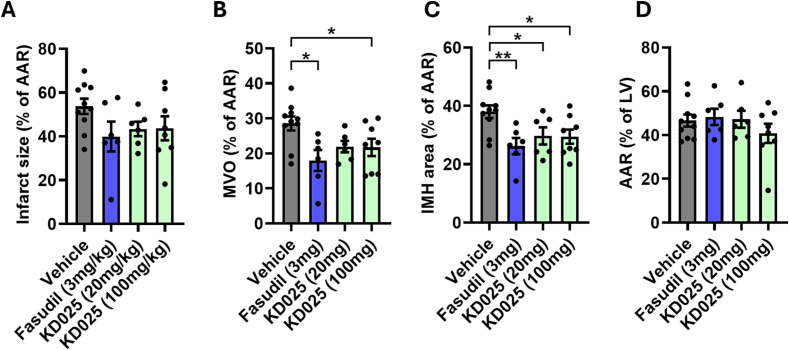 Figure 6
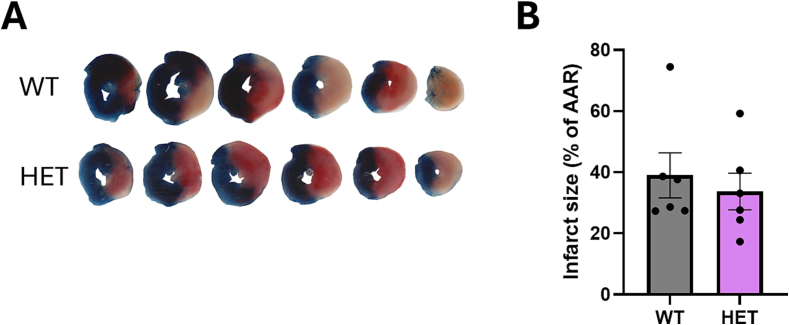 Figure 7
Peer Reviews
No public reviews on file for this paper yet. If you reviewed it on a platform where reviews are public (OpenReview, ICLR, NeurIPS, ICML), you can paste yours below so the community can read it here.
Videos
No videos yet. Explain this paper in a talk, walkthrough, or lecture? Add one.
Taxonomy
TopicsProtein Kinase Regulation and GTPase Signaling · Cardiac electrophysiology and arrhythmias · Congenital heart defects research