A Stress-Neuroendocrine-Myeloid Inflammation Axis Is Associated with the Progression of Ménière's Disease
Xiaofei Li, Na Zhang, Yongdong Song, Tongtong Zhang, Yafeng Lyu, Huirong Jian, Yawei Li, Jing Wang, Wenjuan Li, Yinghui Hu, Zhaomin Fan, Na Li, Daogong Zhang, Haibo Wang

TL;DR
This study finds that stress may worsen Ménière's disease by triggering inflammation through myeloid cells, offering new insights into its progression and potential treatments.
Contribution
The study identifies a stress-neuroendocrine-myeloid inflammation axis as a novel mechanism underlying Ménière's disease progression.
Findings
MD patients showed higher perceived stress and a pro-inflammatory gene signature in myeloid cells.
Elevated G-CSF levels correlated with worse audio-vestibular function and disease progression.
Blocking the β-adrenergic-cAMP pathway reduced inflammation in myeloid cells from MD patients.
Abstract
Ménière disease (MD) is a chronic inner ear disorder of unknown etiology. Although an immune-inflammatory link is suspected, the upstream triggers and cellular mechanisms connecting psychosocial stress to inner ear pathology remain poorly defined. This study aimed to investigate the role of stress-related, myeloid cell-derived inflammation in the progression of MD. This multi-cohort study involved 384 MD patients (62.5% female); and 138 healthy controls (HCs) (46.4% female). Perceived stress was evaluated in 110 MD patients and 65 HCs. Transcriptional profiles were characterized using RNA sequencing on peripheral whole blood (4 MD, 6 HC) and on sorted CD11b + myeloid cells versus CD11b-non-myeloid cells (8 MD, 6 HC). In a larger cross-sectional cohort (239 MD patients, 35 HCs), the association between serum inflammatory cytokines and audio-vestibular function was examined, with a…
Genes, proteins, chemicals, diseases, species, mutations and cell lines named across the full text — each resolved to its canonical identifier and authoritative record.
Click any figure to enlarge with its caption.
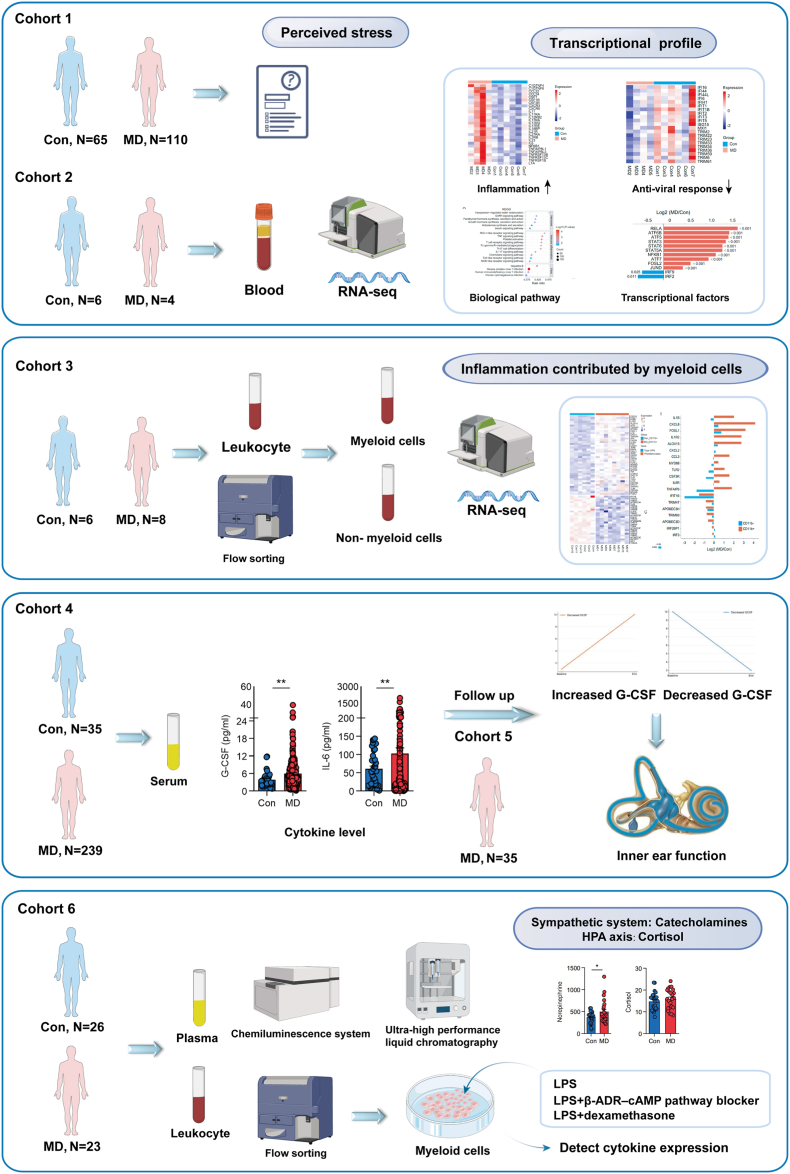 Figure 1
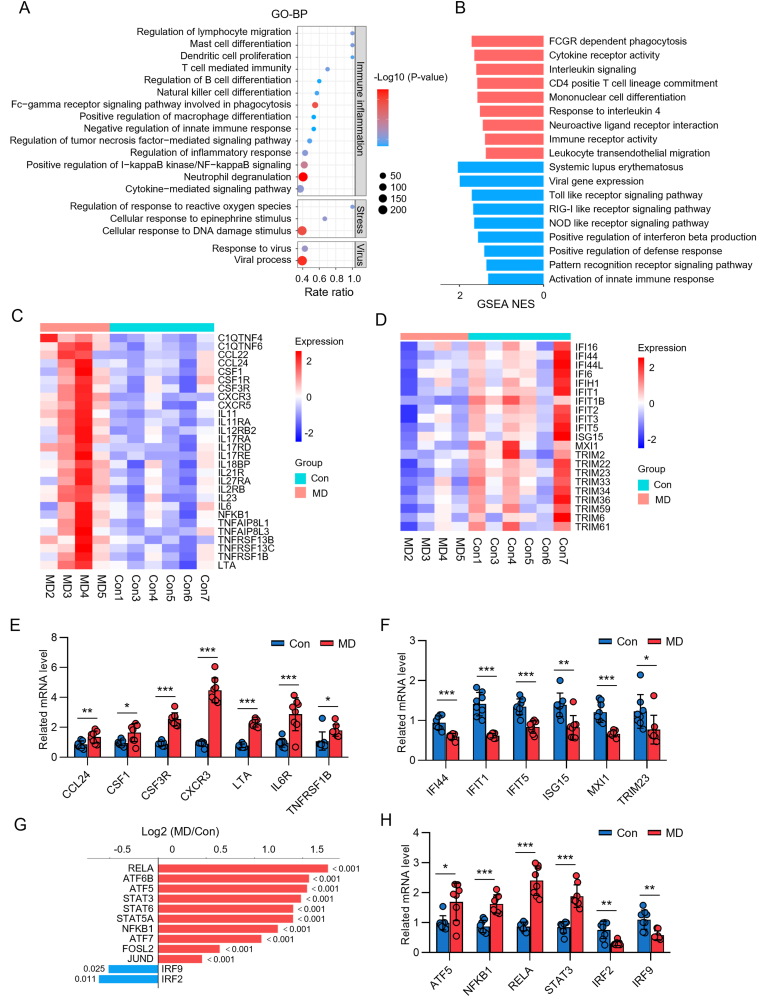 Figure 2
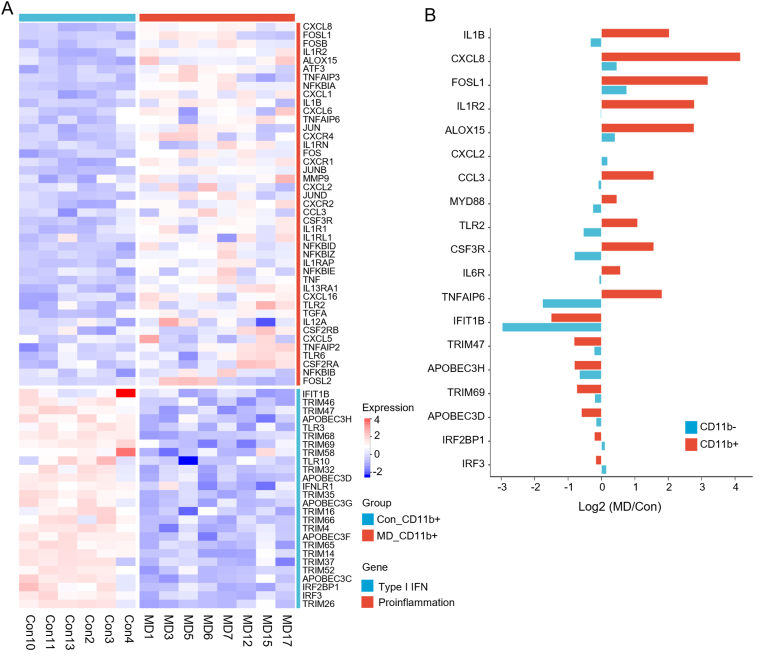 Figure 3
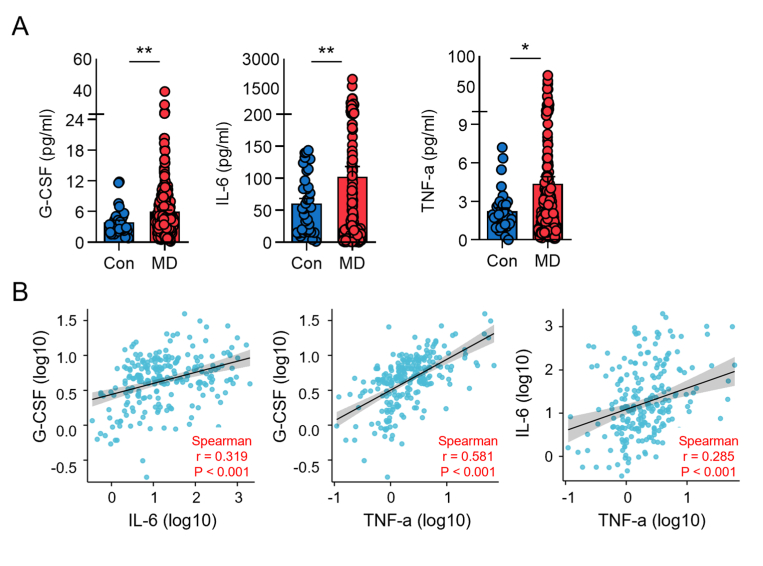 Figure 4
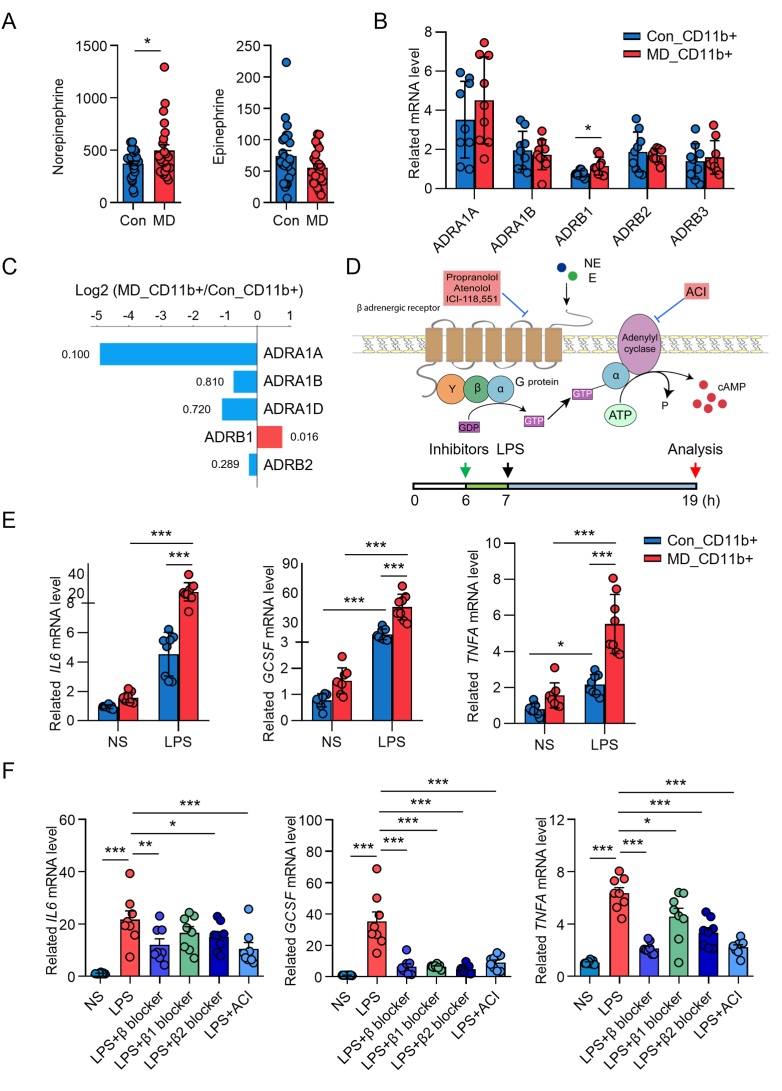 Figure 5
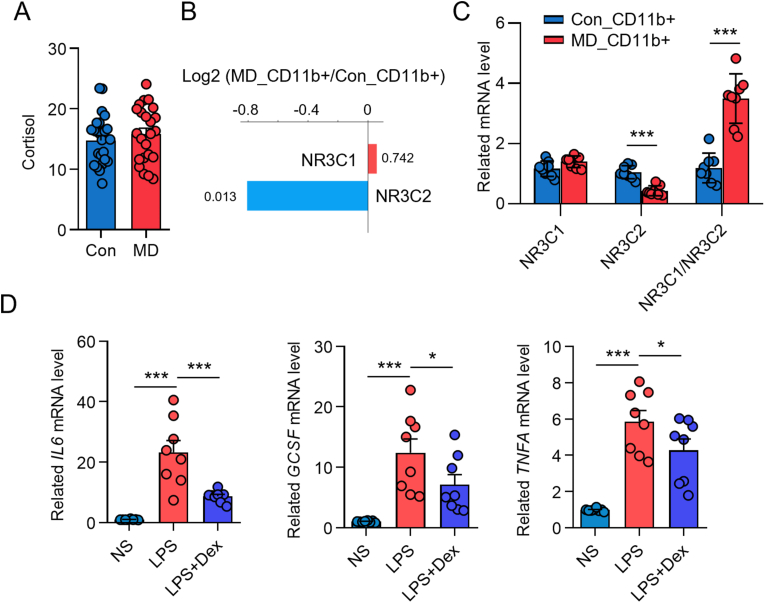 Figure 6
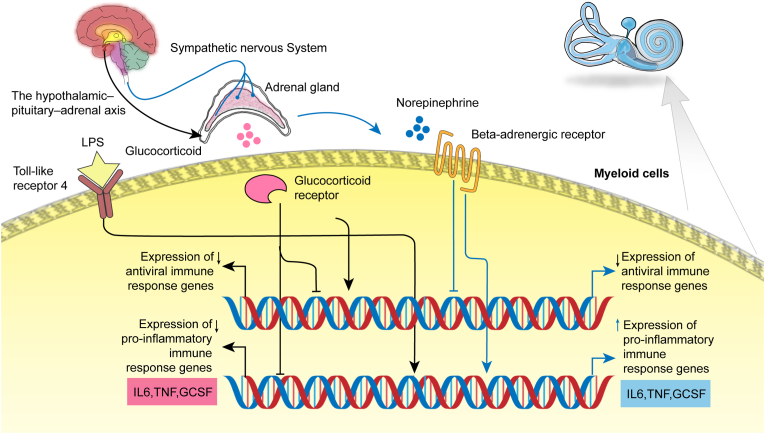 Figure 7
Peer Reviews
No public reviews on file for this paper yet. If you reviewed it on a platform where reviews are public (OpenReview, ICLR, NeurIPS, ICML), you can paste yours below so the community can read it here.
Videos
No videos yet. Explain this paper in a talk, walkthrough, or lecture? Add one.
Taxonomy
TopicsVestibular and auditory disorders · Hearing, Cochlea, Tinnitus, Genetics · Ear Surgery and Otitis Media