EEF1AKMT4-eEF1A2 synergistically facilitates the progression of GBC by promoting ribosomal protein output
Yun-cheng Li, Qiang Gao, Yong-chang Tang, Zhen-yu Shao, Jia-ming Hu, Zeng-li Liu, An-da Shi, Shao-hui Huang, Yun-fei Xu, Zong-li Zhang, Kang-shuai Li

TL;DR
This study identifies a protein pathway that promotes gallbladder cancer progression and lymph node metastasis, offering a potential new therapeutic target.
Contribution
The discovery of the EEF1AKMT4-eEF1A2 axis as a novel mechanism driving gallbladder cancer progression and metastasis.
Findings
eEF1A2 is strongly linked to lymph node metastasis and poor prognosis in gallbladder cancer patients.
Trimethylation of eEF1A2 by EEF1AKMT4 enhances tumor growth and metastasis by boosting ribosome protein synthesis.
Modulating eEF1A2 levels in cell lines and animal models significantly affects cancer cell proliferation and invasion.
Abstract
Gallbladder cancer (GBC) is prone to lymph node metastasis. Lymph node (LN) metastasis is correlated with abysmal patient prognosis, but the underlying mechanism remains elusive. In this study, transcriptome sequencing of 6 paired GBC tumors and metastatic LNs was performed and identified eEF1A2 as key genes associated with GBC LN metastasis. qPCR, Western blotting and immunohistochemistry (IHC) were performed to assess the expression of eEF1A2 and relating proteins in GBC. The function of eEF1A2 and its regulators were demonstrated in different GBC cell lines as well as in xenograft models. Two independent cohorts of GBC patients were used to reveal the clinical significance. The results revealed that eEF1A2 is tightly correlated with lymph node metastasis and poor prognosis in patients with GBC. In two GBC cell lines, eEF1A2 knockdown impaired cell proliferation, migration, and…
Genes, proteins, chemicals, diseases, species, mutations and cell lines named across the full text — each resolved to its canonical identifier and authoritative record.
Click any figure to enlarge with its caption.
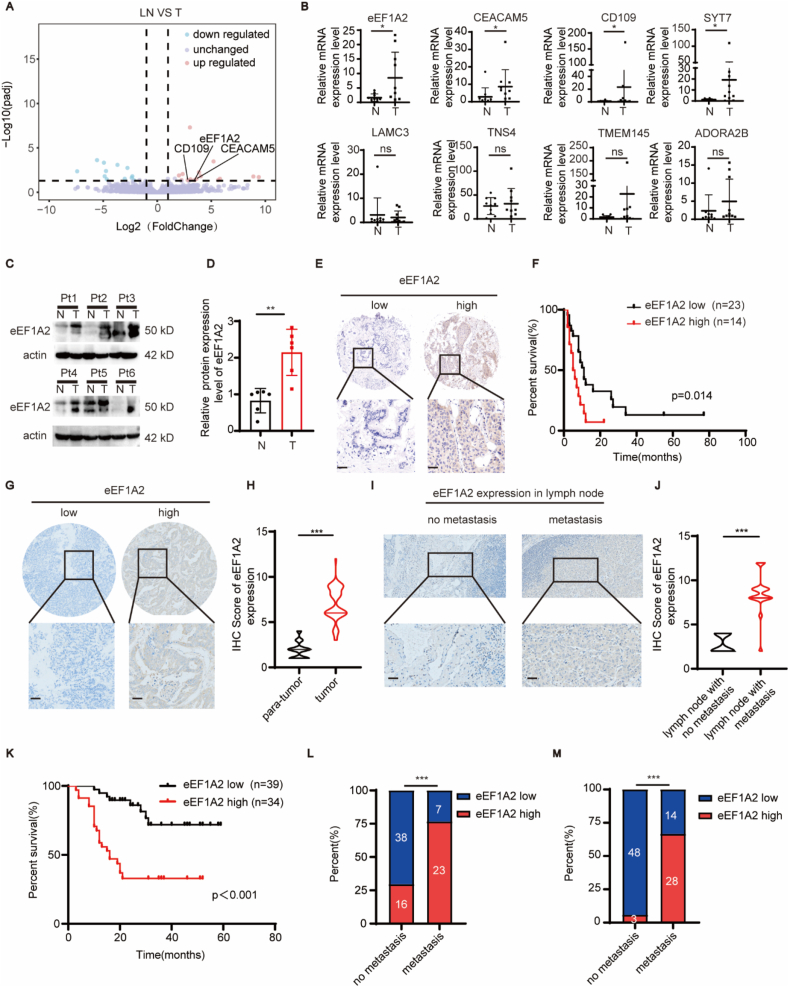 Figure 1
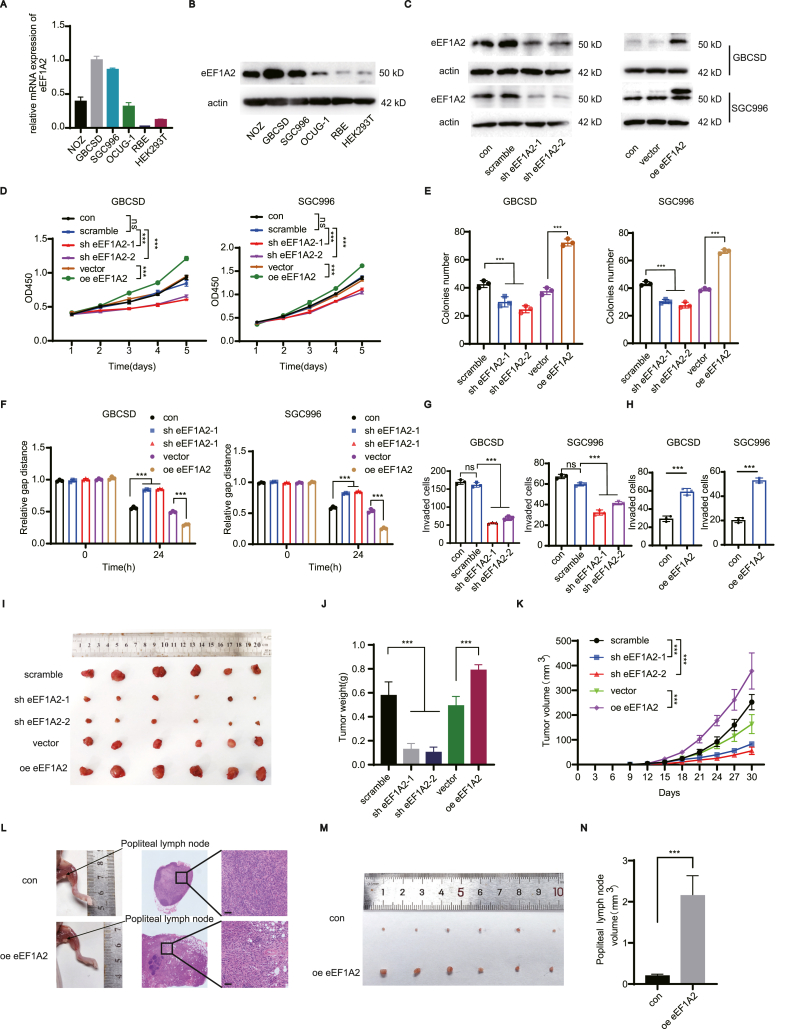 Figure 2
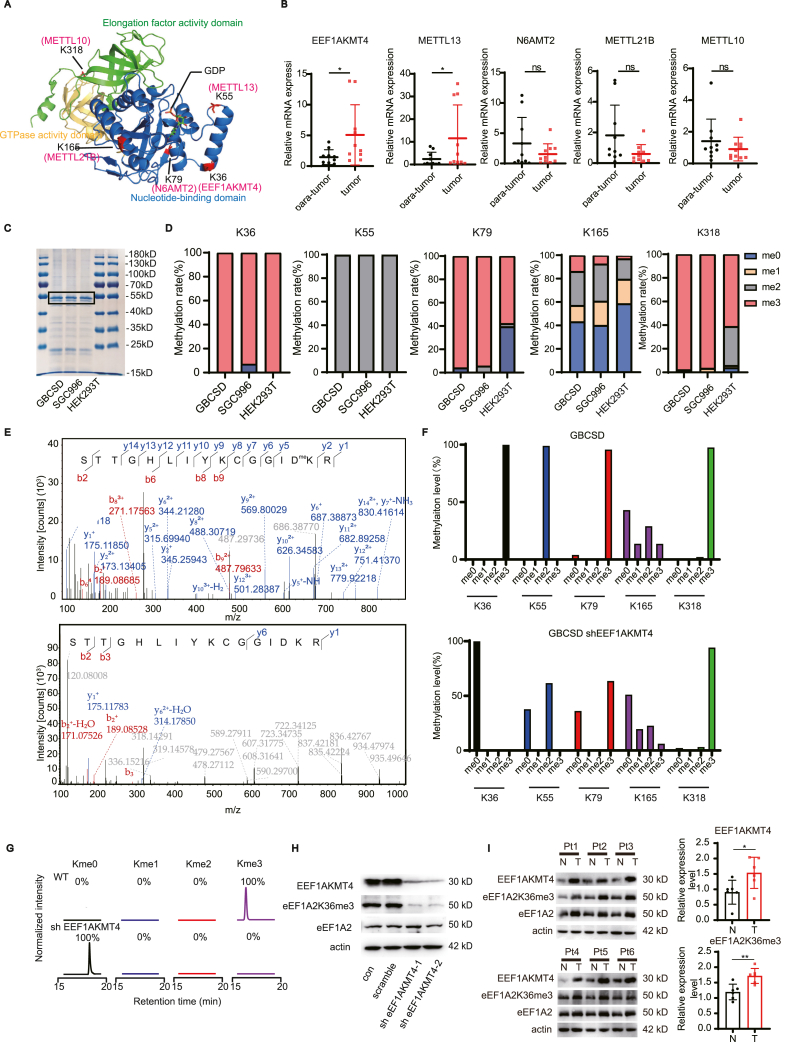 Figure 3
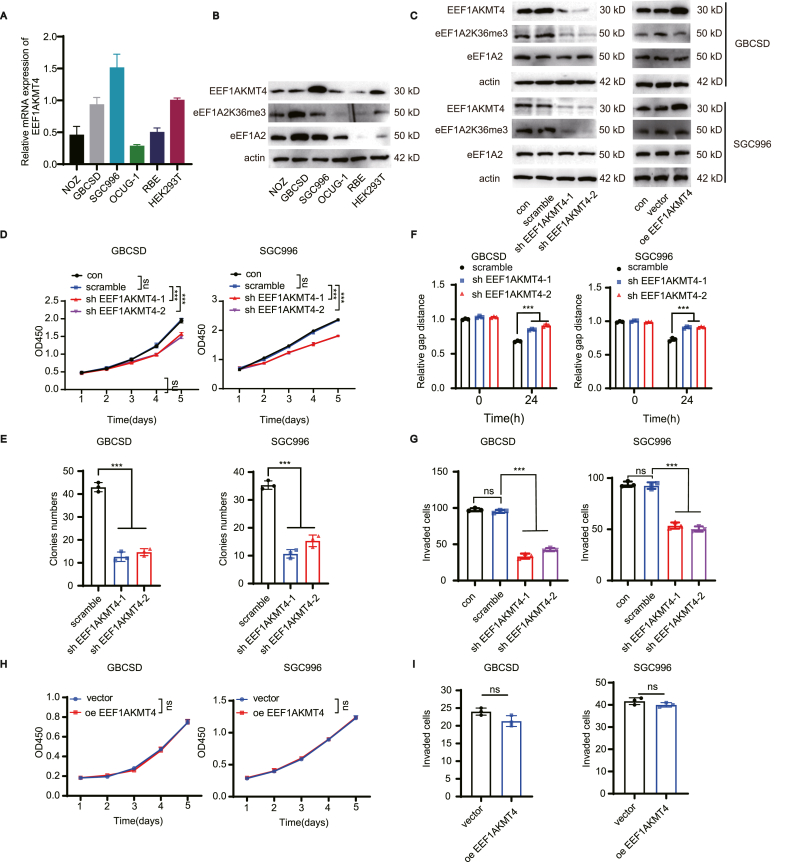 Figure 4
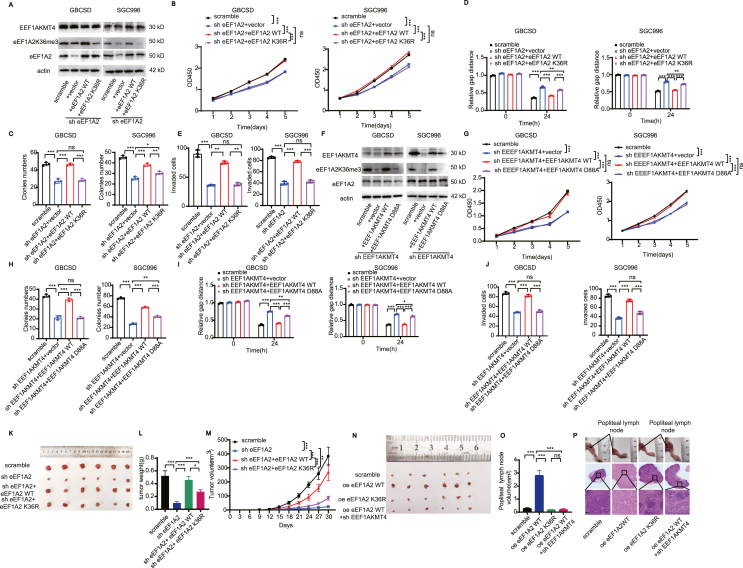 Figure 5
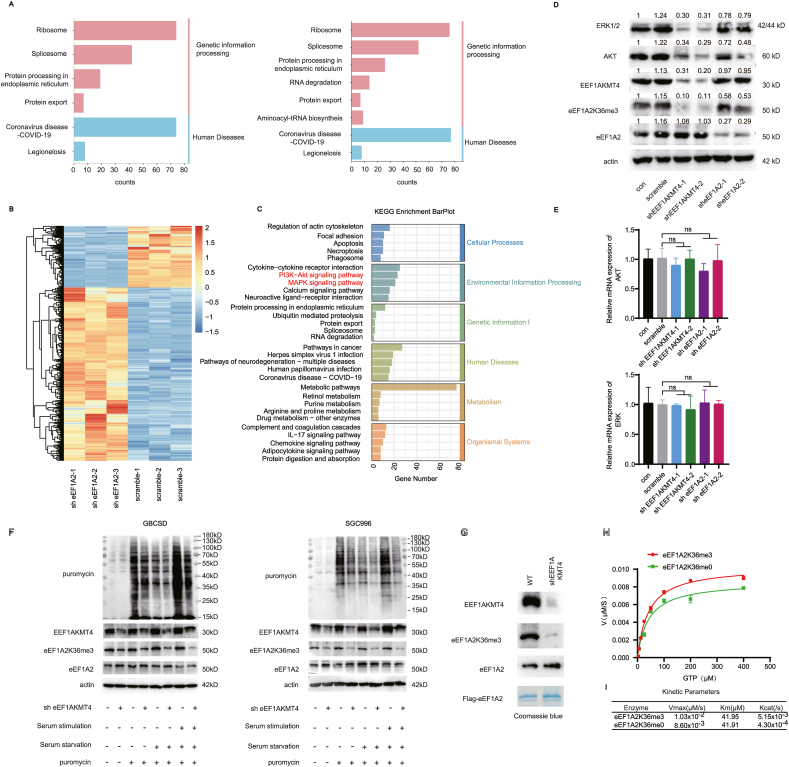 Figure 6
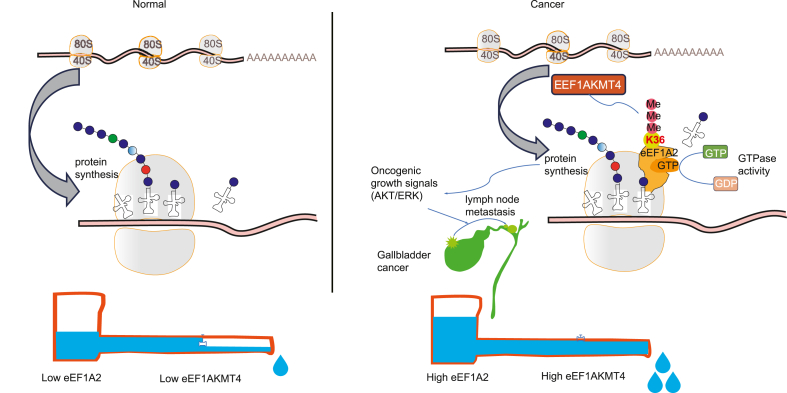 Figure 7
Peer Reviews
No public reviews on file for this paper yet. If you reviewed it on a platform where reviews are public (OpenReview, ICLR, NeurIPS, ICML), you can paste yours below so the community can read it here.
Videos
No videos yet. Explain this paper in a talk, walkthrough, or lecture? Add one.
Taxonomy
TopicsPancreatic function and diabetes · Peptidase Inhibition and Analysis · Lung Cancer Research Studies