Lignin phosphorylation to enhance mechanical and physical properties and reduce formaldehyde emissions in plywood panels
Hafida Maarir, Yassine El Khayat driaa, Hassan Charii, Abdelghani Boussetta, Mehdi Mennani, Nabil Grimi, Amine Moubarik

TL;DR
This paper explores modifying lignin to improve plywood adhesives, reducing formaldehyde emissions while maintaining mechanical strength.
Contribution
The study introduces phosphorylated alkali lignin as a novel modifier for phenol formaldehyde adhesives in wood composites.
Findings
Phosphorylated lignin significantly reduced formaldehyde emissions in plywood panels.
Modified lignin maintained high mechanical properties like modulus of rupture and elasticity.
Phosphorylation improved adhesion and thermal stability of the adhesive.
Abstract
Lignin is gaining more attention for its potential use in adhesives for wood-based composites owing to its accessibility, molecular structure, barrier properties, and potential for chemical modification. In order to assess the physical, thermal, and mechanical performances of alkaline lignin (AL) and its ability to reduce formaldehyde emissions in synthetic phenol formaldehyde (PF) adhesives used to glue plywood panels, AL was surface-modified by a phosphorylation treatment to produce phosphorylated alkali lignin. In this study, lignin was isolated from alkali-treated powdered argan shells and subsequently phosphorylated to obtain phosphorylated lignin (P-AL). The isolated lignin was characterized by two-dimensional (2D-1H and 13C NMR) heteronuclear single quantum coherence (HSQC) spectra to confirm its successful isolation from argan shells. Both AL and P-AL were then subjected to a…
Genes, proteins, chemicals, diseases, species, mutations and cell lines named across the full text — each resolved to its canonical identifier and authoritative record.
Click any figure to enlarge with its caption.
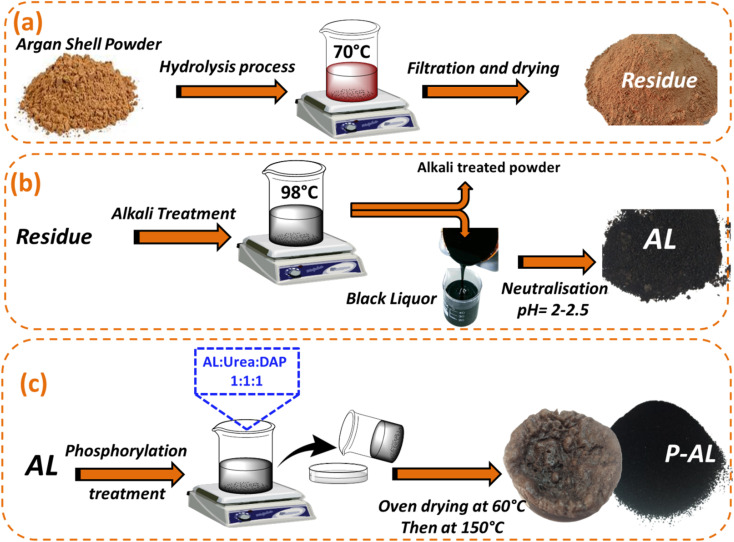 Figure 1
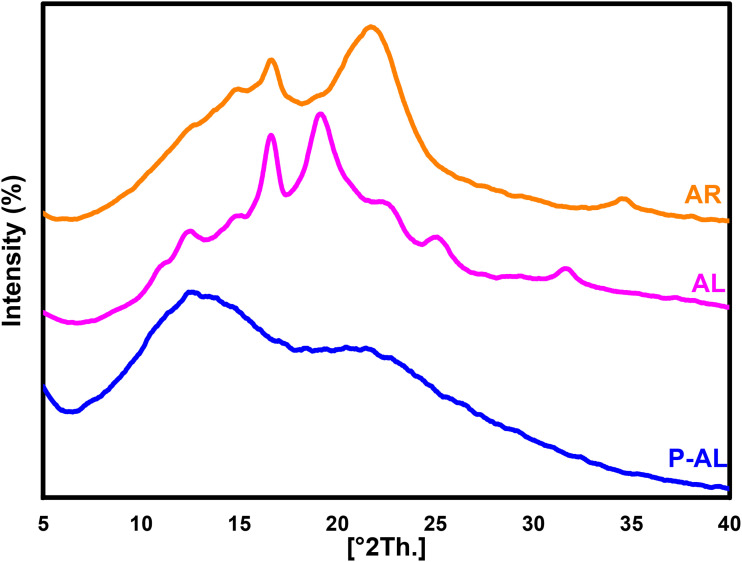 Figure 2
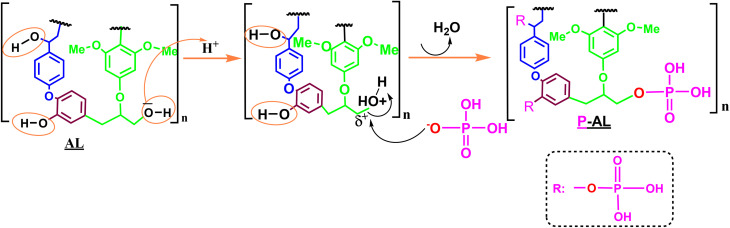 Figure 3
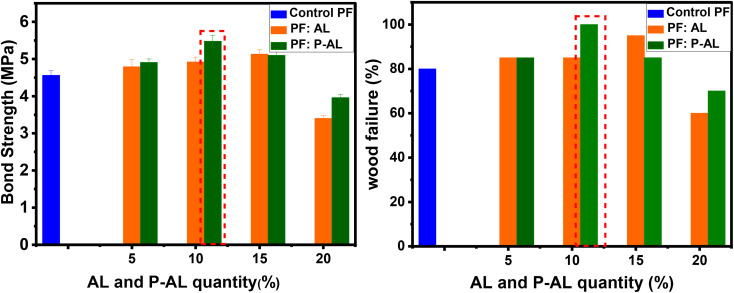 Figure 4
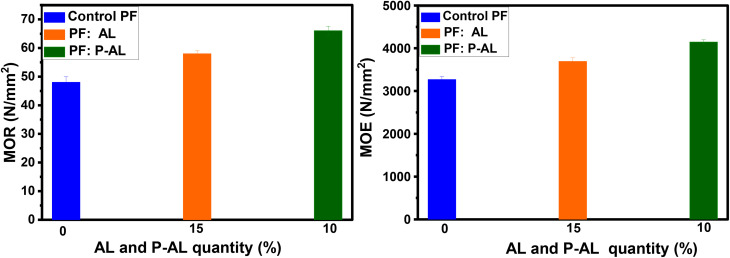 Figure 5
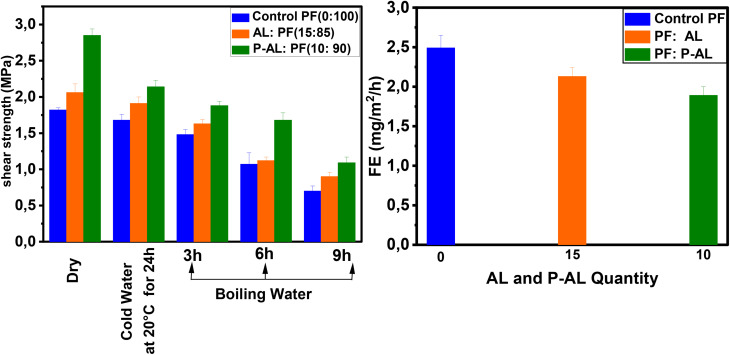 Figure 6
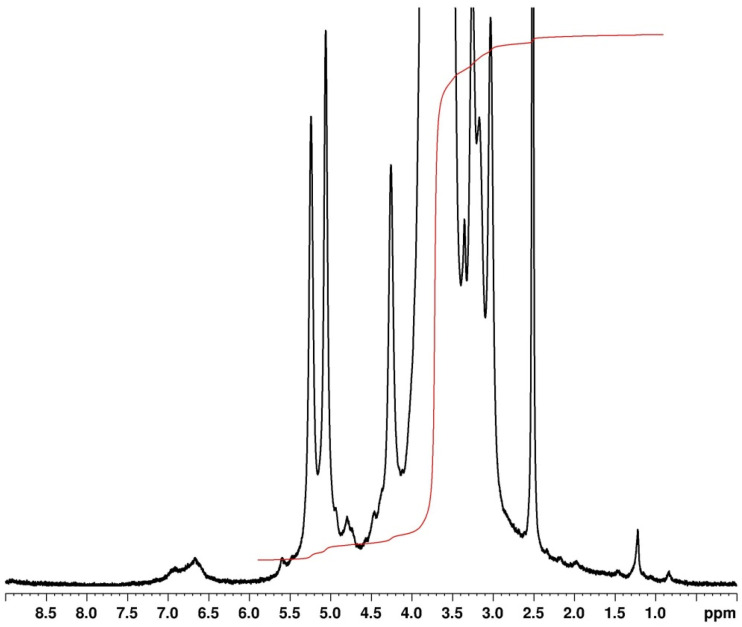 Figure 7
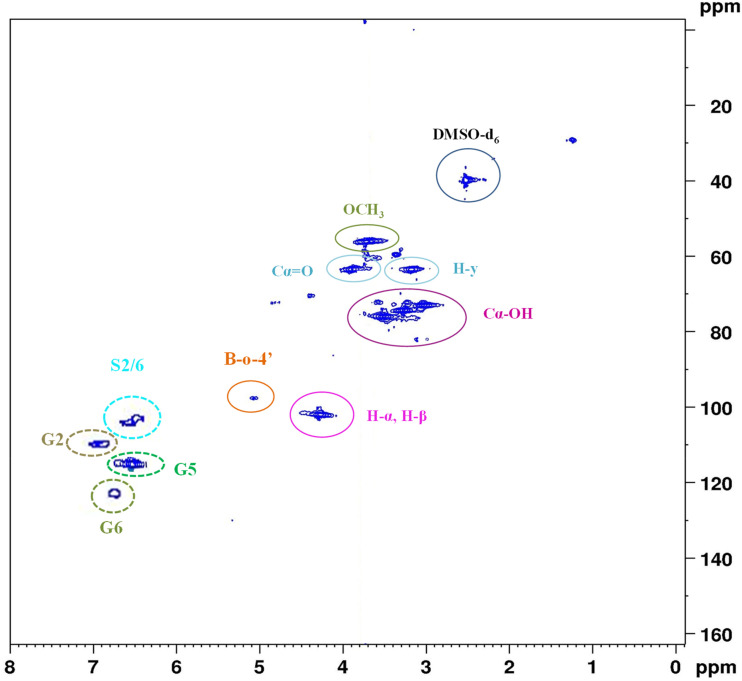 Figure 8
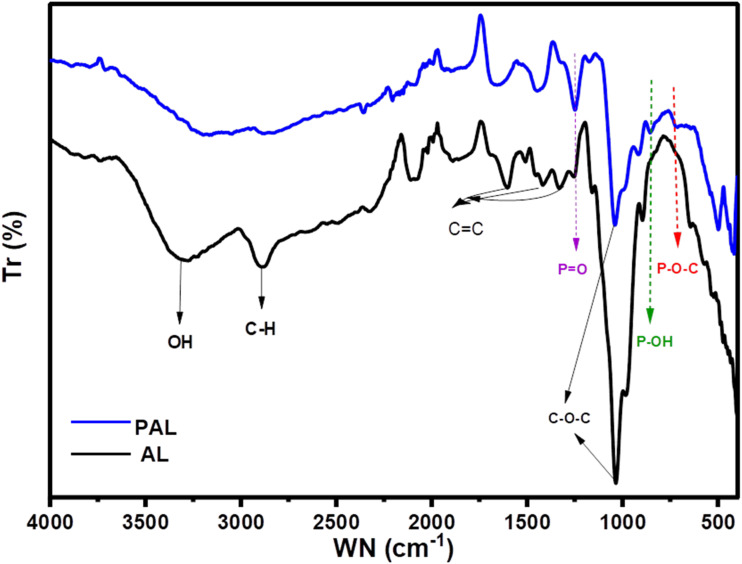 Figure 9
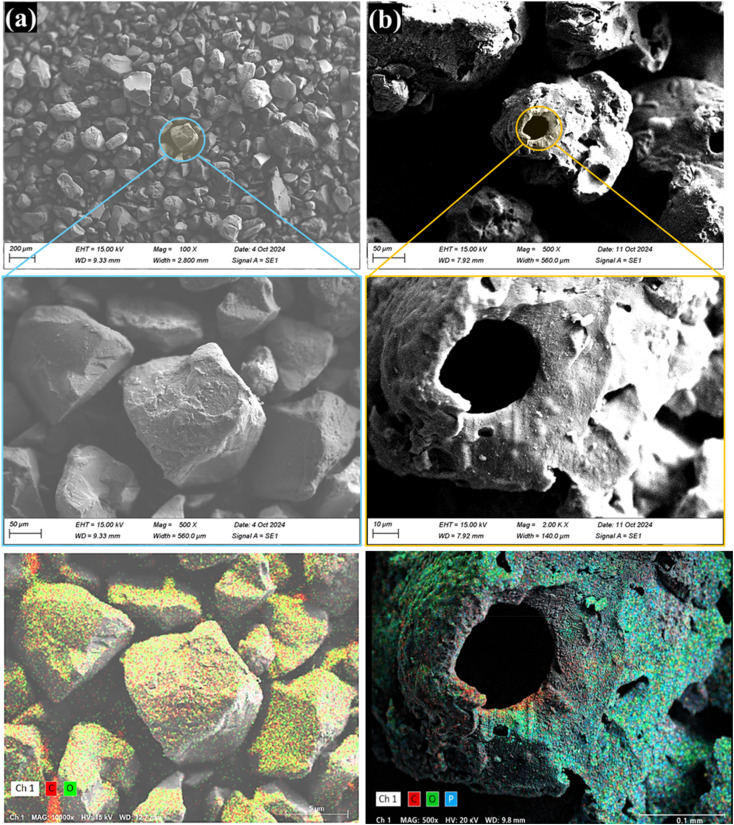 Figure 10
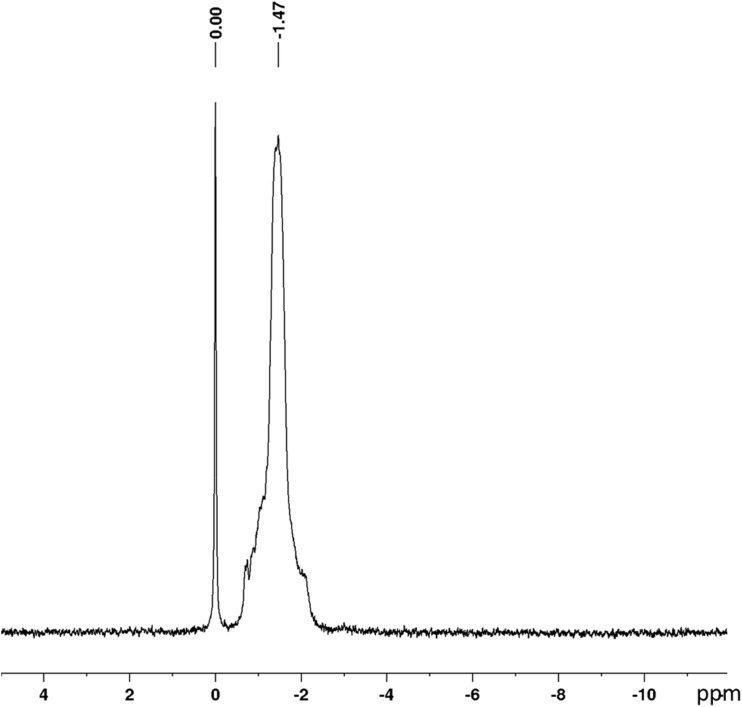 Figure 11
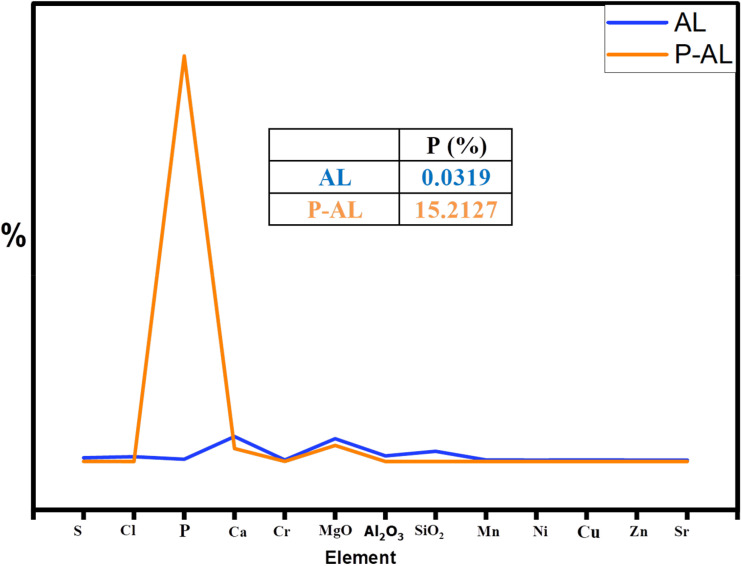 Figure 12
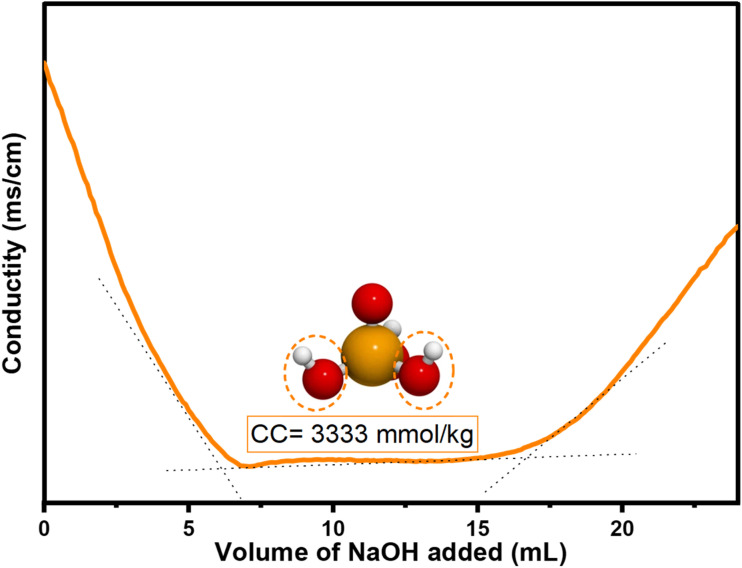 Figure 13
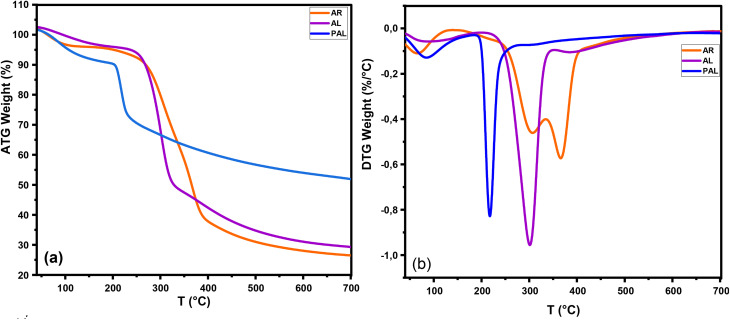 Figure 14
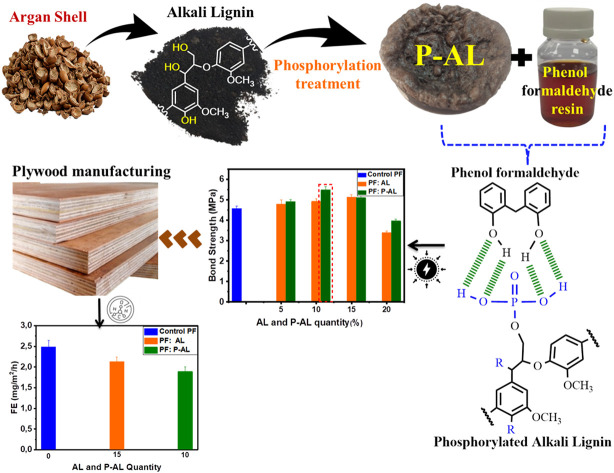 Figure 15
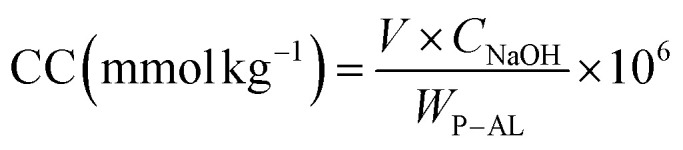 Figure 16
Peer Reviews
No public reviews on file for this paper yet. If you reviewed it on a platform where reviews are public (OpenReview, ICLR, NeurIPS, ICML), you can paste yours below so the community can read it here.
Videos
No videos yet. Explain this paper in a talk, walkthrough, or lecture? Add one.
Taxonomy
TopicsLignin and Wood Chemistry · Advanced Cellulose Research Studies · Wood Treatment and Properties