Physics-informed optimization of saturation-transfer MRI protocols using non-differentiable Bloch models
Beomgu Kang, Munendra Singh, Hyunseok Seo, HyunWook Park, Hye-Young Heo

TL;DR
This paper introduces a physics-informed optimization framework for improving the accuracy and efficiency of saturation-transfer MRI protocols.
Contribution
A novel learning-based optimization framework using a deep Bloch equation simulator to enable rapid and accurate MRI quantification.
Findings
The optimal ST-MRF schedule outperformed other acquisition schedules in quantification accuracy.
The proposed method generated accurate multi-tissue parameter maps within a clinically acceptable time.
Motion artifacts and noise were effectively suppressed using self-supervised learning techniques.
Abstract
Saturation transfer MR fingerprinting (ST-MRF) is a quantitative molecular MRI method that simultaneously estimates parameters of free water, solute, and semisolid macromolecule protons. The accuracy of these quantification is highly dependent on the choice of acquisition parameters, and thus, the optimization of the data acquisition schedule is crucial to improve acquisition efficiency and quantification accuracy. Herein, we developed a learning-based optimization framework for ST-MRF, incorporating a deep Bloch equation simulator as a surrogate model for the forward Bloch equation solver to enable rapid simulations. Notably, the deep Bloch equation simulator overcomes the non-differentiability of the original model by enabling gradient computation during backpropagation within the physics-informed optimization framework, thereby allowing iterative updates of the acquisition schedule…
Genes, proteins, chemicals, diseases, species, mutations and cell lines named across the full text — each resolved to its canonical identifier and authoritative record.
Click any figure to enlarge with its caption.
 Figure 1
 Figure 2
 Figure 3
 Figure 4
 Figure 5
 Figure 6
 Figure 7
 Figure 8
 Figure 9
 Figure 10
 Figure 11
 Figure 12
 Figure 13
 Figure 14
 Figure 15
 Figure 16
 Figure 17
 Figure 18
 Figure 19
 Figure 20
 Figure 21
 Figure 22
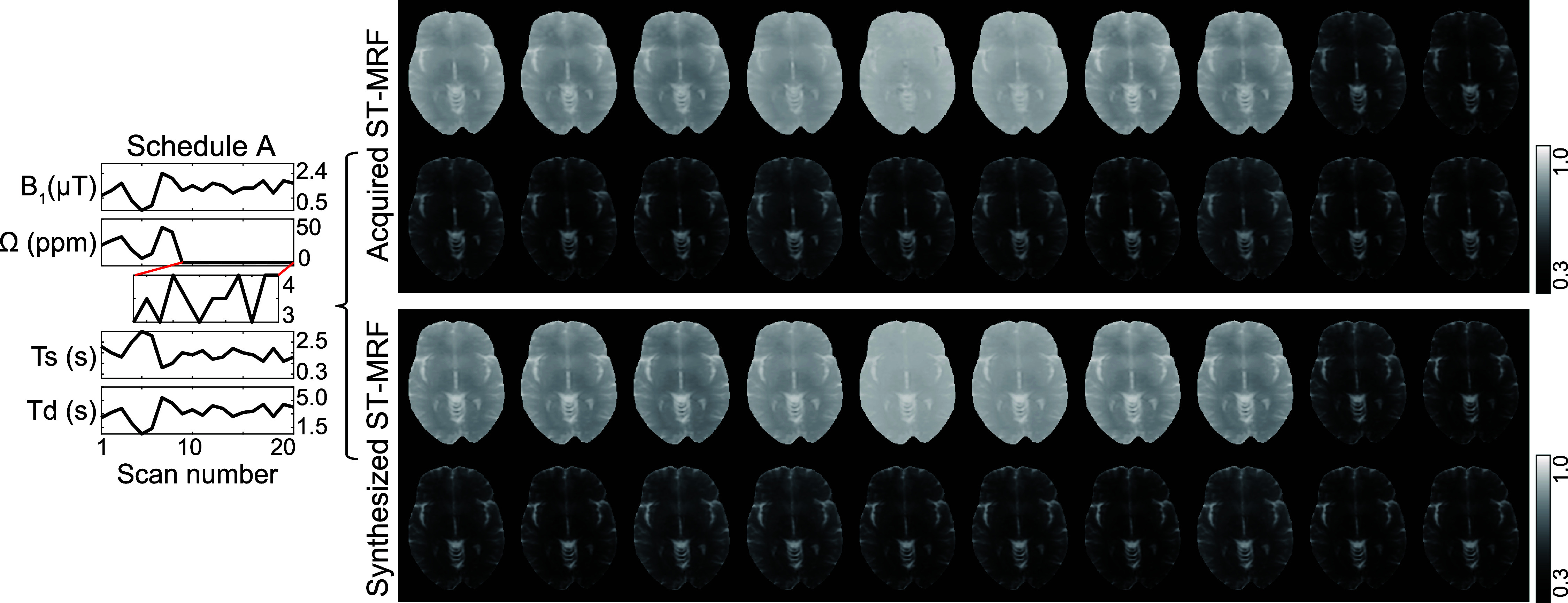 Figure 23
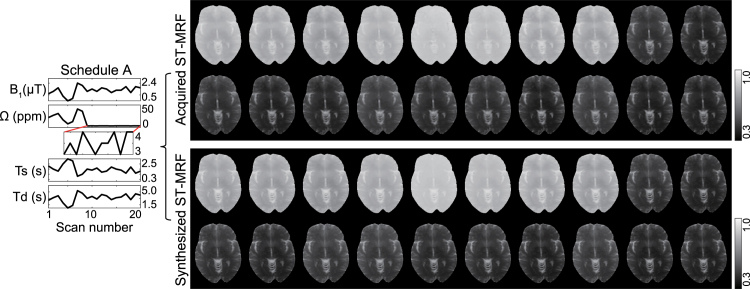 Figure 24
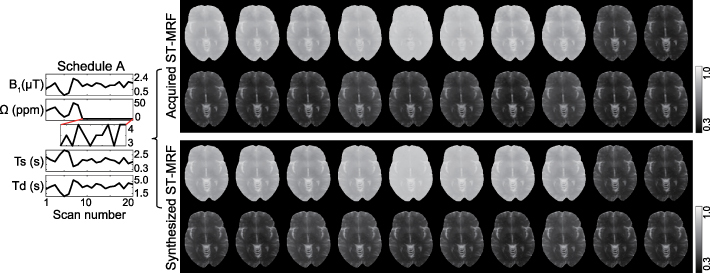 Figure 25
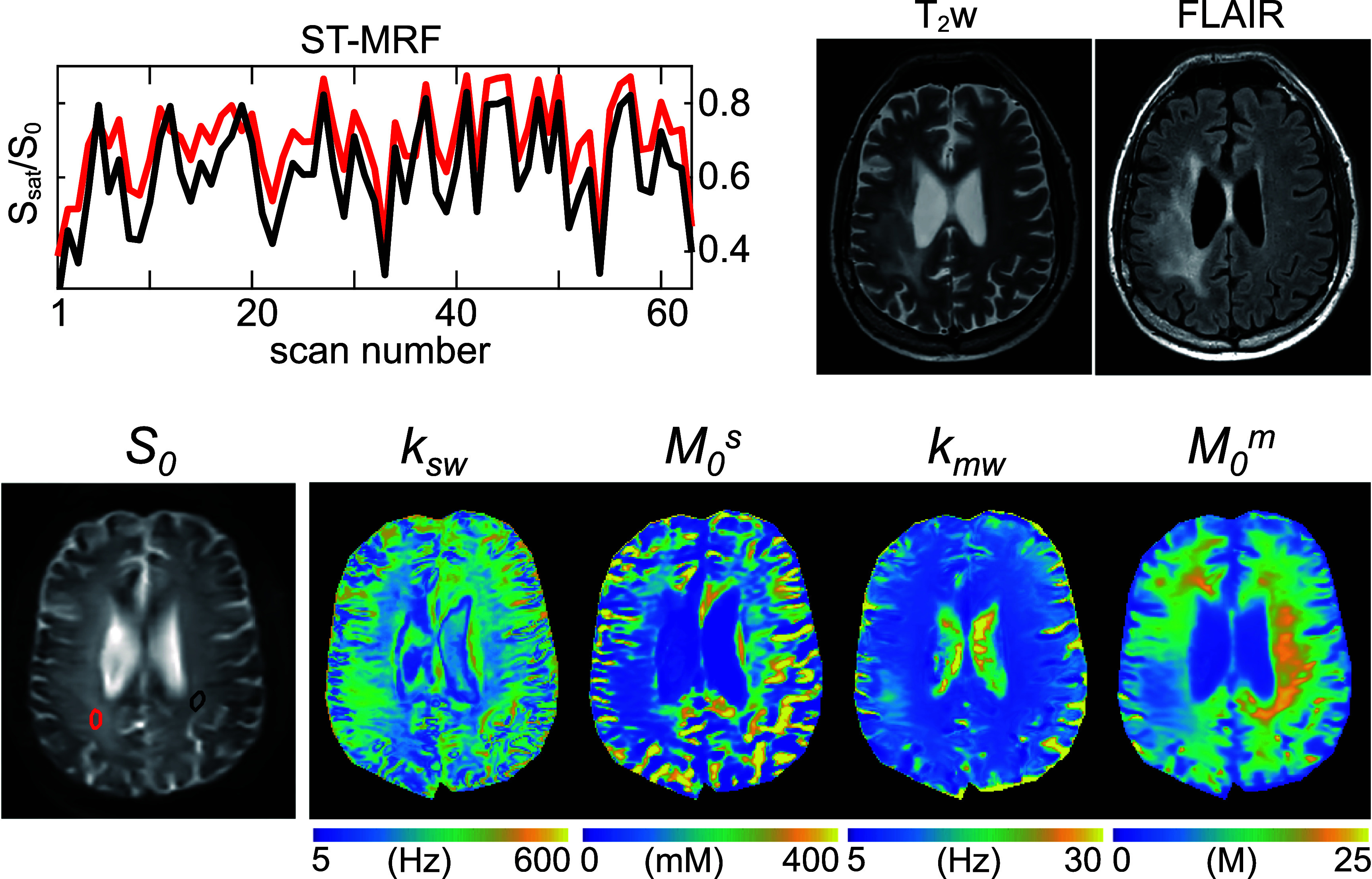 Figure 26
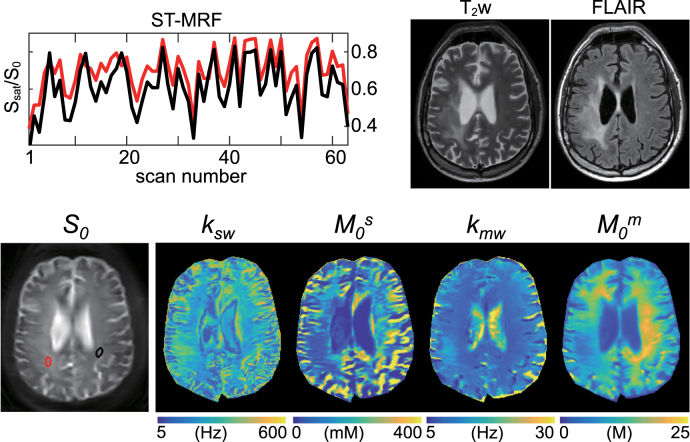 Figure 27
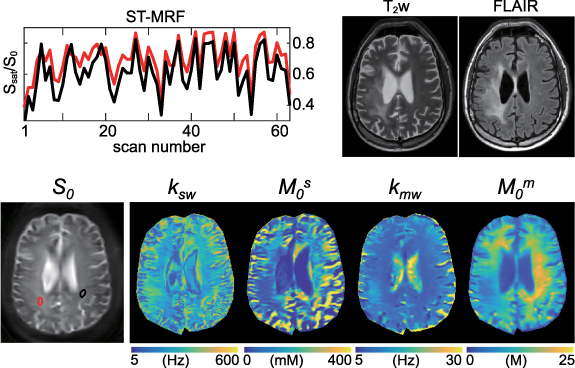 Figure 28
 Figure 29
 Figure 30
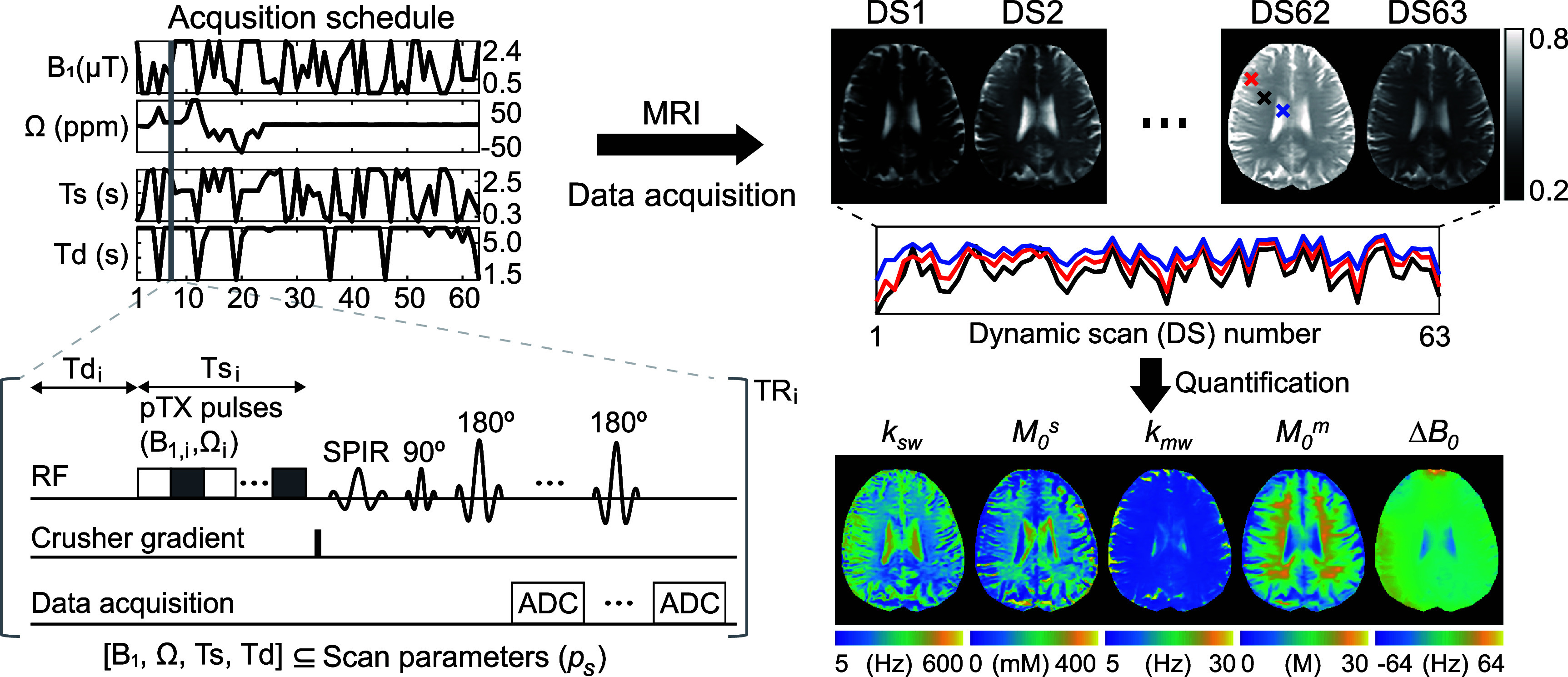 Figure 31
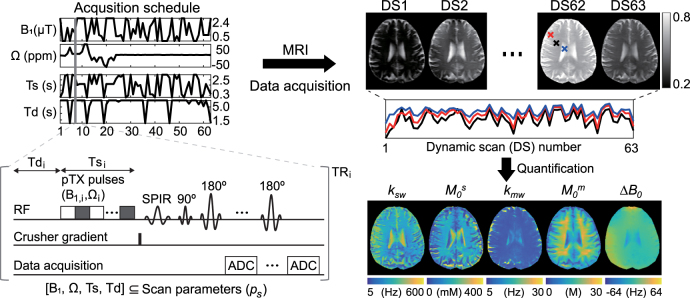 Figure 32
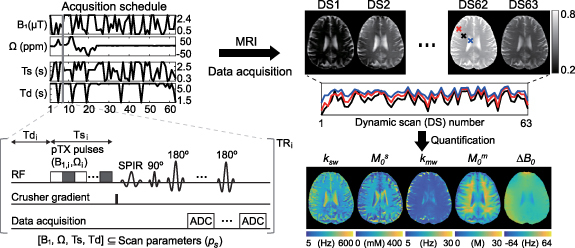 Figure 33
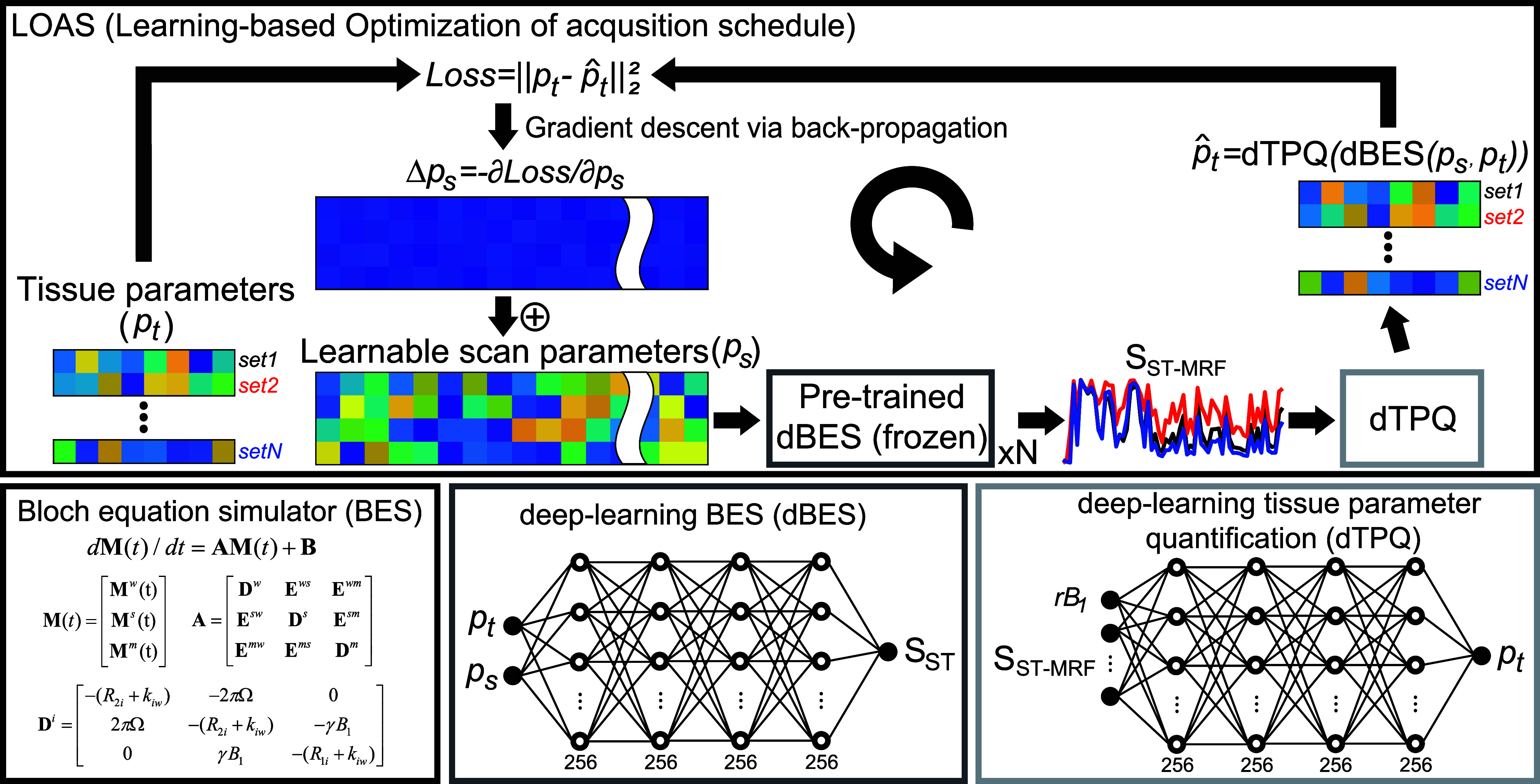 Figure 34
 Figure 35
 Figure 36
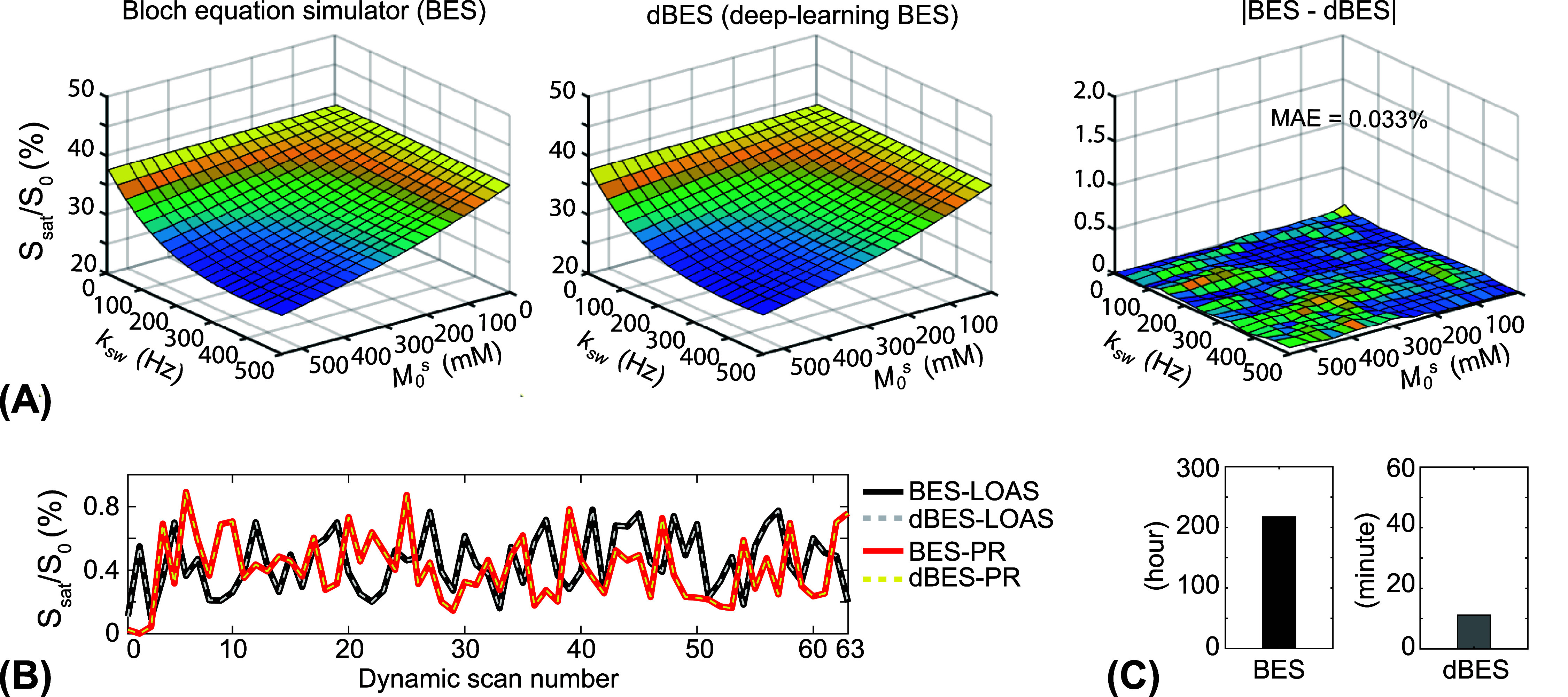 Figure 37
 Figure 38
 Figure 39
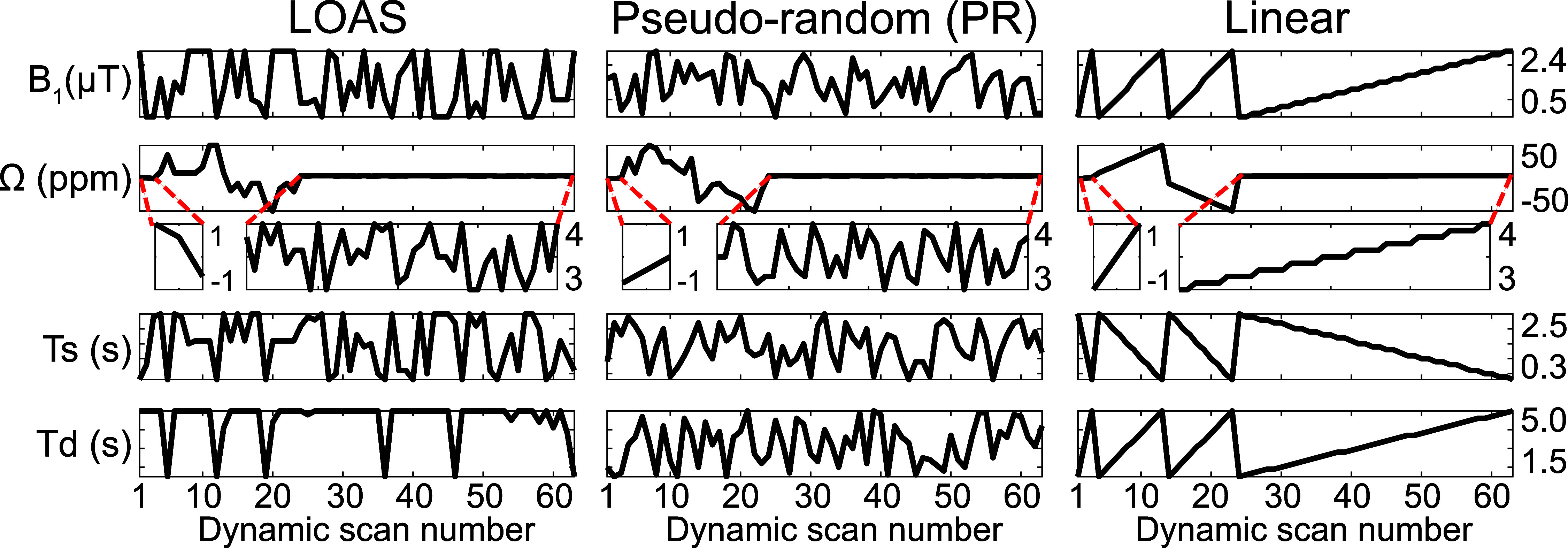 Figure 40
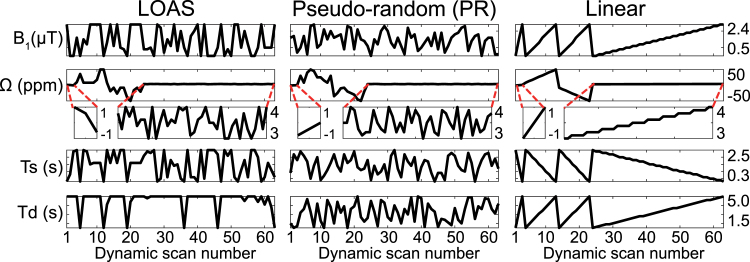 Figure 41
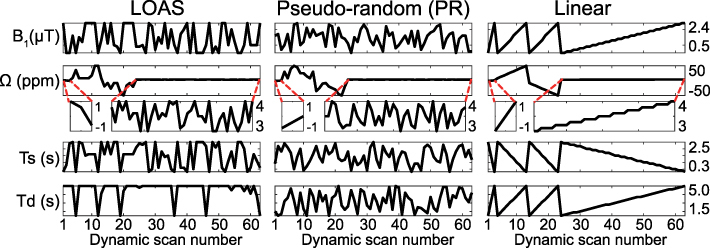 Figure 42
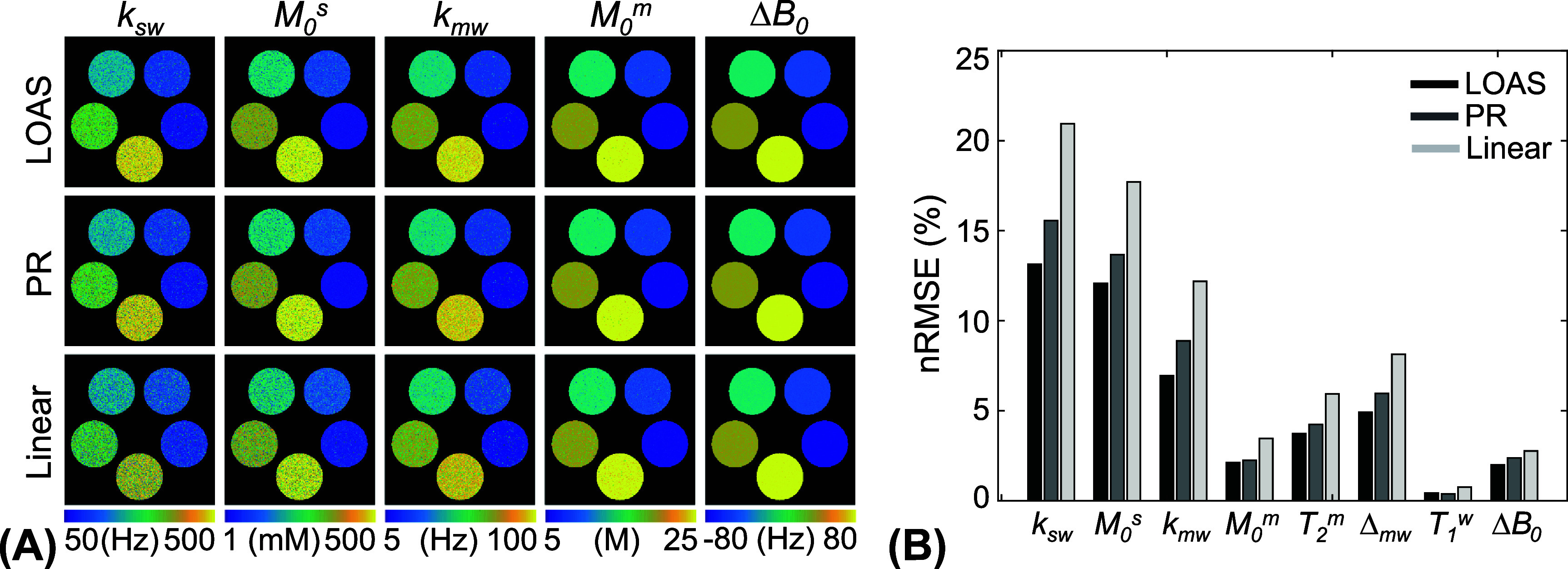 Figure 43
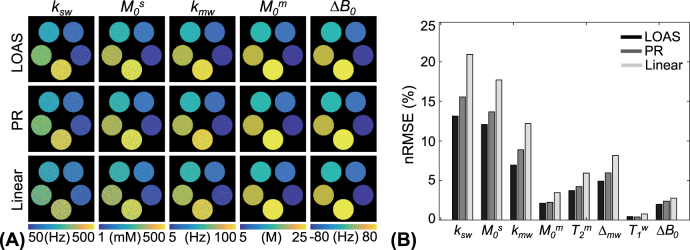 Figure 44
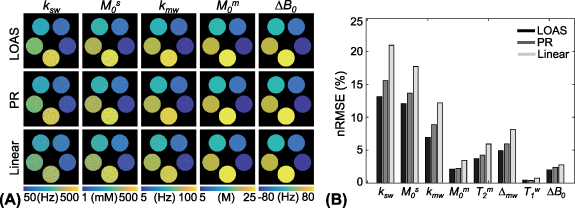 Figure 45
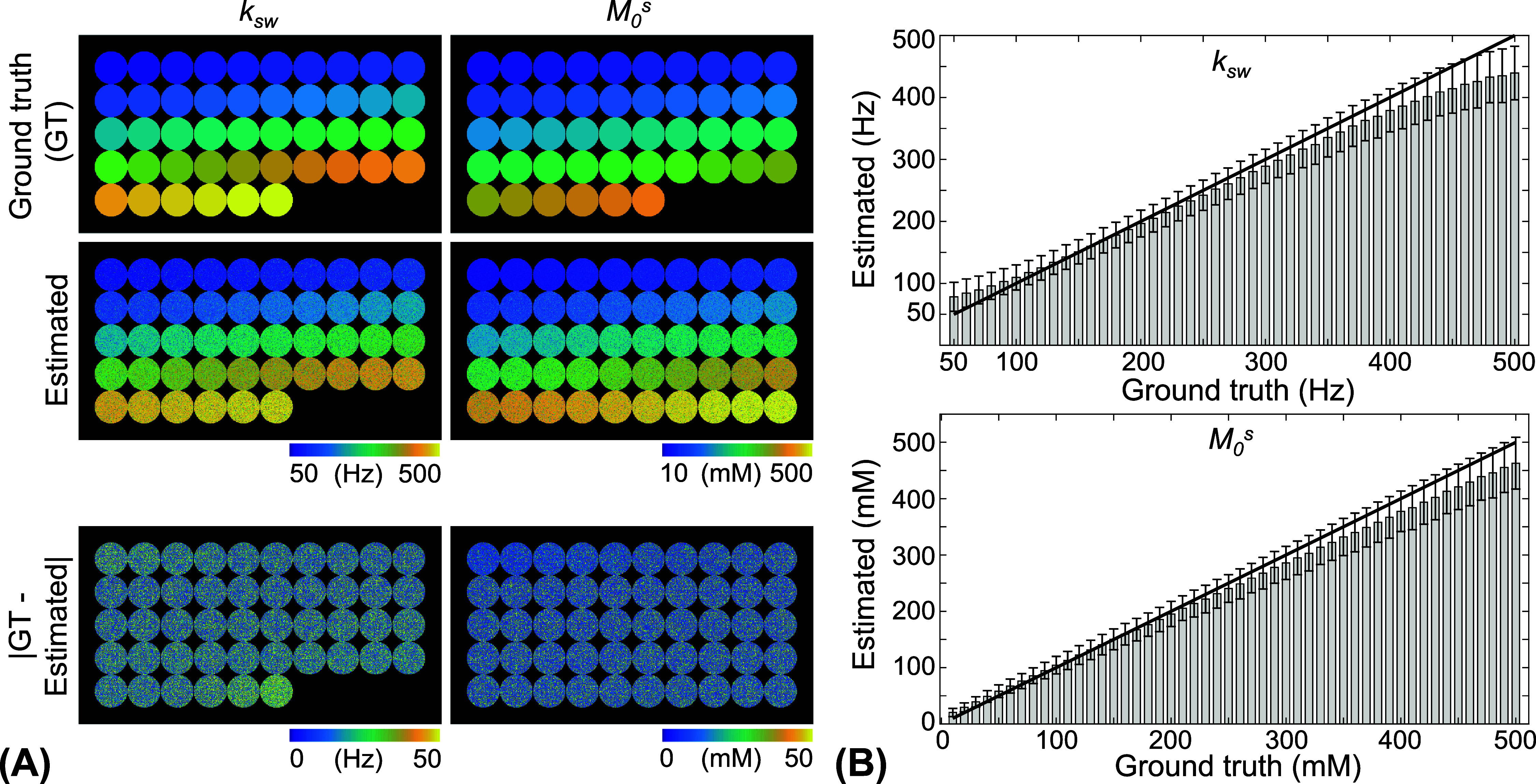 Figure 46
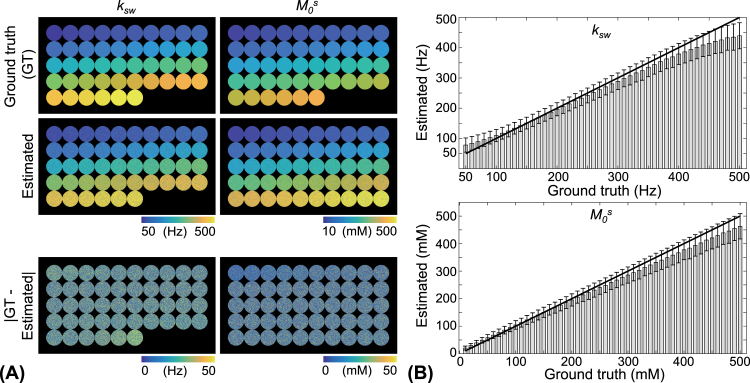 Figure 47
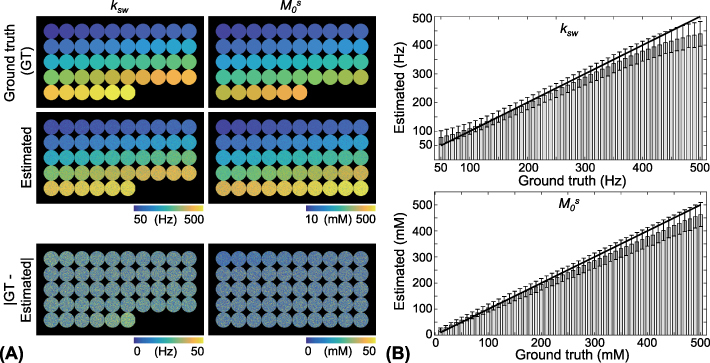 Figure 48
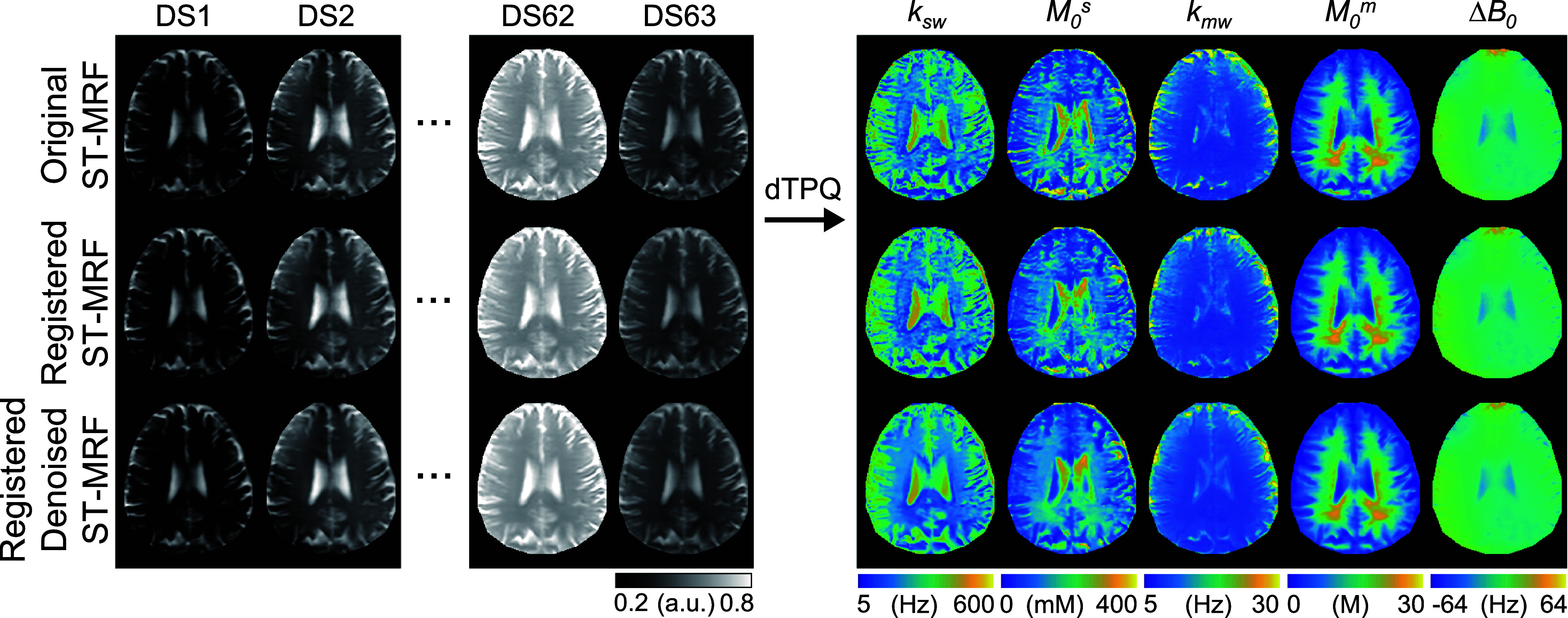 Figure 49
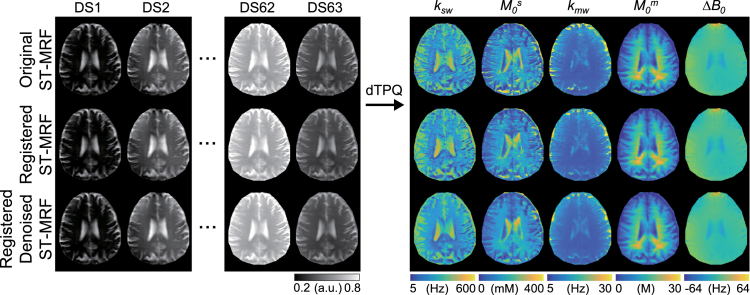 Figure 50
Peer Reviews
No public reviews on file for this paper yet. If you reviewed it on a platform where reviews are public (OpenReview, ICLR, NeurIPS, ICML), you can paste yours below so the community can read it here.
Videos
No videos yet. Explain this paper in a talk, walkthrough, or lecture? Add one.
Taxonomy
TopicsLanthanide and Transition Metal Complexes · Advanced MRI Techniques and Applications · Electron Spin Resonance Studies