Evaluation of Ginsenosides and Their Derivatives From Panax ginseng as Aromatase Inhibitors for Breast Cancer Treatment—An in silico study
Jayasri Gokila Madhan, Surya Sekaran, Rajeswari Nambirajan Akshaya, Khavyanjali Venkatesan, Kavin Kirupanandasamy, Kiruthika Vijayakumar, Nancy Jenifer, Benedict Christopher Paul

TL;DR
This in silico study explores ginsenosides from Panax ginseng as potential aromatase inhibitors for breast cancer treatment.
Contribution
The study identifies protopanaxadiol as a promising aromatase inhibitor candidate through computational analysis.
Findings
Protopanaxadiol showed the highest binding affinity to aromatase with a Ki value of 46.77 nM.
Molecular dynamics simulations confirmed the stability of the protopanaxadiol-aromatase complex.
Most ginsenosides met drug-likeness criteria, though some derivatives may affect bioavailability.
Abstract
Breast cancer, particularly estrogen receptor‐positive subtypes, is a leading cause of cancer‐related mortality worldwide. Aromatase inhibitors, which target estrogen biosynthesis, are a cornerstone of therapeutic intervention. Panax ginseng, a widely recognized medicinal herb, contains bioactive compounds known as ginsenosides, which possess various pharmacological activities, including anticancer properties. This study is aimed at evaluating the potential of ginsenosides and their derivatives from Panax ginseng as aromatase inhibitors for breast cancer treatment through in silico methods. Molecular docking studies were conducted to investigate the binding affinities of ginsenosides to aromatase, a critical enzyme in estrogen biosynthesis. The results indicated that several ginsenosides exhibited strong binding affinities, with Protopanaxadiol demonstrating the highest affinity (−10.0…
Genes, proteins, chemicals, diseases, species, mutations and cell lines named across the full text — each resolved to its canonical identifier and authoritative record.
Click any figure to enlarge with its caption.
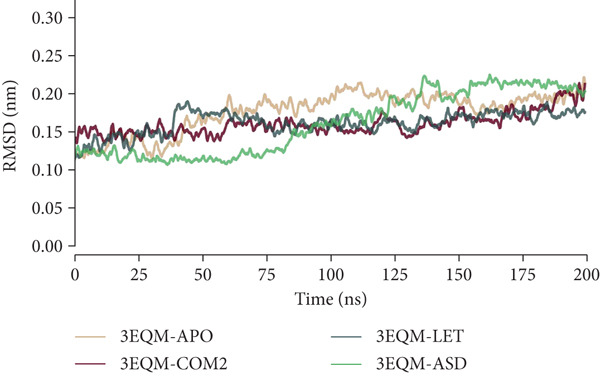 Figure 1
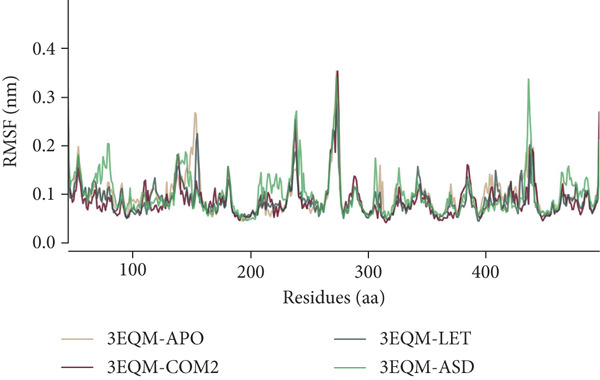 Figure 2
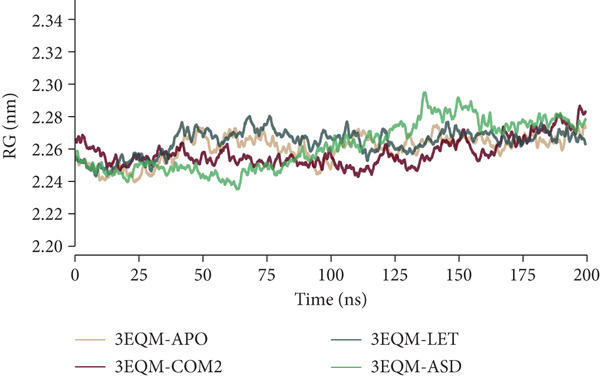 Figure 3
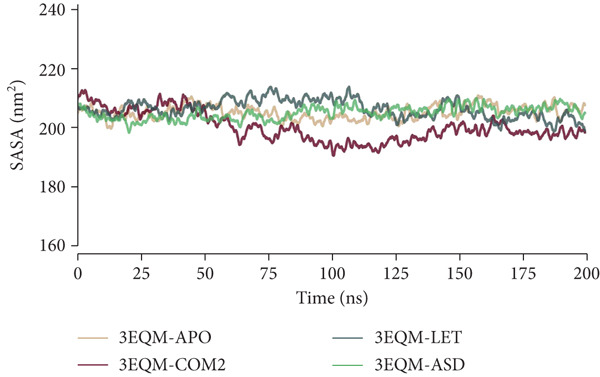 Figure 4
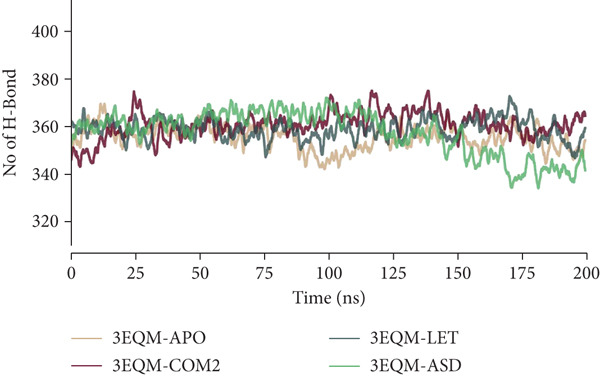 Figure 5
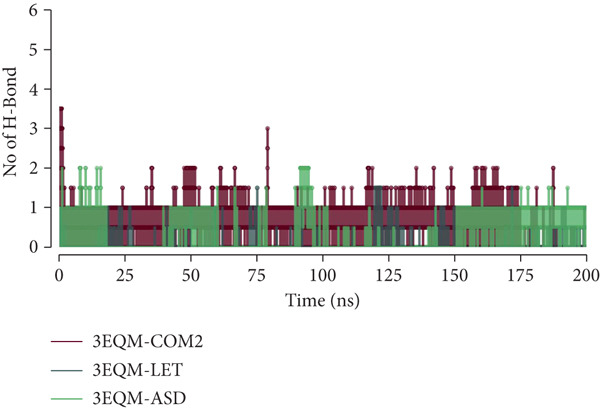 Figure 6
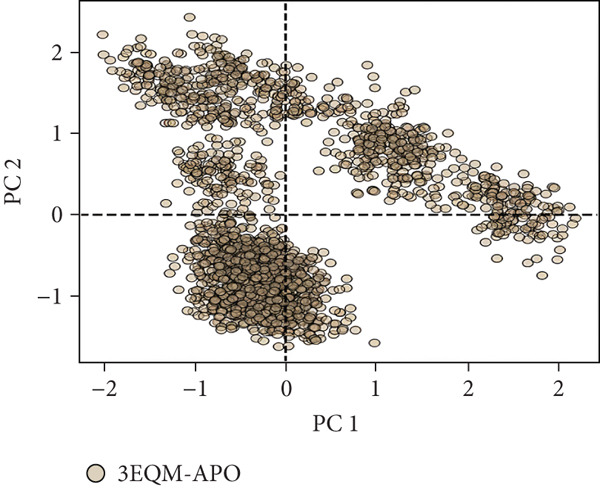 Figure 7
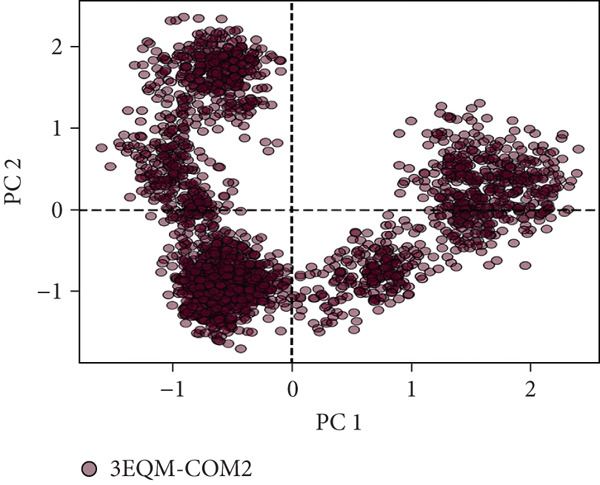 Figure 8
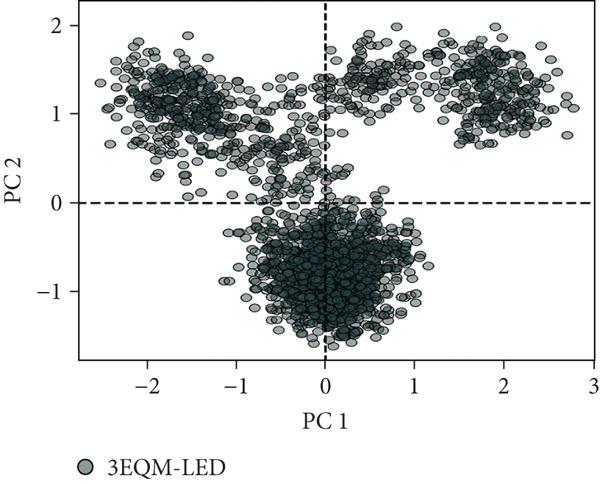 Figure 9
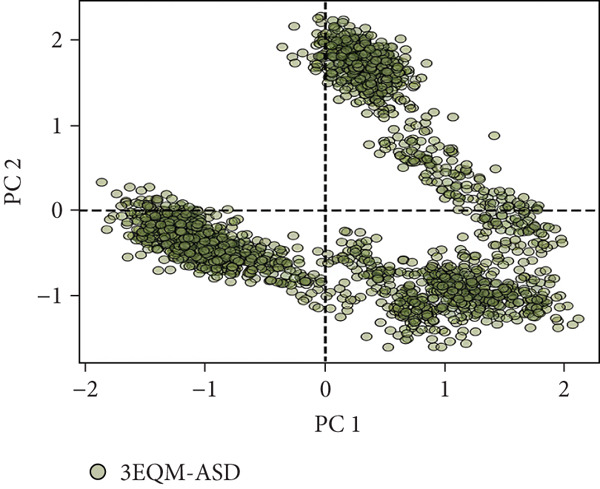 Figure 10
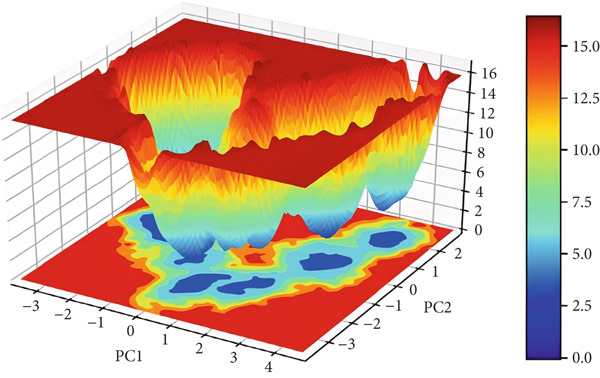 Figure 11
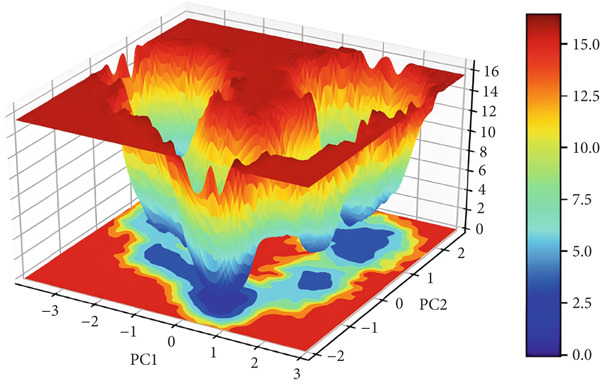 Figure 12
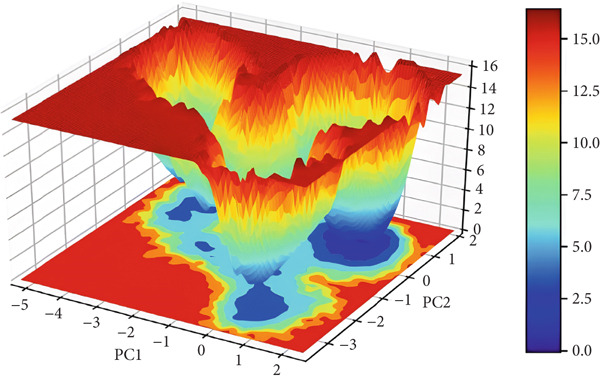 Figure 13
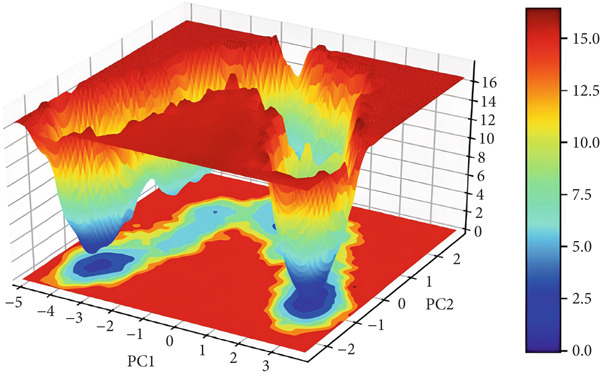 Figure 14
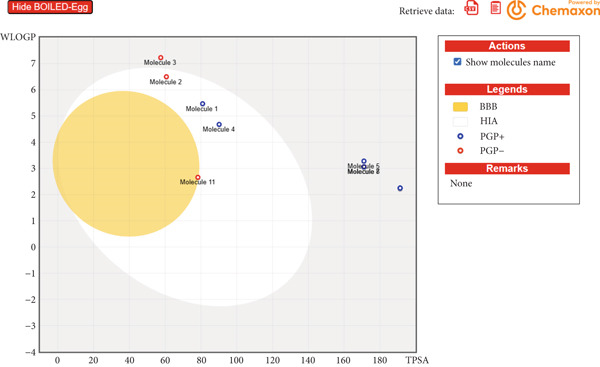 Figure 15
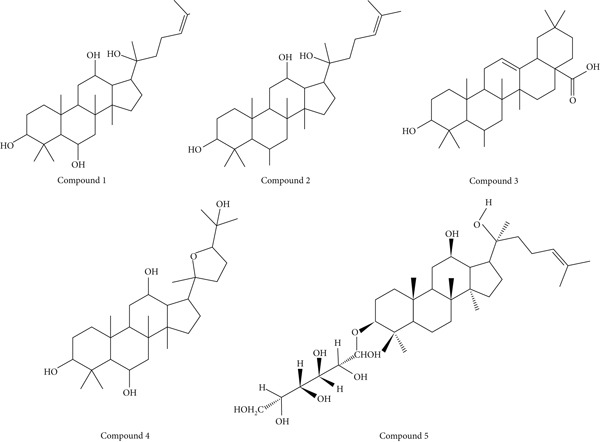 Figure 16
 Figure 17
 Figure 18
 Figure 19
Peer Reviews
No public reviews on file for this paper yet. If you reviewed it on a platform where reviews are public (OpenReview, ICLR, NeurIPS, ICML), you can paste yours below so the community can read it here.
Videos
No videos yet. Explain this paper in a talk, walkthrough, or lecture? Add one.
Taxonomy
TopicsGinseng Biological Effects and Applications · Phytoestrogen effects and research · Natural product bioactivities and synthesis