Modulation of Wnt/β‐Catenin Pathway by Aesculus hippocastanum Extract Enhances Temozolomide Sensitivity in Glioblastoma Cells
Sarah Adriana Scuderi, Alessio Ardizzone, Deborah Mannino, Nicoletta Palermo, Fabiola De Luca, Antonio Catalfamo, Michela Campolo, Emanuela Esposito, Irene Paterniti

TL;DR
Horse chestnut extract enhances the effectiveness of temozolomide in treating glioblastoma by targeting the Wnt/β-catenin pathway.
Contribution
This study is the first to show that horse chestnut extract increases temozolomide sensitivity in glioblastoma cells via Wnt/β-catenin pathway modulation.
Findings
Combined treatment with horse chestnut extract and temozolomide significantly reduced cell viability and inhibited wound healing and colony formation.
The combination therapy downregulated β-catenin, Wnt-1, Nestin, and β3-tubulin, indicating reduced tumour stemness and aggressiveness.
Apoptotic activity increased with combination treatment, supported by increased p53 expression and membrane permeability.
Abstract
Glioblastoma (GB) is a highly aggressive brain tumour with a poor prognosis and limited responsiveness to standard chemotherapy, particularly temozolomide (TMZ), due to intrinsic resistance mechanisms. This study investigates the potential of Aesculus hippocastanum, known as horse chestnut extract (HCE), to enhance the therapeutic efficacy of TMZ in GB cells through modulation of the Wnt/β‐catenin signalling pathway. Combined treatment of HCE (500 μg/mL) and TMZ (100 μM) significantly reduced cell viability and inhibited wound healing and colony formation compared to either agent alone at 48 h. Notably, the expression of β‐catenin and Wnt‐1 was significantly reduced in the combination group, followed by a significant downregulation of Nestin and β3‐tubulin, markers of glioma stem‐like cells and aggressiveness, respectively. Furthermore, apoptotic activity was significantly increased…
Genes, proteins, chemicals, diseases, species, mutations and cell lines named across the full text — each resolved to its canonical identifier and authoritative record.
Click any figure to enlarge with its caption.
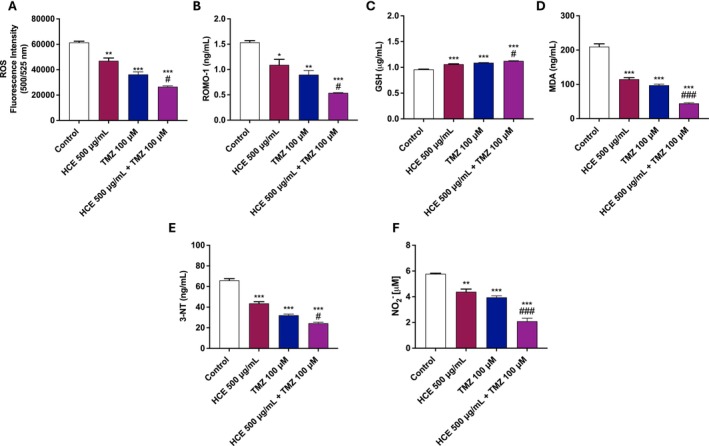 Figure 1
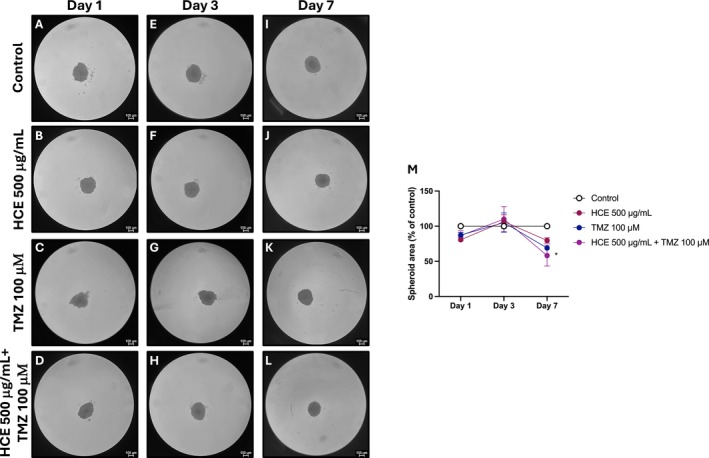 Figure 2
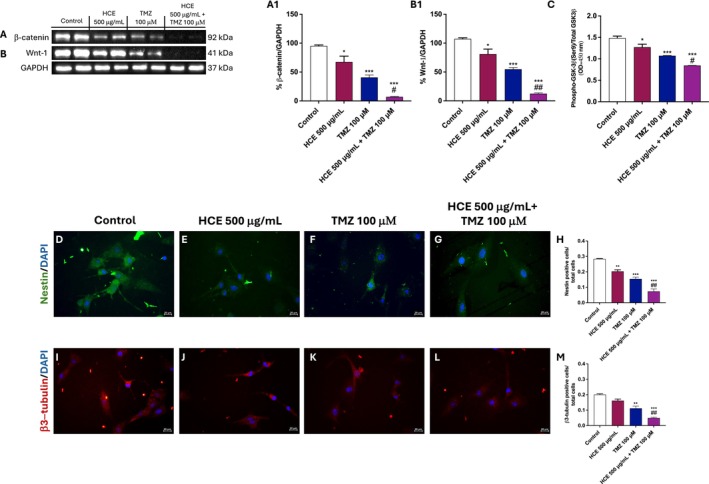 Figure 3
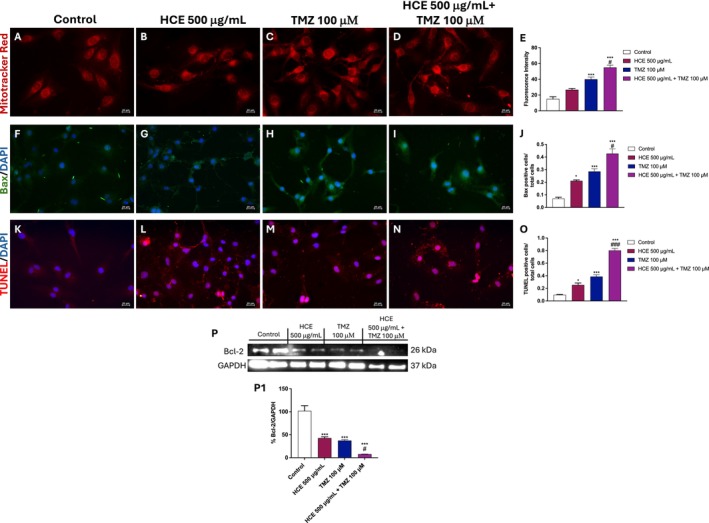 Figure 4
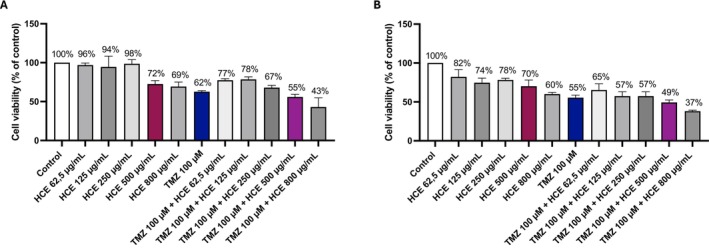 Figure 5
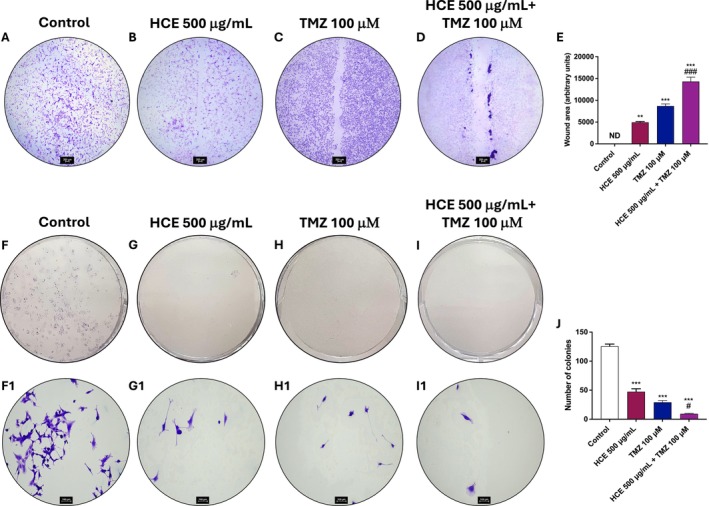 Figure 6
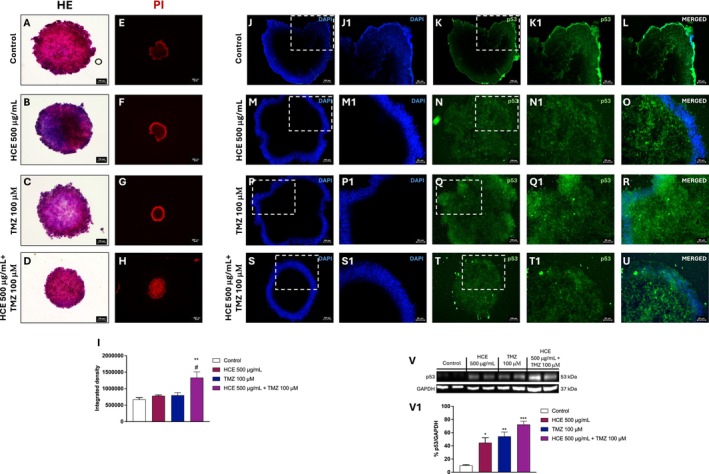 Figure 7
Peer Reviews
No public reviews on file for this paper yet. If you reviewed it on a platform where reviews are public (OpenReview, ICLR, NeurIPS, ICML), you can paste yours below so the community can read it here.
Videos
No videos yet. Explain this paper in a talk, walkthrough, or lecture? Add one.
Taxonomy
TopicsWnt/β-catenin signaling in development and cancer · Hedgehog Signaling Pathway Studies · Nuts composition and effects