Worth a Second Look: Report of a Rare Traumatic Pisiform Fracture Following a Bicycle Fall
Yannic-Tomas Abulesz, Franz Kralinger

TL;DR
A rare case of a traumatic pisiform bone fracture following a bicycle fall is reported, highlighting the difficulty in diagnosing such injuries.
Contribution
This case adds to the limited literature on pisiform fractures and emphasizes the importance of advanced imaging for accurate diagnosis.
Findings
Pisiform fractures can be missed on conventional X-rays and require CT scans for detection.
Conservative treatment with cast immobilization was effective for the reported fracture.
Abstract
Fractures of the pisiform bone are difficult to diagnose due to the often unsuspicious conventional X‐ray images and nonspecific clinical presentation. The following case presents a 29‐year‐old patient who suffered a bicycle fall onto their right hand and experienced prolonged symptoms despite the initial lack of evidence of a fracture. The fractured pisiform bone, which was eventually detected in a CT scan, was successfully treated with a 4‐week period of cast immobilization. The existing conservative and surgical treatment options of a pisiform bone fracture are discussed.
Genes, proteins, chemicals, diseases, species, mutations and cell lines named across the full text — each resolved to its canonical identifier and authoritative record.
Click any figure to enlarge with its caption.
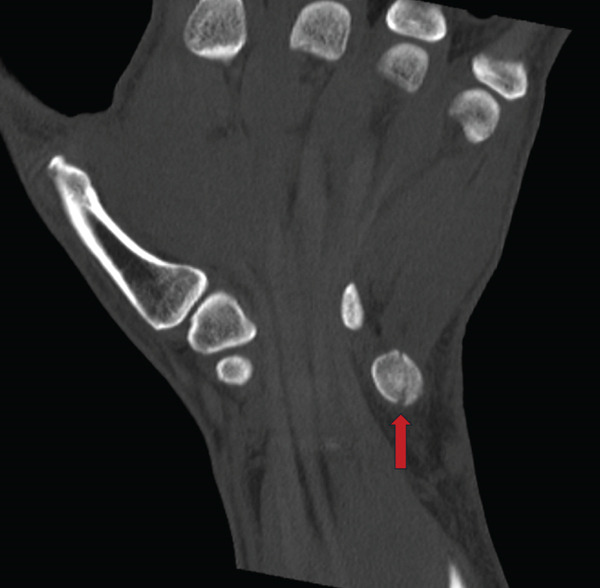 Figure 1
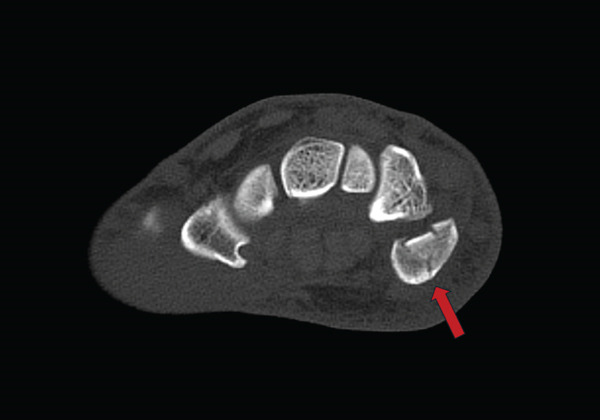 Figure 2
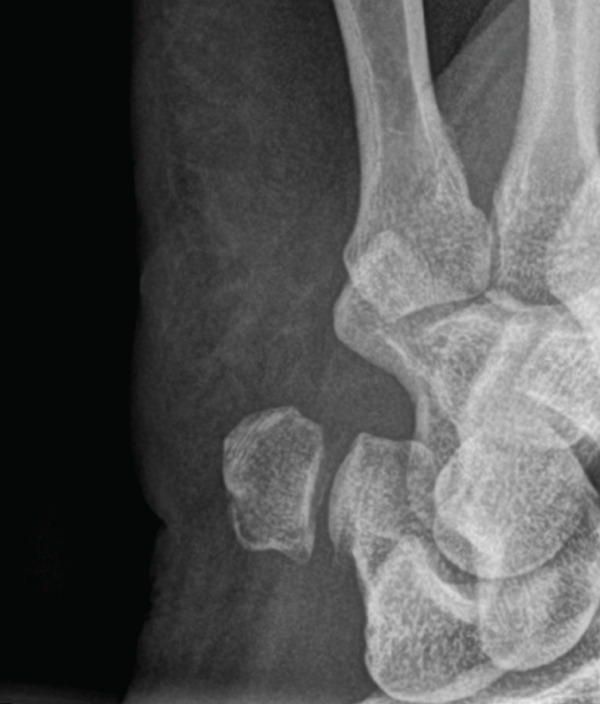 Figure 3
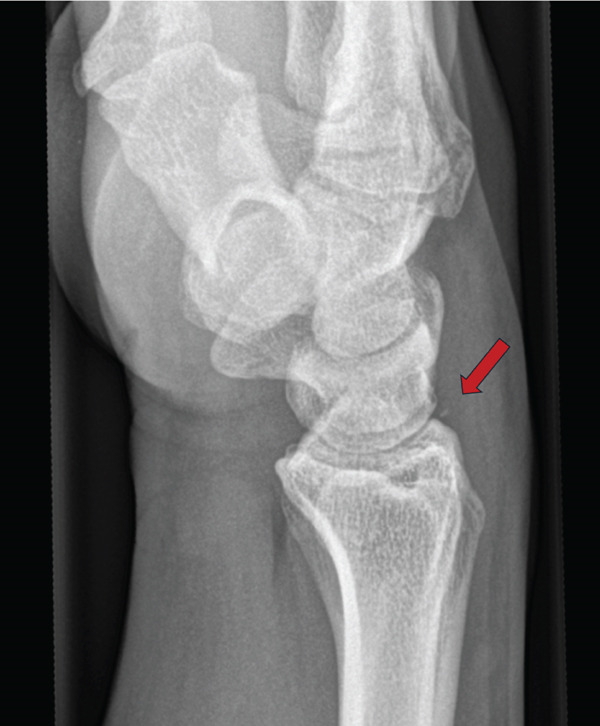 Figure 4
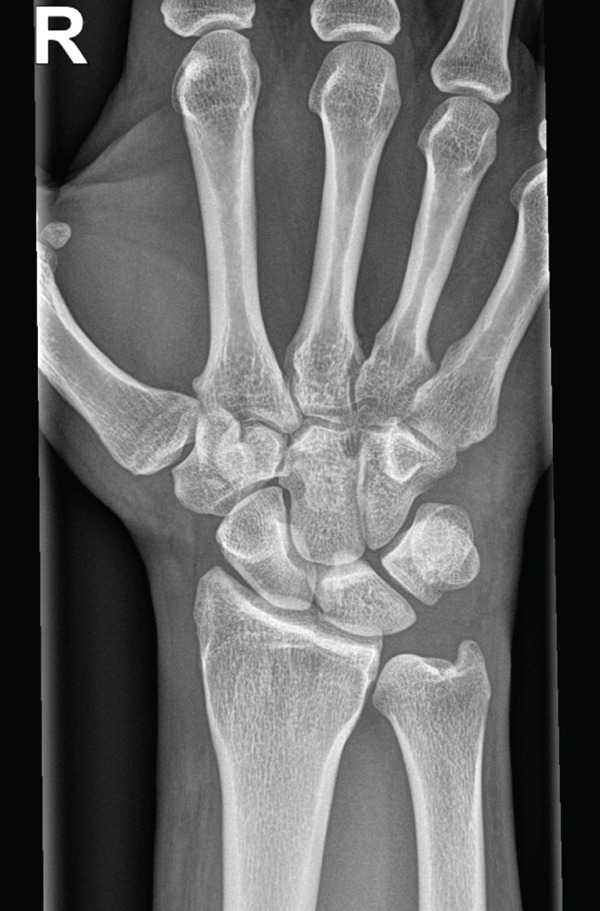 Figure 5
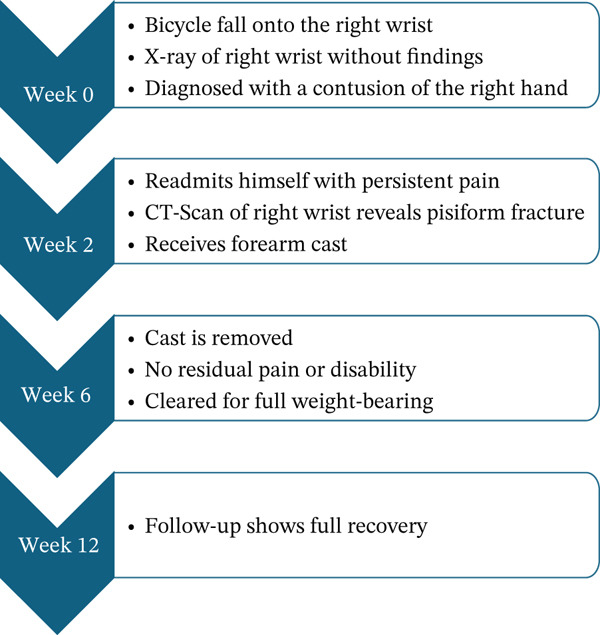 Figure 6
Peer Reviews
No public reviews on file for this paper yet. If you reviewed it on a platform where reviews are public (OpenReview, ICLR, NeurIPS, ICML), you can paste yours below so the community can read it here.
Videos
No videos yet. Explain this paper in a talk, walkthrough, or lecture? Add one.
Taxonomy
TopicsOrthopedic Surgery and Rehabilitation · Facial Trauma and Fracture Management · Traumatic Ocular and Foreign Body Injuries