Vertical Lift Systems and Health Outcomes in Community-Dwelling Older Adults: A Rapid Review
Verena Biehl, Denise Abegglen, Adrian Fassbind, Thomas Ballmer, Karin Nordström

TL;DR
This paper reviews how vertical lift systems in homes affect the health of older adults, finding that they improve mobility and quality of life but are underused.
Contribution
The study provides a rapid review of vertical lift systems' impact on health outcomes in older adults, emphasizing the need for accessible and affordable solutions.
Findings
Lift systems improve mobility, autonomy, safety, and quality of life for older adults.
Usage of lifts depends on age, gender, health, and financial factors.
Lack of lifts can restrict mobility and autonomy in older adults.
Abstract
Despite Switzerland’s aging population increasingly wishes to age in place in familiar homes, many dwellings are not barrier-free. Retrofitting of vertical lift systems as home adaptations in private housing can support aging-in-place but are still rarely installed. Thus, this study examines the association between lift systems in the home environment and health outcomes among community-dwelling older adults. A rapid review was conducted to identify and summarize existing evidence. Seventeen studies were included and the results clustered into the categories presence of lifts, usage of lifts and health outcomes. The review shows that lifts in private housing are scarce and frequently fail to meet the specific needs of users. Usage depends on age, gender, health status, technical and financial aspects. Positive health outcomes include improved mobility, autonomy, safety and quality of…
Click any figure to enlarge with its caption.
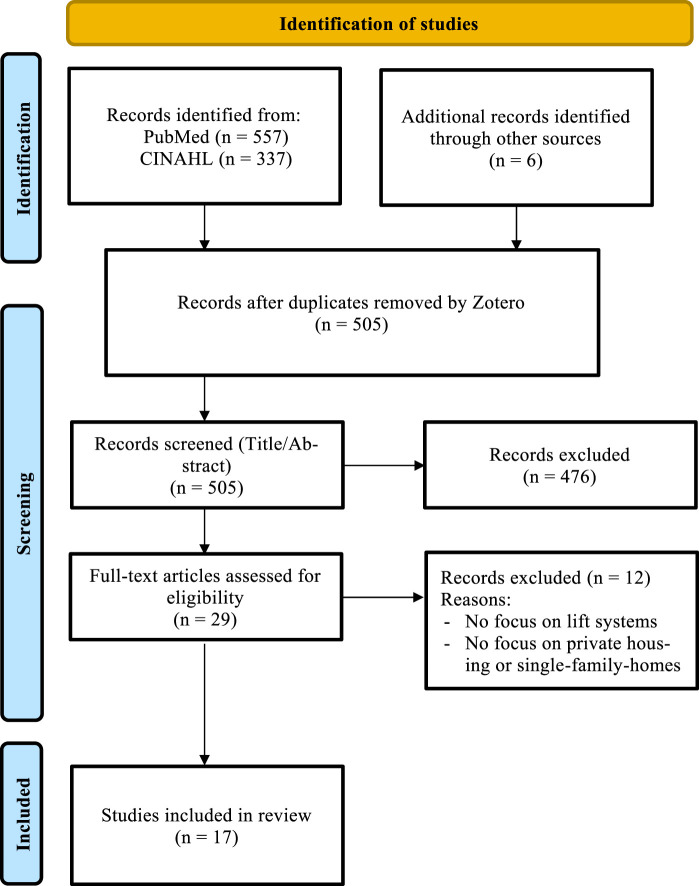 Figure 1
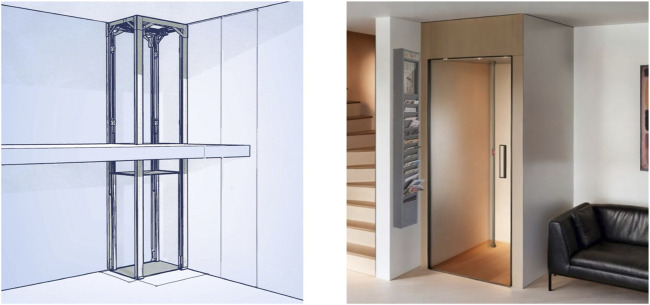 Figure 2
Peer Reviews
No public reviews on file for this paper yet. If you reviewed it on a platform where reviews are public (OpenReview, ICLR, NeurIPS, ICML), you can paste yours below so the community can read it here.
Videos
No videos yet. Explain this paper in a talk, walkthrough, or lecture? Add one.
Taxonomy
TopicsElevator Systems and Control · Assistive Technology in Communication and Mobility · Prosthetics and Rehabilitation Robotics