Energetically equivalent structural transitions in the Rad17–Rad9–Hus1–Rad1–Rhino complex underlie the sequential progression from activation through maintenance to inactivation of the ATR-dependent DNA damage response
Yasunori Fukumoto, Ryuzaburo Yuki, Yasumitsu Ogra

TL;DR
The study reveals how structural changes in a DNA damage response complex help regulate the activation, maintenance, and inactivation of the ATR-dependent DNA damage response.
Contribution
The study identifies energetically equivalent structural transitions in the Rad17–Rad9–Hus1–Rad1–Rhino complex that underlie the progression of the ATR-dependent DNA damage response.
Findings
Rhino bridges two 9–1–1 complexes through conserved KYxxL+ motifs, enabling polymerization.
Rad9's C-terminal tail competes with Rhino and Rad17, leading to checkpoint inactivation.
Binding free energies of intermediate complexes are comparable, supporting energetically equivalent transitions.
Abstract
Activation of the ATR-dependent DNA damage response (ATR-DDR) is well characterized; however, the molecular mechanisms underlying its maintenance and inactivation remain largely elusive. Rhino is the least understood component of ATR-DDR. Structural modeling and binding free energy calculations revealed structural remodeling involving Rad17, Rad9–Hus1–Rad1 (9–1–1), and Rhino during ATR-DDR progression. Biochemical and computational analyses revealed the competitive binding of Rad17 and Rhino to the 9–1–1 complex, suggesting a structural transition from the Rad17–9–1–1 complex to the Rhino–9–1–1 complex. The presence of two conserved KYxxL+ motifs in Rhino suggests that it bridges the two 9–1–1 complexes. This enables the polymerization of multiple 9–1–1 complexes through Rhino and explains the long-standing discrepancy between the conventional model and experimental observations of…
Genes, proteins, chemicals, diseases, species, mutations and cell lines named across the full text — each resolved to its canonical identifier and authoritative record.
Click any figure to enlarge with its caption.
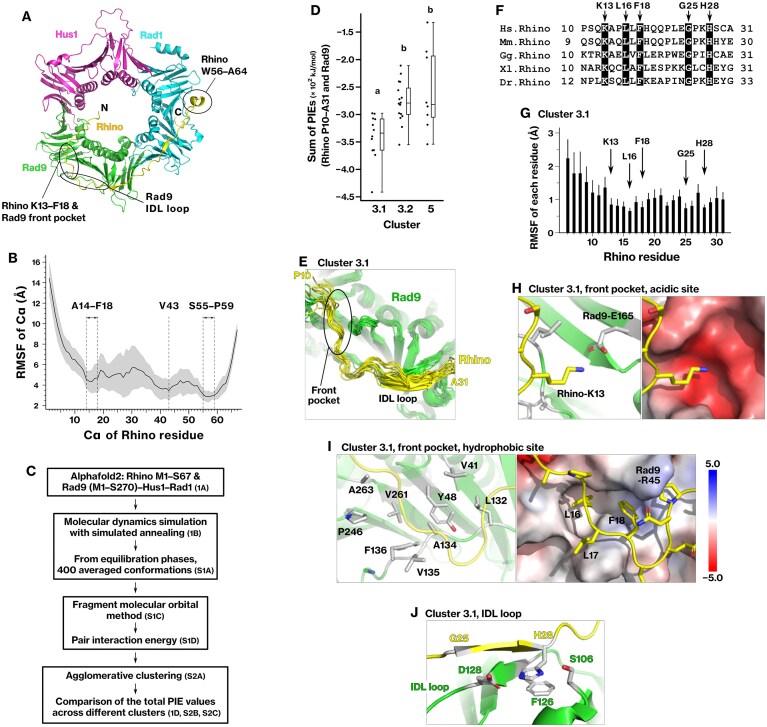 Figure 1
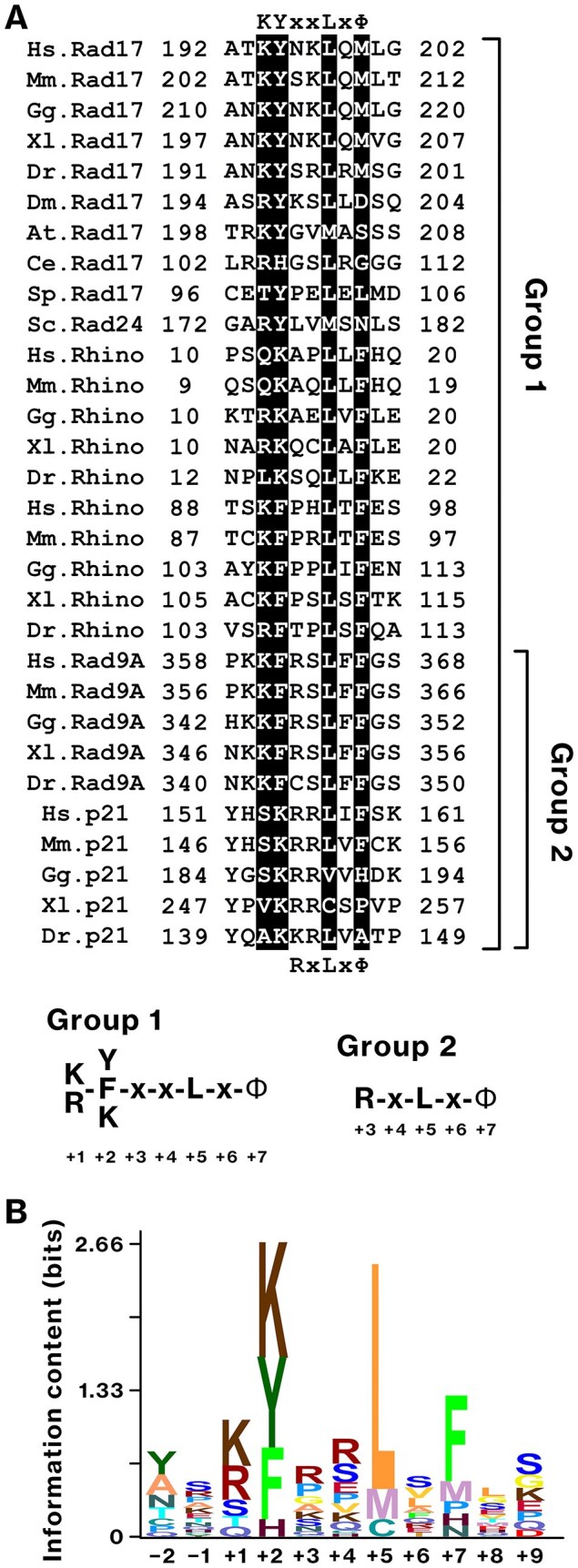 Figure 10
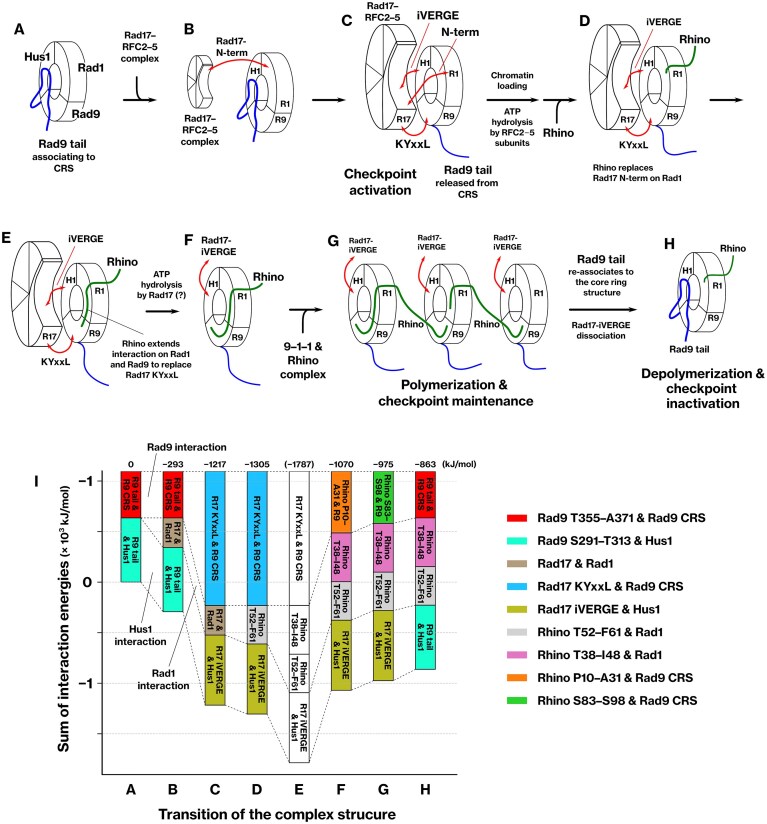 Figure 11
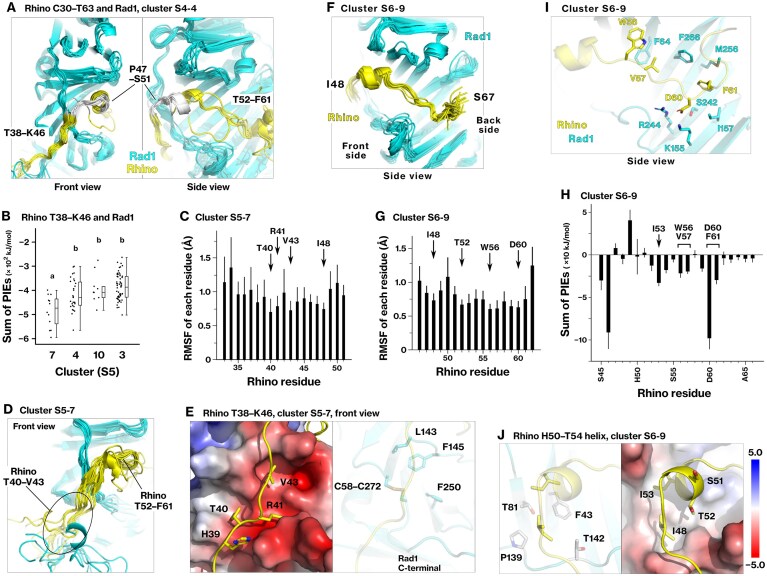 Figure 2
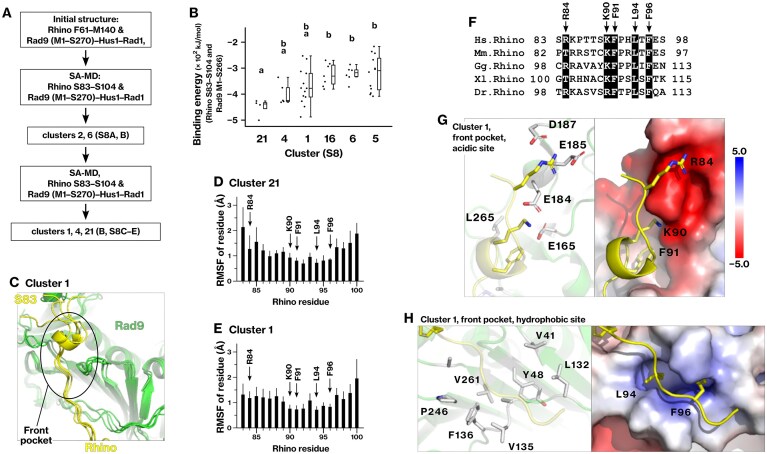 Figure 3
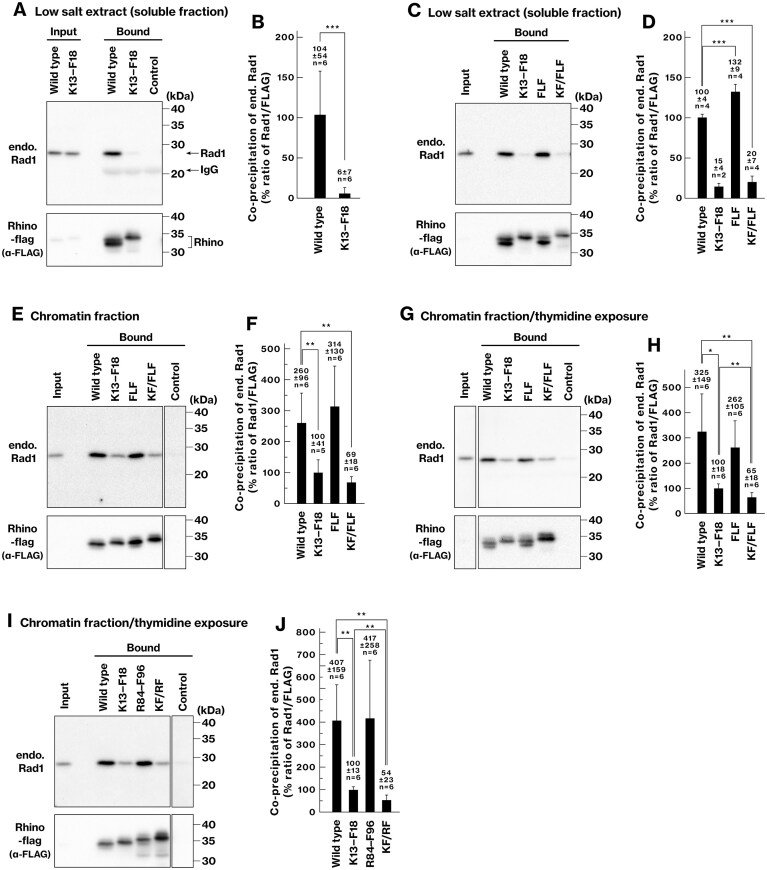 Figure 4
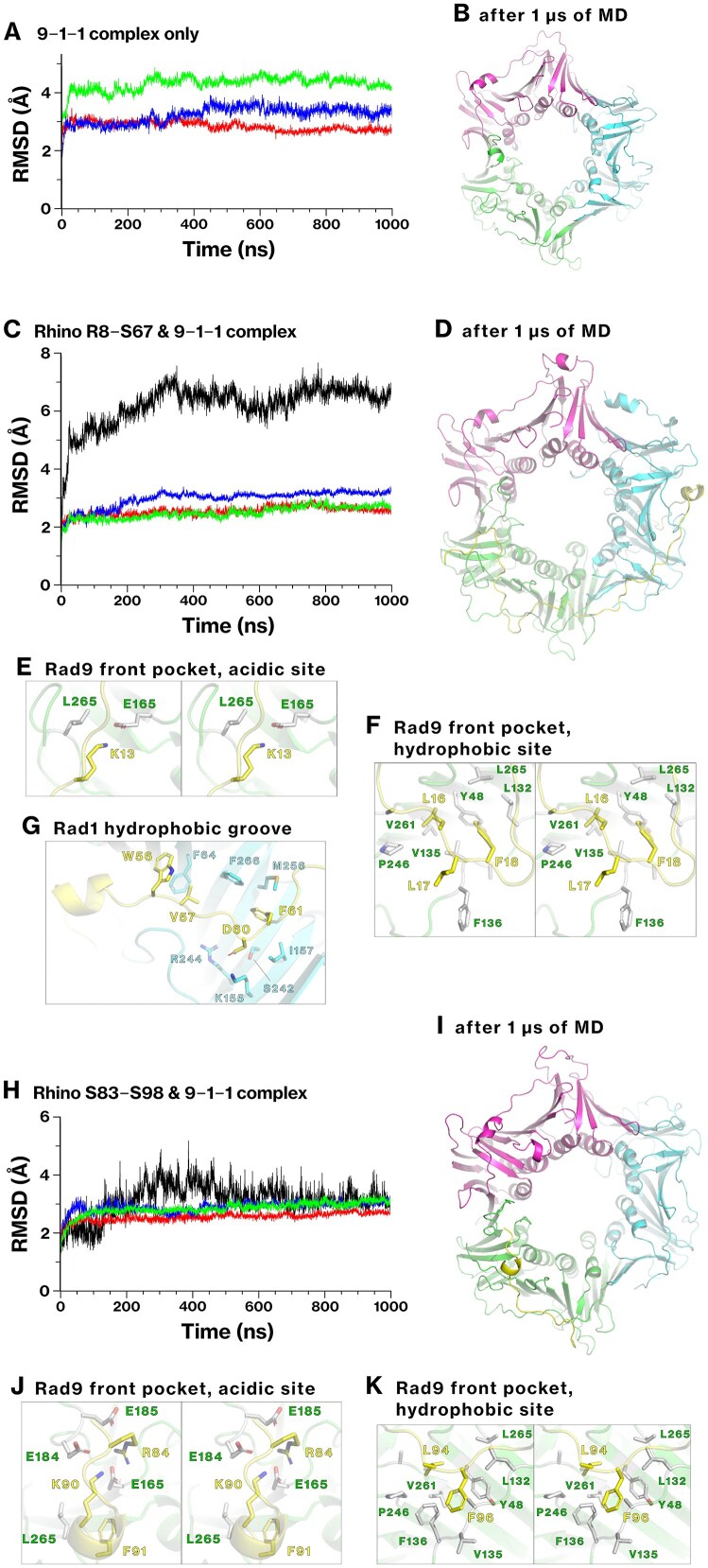 Figure 5
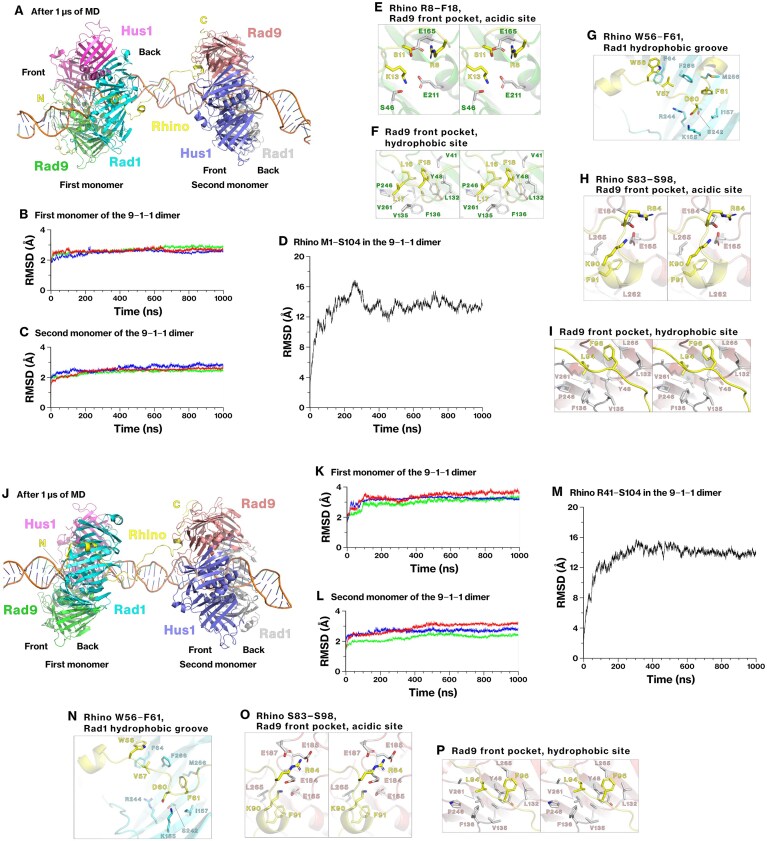 Figure 6
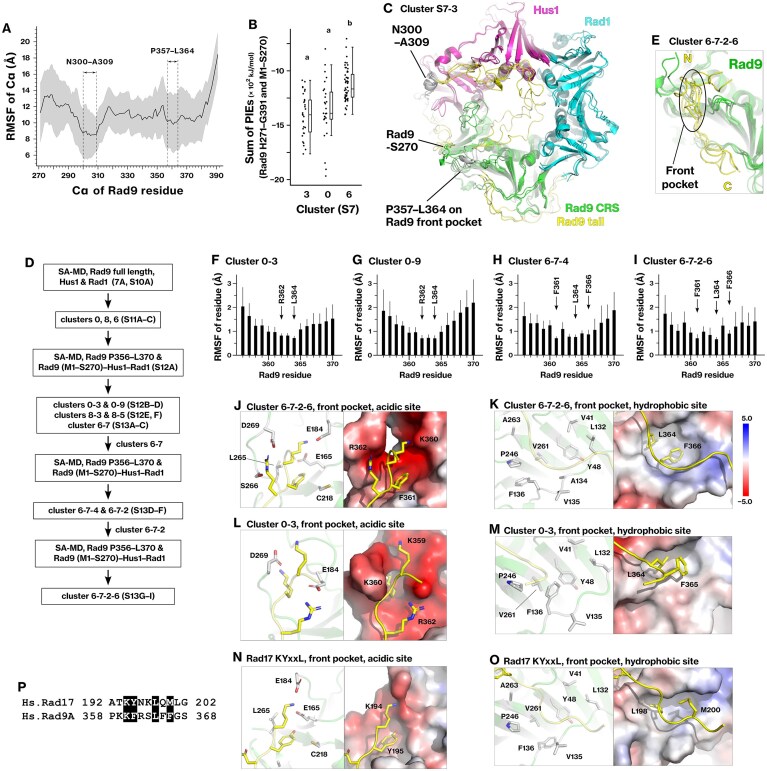 Figure 7
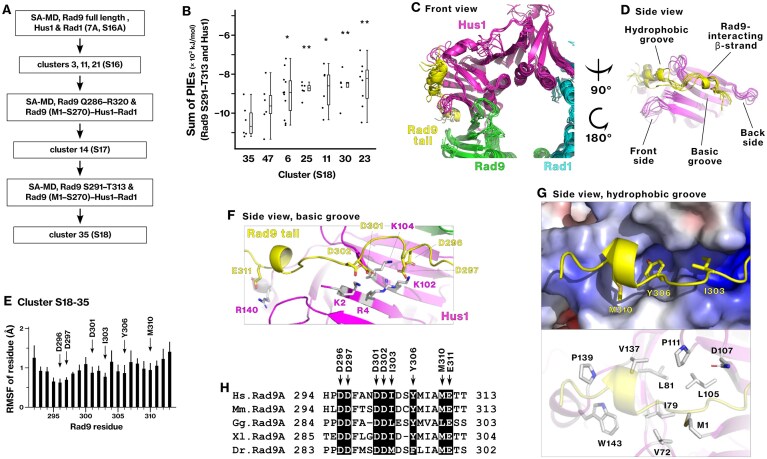 Figure 8
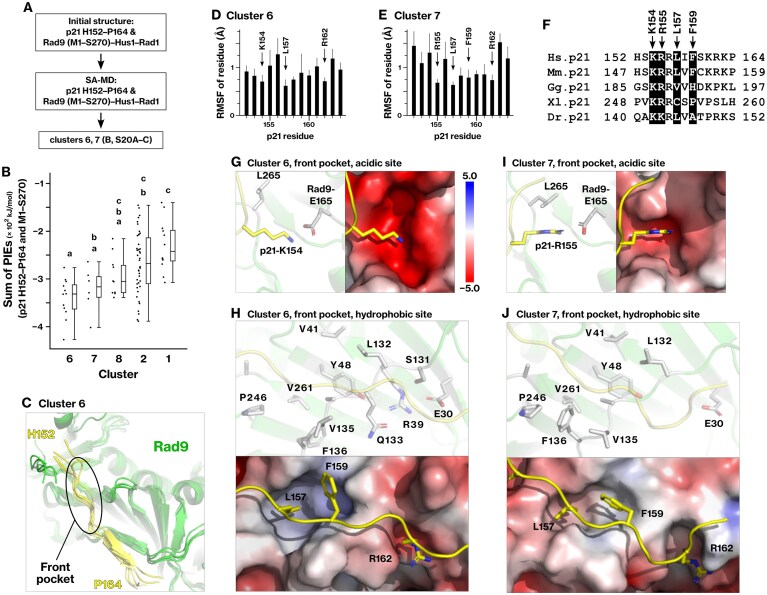 Figure 9
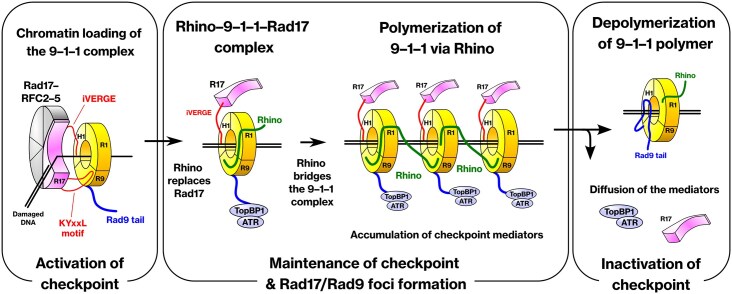 Figure 12
Peer Reviews
No public reviews on file for this paper yet. If you reviewed it on a platform where reviews are public (OpenReview, ICLR, NeurIPS, ICML), you can paste yours below so the community can read it here.
Videos
No videos yet. Explain this paper in a talk, walkthrough, or lecture? Add one.
Taxonomy
TopicsDNA Repair Mechanisms · Cell death mechanisms and regulation · PARP inhibition in cancer therapy