In vitro exploration of drug-induced thrombotic microangiopathies: clues of diverse endothelial activation pathways respective to interferon-β1a, ciclosporin A, and gemcitabine exposure
Edouard Cubilier, Maxime Taghavi, Eric De Prez, Lucas Jacobs, Sébastien Sinaeve, Joëlle Nortier, Marie-Hélène Antoine

TL;DR
This study explores how three drugs can activate endothelial cells in different ways, potentially leading to blood clotting disorders.
Contribution
The study identifies distinct endothelial activation profiles and complement system involvement in drug-induced thrombotic microangiopathies.
Findings
Each drug (interferon-β1a, ciclosporin A, gemcitabine) caused increased MAC deposits in endothelial cells.
Distinct activation markers were observed for each drug, suggesting unique pathways of endothelial activation.
The findings suggest that these drugs may contribute to thrombogenesis in drug-induced thrombotic microangiopathies.
Abstract
Pro-inflammatory and pro-thrombotic stimuli can activate endothelial cells (ECs) and predispose them to thrombotic microangiopathies (TMAs). Drug-induced TMA (DITMA) may occur in clinical practice during treatment with interferon-β1a (IFN-β1a), ciclosporin A (CsA), and gemcitabine (GEM). DITMA may also trigger the complement system and induce membrane attack complex (MAC, C5b-9) deposition in vivo, although their role and the benefit of inhibition remain unclear. In an experimental in vitro model of microvascular ECs exposed to these three drugs, we searched for MAC deposits and drug-specific pro-inflammatory and pro-thrombotic traits to gain insights into the mechanisms potentially involved in DITMA. Human microvascular endothelial cells line-1 (HMEC-1) was treated with 10% normal human serum, CsA, GEM, and IFN-β1a. Cell viability for each drug was measured using the resazurin assay.…
Genes, proteins, chemicals, diseases, species, mutations and cell lines named across the full text — each resolved to its canonical identifier and authoritative record.
Click any figure to enlarge with its caption.
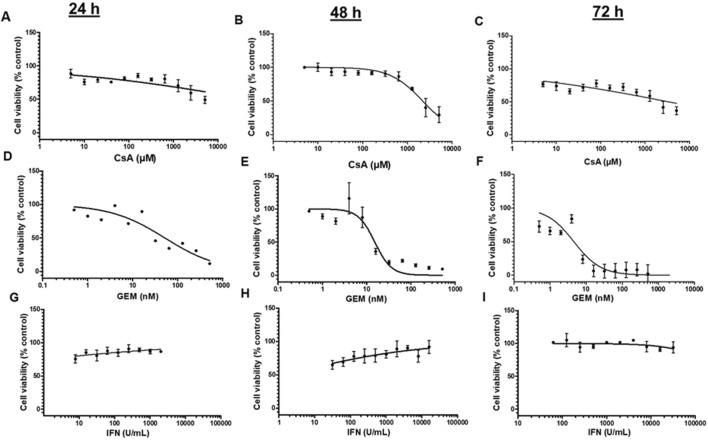 Figure 1
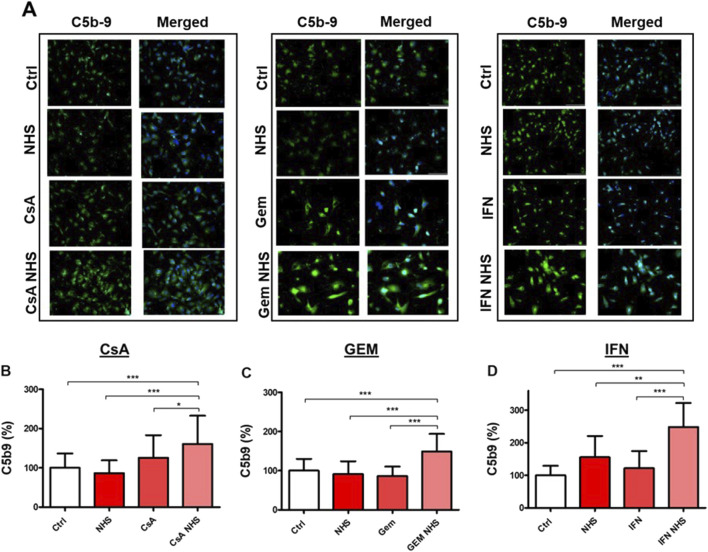 Figure 2
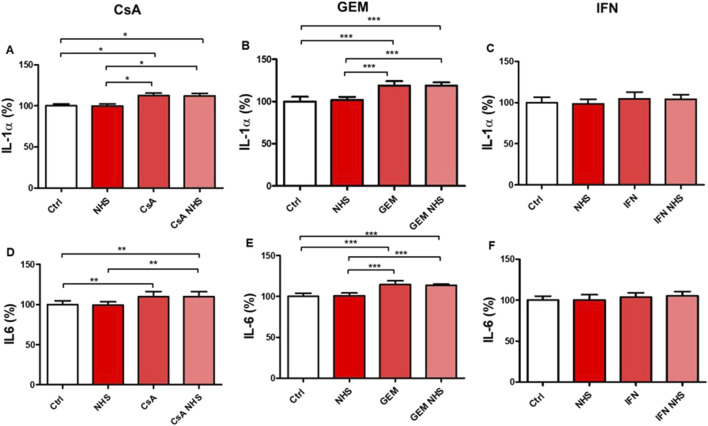 Figure 3
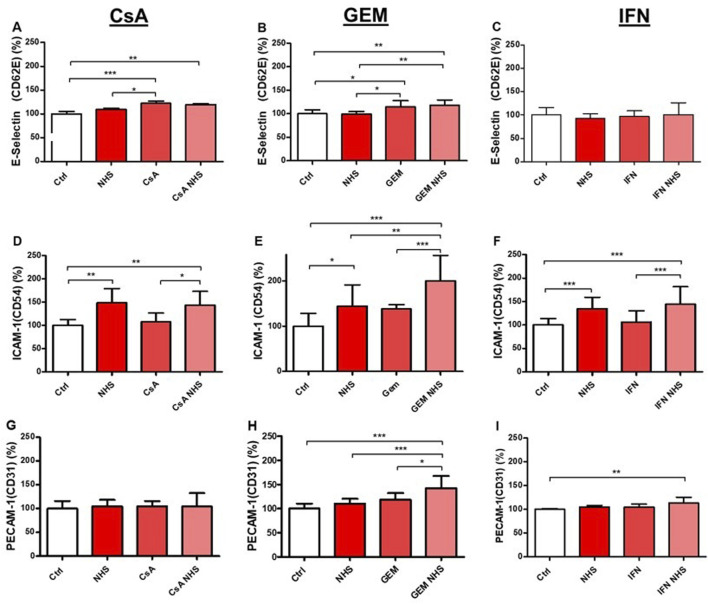 Figure 4
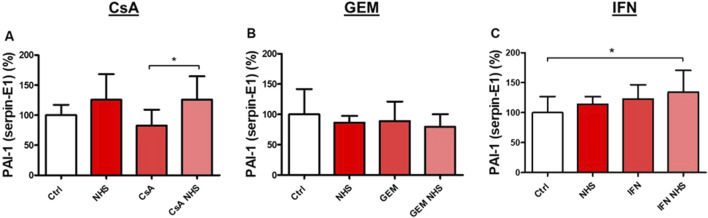 Figure 5
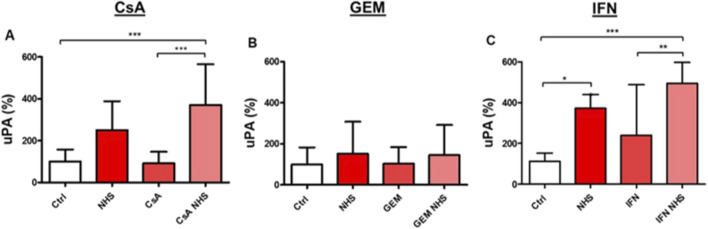 Figure 6
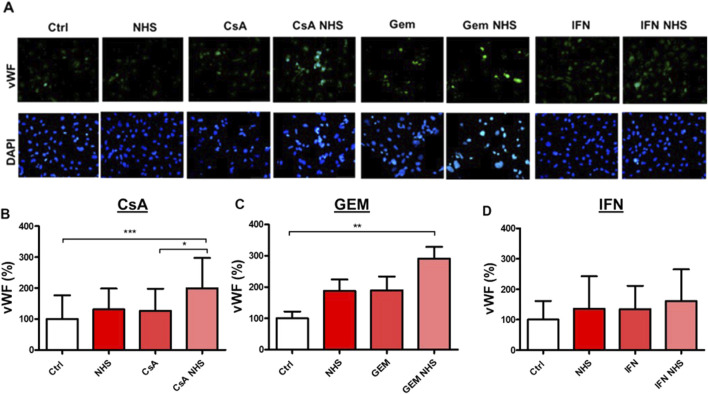 Figure 7
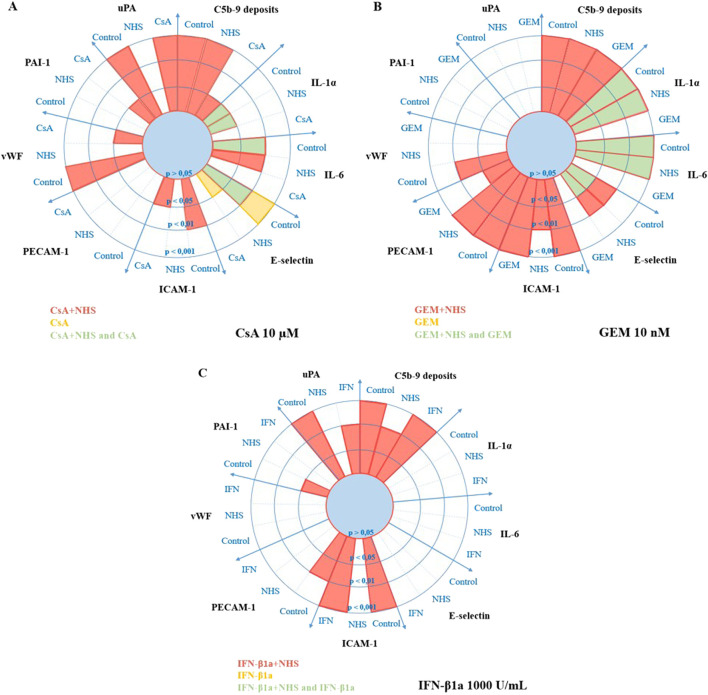 Figure 8
Peer Reviews
No public reviews on file for this paper yet. If you reviewed it on a platform where reviews are public (OpenReview, ICLR, NeurIPS, ICML), you can paste yours below so the community can read it here.
Videos
No videos yet. Explain this paper in a talk, walkthrough, or lecture? Add one.
Taxonomy
TopicsComplement system in diseases · Coagulation, Bradykinin, Polyphosphates, and Angioedema · Blood Coagulation and Thrombosis Mechanisms