Predicting Malignant Transformation in Oral Leukoplakia: A Multilayer Perceptron Approach Incorporating Clinicopathological Features and DNA Content
Guilherme Iani Pontes, Anna Luíza Damaceno Araújo, Andresa Borges Soares, Saman Warnakulasuriya, André Luis Santana de Freitas, Caroline Gennari Stevão, Marcelo Sperandio, Matheus Cardoso Moraes

TL;DR
This study uses machine learning to predict the risk of oral leukoplakia turning into cancer by combining clinical and DNA data.
Contribution
A multilayer perceptron model integrating DNA content and clinicopathological features for predicting malignant transformation in oral leukoplakia.
Findings
4cER, G2 phase, dysplasia grading, and inflammatory infiltrate were significant predictors of malignant transformation.
The model achieved 72% sensitivity, 96% specificity, and an AUC of 85.4% in predicting malignant risk.
High-risk cases predicted by the model showed significantly poorer outcomes in survival analysis.
Abstract
Oral leukoplakia (OL) is a potentially malignant disorder of the oral mucosa. Accurate prediction of malignant transformation (MT) remains a clinical challenge. This study aimed to develop and evaluate a machine learning model that integrates histopathological, demographic, and DNA content features to predict MT risk in OL. We conducted a retrospective cohort study of 97 OL cases—18 with confirmed MT and 79 non‐transformed controls—selected from a larger series. Each case included clinicopathological features, and DNA content data obtained by flow cytometry for cell cycle phases (G1, S‐phase, G2 and excess DNA beyond the tetraploid region [4cER]). All cases had a minimum 5‐year follow‐up or histologically confirmed transformation. A multilayer perceptron (MLP) model was trained on 27 features. Stratified five‐fold cross‐validation and minority class oversampling (positive filling) were…
Genes, proteins, chemicals, diseases, species, mutations and cell lines named across the full text — each resolved to its canonical identifier and authoritative record.
Click any figure to enlarge with its caption.
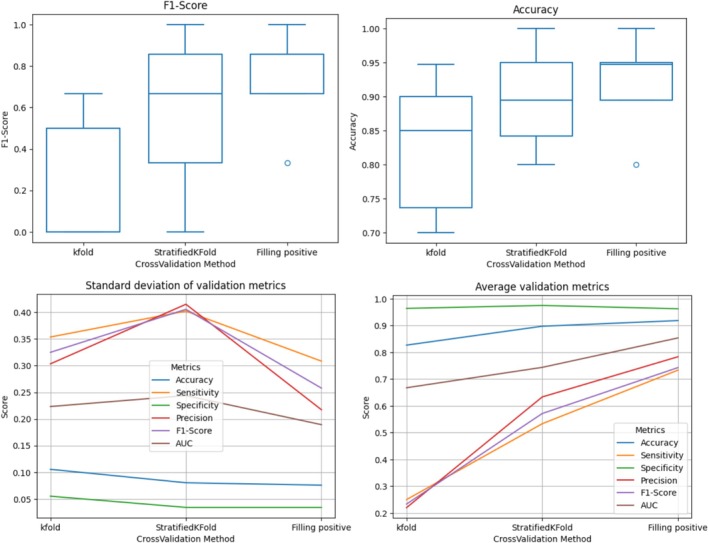 Figure 1
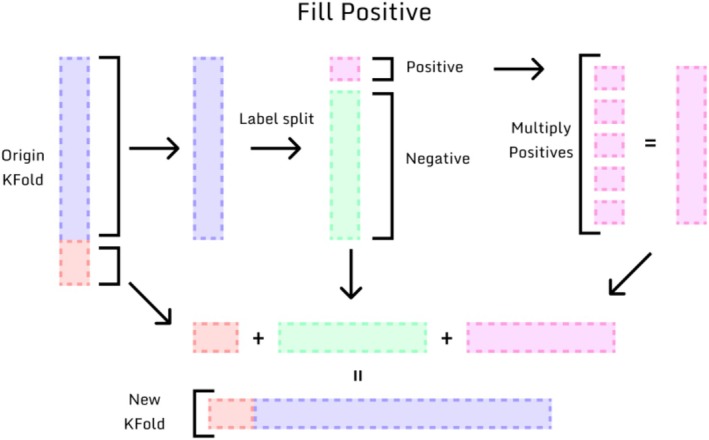 Figure 2
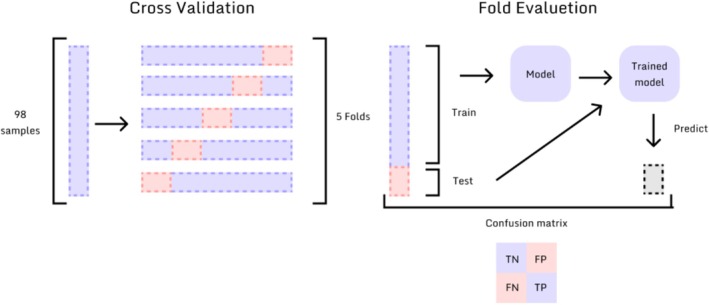 Figure 3
 Figure 4
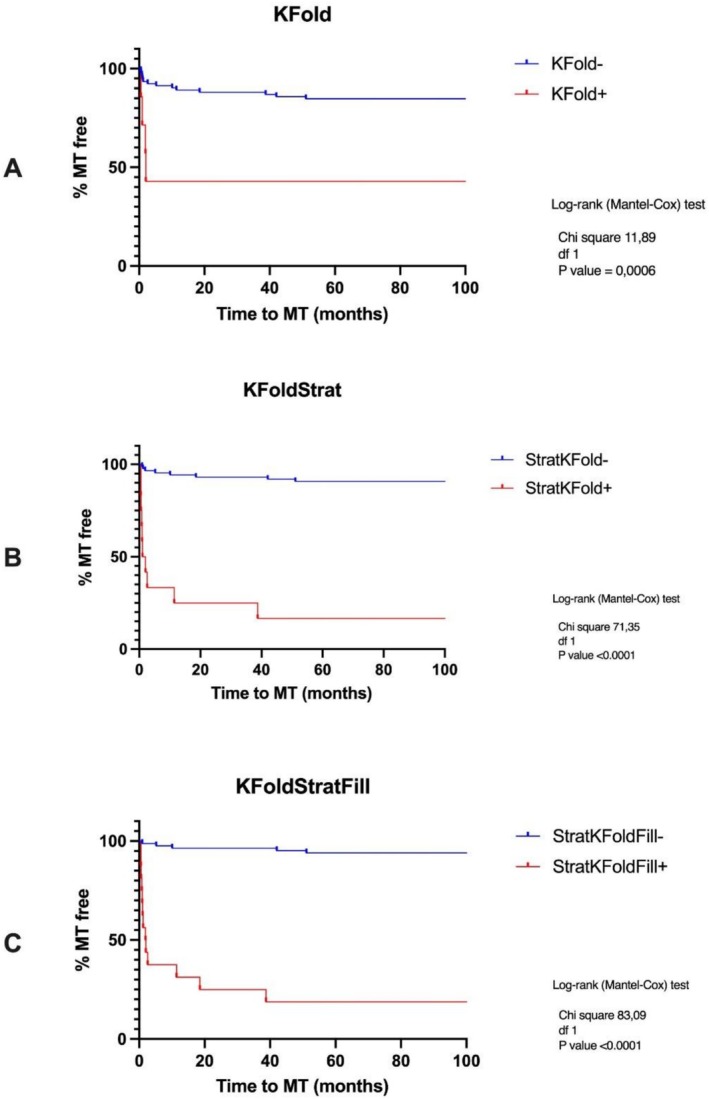 Figure 5
Peer Reviews
No public reviews on file for this paper yet. If you reviewed it on a platform where reviews are public (OpenReview, ICLR, NeurIPS, ICML), you can paste yours below so the community can read it here.
Videos
No videos yet. Explain this paper in a talk, walkthrough, or lecture? Add one.
Taxonomy
TopicsOral Health Pathology and Treatment · Oral and gingival health research · Head and Neck Cancer Studies