Analysis of Fingerprint Profiles of Flavonoid Compounds in Rock Tea of Different Ages
Yan Lang, Qianli Ma, Rongping Chen, Dongcai Yang, Xiaomei Hu, Chuanhai Zhang, Chenxi Shi, Zhonglin Guo

TL;DR
This study uses advanced chemical analysis to classify aged rock tea and shows its flavonoids can reduce oxidative damage and improve cognitive function in mice.
Contribution
A UPLC–MS method was developed to classify aged rock tea and evaluate its flavonoid compounds' antioxidant and neuroprotective effects.
Findings
Aged rock tea contains over 30 identifiable chemical components, enabling classification into three categories.
Flavonoids from aged tea reduced oxidative stress and improved cognitive function in Alzheimer’s disease mice.
The method supports quality evaluation and classification of traditional Chinese medicinal materials like aged tea.
Abstract
This study established a chromatographic fingerprint analysis method for aged rock tea using ultra‐high performance liquid chromatography–mass spectrometry (UPLC–MS) technology to profile its chemical components. The chromatographic separation showed excellent performance, with more than 30 chemical components of common peaks identified. Comparative analysis of fingerprint profiles from different vintage‐aged teas revealed significant differences in similarity, allowing classification into three distinct categories based on similarity indices. This method facilitates the classification of aged teas and quality evaluation of traditional Chinese medicinal materials. Component analysis of aged tea demonstrated that tea extracts are rich in flavonoid compounds, both in content and diversity, serving as a primary dietary source of total flavonoids. In subsequent animal experiments,…
Genes, proteins, chemicals, diseases, species, mutations and cell lines named across the full text — each resolved to its canonical identifier and authoritative record.
Click any figure to enlarge with its caption.
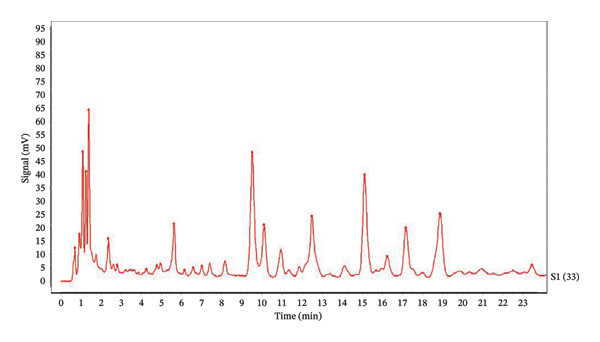 Figure 1
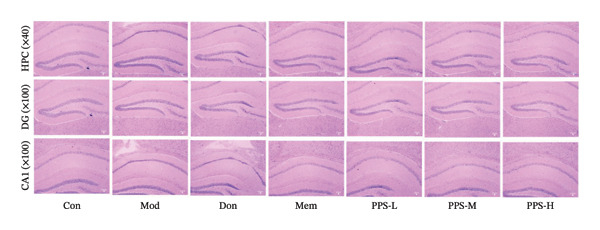 Figure 2
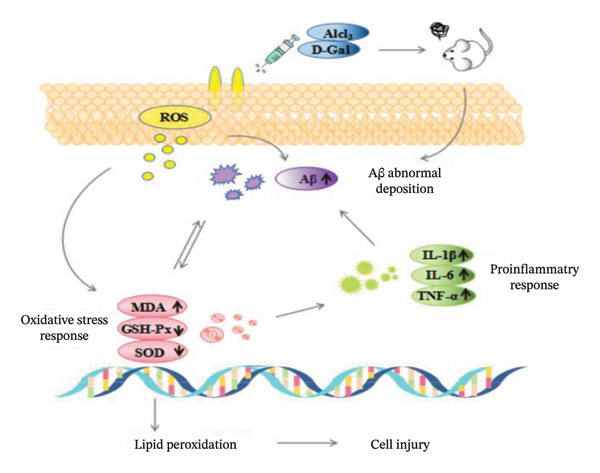 Figure 3
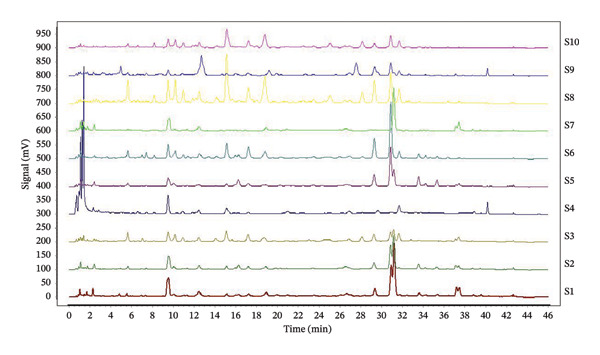 Figure 4
Peer Reviews
No public reviews on file for this paper yet. If you reviewed it on a platform where reviews are public (OpenReview, ICLR, NeurIPS, ICML), you can paste yours below so the community can read it here.
Videos
No videos yet. Explain this paper in a talk, walkthrough, or lecture? Add one.
Taxonomy
TopicsTea Polyphenols and Effects · Traditional Chinese Medicine Analysis · Tryptophan and brain disorders