The “Butter Tree” ( Diploknema butyracea ) for Sustainable Food Systems and Functional Applications
Prekshya Timsina, Diksha Timsina, Navin Gautam, Ashma Subedi, Kishor Rai, Sangam Dahal

TL;DR
The Himalayan butter tree is a valuable plant with multiple uses in food, medicine, and industry, but it is underexplored and threatened by deforestation.
Contribution
This review highlights the underutilized potential of Diploknema butyracea for sustainable development and commercial applications.
Findings
The tree contains phytochemicals with anti-inflammatory, antifungal, antioxidant, and antibacterial properties.
Chiuri seeds produce butter with skin-healing and industrial uses.
The plant faces threats from deforestation and overexploitation despite its economic and medicinal value.
Abstract
Diploknema butyracea , also known as the Himalayan butter tree, is mainly valued for its butter‐producing seeds and ecological significance. In addition to being significant for its traditional usage, it has lately gained popularity in the food, cosmetics, and pharmaceutical industries for its pharmacological and therapeutic significance. All components of the tree contain beneficial phytochemicals, including phenolics, flavonoids, ascorbic acid, and essential fatty acids, and possess bioactive properties, including anti‐inflammatory, antifungal, antioxidant, and antibacterial properties. Chiuri seeds contain over 60% fat and are used to produce chiuri butter with skin‐healing properties and industrial applications. Despite being culturally integrated with its economic and medicinal importance, D. butyracea faces challenges from deforestation and overexploitation. This plant is…
Genes, proteins, chemicals, diseases, species, mutations and cell lines named across the full text — each resolved to its canonical identifier and authoritative record.
Click any figure to enlarge with its caption.
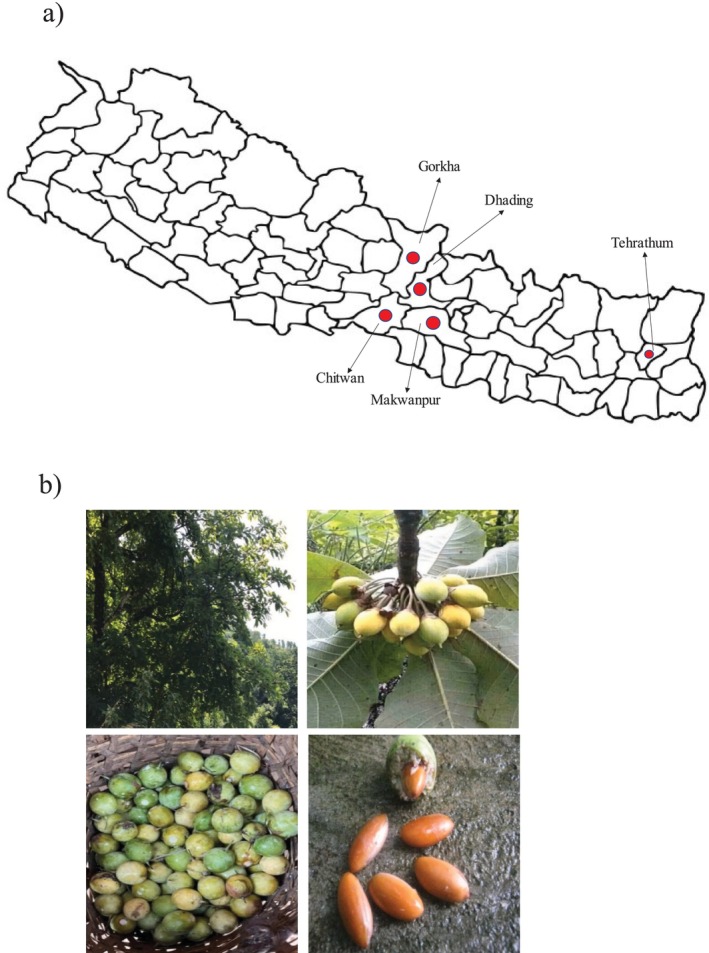 Figure 1
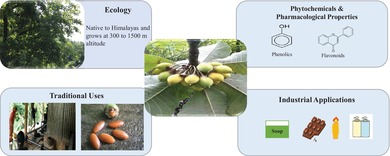 Figure 2
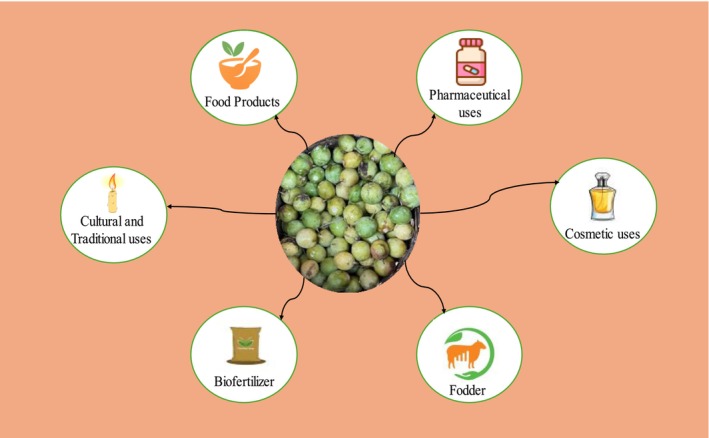 Figure 3
Peer Reviews
No public reviews on file for this paper yet. If you reviewed it on a platform where reviews are public (OpenReview, ICLR, NeurIPS, ICML), you can paste yours below so the community can read it here.
Videos
No videos yet. Explain this paper in a talk, walkthrough, or lecture? Add one.
Taxonomy
TopicsAfrican Botany and Ecology Studies · Polysaccharides Composition and Applications · Advances in Cucurbitaceae Research