Mechanobiological evaluation of solid and multiple porous humeral stem architectures in reverse shoulder arthroplasty based on design and materials: a finite element study
Pearline Beulah John, Sharmila Nageswaran

TL;DR
This study uses computer modeling to evaluate how different designs and materials of shoulder implants affect bone stress and stability.
Contribution
The novel contribution is the evaluation of trabecular architecture titanium implants using finite element analysis for reverse shoulder arthroplasty.
Findings
Titanium implants with trabecular architecture showed mechanical properties closer to intact bone.
Trabecular titanium implants had better load-bearing capacity than solid stems.
FEA results help predict stress shielding effects and implant stability.
Abstract
Stress shielding is a major cause of radiological changes in the humeral component, which is commonly evident in cementless stems of reverse shoulder implants. The bulkiness of the humeral stem results in less load being transmitted to the bone, curtailing bone remodeling. Designing an implant with adequate strength and a suitable material that matches the mechanical properties of bone can help prevent the implant migration or loosening, thereby lowering bone resorption. Humeral stems with no porosity and varied porosities, such as circular, elliptical, and trabecular architecture, were designed using 316L stainless steel and titanium alloy (Ti6Al4V). Finite element analysis (FEA) was conducted on eight bone–implant assemblies under four loading conditions for cortical and trabecular bones. Weighted mean of von Mises stress and mechanobiology associated with the strain energy densities…
Genes, proteins, chemicals, diseases, species, mutations and cell lines named across the full text — each resolved to its canonical identifier and authoritative record.
Click any figure to enlarge with its caption.
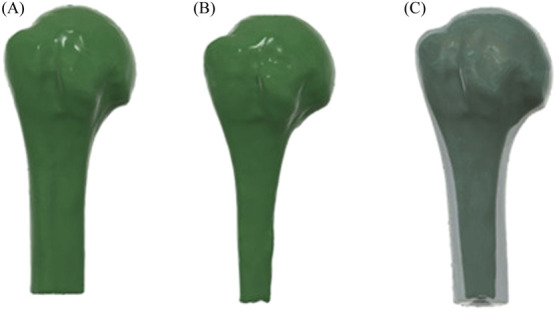 Figure 1
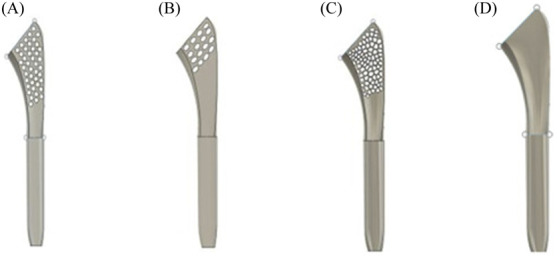 Figure 2
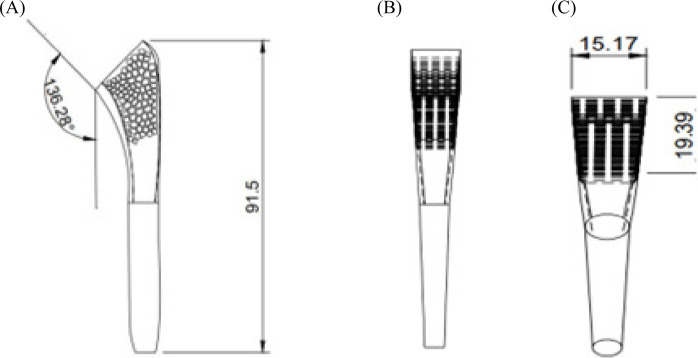 Figure 3
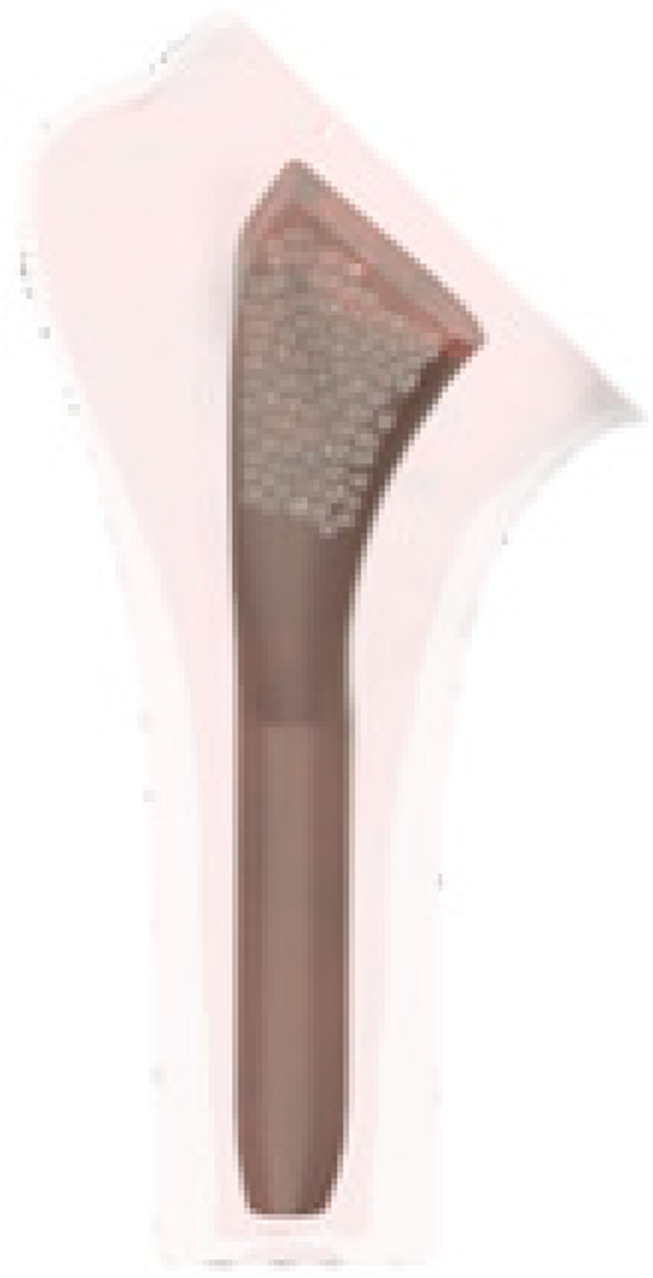 Figure 4
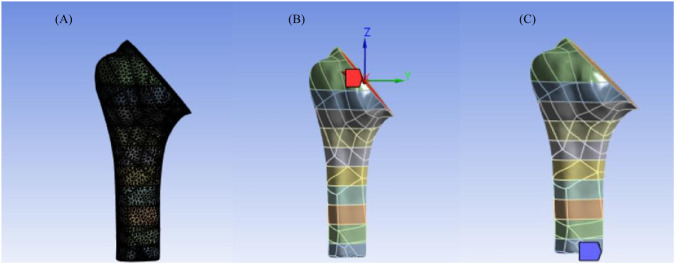 Figure 5
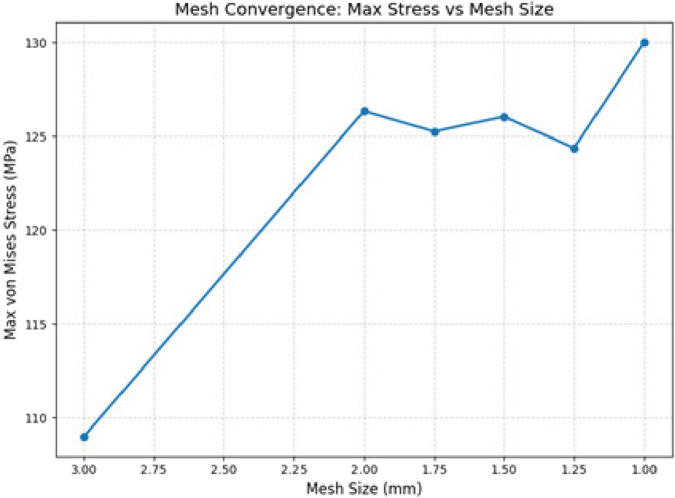 Figure 6
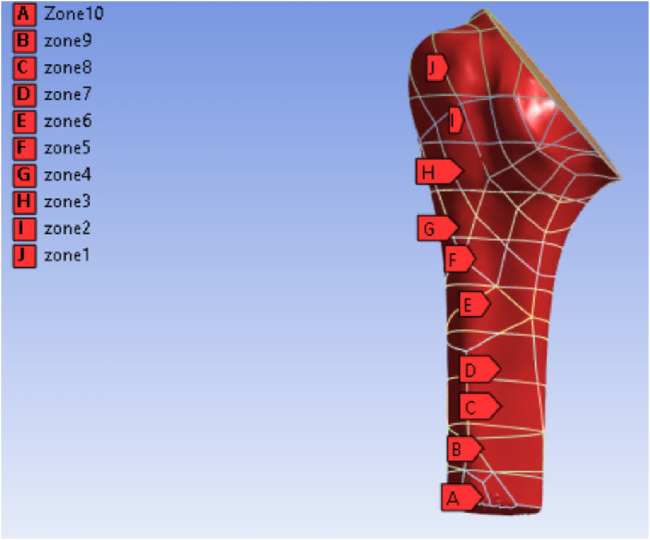 Figure 7
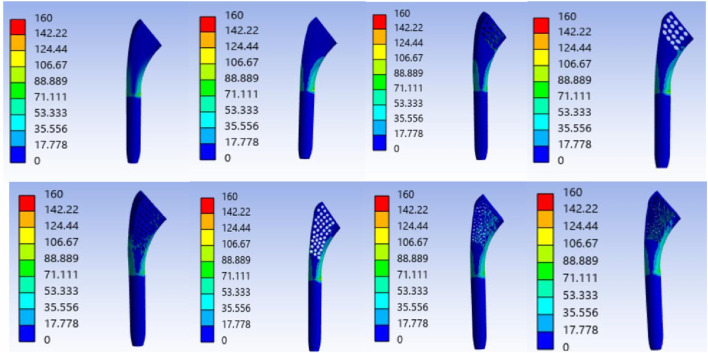 Figure 8
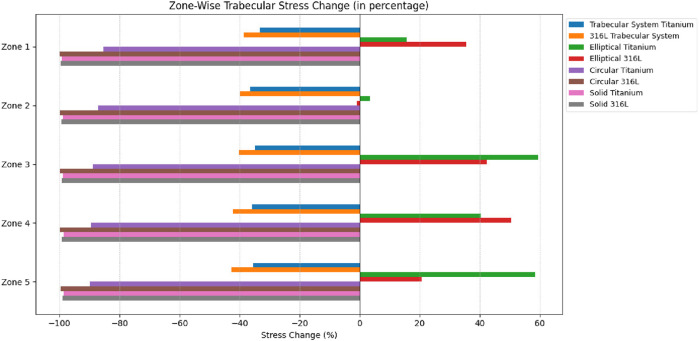 Figure 9
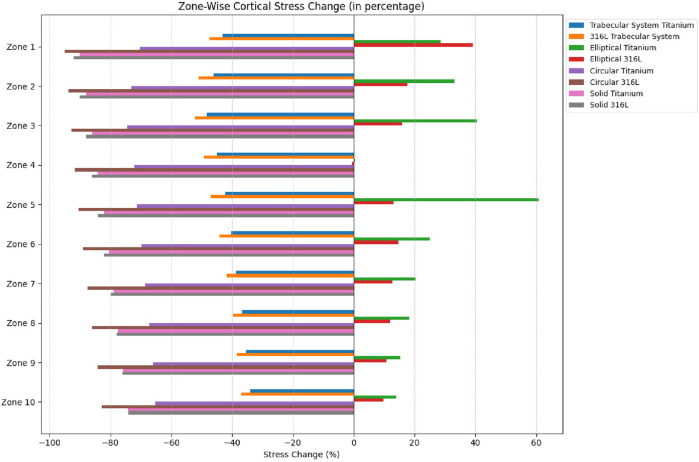 Figure 10
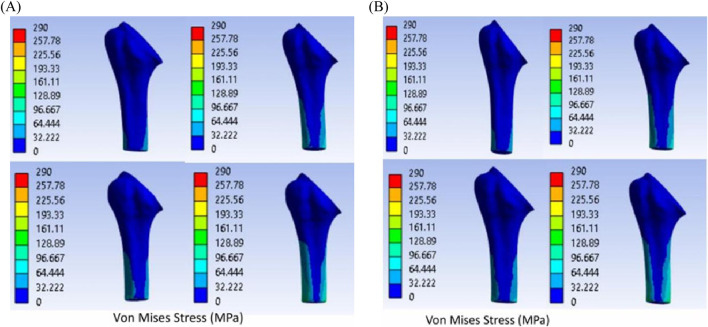 Figure 11
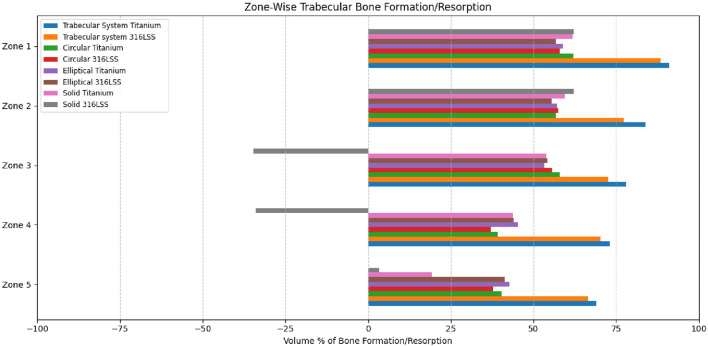 Figure 12
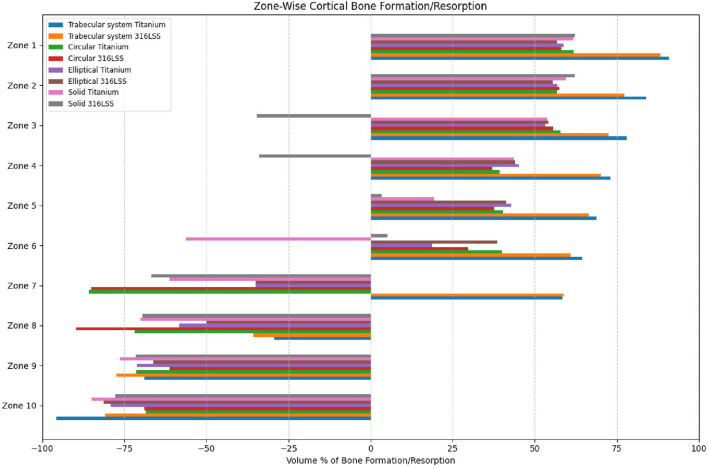 Figure 13
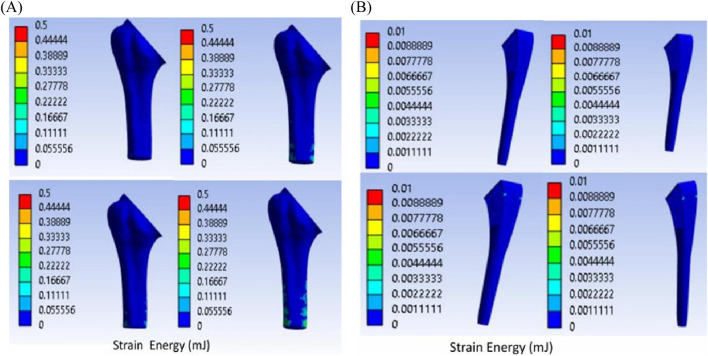 Figure 14
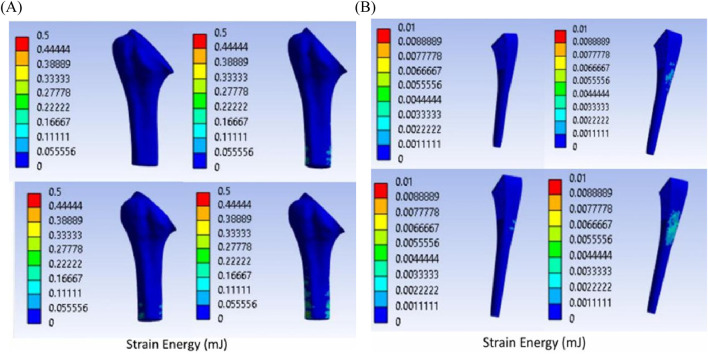 Figure 15
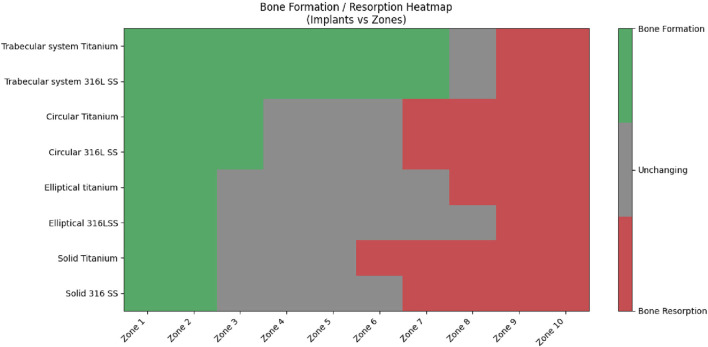 Figure 16
Peer Reviews
No public reviews on file for this paper yet. If you reviewed it on a platform where reviews are public (OpenReview, ICLR, NeurIPS, ICML), you can paste yours below so the community can read it here.
Videos
No videos yet. Explain this paper in a talk, walkthrough, or lecture? Add one.
Taxonomy
TopicsShoulder Injury and Treatment · Orthopaedic implants and arthroplasty · Shoulder and Clavicle Injuries