Garcinone C inhibits pseudorabies virus replication through EGF/PI3K/Akt axis
Changjie Lv, Shuang Wang, Zhongyuan Jin, Jiaxin Zhang, Yajie Peng, Jinmiao Chen

TL;DR
Garcinone C stops pseudorabies virus replication in cells and mice by affecting the EGF/PI3K/Akt pathway and reducing inflammation.
Contribution
Garcinone C is shown to inhibit PRV replication post-infection via the EGF/PI3K/Akt axis, offering a novel antiviral strategy.
Findings
Garcinone C inhibits PRV replication in a concentration- and time-dependent manner in vitro.
Transcriptomic analysis links garcinone C's antiviral effect to the PI3K-Akt signaling pathway and downregulation of EGF.
Oral garcinone C reduces weight loss, improves survival, and lowers viral load in PRV-infected mice.
Abstract
Pseudorabies virus (PRV), a significant pathogen of swine, causes substantial economic losses, and even poses an emergent public health concern due to its zoonotic potential. The continuous evolution of PRV has undermined the effectiveness of current vaccines and antiviral drugs. Consequently, there is an urgent need to develop novel strategies to curb its spread. The inhibitory effect of garcinone C on PRV replication was assessed in vivo and in vitro. To determine the stage of antiviral action, treatments were administered at different time points: pre-treatment, co-treatment, and post-infection. RNA sequencing was performed, and differentially expressed genes (DEGs) were identified. In the study, we found that garcinone C inhibited PRV replication in a concentration- and timedependent manner in vitro. The antiviral activity of garcinone C was specific to post-infection…
Genes, proteins, chemicals, diseases, species, mutations and cell lines named across the full text — each resolved to its canonical identifier and authoritative record.
Click any figure to enlarge with its caption.
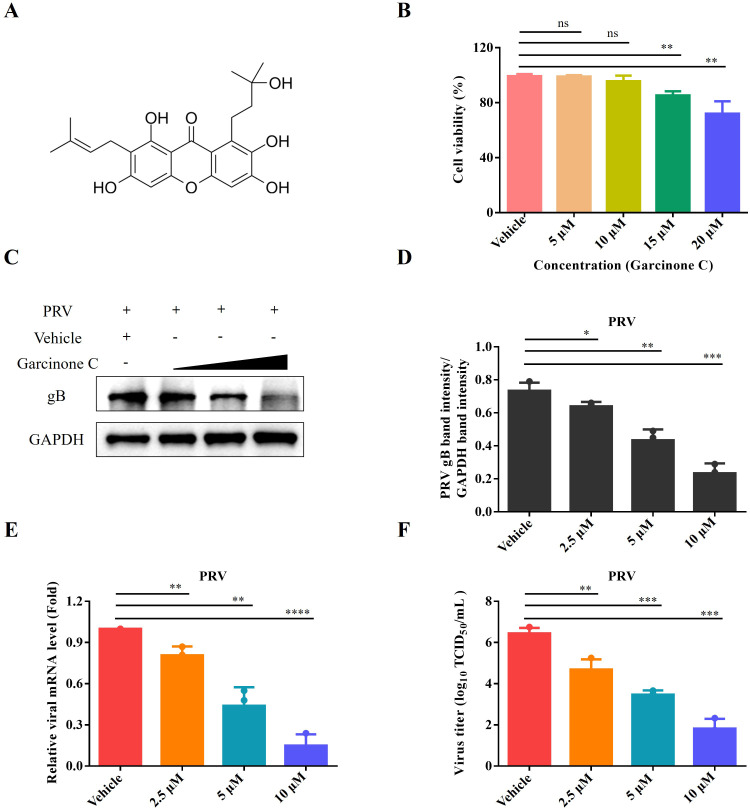 Figure 1
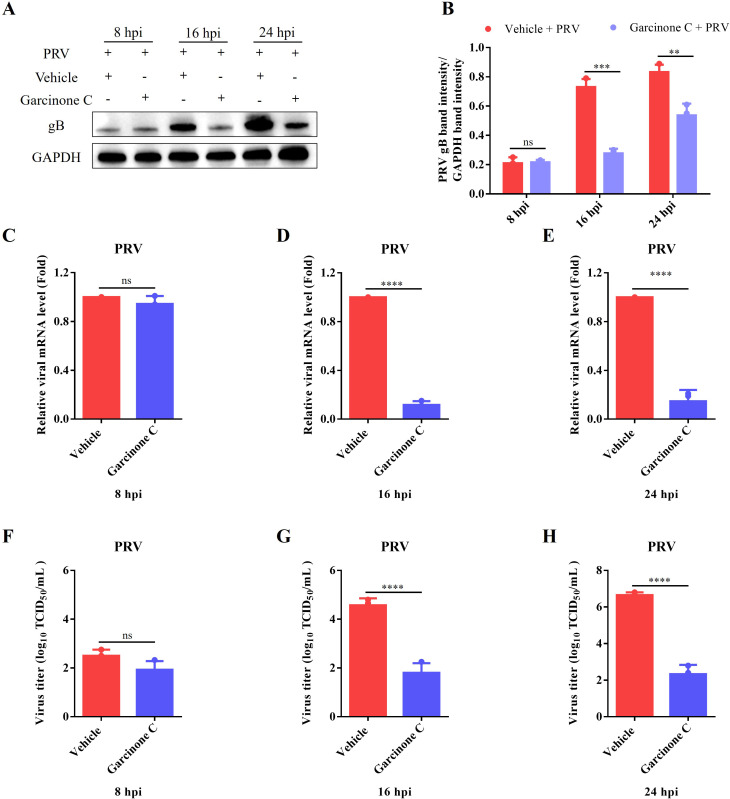 Figure 2
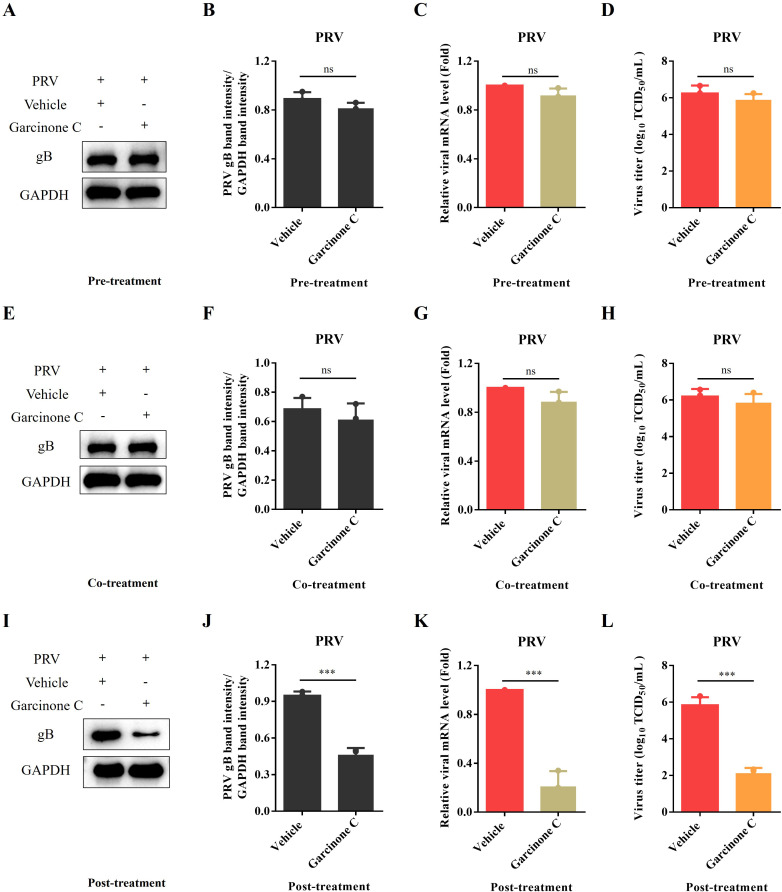 Figure 3
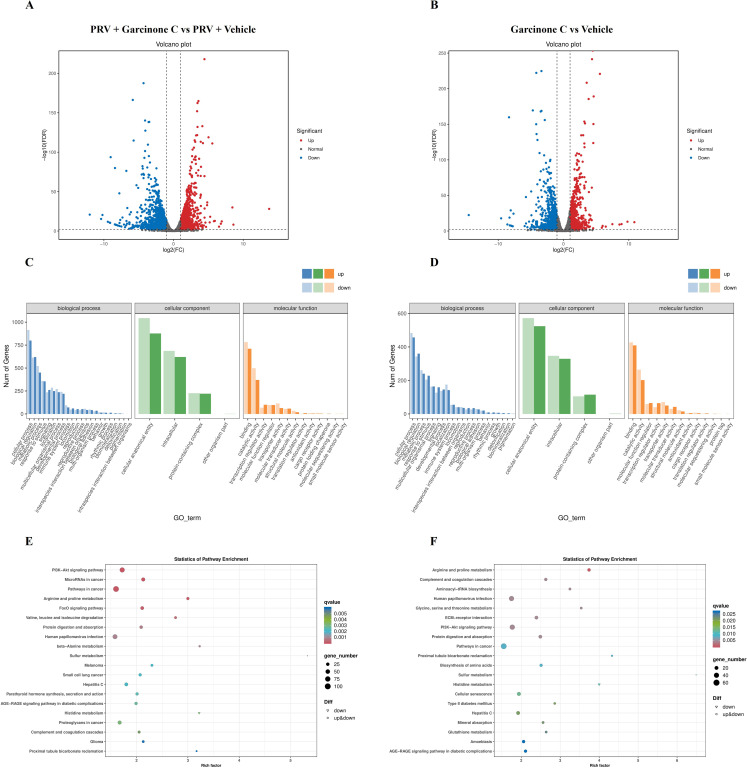 Figure 4
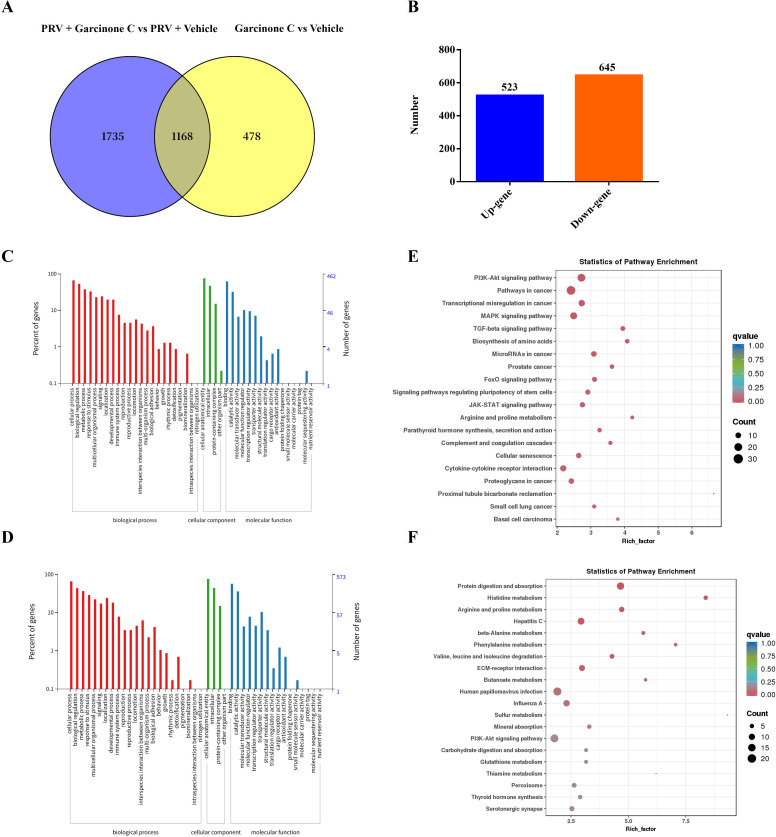 Figure 5
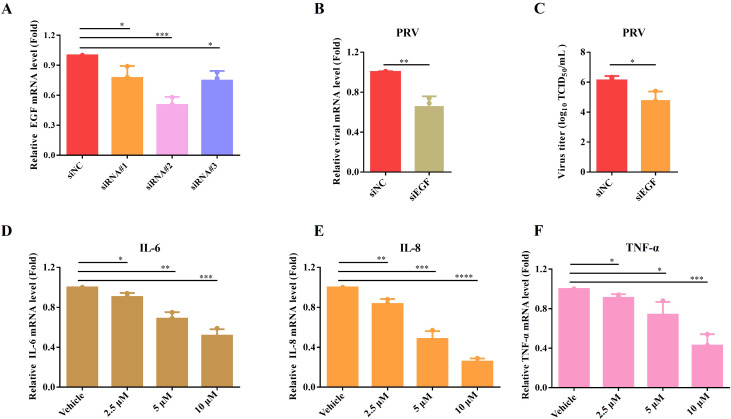 Figure 6
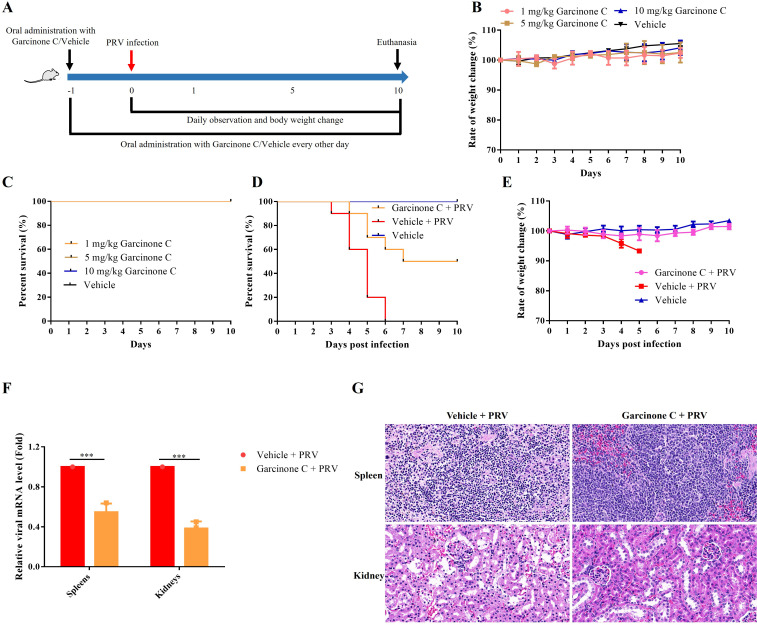 Figure 7
Peer Reviews
No public reviews on file for this paper yet. If you reviewed it on a platform where reviews are public (OpenReview, ICLR, NeurIPS, ICML), you can paste yours below so the community can read it here.
Videos
No videos yet. Explain this paper in a talk, walkthrough, or lecture? Add one.
Taxonomy
TopicsCurcumin's Biomedical Applications · Herpesvirus Infections and Treatments · Toxin Mechanisms and Immunotoxins