Platelet-to-lymphocyte ratio for prognostication in immune checkpoint inhibitor-treated cancer patients: a meta-analysis of 13027 patients highlighting nivolumab-responsive renal cell carcinoma
Mingxing Wang, Wanhui Dong, Jian Chen, Pantong Wu, Yuru Wang, Xiaonan Zhang, Yaning Cao, Zhiying Wang, Zhixian Zhong, Yi Zhong

TL;DR
This study finds that a high platelet-to-lymphocyte ratio is linked to worse survival in cancer patients treated with immune checkpoint inhibitors, especially in those with renal cell carcinoma treated with nivolumab.
Contribution
The study is the first to systematically analyze PLR's prognostic value across multiple cancer types and ICI classes, highlighting unique associations in nivolumab-treated renal cell carcinoma.
Findings
Elevated PLR is a strong predictor of shorter overall and progression-free survival in ICI-treated cancer patients.
PLR's prognostic value is most pronounced in hepatocellular, esophageal, and head and neck cancers, and in camrelizumab-treated gastrointestinal tumors.
Nivolumab-treated renal cell carcinoma patients with high PLR show uniquely worsened survival outcomes.
Abstract
To assess platelet-to-lymphocyte ratio (PLR) prognostic utility for overall (OS) and progression-free survival (PFS) in immune checkpoint inhibitor-treated cancer patients, and examine impacts of geography, cancer type, cutoff, ICI class, treatment line and stage. A systematic literature search identified studies investigating PLR and prognosis in ICI treated patients. Hazard ratios (HRs) with 95% confidence intervals (CIs) were pooled using random-effects models. Subgroup analyses examined key covariates; publication bias was assessed. Analysis of 98 publications (86 OS, 72 PFS) demonstrated that elevated PLR was a robust predictor of shorter OS (HR 1.79, 95% CI: 1.60-2.00) and PFS (HR 1.60, 95% CI: 1.44-1.78). Subgroup analyses revealed: (1) Geographic region: Asian populations exhibited the most consistent correlation with OS and the highest PFS risk (69%). (2) Cancer type: For OS,…
Genes, proteins, chemicals, diseases, species, mutations and cell lines named across the full text — each resolved to its canonical identifier and authoritative record.
Click any figure to enlarge with its caption.
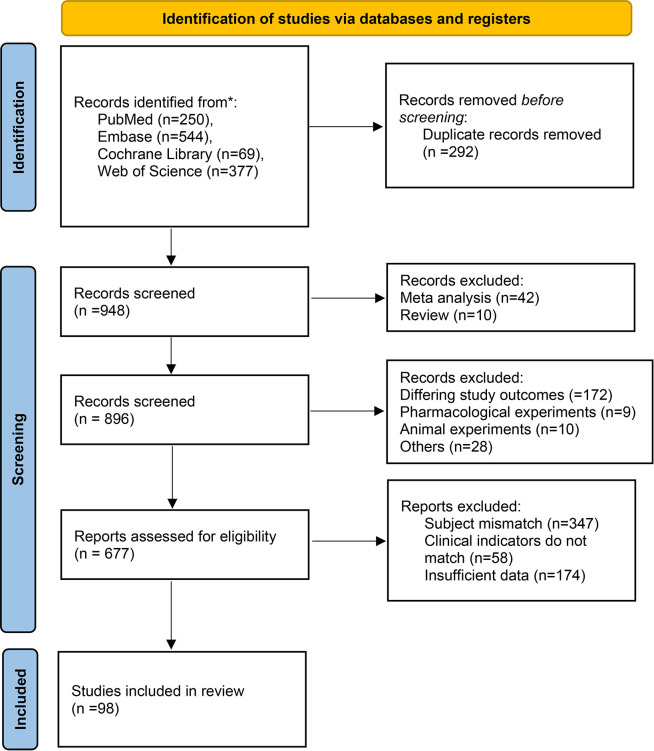 Figure 1
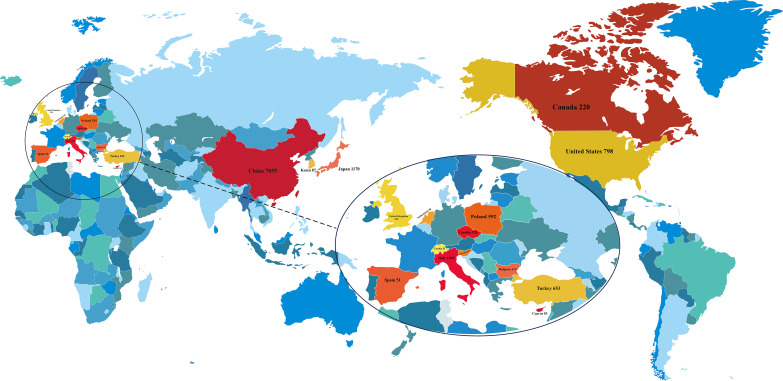 Figure 2
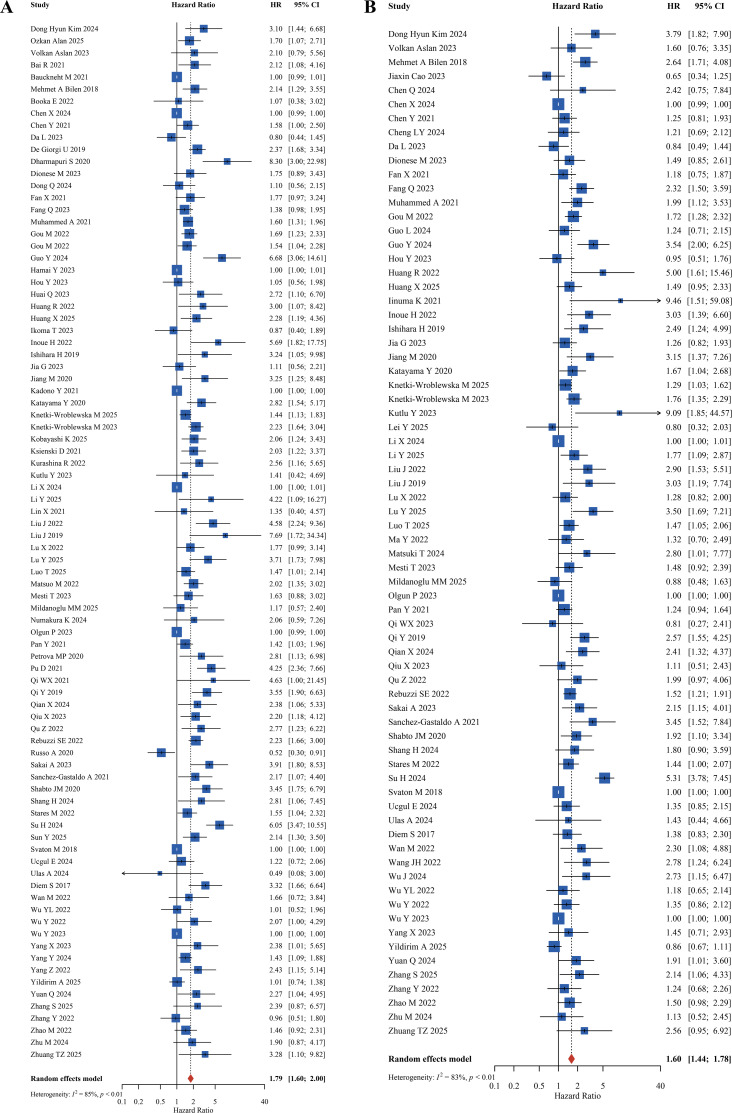 Figure 3
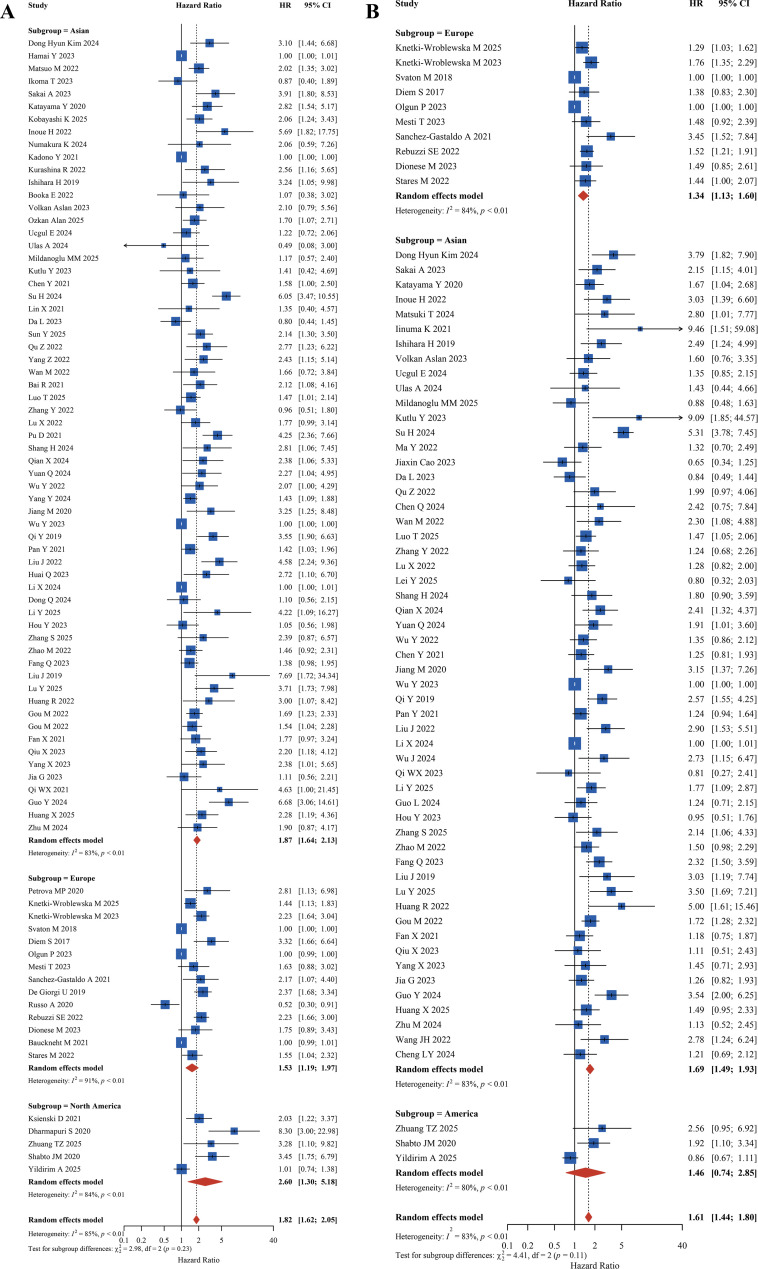 Figure 4
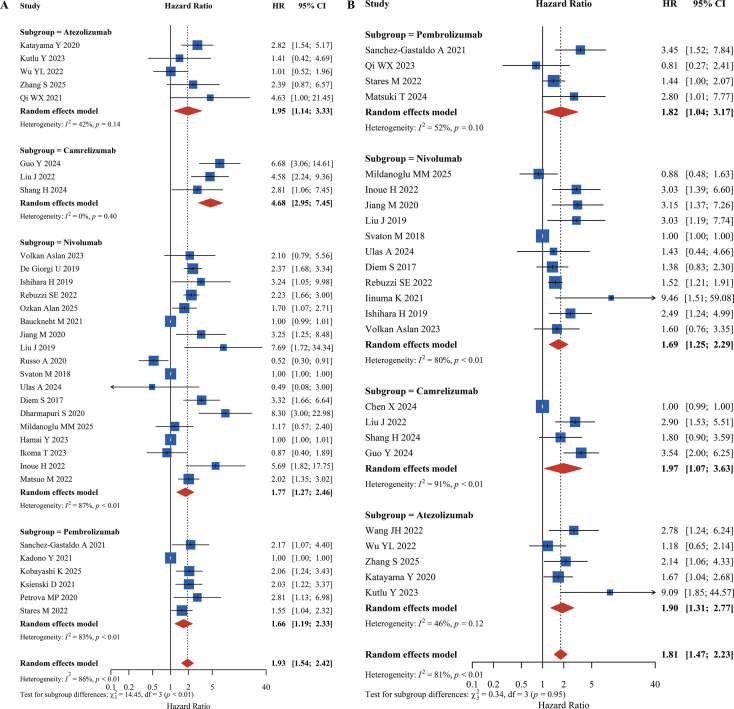 Figure 5
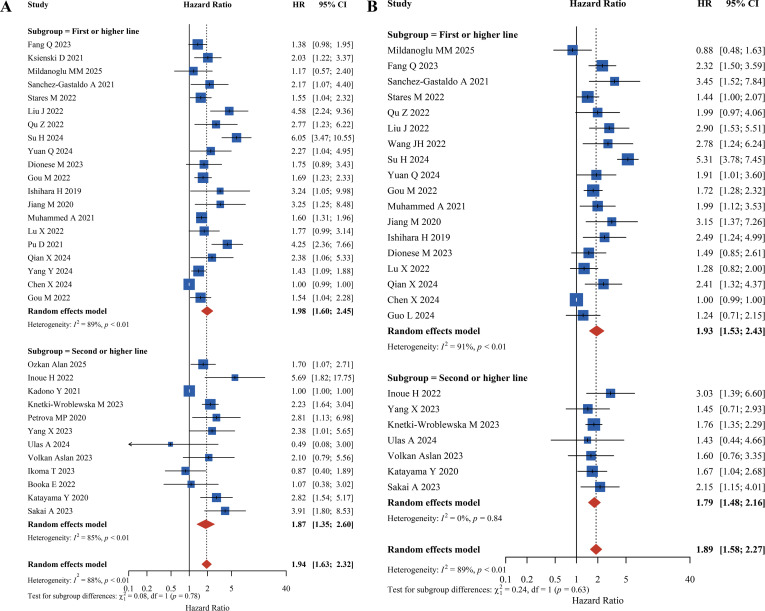 Figure 6
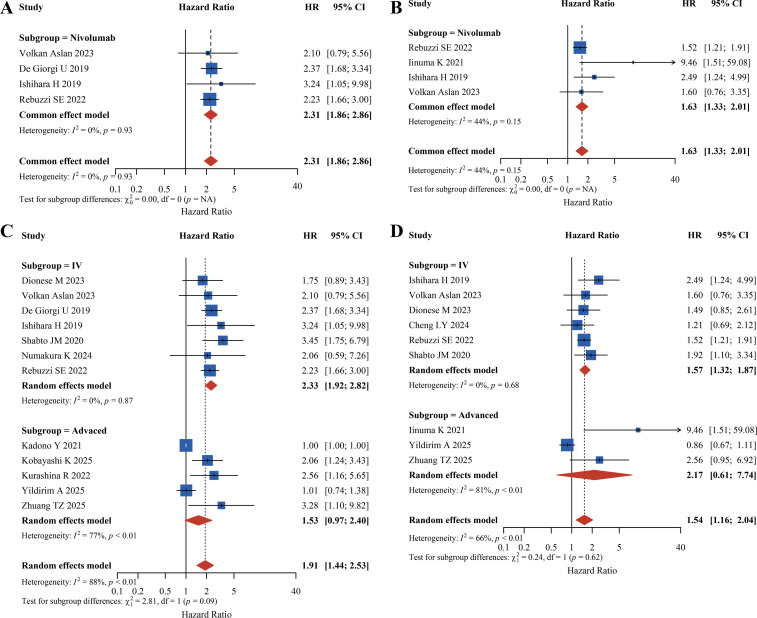 Figure 7
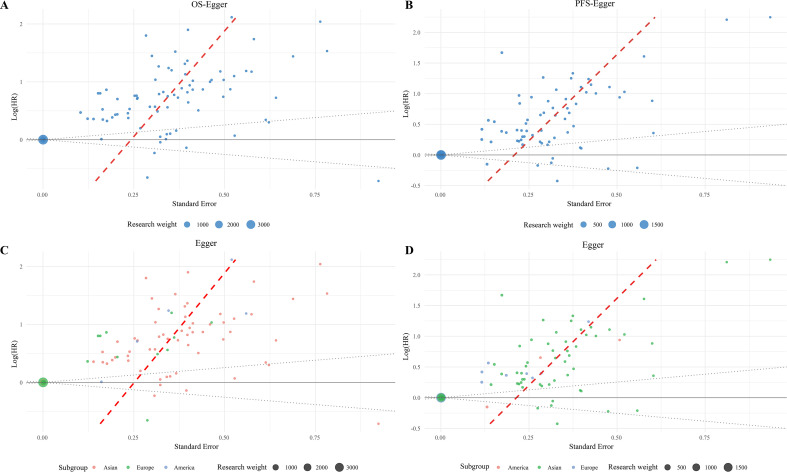 Figure 8
Peer Reviews
No public reviews on file for this paper yet. If you reviewed it on a platform where reviews are public (OpenReview, ICLR, NeurIPS, ICML), you can paste yours below so the community can read it here.
Videos
No videos yet. Explain this paper in a talk, walkthrough, or lecture? Add one.
Taxonomy
TopicsInflammatory Biomarkers in Disease Prognosis · Cancer Immunotherapy and Biomarkers · Viral-associated cancers and disorders