VNAR: shark single-domain antibodies for the new era of medical biotechnology
Richard A. Olivares-Olivares, Angélica R. Bravo, Carlos Garrido-Soto, Jonatan J. Carvajal, Augusto Manubens, Mariella Rivas, Carlos Bustamente, Angello Retamal-Díaz, Alexis M. Kalergis, Margarita K. Lay

TL;DR
Shark-derived single-domain antibodies called VNARs offer unique advantages for medical biotechnology due to their small size, stability, and ability to access hard-to-reach targets.
Contribution
This paper reviews VNARs' structural biology, display technologies, and therapeutic applications, emphasizing their potential in next-generation medicine.
Findings
VNARs can access cryptic epitopes inaccessible to traditional antibodies.
VNAR-based CAR-T cells showed strong anti-tumor effects in preclinical models.
The TXB2 VNAR platform enables non-invasive transport of biologics across the blood-brain barrier.
Abstract
Shark-derived single-domain antibodies, known as VNARs, represent unique and advanced tools in medical biotechnology. Recognized for their small size, simple structure, and exceptional stability, VNARs can access cryptic epitopes that are inaccessible to traditional antibodies, making them valuable tools for next-generation diagnostic and therapeutic applications. Additionally, their evolutionary origin and structural diversity provide resistance to extreme pH, temperature, and proteolytic environments, making them especially suitable for demanding biomedical settings such as ocular and intestinal applications. Recent progress highlights their growing clinical potential: VNAR-based CAR-T cells targeting PD-L1 demonstrated strong anti-tumor effects in preclinical assays, with VNAR-B2 successfully blocking PD-L1/PD-1 interactions and reducing tumor growth in mouse models. Meanwhile, the…
Genes, proteins, chemicals, diseases, species, mutations and cell lines named across the full text — each resolved to its canonical identifier and authoritative record.
Click any figure to enlarge with its caption.
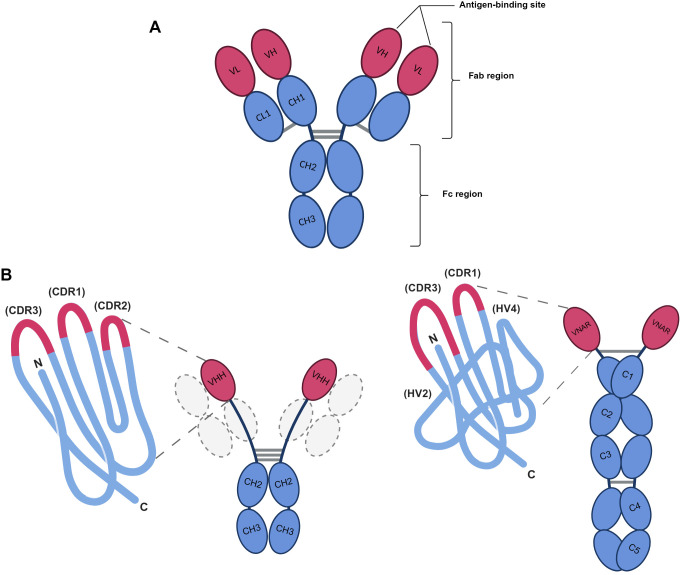 Figure 1
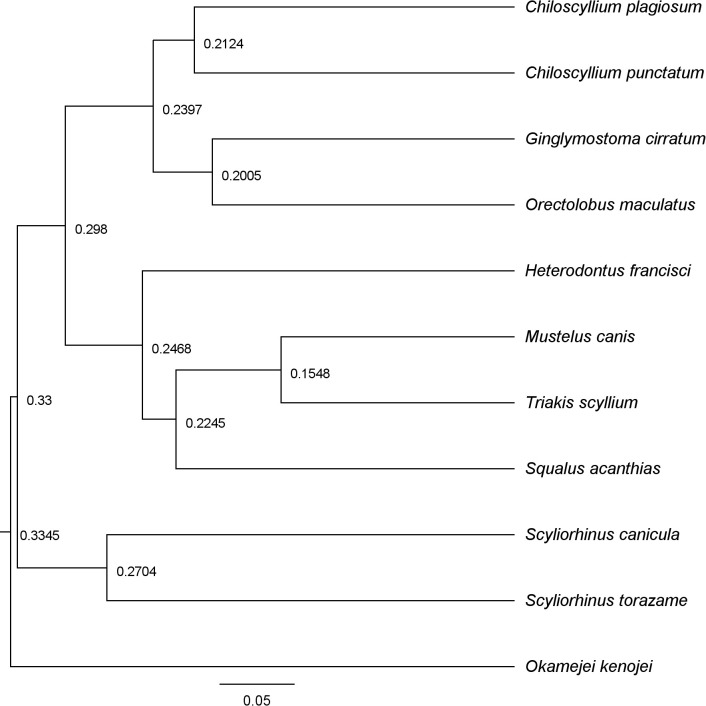 Figure 2
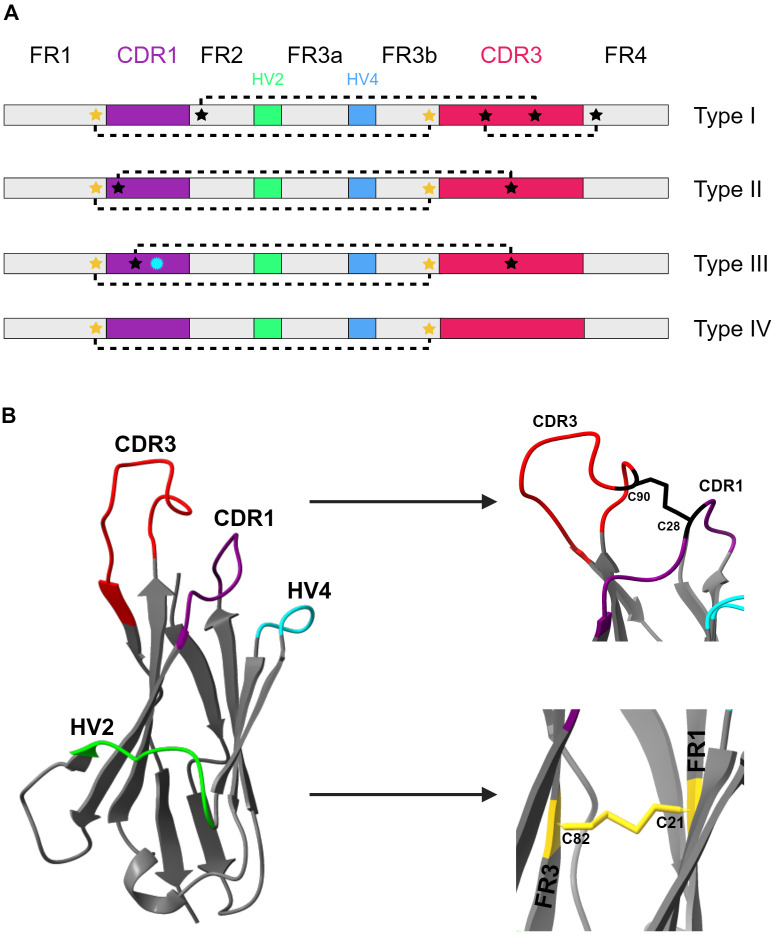 Figure 3
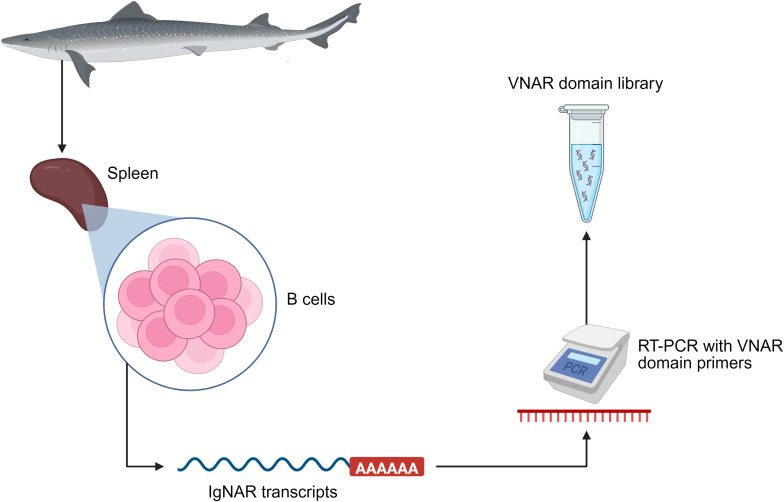 Figure 4
Peer Reviews
No public reviews on file for this paper yet. If you reviewed it on a platform where reviews are public (OpenReview, ICLR, NeurIPS, ICML), you can paste yours below so the community can read it here.
Videos
No videos yet. Explain this paper in a talk, walkthrough, or lecture? Add one.
Taxonomy
TopicsMonoclonal and Polyclonal Antibodies Research · Transgenic Plants and Applications · Biochemical and Structural Characterization