Brain imaging data and summary data-based Mendelian randomization analysis reveal the impact of multiorgan aging on schizophrenia
Yan-Kun Han, Miao-Yan Liu, Ding-long Yang, Jia-Xin Xie, Xiao-Hui Wang, Dong-Bao Wang, Yun-Long Liang, Cui-Cui Wang, Long-Biao Cui, Yu-Jing Chen, Hai-Jun Zhang

TL;DR
This study explores how aging in multiple organs may contribute to schizophrenia, using genetic data to identify key aging-related genes and pathways.
Contribution
The study reveals novel tissue-specific aging-related genes and pathways that may causally influence schizophrenia risk.
Findings
Tissue-specific aging genes like SNCA, ACE, and BRCA1 may influence schizophrenia risk through aging pathways.
The brain's predicted age difference was significantly higher in patients with high BRCA1 expression.
Multiorgan aging-related genes are linked to schizophrenia through cis-eQTL effects.
Abstract
The adverse health outcomes of schizophrenia (SZ) are largely driven by the high prevalence of other non-neurological diseases. In addition to accelerated brain aging, patients with SZ also exhibit signs of systemic aging. However, the potential causal or biological mechanisms between multisystem aging and schizophrenia remain unknown. We obtained SZ-associated single-nucleotide polymorphism (SNP) sets, aging gene data, and tissue-specific cis-expression quantitative trait locus (cis-eQTL) data of the cerebral cortex and other tissues from a previous two-stage genome-wide association study (GWAS), GeneCards database, and Genotype-Tissue Expression (GTEx) project. We employed tissue-specific Mendelian randomization (MR) analysis to elucidate the tissue-specific expression patterns of aging-related genes, and used the summary data-based MR (SMR) approach to obtain tissue aging-related…
Genes, proteins, chemicals, diseases, species, mutations and cell lines named across the full text — each resolved to its canonical identifier and authoritative record.
Click any figure to enlarge with its caption.
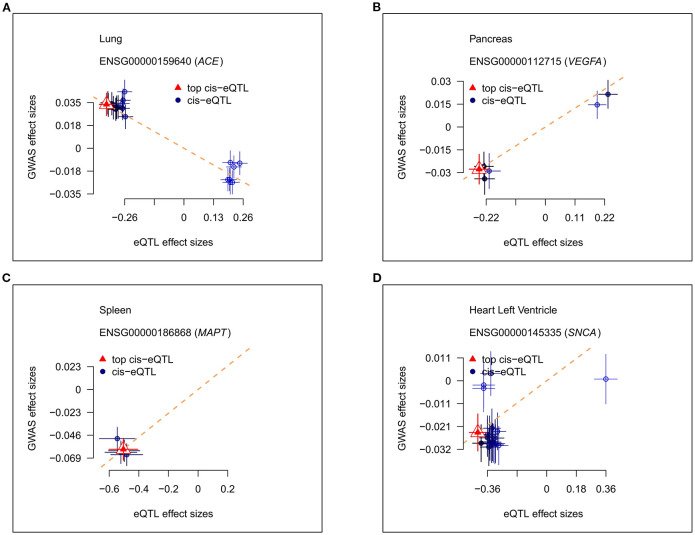 Figure 1
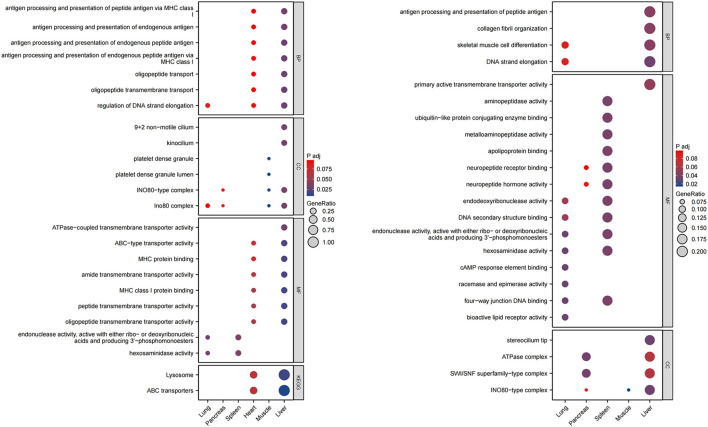 Figure 2
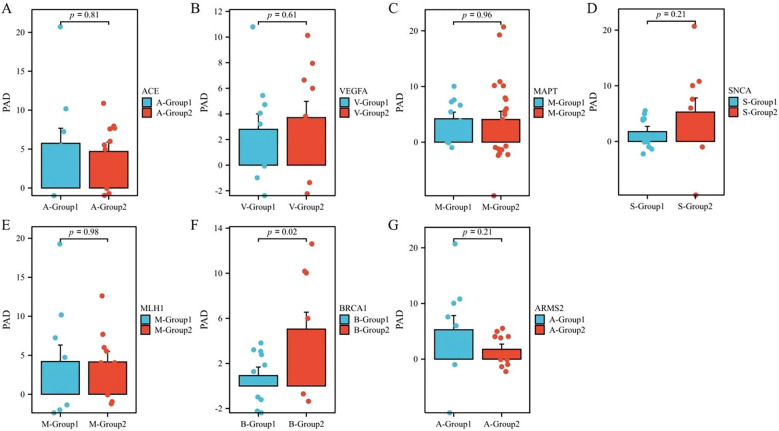 Figure 3
Peer Reviews
No public reviews on file for this paper yet. If you reviewed it on a platform where reviews are public (OpenReview, ICLR, NeurIPS, ICML), you can paste yours below so the community can read it here.
Videos
No videos yet. Explain this paper in a talk, walkthrough, or lecture? Add one.
Taxonomy
TopicsGenetic Associations and Epidemiology · Functional Brain Connectivity Studies · Renin-Angiotensin System Studies