Variability in Syndesmotic Screw Angles During Ankle Fracture Fixation: Insights From Postoperative CT Analysis
Tal Shachar, Oz Cohen, Omer Marom, Geva Sarrabia, Dor Dan, Nadav Haddad, David Segal, Ezequiel Palmanovich, Eyal Yaacobi, Nissim Ohana

TL;DR
This study finds that actual screw angles in ankle fracture surgeries often differ from recommended guidelines and that lower angles may lead to better outcomes.
Contribution
The study provides empirical evidence on the variability of screw angles and challenges the necessity of current fixation angle guidelines.
Findings
72% of patients achieved good syndesmotic reduction after surgery.
Posterior screw placement was significantly linked to poor reduction outcomes.
Lower screw angles (~15°) were associated with better reductions than the recommended 30°-45°.
Abstract
Background Syndesmotic screw fixation is a widely used technique for stabilizing ankle fractures with syndesmotic disruption. While current guidelines recommend screw insertion at an angle of 30°-45° relative to the anterior foot, limited evidence supports whether these angles are routinely achieved in clinical settings or are necessary for optimal outcomes. This study aimed to assess the angles actually obtained in practice and to identify radiographic factors associated with successful syndesmotic reduction. Methods This retrospective study evaluated 100 patients treated with syndesmotic screw fixation for ankle fractures at a secondary referral hospital. Postoperative CT scans were used to assess screw angle, tibiofibular distances, and the quality of syndesmotic reduction. All angle measurements were taken in the neutral ankle position using the second metatarsal head as a…
Genes, proteins, chemicals, diseases, species, mutations and cell lines named across the full text — each resolved to its canonical identifier and authoritative record.
Click any figure to enlarge with its caption.
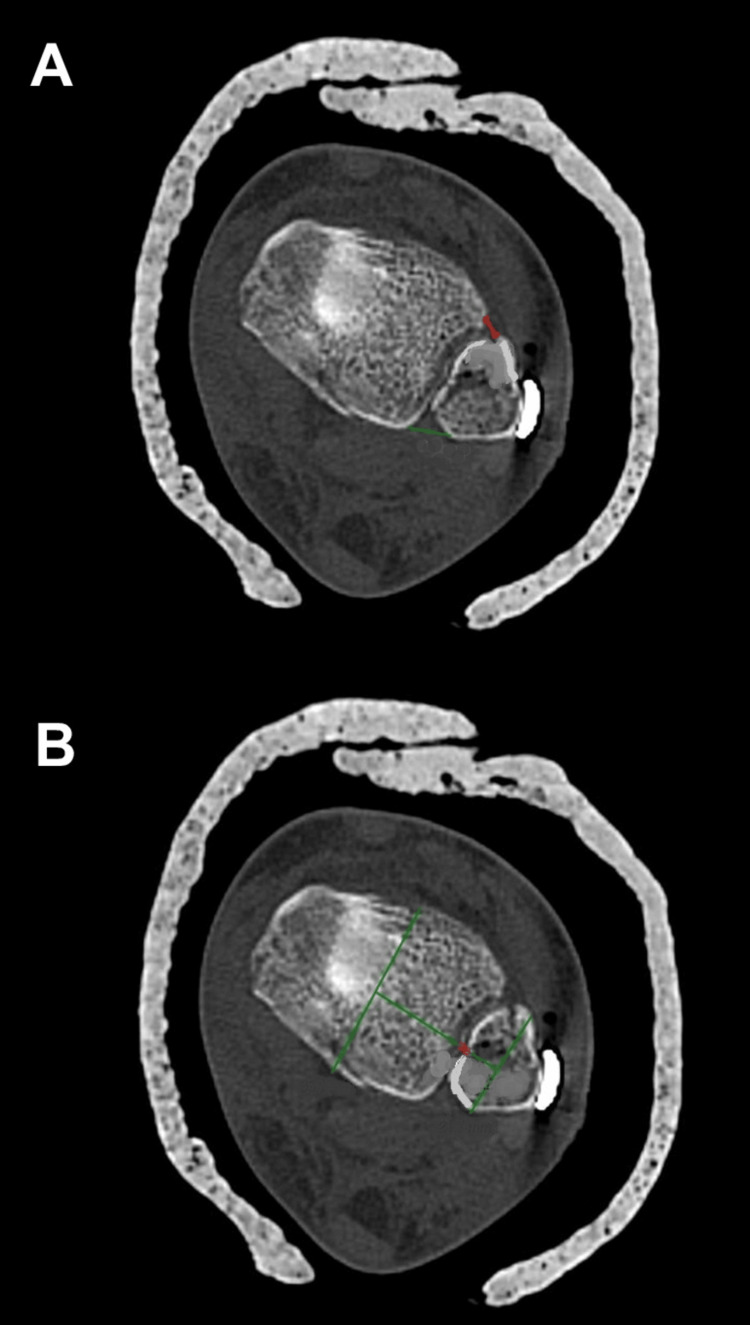 Figure 1
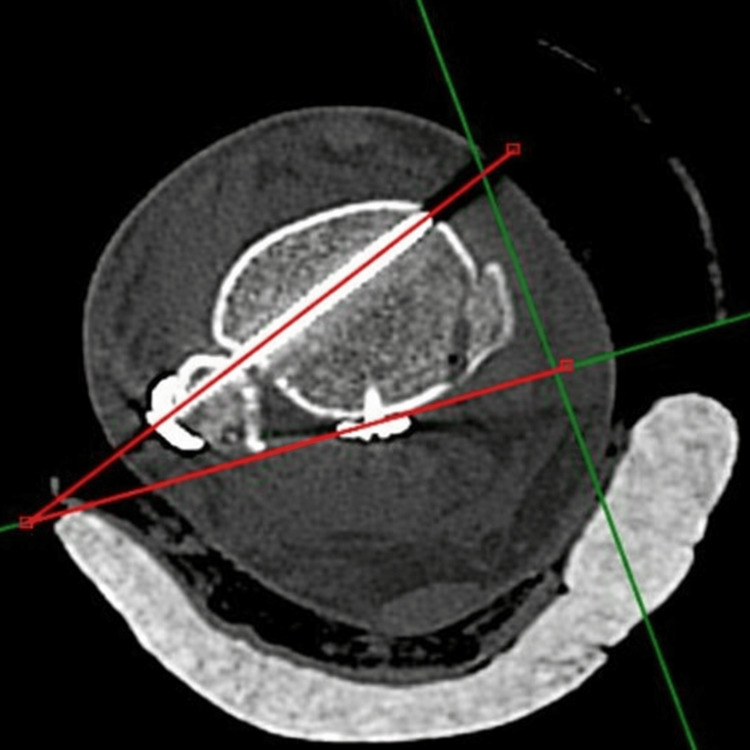 Figure 2
Peer Reviews
No public reviews on file for this paper yet. If you reviewed it on a platform where reviews are public (OpenReview, ICLR, NeurIPS, ICML), you can paste yours below so the community can read it here.
Videos
No videos yet. Explain this paper in a talk, walkthrough, or lecture? Add one.
Taxonomy
TopicsFoot and Ankle Surgery · Bone fractures and treatments · Lower Extremity Biomechanics and Pathologies