Propolis alleviates brain tissue damage and oxidative abnormalities in streptozotocin (STZ)-induced diabetes
Ahmed M. Ashour

TL;DR
Propolis, a natural bee product, reduces brain damage and oxidative stress in diabetic rats, suggesting it could be a promising natural treatment for diabetes-related brain complications.
Contribution
This study demonstrates propolis's neuroprotective effects in a diabetic rat model through antioxidant and anti-inflammatory mechanisms.
Findings
Propolis treatment reduced fasting blood glucose and insulin levels in diabetic rats.
Propolis improved lipid profiles and decreased oxidative stress and inflammation in brain tissue.
Histological analysis showed reduced brain tissue damage in propolis-treated diabetic rats.
Abstract
Diabetes is a serious and rapidly growing global health issue that can affect many organs, including the brain. It is often linked to complications such as cardiovascular disease and cerebral ischemia. Propolis, a natural resin produced by honey bees, is rich in phenols and flavonoids known for their antioxidant, anti-inflammatory, and immune-modulating properties. This primary aim in this research was to evaluate the neuroprotective effects of propolis on brain tissue in rats that have diabetes which is introduced through nicotinamide (NA) and streptozotocin (STZ). Male Wistar rats were separated into categories. Except for the control category, all were fed a diet that had high fat levels. Diabetes was induced using intraperitoneal injections of NA and STZ. After induction, diabetic rats received oral propolis at doses of 50 or 100 mg/kg daily for eight weeks. Throughout the study,…
Genes, proteins, chemicals, diseases, species, mutations and cell lines named across the full text — each resolved to its canonical identifier and authoritative record.
Click any figure to enlarge with its caption.
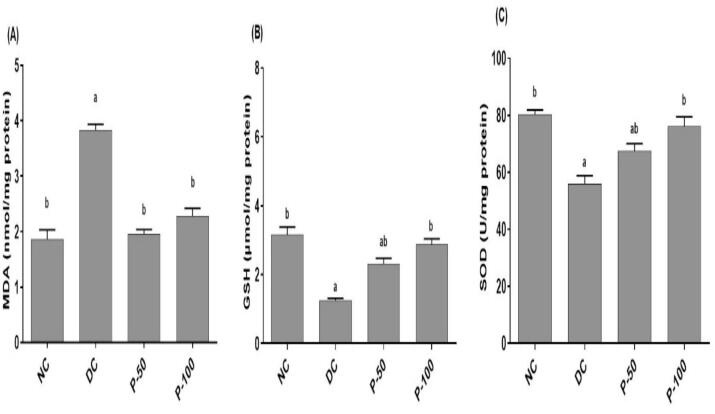 Figure 1
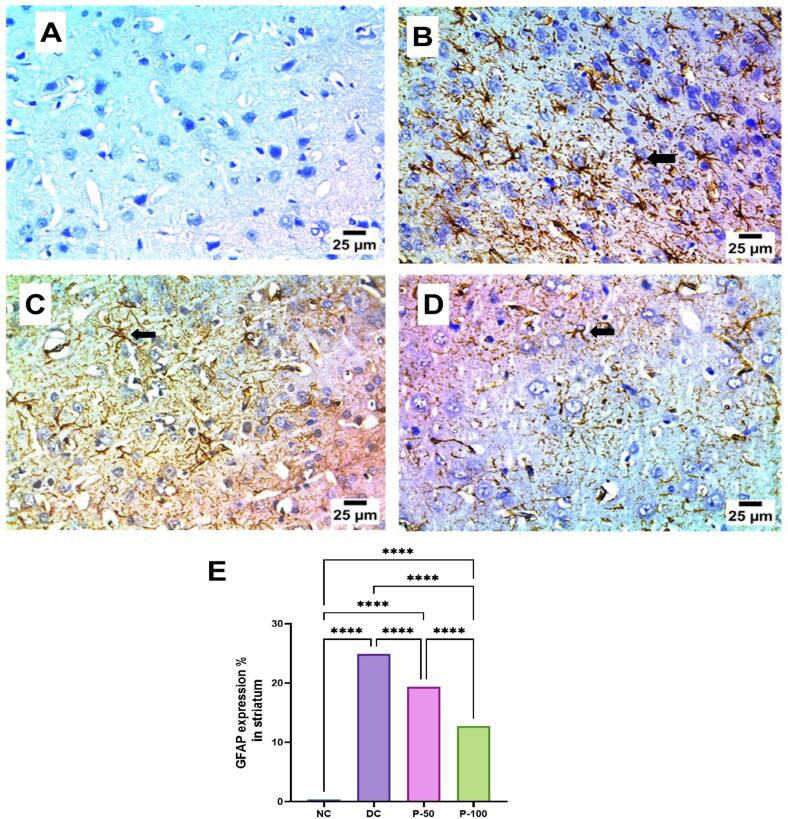 Figure 2
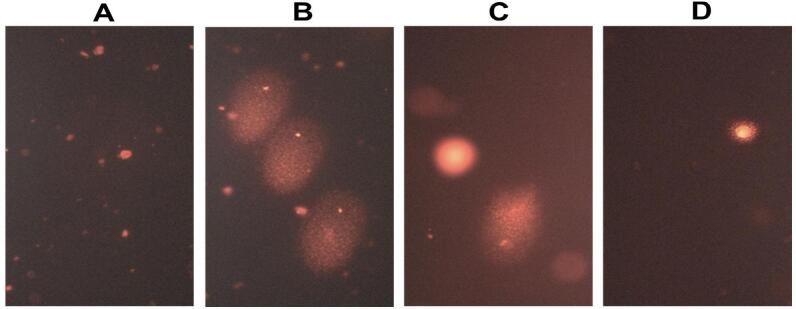 Figure 3
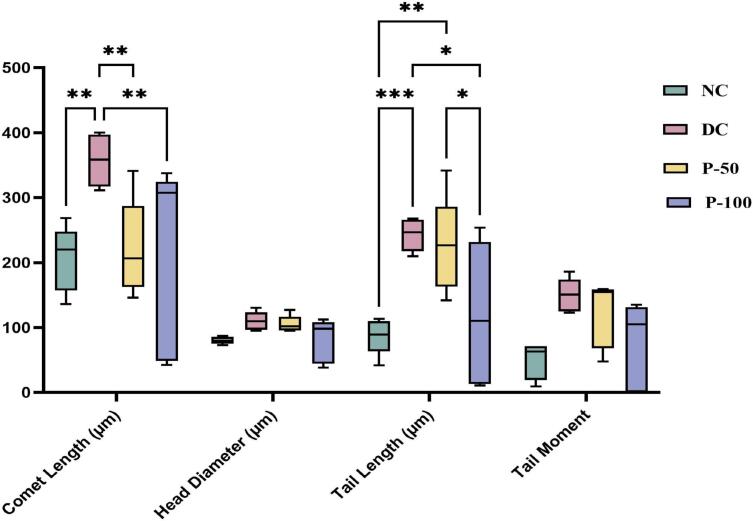 Figure 4
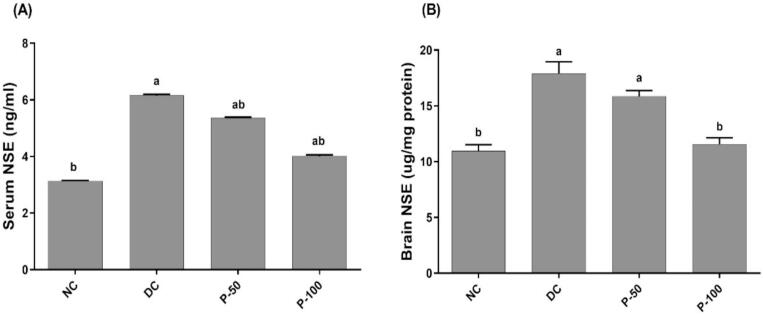 Figure 5
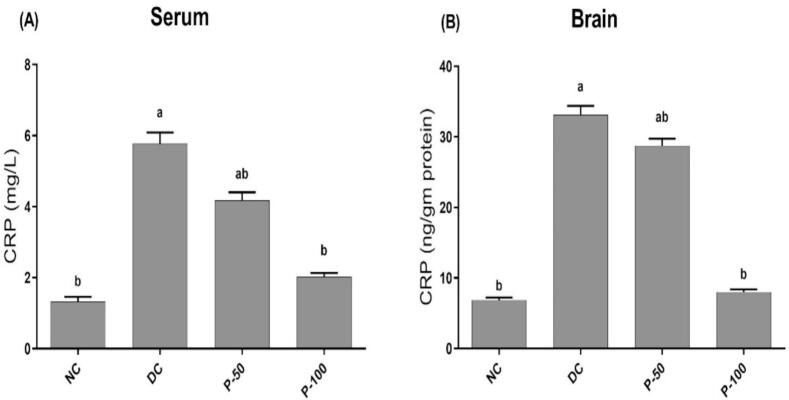 Figure 6
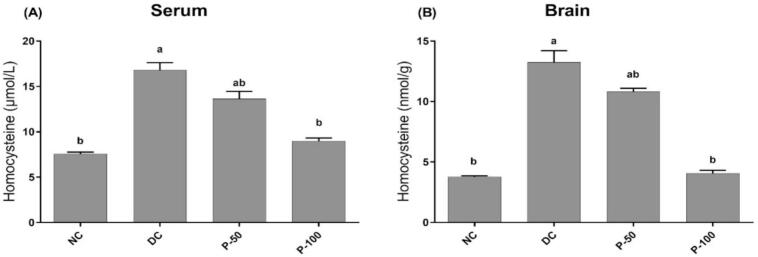 Figure 7
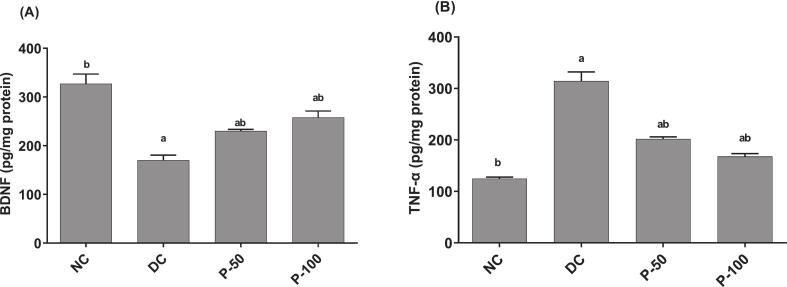 Figure 8
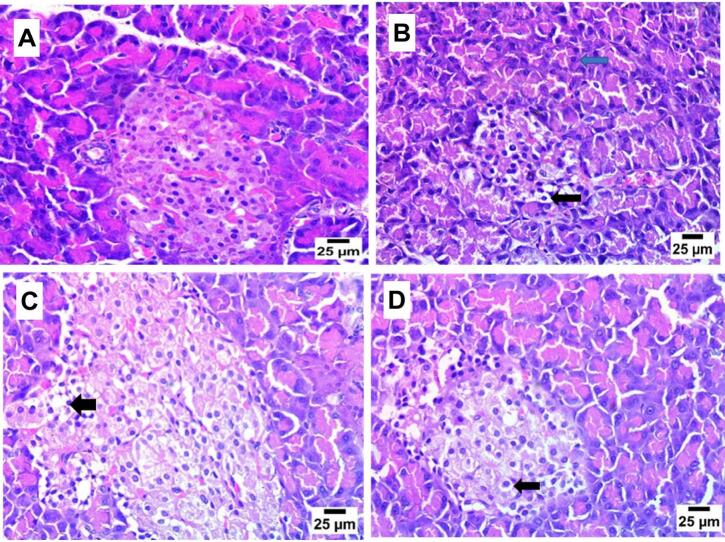 Figure 9
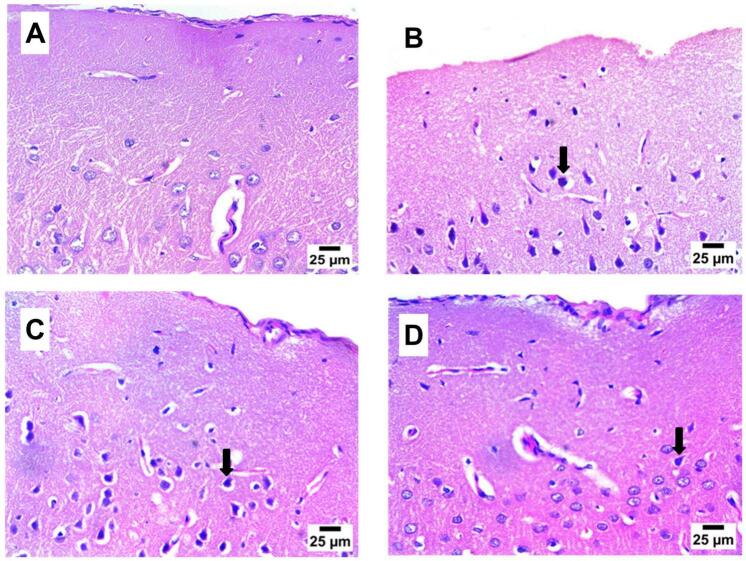 Figure 10
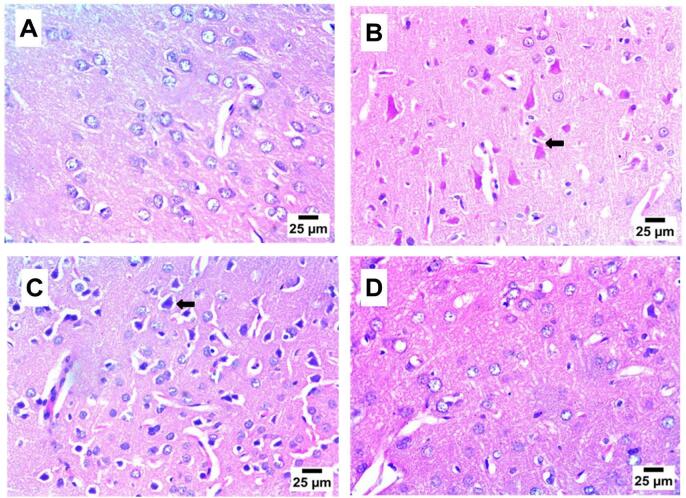 Figure 11
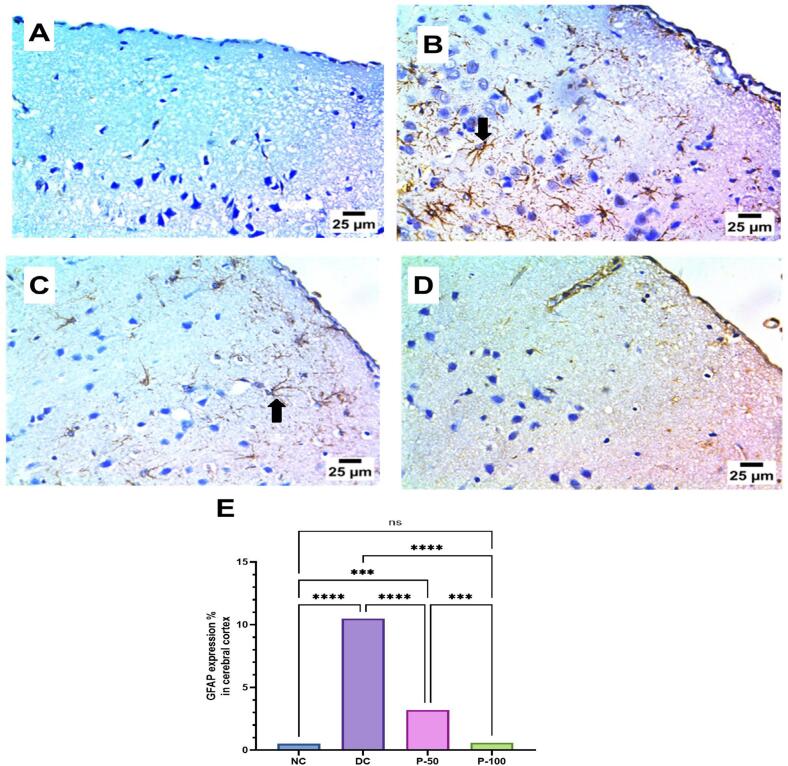 Figure 12
Peer Reviews
No public reviews on file for this paper yet. If you reviewed it on a platform where reviews are public (OpenReview, ICLR, NeurIPS, ICML), you can paste yours below so the community can read it here.
Videos
No videos yet. Explain this paper in a talk, walkthrough, or lecture? Add one.
Taxonomy
TopicsBee Products Chemical Analysis · Healthcare and Venom Research · Neurological Disorders and Treatments