Oxidative stress-mediated responses in endometrial cancer cells: contrasting effects of doxorubicin and menadione
Joanna Kozak, Sandra Tkaczyk–Beraś, Krzysztof Jędraszek

TL;DR
The study compares how two endometrial cancer cell lines respond to oxidative and genotoxic stress, highlighting differences in antioxidant defenses.
Contribution
The research identifies cell line-specific redox responses and highlights potential therapeutic targets in endometrial cancer.
Findings
AN3CA cells are more sensitive to doxorubicin, while KLE cells are more vulnerable to menadione.
SESN2, SESN3, and SOD1 show biphasic expression patterns under stress.
mRNA and protein levels of antioxidant genes do not always correlate, suggesting post-transcriptional regulation.
Abstract
Oxidative stress plays a crucial role in the development and treatment response of endometrial cancer, yet the antioxidant defense mechanisms in different tumor subtypes remain unclear. We investigated the cellular response to oxidative (menadione) and genotoxic (doxorubicin) stress in two TP53-mutated endometrial cancer cell lines, AN3CA and KLE. Cell viability, reactive oxygen species (ROS) levels, and the expression of antioxidant-related genes (SESN2, SESN3, SOD1) were assessed using qPCR and In-Cell Western assays. AN3CA cells showed greater sensitivity to doxorubicin, marked by increased ROS and reduced viability, while KLE cells were more susceptible to menadione-induced toxicity. Protein expression analysis revealed a biphasic response: low doses of doxorubicin transiently increased SESN and SOD1 expression, whereas higher doses suppressed them. Gene expression at the mRNA…
Genes, proteins, chemicals, diseases, species, mutations and cell lines named across the full text — each resolved to its canonical identifier and authoritative record.
Click any figure to enlarge with its caption.
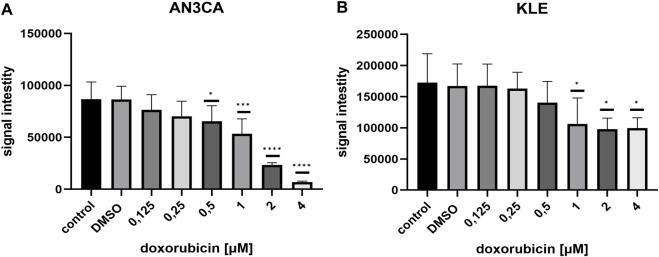 Figure 1
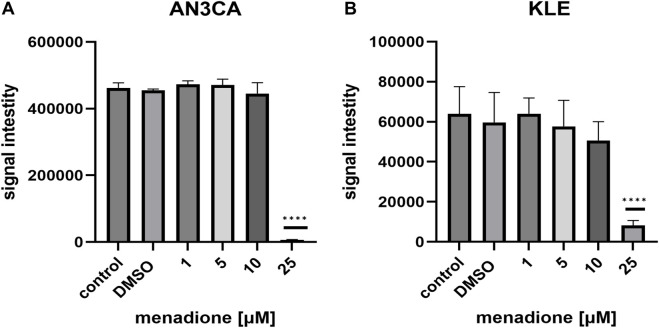 Figure 2
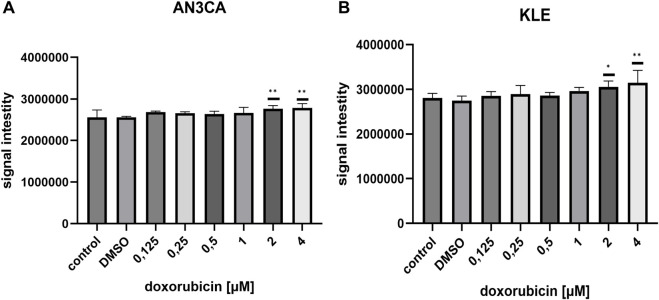 Figure 3
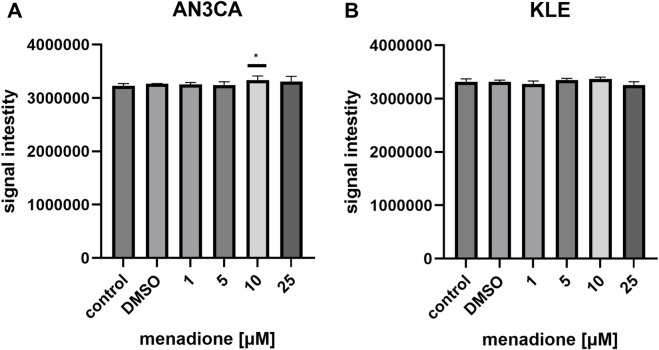 Figure 4
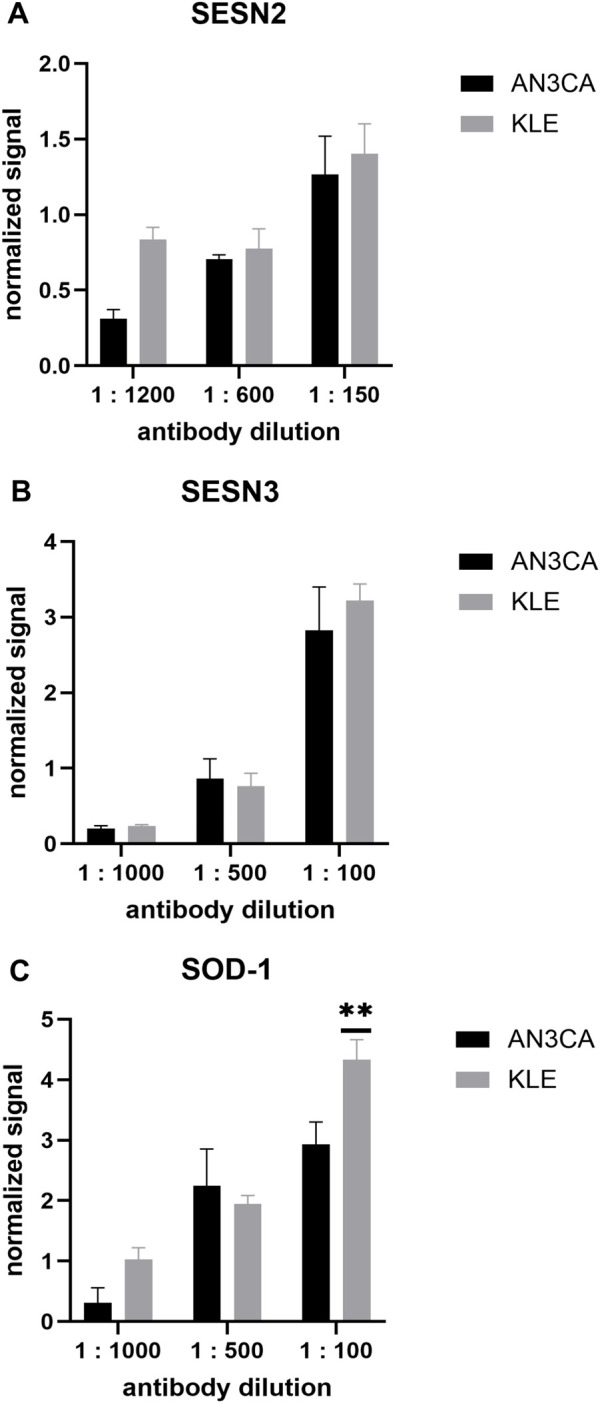 Figure 5
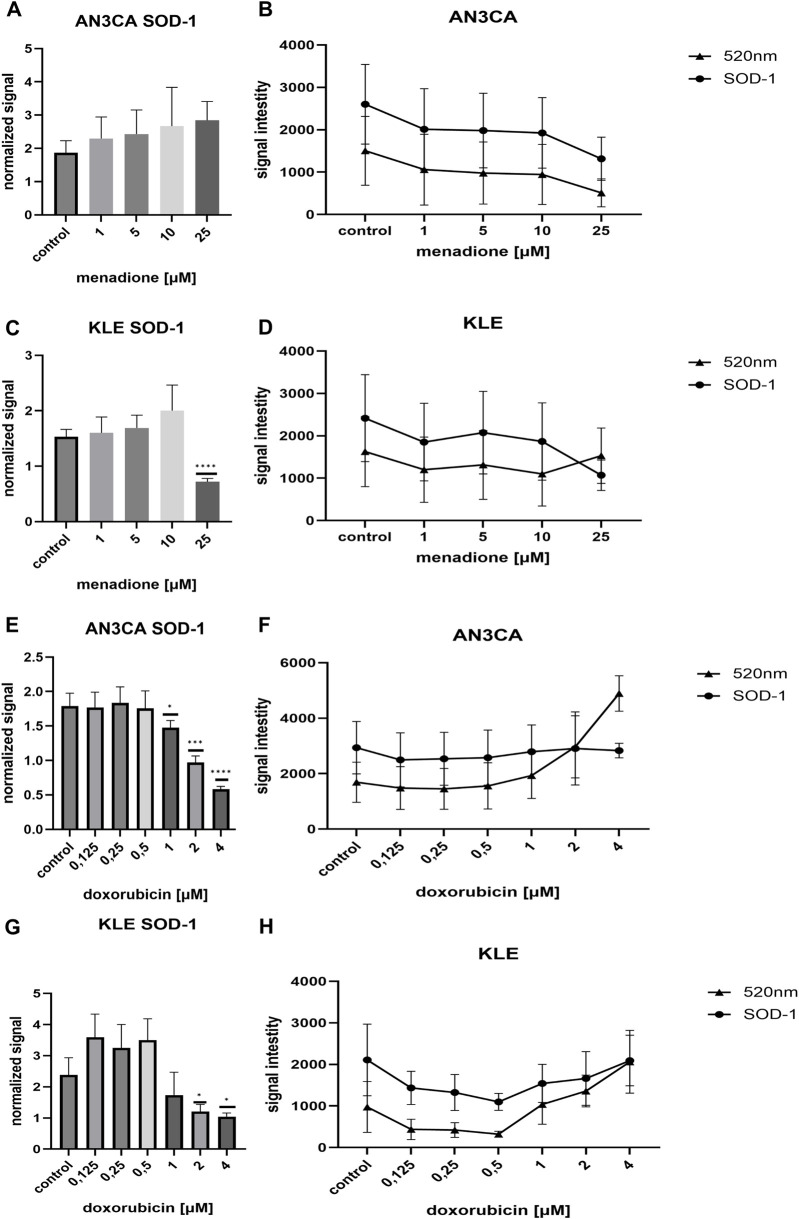 Figure 6
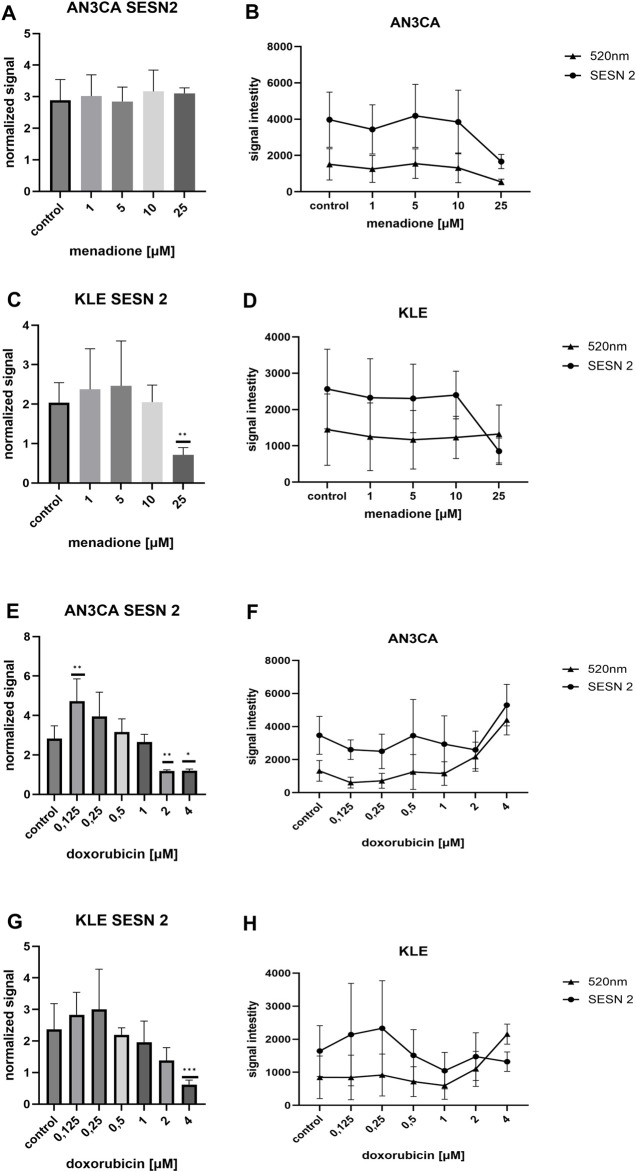 Figure 7
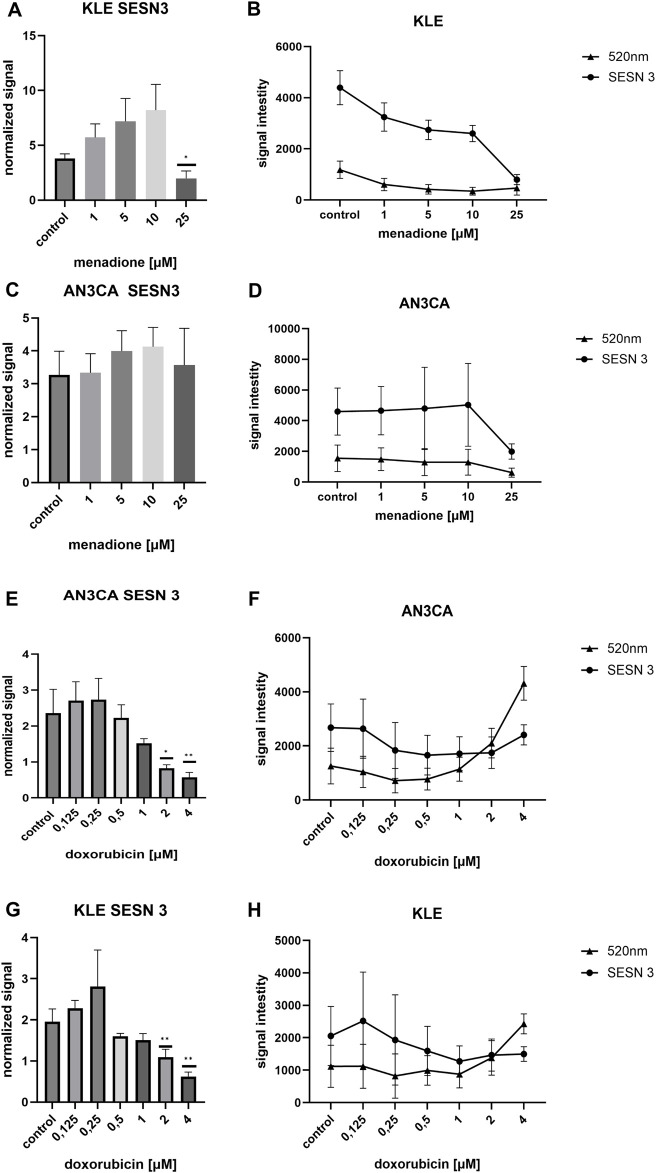 Figure 8
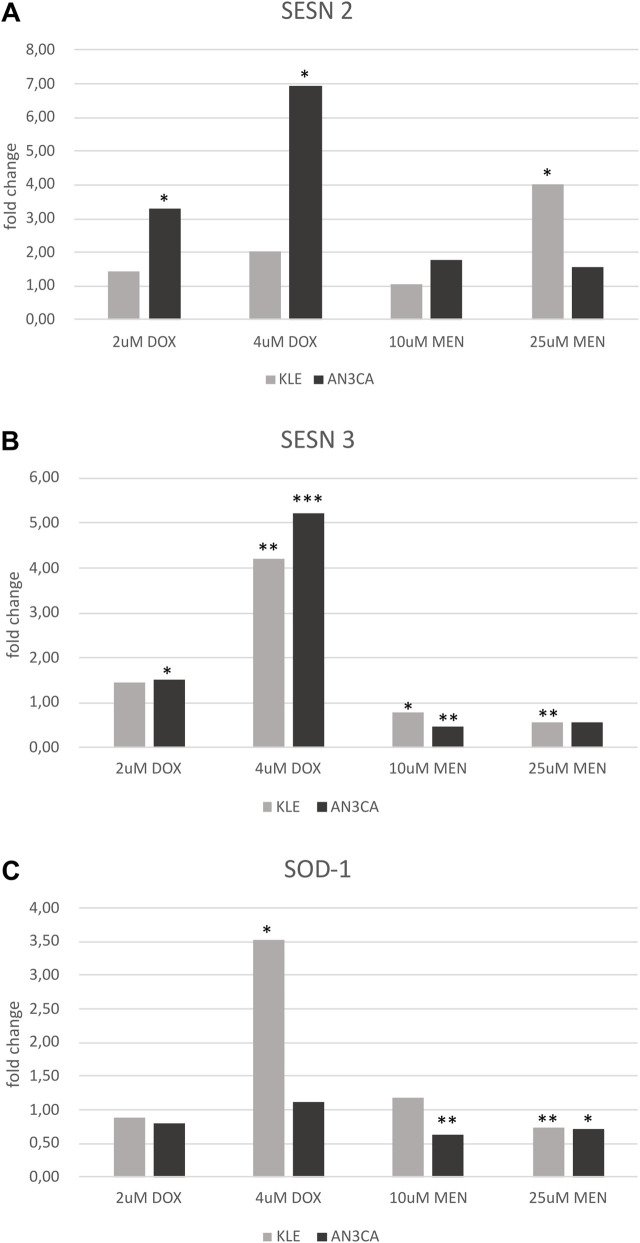 Figure 9
Peer Reviews
No public reviews on file for this paper yet. If you reviewed it on a platform where reviews are public (OpenReview, ICLR, NeurIPS, ICML), you can paste yours below so the community can read it here.
Videos
No videos yet. Explain this paper in a talk, walkthrough, or lecture? Add one.
Taxonomy
TopicsVitamin C and Antioxidants Research · Antioxidant Activity and Oxidative Stress · Redox biology and oxidative stress