Intermittent theta burst stimulation (iTBS) and inhibitory control training to reduce binge eating: study protocol for a randomized controlled trial (Be-Nemoic)
Marta Becerra-Losada, Andrea Bernat-Villena, Francisco Javier Pérez-Comino, Luz Stella Algarra-López, Raquel Vilar-López, Alfonso Caracuel

TL;DR
This study tests if combining brain stimulation with training to improve impulse control can reduce binge eating symptoms.
Contribution
The study explores a novel combination of inhibitory control training and intermittent theta burst stimulation for treating binge eating.
Findings
The trial will assess the impact of iTBS combined with inhibitory control training on binge eating symptoms and food cravings.
fMRI will be used to evaluate changes in brain activation and connectivity following the interventions.
The study will measure cost-effectiveness and long-term outcomes up to 3 months post-treatment.
Abstract
Binge eating is a complex and often underdetected condition characterized by recurrent episodes of excessive food intake accompanied by a perceived loss of control, leading to significant psychological and health consequences. Although pharmacological, psychological, and nutritional treatments are available, their effectiveness remains limited—possibly due to an insufficient understanding of the underlying cognitive and neurobiological mechanisms. Impulsivity, particularly food-specific impulsivity, has been identified as a key factor in binge eating, with inhibitory control deficits associated with increased cravings, maladaptive eating behaviors, and impaired decision-making. Recent studies suggest that inhibitory control training and non-invasive brain stimulation—especially intermittent theta burst stimulation (iTBS) targeting prefrontal regions such as the dorsolateral (dlPFC) or…
Genes, proteins, chemicals, diseases, species, mutations and cell lines named across the full text — each resolved to its canonical identifier and authoritative record.
Click any figure to enlarge with its caption.
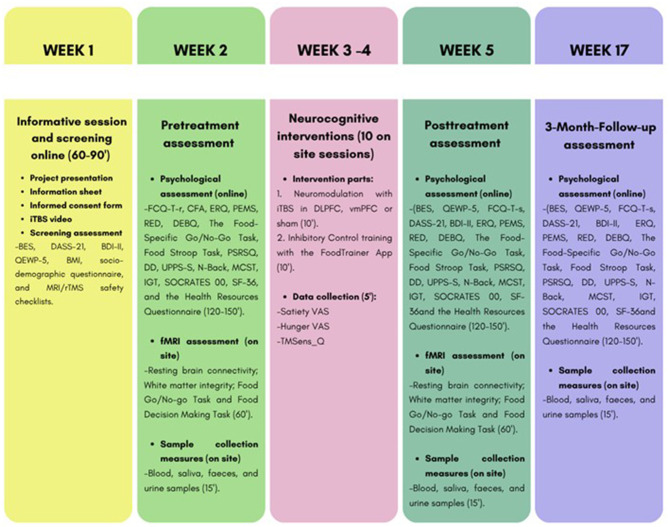 Figure 1
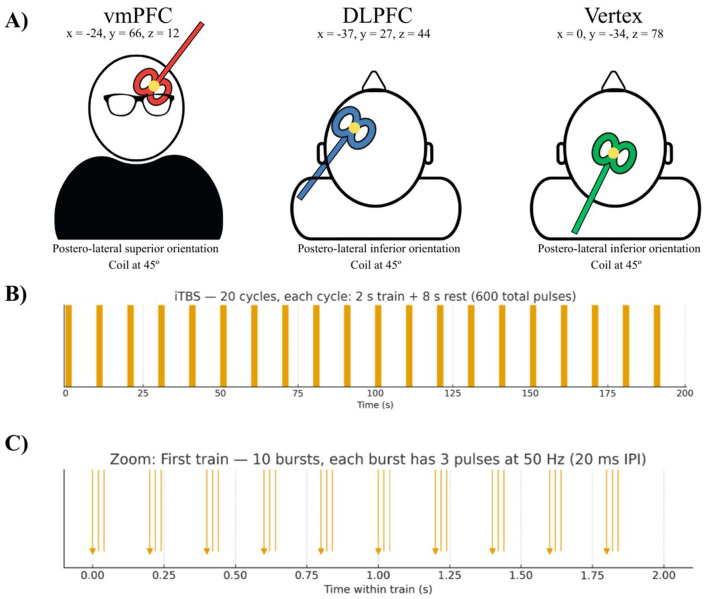 Figure 2
Peer Reviews
No public reviews on file for this paper yet. If you reviewed it on a platform where reviews are public (OpenReview, ICLR, NeurIPS, ICML), you can paste yours below so the community can read it here.
Videos
No videos yet. Explain this paper in a talk, walkthrough, or lecture? Add one.
Taxonomy
TopicsEating Disorders and Behaviors · Child Nutrition and Feeding Issues · Consumer Retail Behavior Studies