A systematic review of treatment strategies to combat acute and chronic rejection episodes in vascularized composite allotransplantation
Leonard Knoedler, Tobias Niederegger, Thomas Schaschinger, Gabriel Hundeshagen, Robert Munzinger, Max Heiland, Curtis L. Cetrulo, Alexandre G. Lellouch

TL;DR
This review analyzes treatment strategies for managing rejection in vascularized composite allotransplantation, highlighting common symptoms and therapies used in acute and chronic rejection.
Contribution
The study provides a systematic review of immunosuppressive protocols and outcomes in VCA rejection, emphasizing the need for improved strategies and standardized protocols.
Findings
Acute rejection occurred in 60% of recipients, with skin lesions, edema, and erythema as common symptoms.
Corticosteroids were the mainstay treatment (72%), often combined with tacrolimus or other immunosuppressants.
Chronic rejection remains under-recognized and harder to treat, highlighting the need for novel immunomodulators.
Abstract
Vascularized composite allotransplantation (VCA) offers unique reconstructive solutions for severe tissue loss, restoring form and function. Acute and chronic rejection remains a significant barrier, with acute episodes occurring in most recipients and chronic rejection persisting as the leading cause of graft failure. Unlike solid organ transplantation, VCA involves highly immunogenic tissues, like skin and mucosa, making rejection more frequent and challenging to manage. A systematic review was conducted following PRISMA 2020, searching PubMed/MEDLINE, EMBASE, and Web of Science for original human VCA studies reporting immunosuppressive protocols and outcomes in acute or chronic rejection. Quality was assessed using the Newcastle–Ottawa Scale and Level of Evidence; extracted data included demographics, regimens, rejection episodes, treatments, and graft survival. Fourty-six studies…
Genes, proteins, chemicals, diseases, species, mutations and cell lines named across the full text — each resolved to its canonical identifier and authoritative record.
Click any figure to enlarge with its caption.
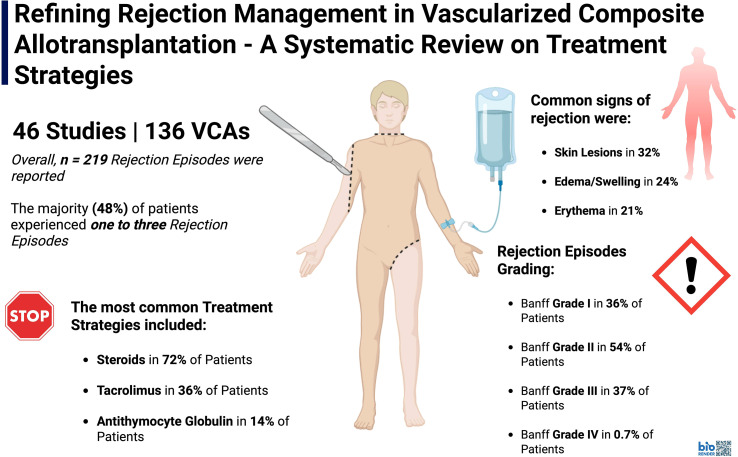 Figure 1
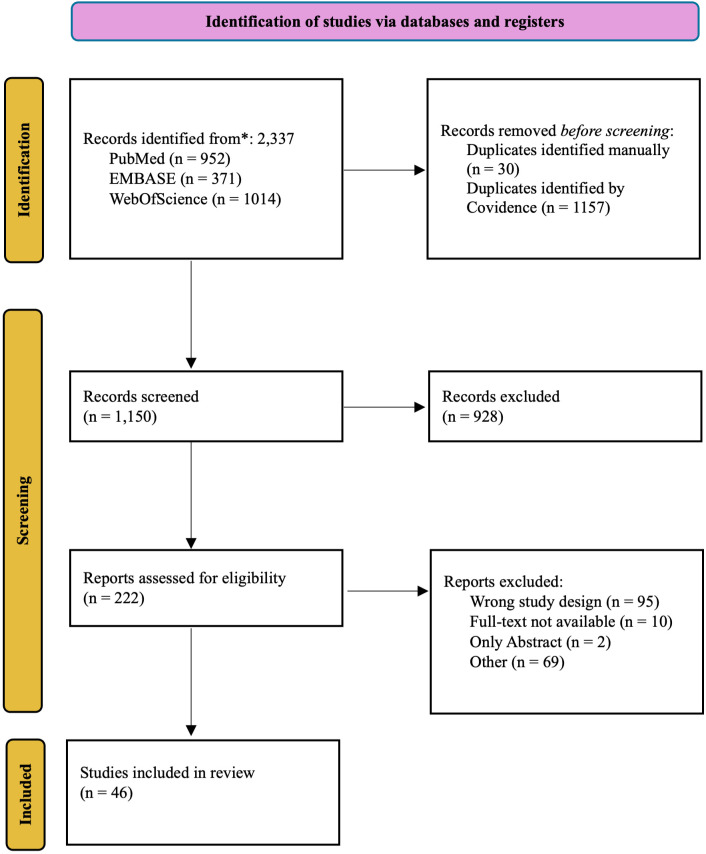 Figure 2
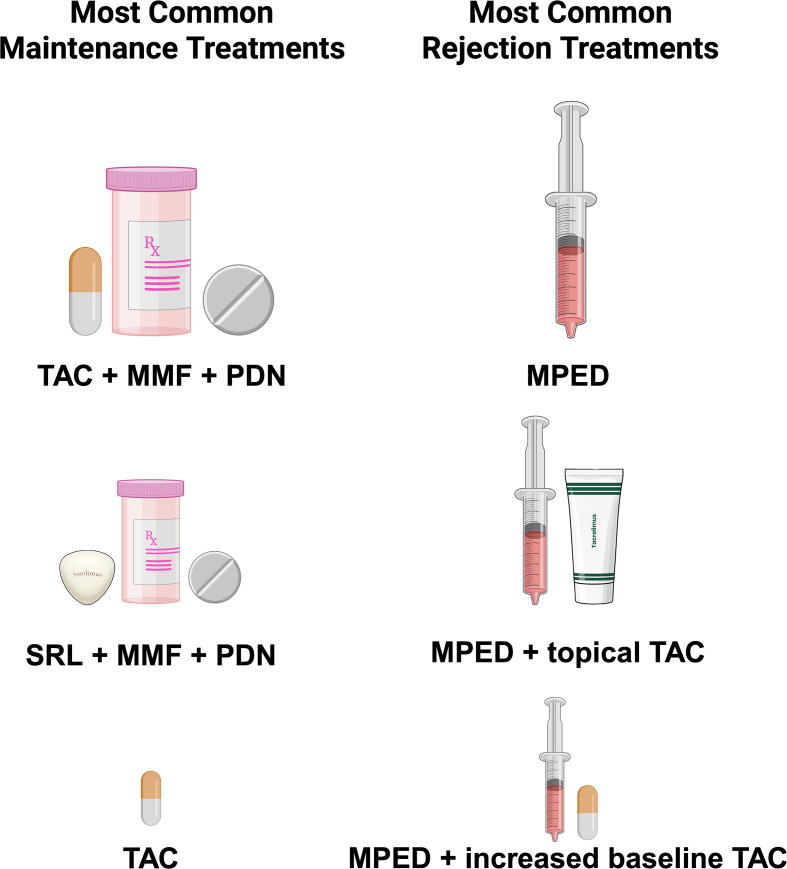 Figure 3
Peer Reviews
No public reviews on file for this paper yet. If you reviewed it on a platform where reviews are public (OpenReview, ICLR, NeurIPS, ICML), you can paste yours below so the community can read it here.
Videos
No videos yet. Explain this paper in a talk, walkthrough, or lecture? Add one.
Taxonomy
TopicsOrgan and Tissue Transplantation Research · Organ Donation and Transplantation · Xenotransplantation and immune response