Lupeol restores dopaminergic function by suppressing glial activation in a Parkinson’s disease mouse model
Riaz Ahmad, Kyonghwan Choe, Hyun Young Park, Waqas Ahmad, Tae Ju Park, Myeong Ok Kim

TL;DR
Lupeol, a natural compound, helps protect brain cells in a mouse model of Parkinson’s disease by reducing inflammation and oxidative stress.
Contribution
This study demonstrates that lupeol suppresses glial activation and provides neuroprotection in an MPTP-induced Parkinson’s model.
Findings
Lupeol improved motor function and restored dopamine levels in mice with PD-like symptoms.
Lupeol reduced microglial and astrocytic activation, along with inflammatory and oxidative stress markers.
Lupeol upregulated antioxidant defenses and reduced neuronal apoptosis in the brain.
Abstract
Parkinson’s disease (PD) is a progressive neurodegenerative disorder marked by chronic neuroinflammation and loss of dopaminergic neurons. The neurotoxin MPTP (1-methyl-4-phenyl-1,2,3,6-tetrahydropyridine) selectively targets dopaminergic neurons, effectively replicating the pathological features of PD. Lupeol, a natural pentacyclic triterpenoid, has been shown to exhibit neuroprotective properties in various models by reducing oxidative stress, inflammation, and apoptosis. This study aimed to investigate the neuroprotective effects of lupeol in an MPTP-induced mouse model of PD. Male mice were administered MPTP (30 mg/kg, i.p.) for seven days to induce PD-like pathology. Lupeol (50 mg/kg) was administered as a potential therapeutic intervention. Behavioral assessments were conducted to evaluate motor function. Biochemical analyses were performed to measure dopamine and tyrosine…
Genes, proteins, chemicals, diseases, species, mutations and cell lines named across the full text — each resolved to its canonical identifier and authoritative record.
Click any figure to enlarge with its caption.
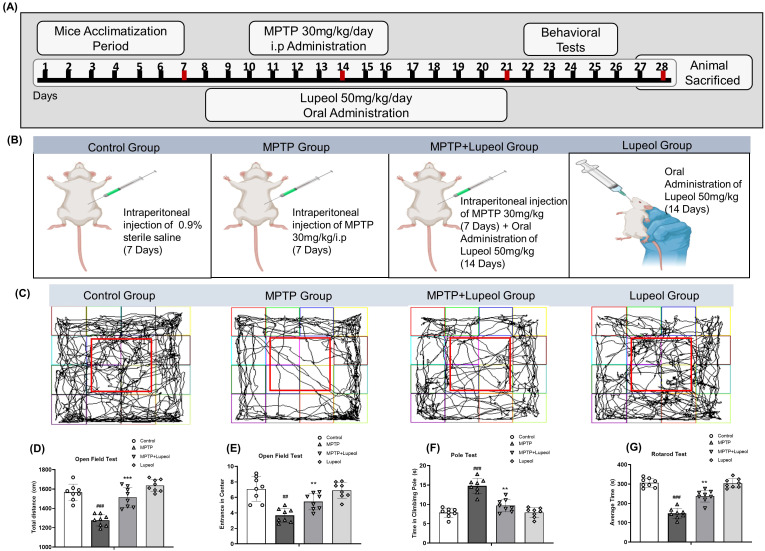 Figure 1
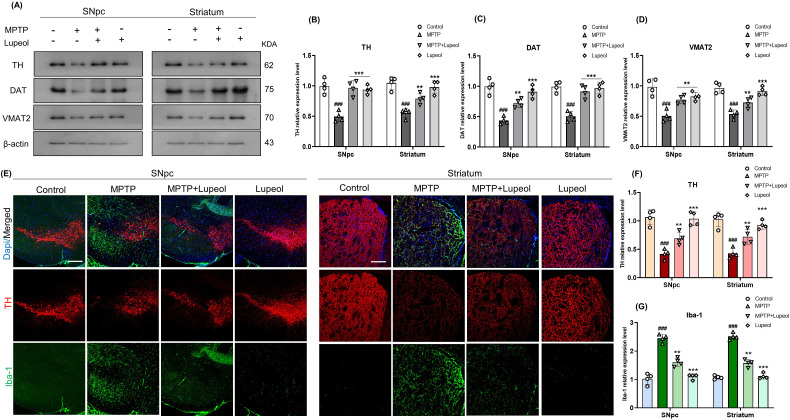 Figure 2
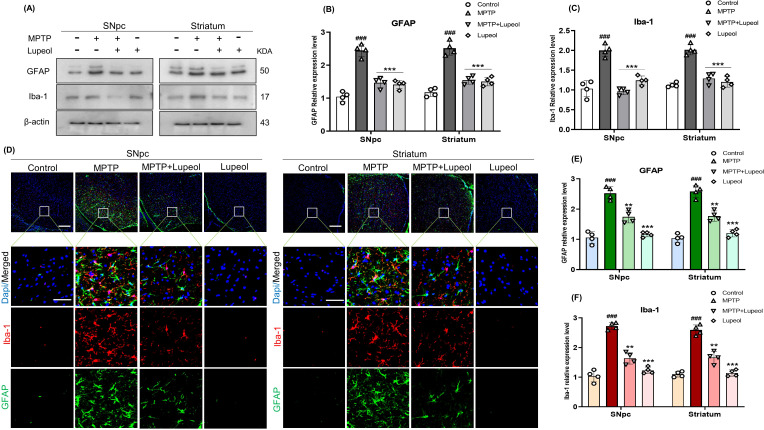 Figure 3
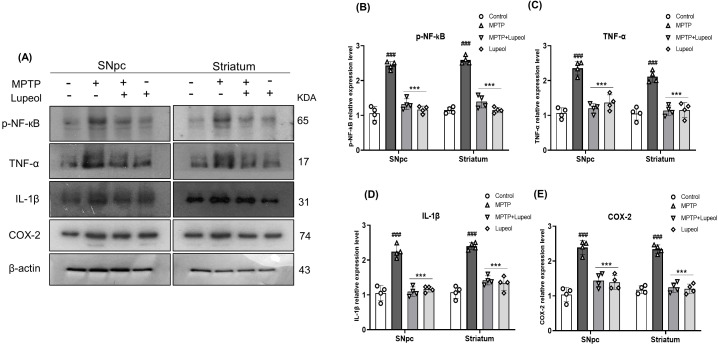 Figure 4
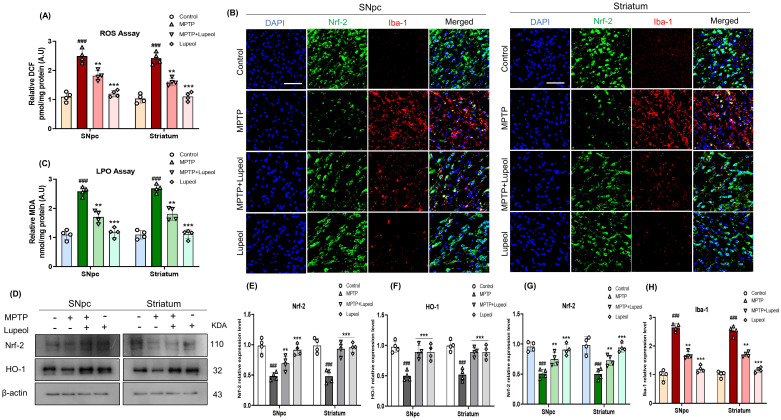 Figure 5
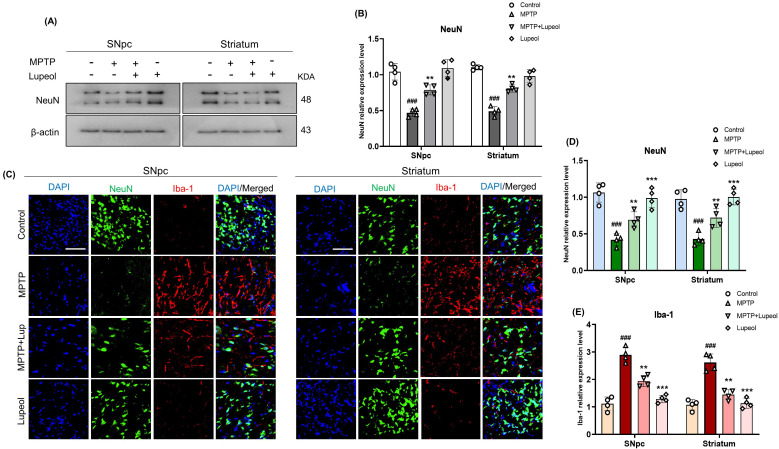 Figure 6
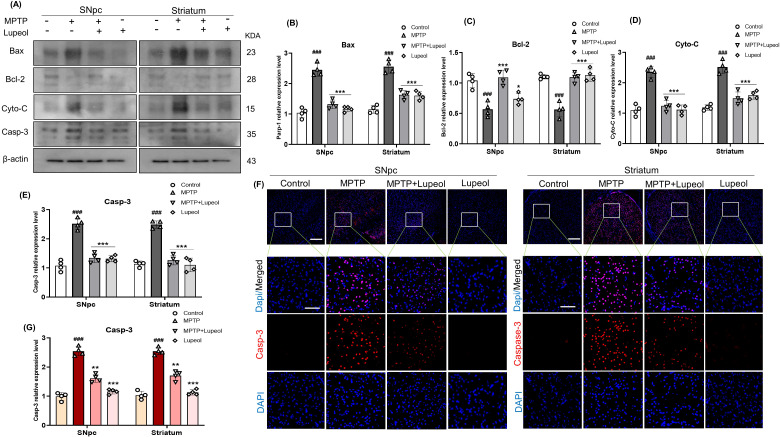 Figure 7
Peer Reviews
No public reviews on file for this paper yet. If you reviewed it on a platform where reviews are public (OpenReview, ICLR, NeurIPS, ICML), you can paste yours below so the community can read it here.
Videos
No videos yet. Explain this paper in a talk, walkthrough, or lecture? Add one.
Taxonomy
TopicsParkinson's Disease Mechanisms and Treatments · Natural product bioactivities and synthesis · Biochemical and biochemical processes