Soluble fermentable dietary fiber attenuates age-related cognitive impairment via neuroimmune and antioxidant modulation: evidence from multilevel analyses in populations and aging mouse models
Yijie He, Jin Li, Lin Cong, Hui Li, Jiarong Wu, Songlan Liang, Yahui Peng, Yuhong Zhou, Yun Wu

TL;DR
Eating more soluble fermentable dietary fiber may help prevent age-related cognitive decline by reducing brain inflammation and boosting antioxidants, according to studies in people and mice.
Contribution
This study provides multi-level evidence showing how soluble fermentable dietary fiber improves cognition through microglial and antioxidant mechanisms.
Findings
Higher dietary fiber intake (~15 g/day) was linked to better cognition in older adults.
In mice, SFDF reduced inflammation and oxidative stress while improving memory and learning.
Single-cell analysis showed SFDF promotes a brain-protective microglial subtype.
Abstract
Age-related cognitive impairment (ARCI) is an urgent public health concern with limited therapeutic options. Soluble fermentable dietary fiber (SFDF) is a safe, accessible nutritional factor that may support cognition through microglial remodeling and antioxidant defense, but its dose–response effects and cellular mechanisms remain unclear. We combined three levels of evidence (1). In 2,350 older adults from NHANES (2011–2014), weighted regression and spline modeling assessed the association between total dietary fiber intake and cognitive performance. (2) In a D-galactose–induced aging mouse model, inulin supplementation (as a representative SFDF) was tested for effects on behavior, cytokines, and oxidative stress. (3) We analyzed an independent single-nucleus RNA-seq dataset of naturally aged mice receiving a 5% SFDF intervention to characterize microglial state remodeling. Higher…
Genes, proteins, chemicals, diseases, species, mutations and cell lines named across the full text — each resolved to its canonical identifier and authoritative record.
Click any figure to enlarge with its caption.
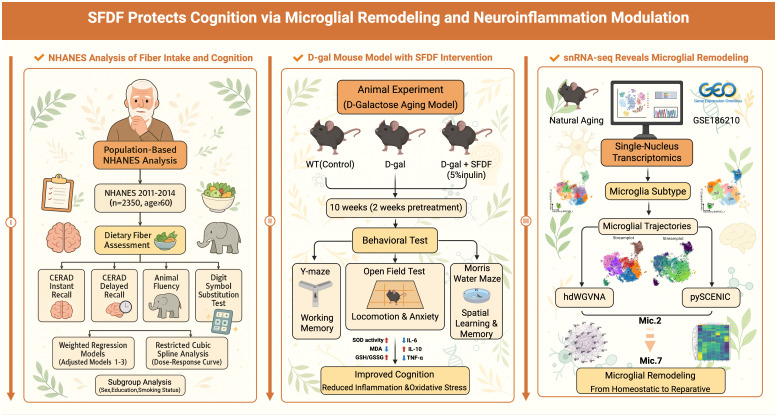 Figure 1
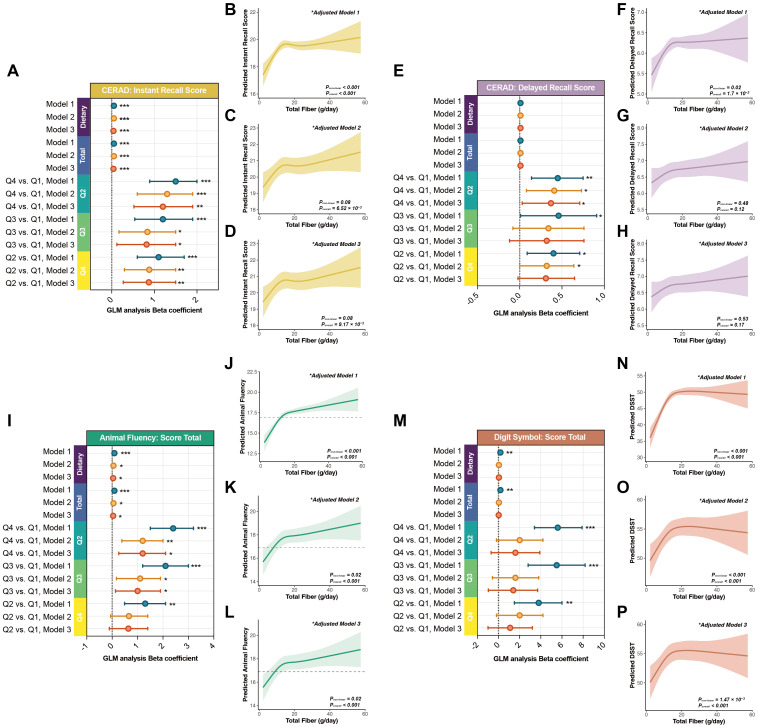 Figure 2
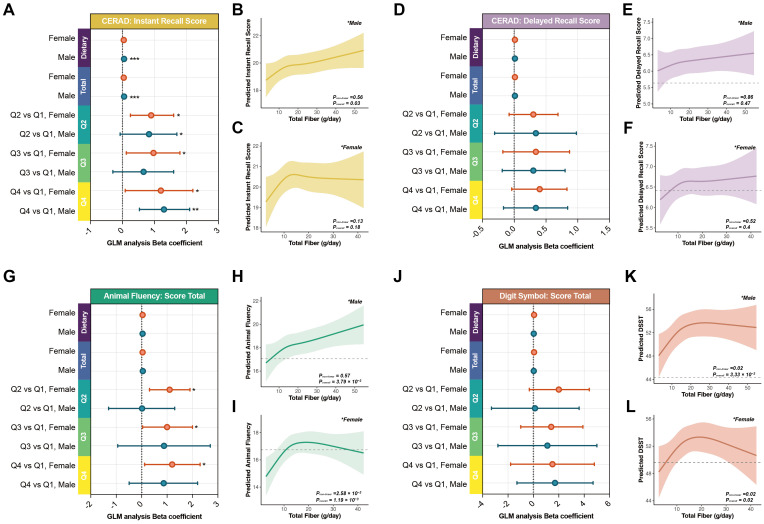 Figure 3
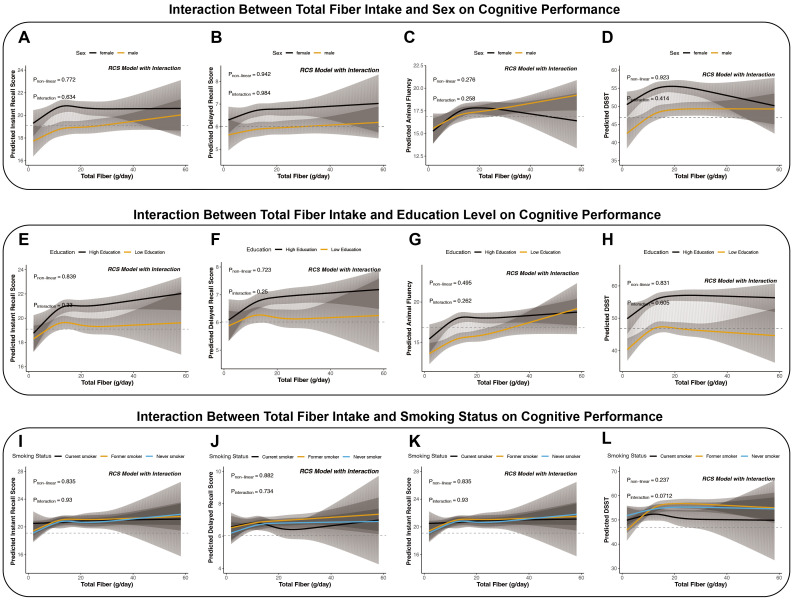 Figure 4
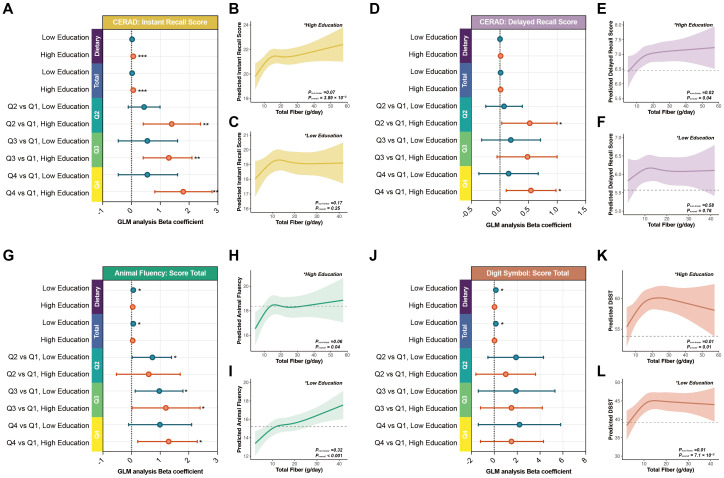 Figure 5
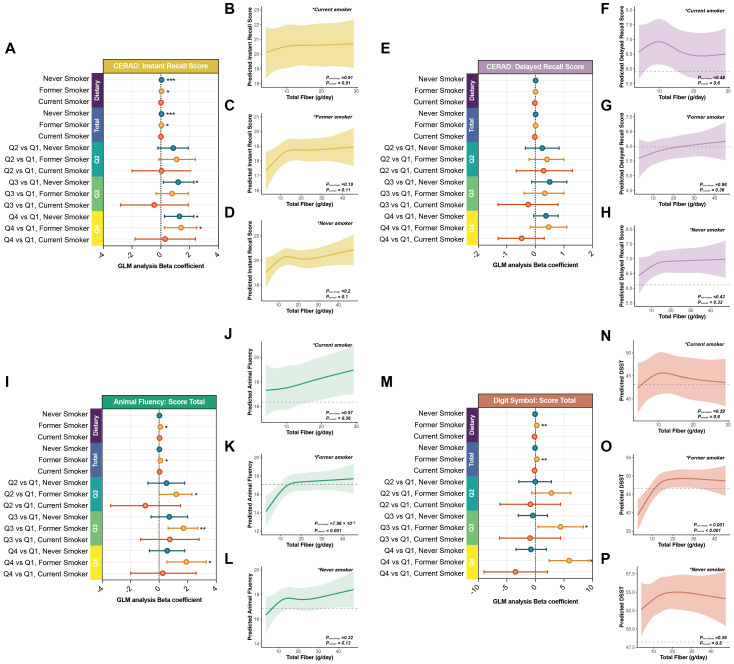 Figure 6
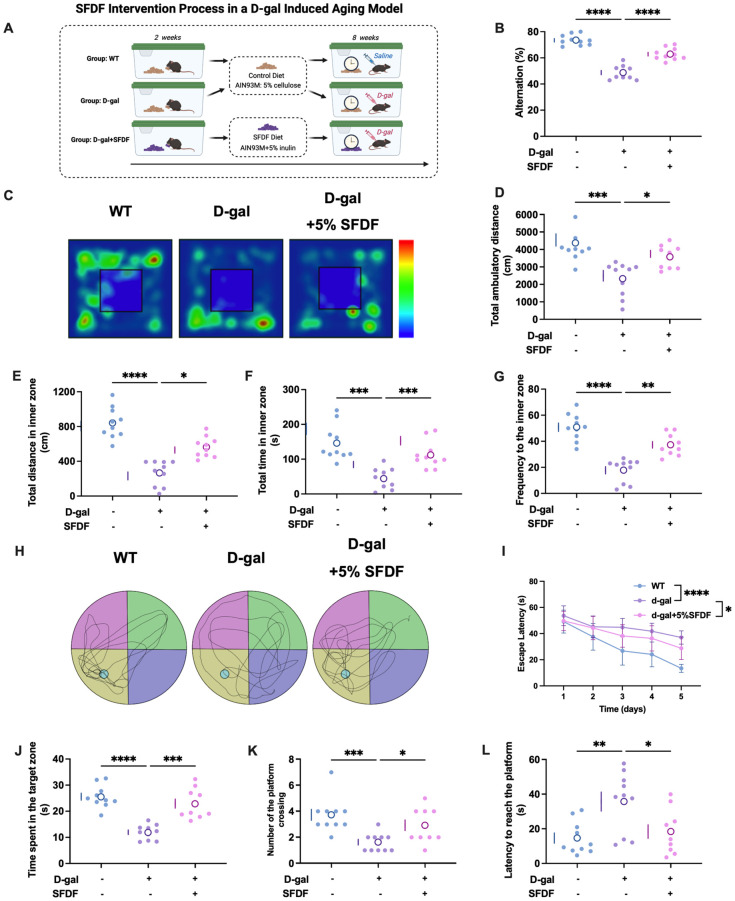 Figure 7
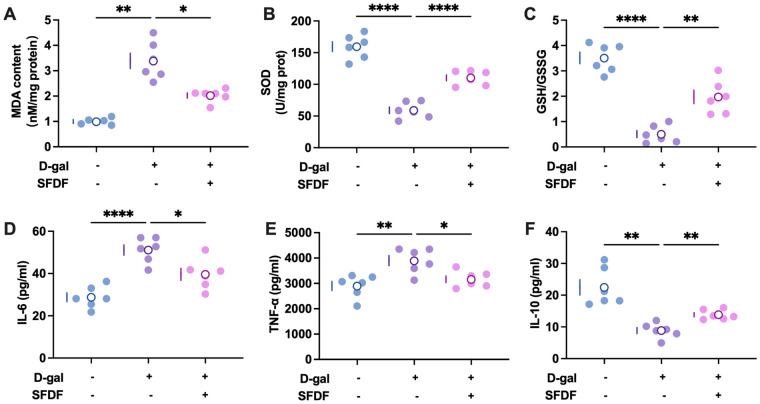 Figure 8
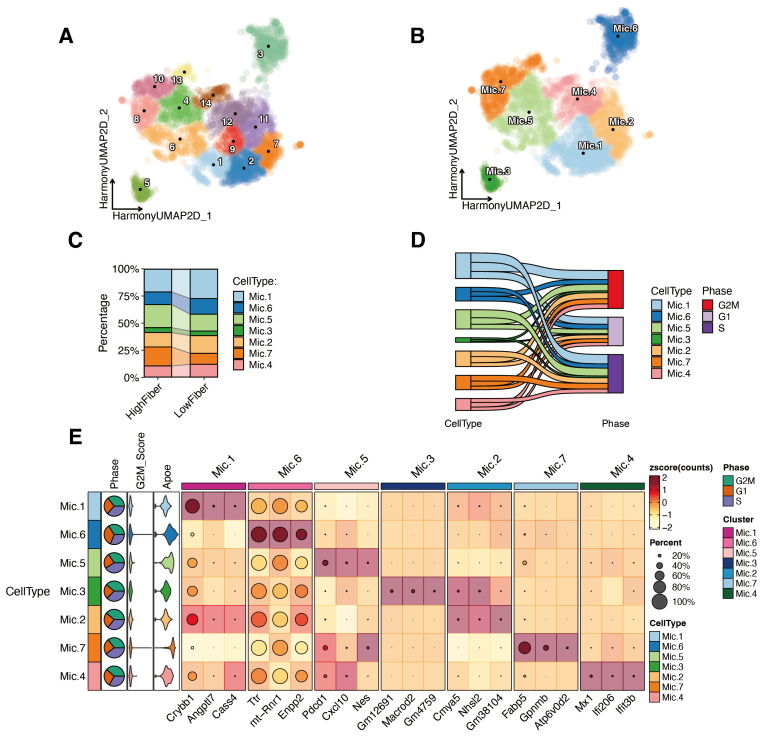 Figure 9
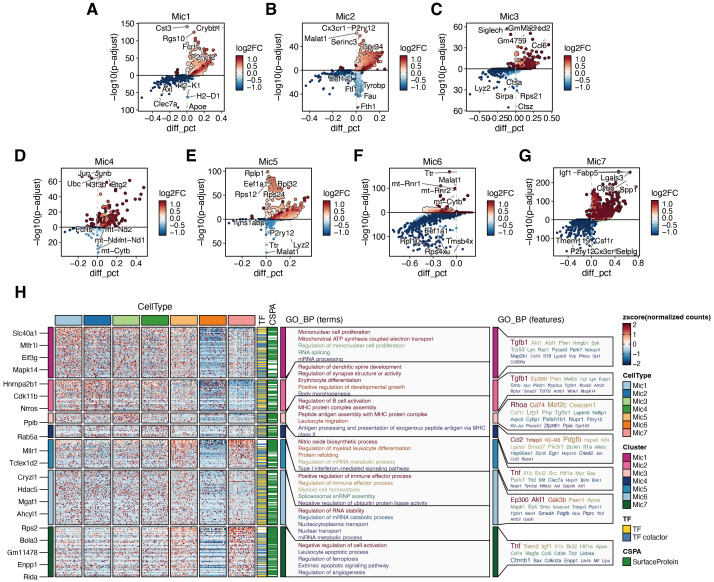 Figure 10
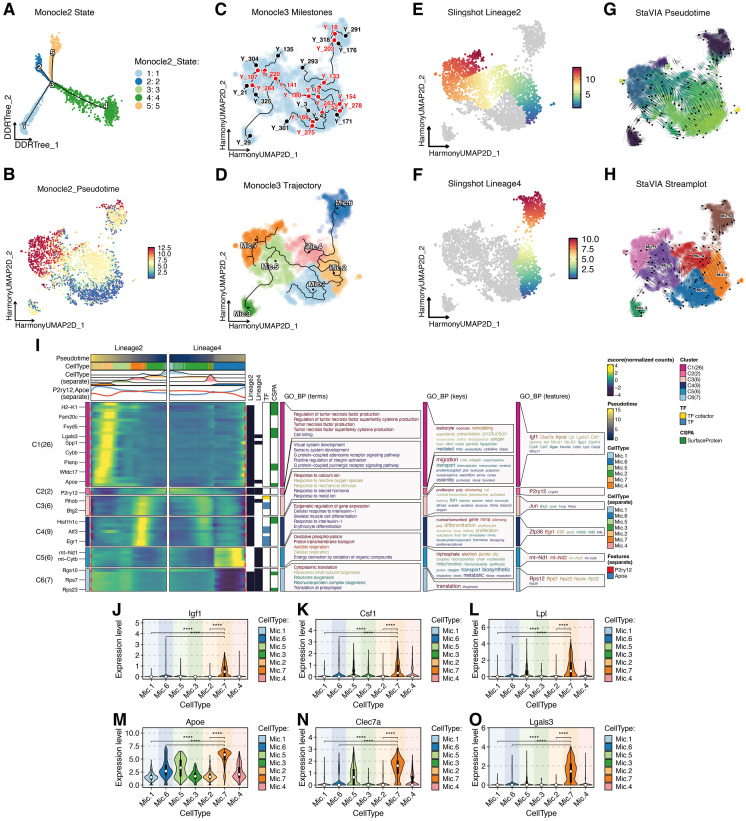 Figure 11
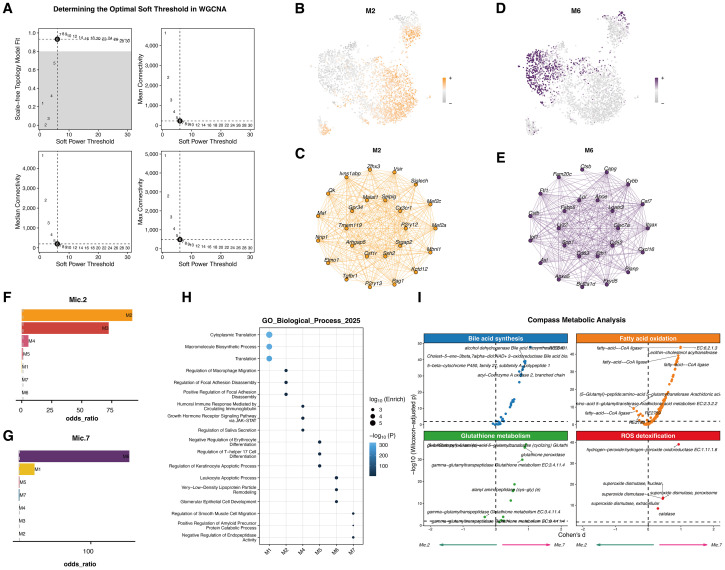 Figure 12
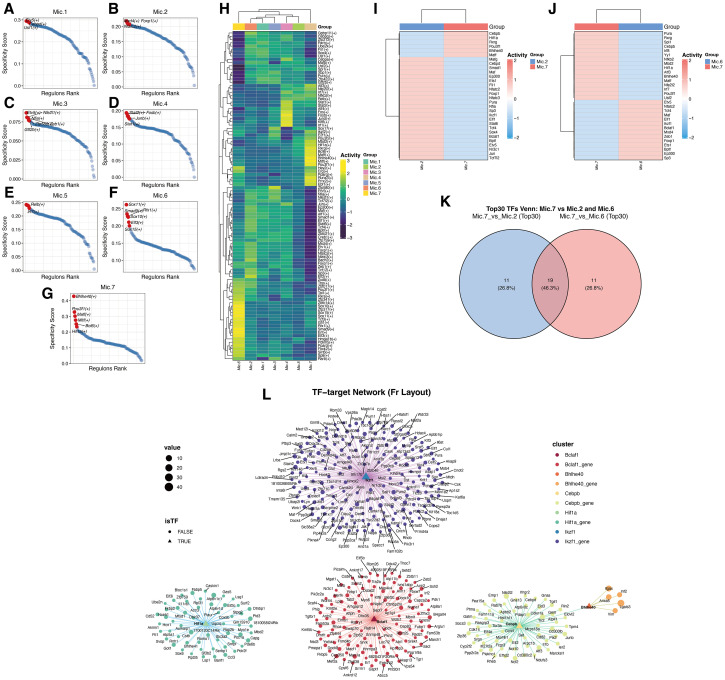 Figure 13
Peer Reviews
No public reviews on file for this paper yet. If you reviewed it on a platform where reviews are public (OpenReview, ICLR, NeurIPS, ICML), you can paste yours below so the community can read it here.
Videos
No videos yet. Explain this paper in a talk, walkthrough, or lecture? Add one.
Taxonomy
TopicsAntioxidants, Aging, Portulaca oleracea · Neuroinflammation and Neurodegeneration Mechanisms · Gut microbiota and health