Age-related mitochondrial energy metabolism reprogramming occurs in granulosa cells during ovarian aging
Mengyu Shi, Zhicheng Jia, Xinxin Yang, Wenlong Qi, Xinwei Sun, Yongqian Li, Peixuan Wang, Ying Guo

TL;DR
This study shows that aging in the ovaries changes how granulosa cells produce energy, shifting from efficient mitochondrial processes to less efficient glycolysis, which could be a new target for treating infertility in older women.
Contribution
The study identifies age-related metabolic reprogramming in granulosa cells and proposes glycometabolic perturbations as a novel therapeutic target for infertility in women with advanced maternal age.
Findings
Ovarian granulosa cells from older women show increased glycolytic activity and reduced oxidative phosphorylation.
Hydrogen peroxide-induced senescence in KGN cells mimicked age-related metabolic changes and elevated mitochondrial reactive oxygen species.
Metabolomic analysis revealed 25 significant metabolite changes linked to energy metabolism dysregulation in aging granulosa cells.
Abstract
Ovarian aging is an inevitable age-associated biological phenomenon.Enhancing clinical pregnancy outcomes in women with advanced maternal age (AMA) has emerged as a critical research priority in reproductive medicine. The current study seeks to unravel the mechanism governing mitochondrial energy metabolism reprogramming in granulosa cells (GCs) during age-associated ovarian aging. We conducted an age-stratified prospective observational study involving GC samples from 10 young infertile women (young group: 21–34 years) and 10 infertile women with AMA (AMA group: 35–42 years), all undergoing in vitro fertilization-embryo transfer (IVF-ET). Participants were recruited from November 2023 to November 2024. Additionally, an in vitro oxidative stress-induced senescence model was established using hydrogen peroxide (H2O2)-treated human ovarian granulosa-like tumor cell line (KGN cells) to…
Genes, proteins, chemicals, diseases, species, mutations and cell lines named across the full text — each resolved to its canonical identifier and authoritative record.
Click any figure to enlarge with its caption.
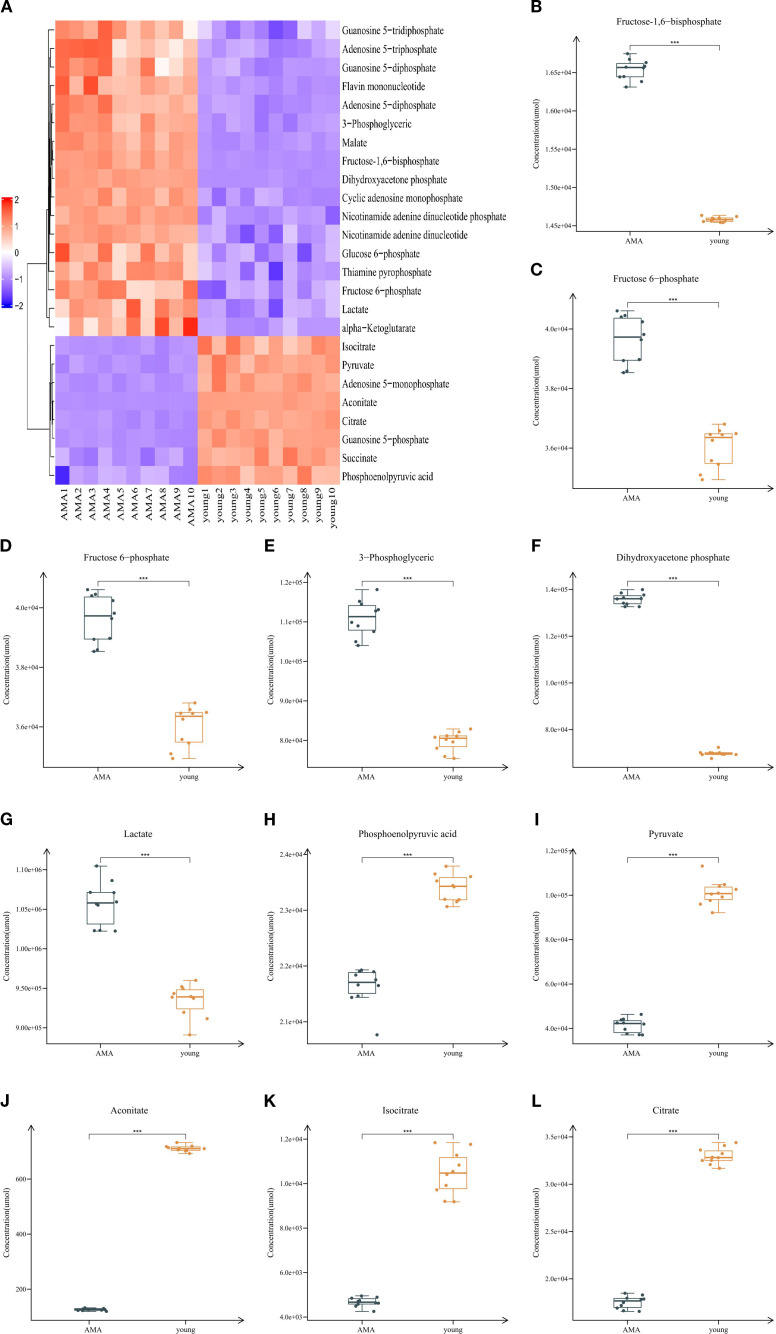 Figure 1
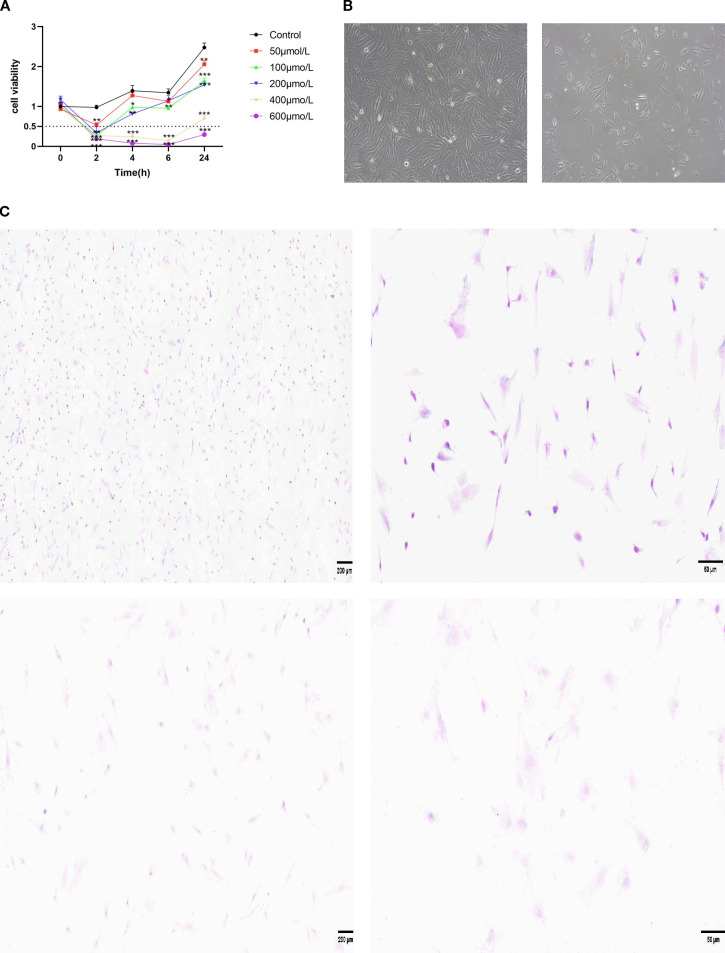 Figure 2
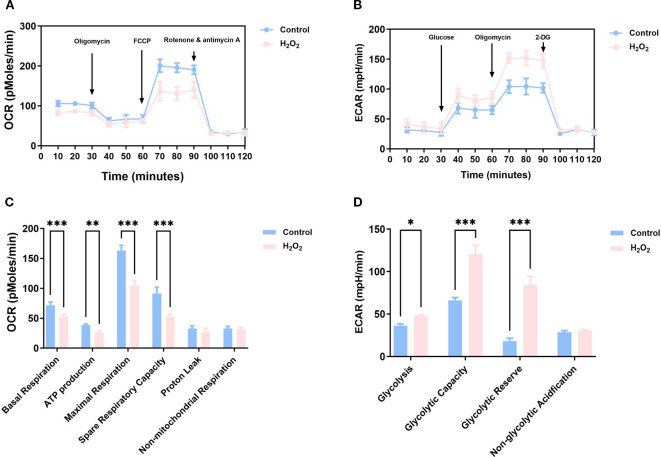 Figure 3
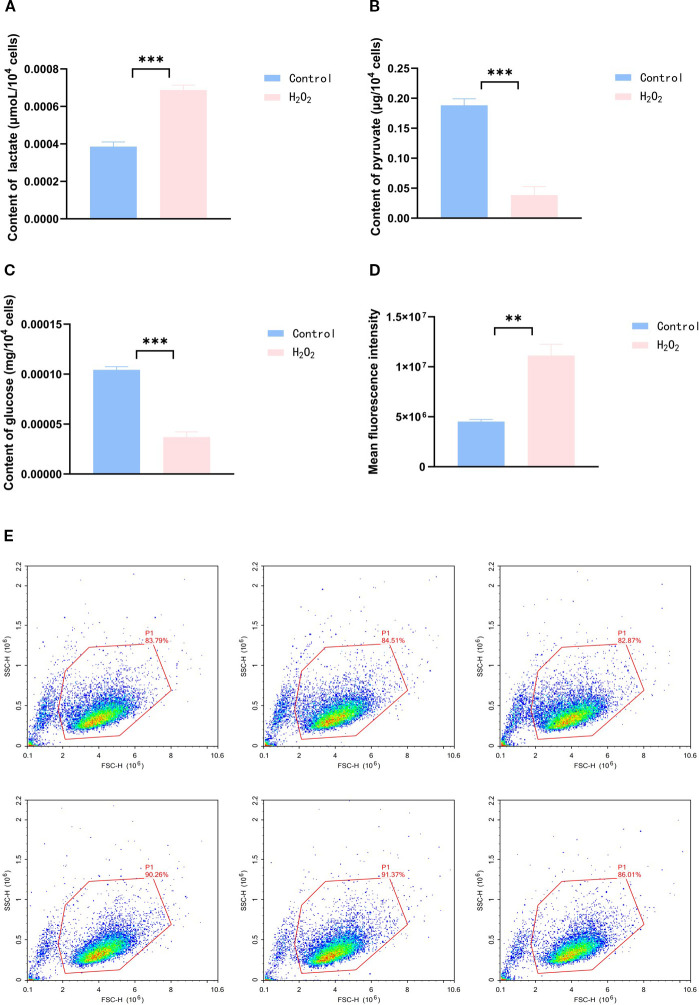 Figure 4
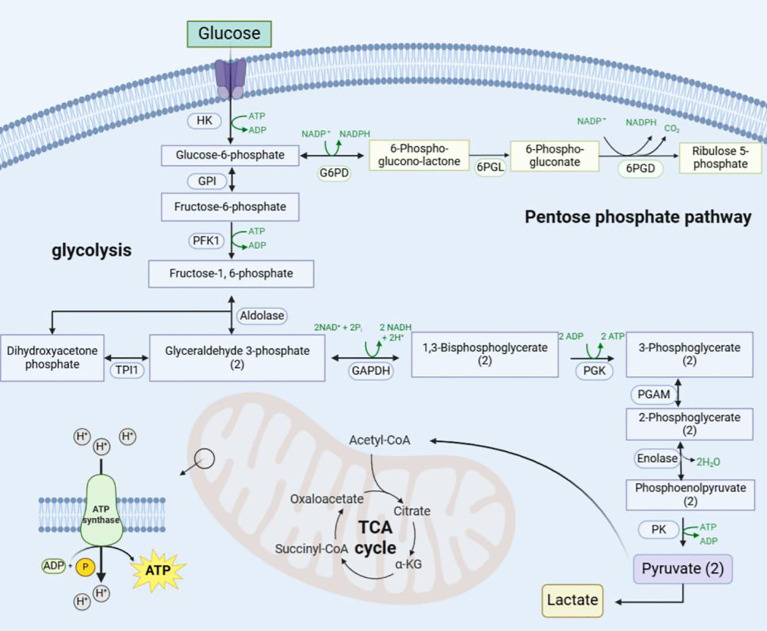 Figure 5
Peer Reviews
No public reviews on file for this paper yet. If you reviewed it on a platform where reviews are public (OpenReview, ICLR, NeurIPS, ICML), you can paste yours below so the community can read it here.
Videos
No videos yet. Explain this paper in a talk, walkthrough, or lecture? Add one.
Taxonomy
TopicsReproductive Biology and Fertility · Birth, Development, and Health · Pregnancy and preeclampsia studies