Viscum album L. mother tinctures modulate Na+/K+ ATPase activity and expression, and promote endothelium-dependent vasodilation via SK channel and nitric oxide signalling
Rodrigo dos Santos Pinto Duarte, Michelle Nonato de Oliveira Melo, João V. C. Batista, Giovanna Gomes Martins, Adriana Passos Oliveira, Rosilane Taveira-da-Silva, Maria Luiza Fidelis da Silva, Rafael H. F. Valverde, Marcelo Einicker-Lamas, Arquimedes Gasparotto Junior

TL;DR
Mistletoe extracts may help lower blood pressure by affecting enzyme activity and promoting blood vessel relaxation, with effects varying by host tree and season.
Contribution
The study reveals that Viscum album mother tinctures modulate Na+/K+ ATPase and induce vasodilation via NO and SK channel signaling, with seasonal and host-specific variations.
Findings
VAMTs from P. sylvestris in winter induce vasodilation in hypertensive rats via NO and SK channels.
Winter VAMTs reduce Na+/K+ ATPase expression but not activity, while summer VAMTs from A. alba reduce both.
Most VAMTs are non-cytotoxic and do not induce oxidative stress, except for the Quercus petraea-derived extract.
Abstract
Ethanolic extracts of Viscum album L. (European mistletoe), known as mother tinctures (VAMTs), have been used in traditional medicine to treat hypertension and cardiovascular diseases. However, the underlying biological mechanisms remain poorly characterized. This study investigated the cytotoxic, and cardiovascular effects of ten VAMTs prepared from fresh plants harvested in summer and winter. The extracts were derived from three subspecies (V. album subsp. album, abietis, and austriacum) growing five distinct host tree species. Cytotoxicity and oxidative stress were assessed in vitro, while the effects on Na+/K+-ATPase activity and expression were evaluated in porcine renal proximal tubular cells. Additionally, vascular effects were investigated in perfused mesenteric vascular beds of spontaneously hypertensive rats. Our data demonstrated that VAMTs exhibit no cytotoxic effects,…
Genes, proteins, chemicals, diseases, species, mutations and cell lines named across the full text — each resolved to its canonical identifier and authoritative record.
Click any figure to enlarge with its caption.
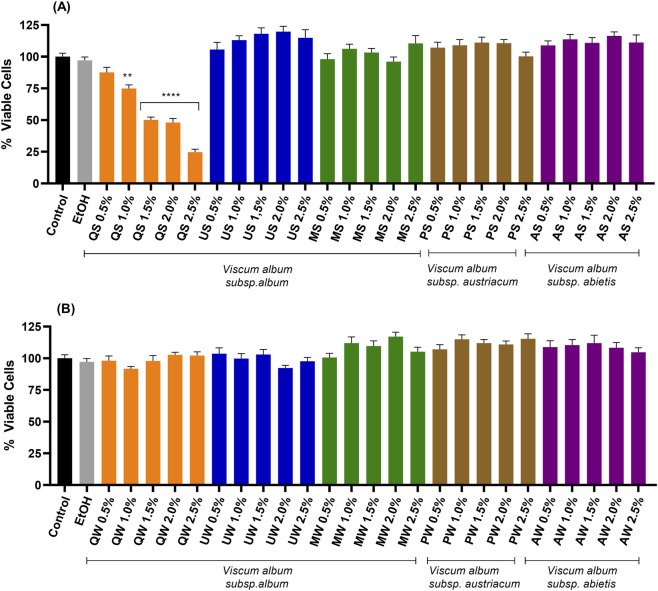 Figure 1
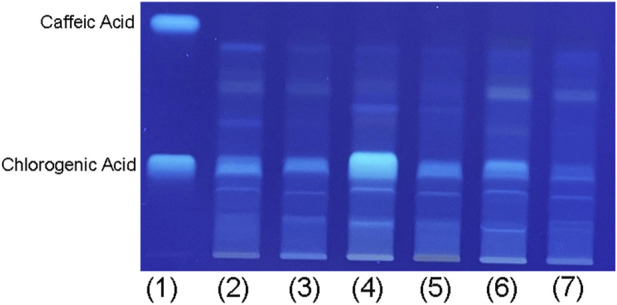 Figure 2
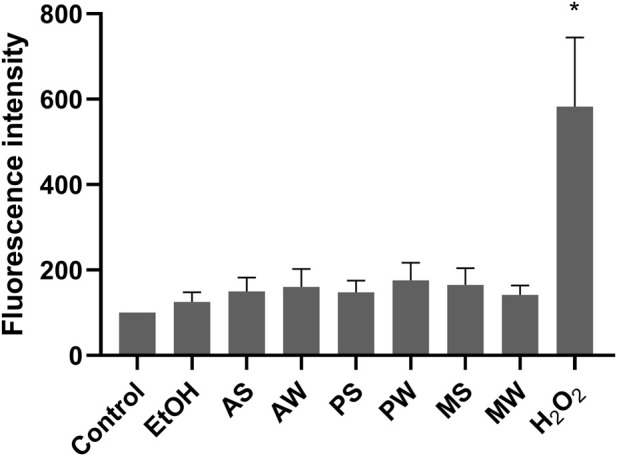 Figure 3
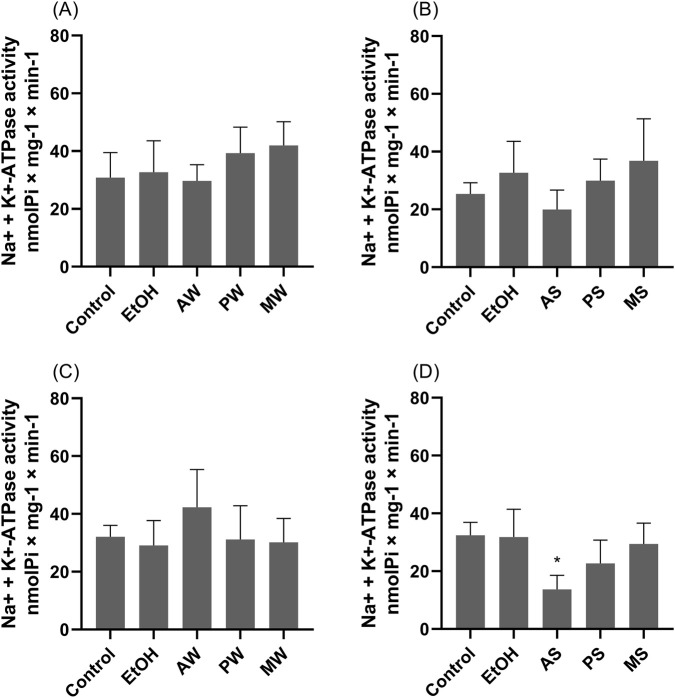 Figure 4
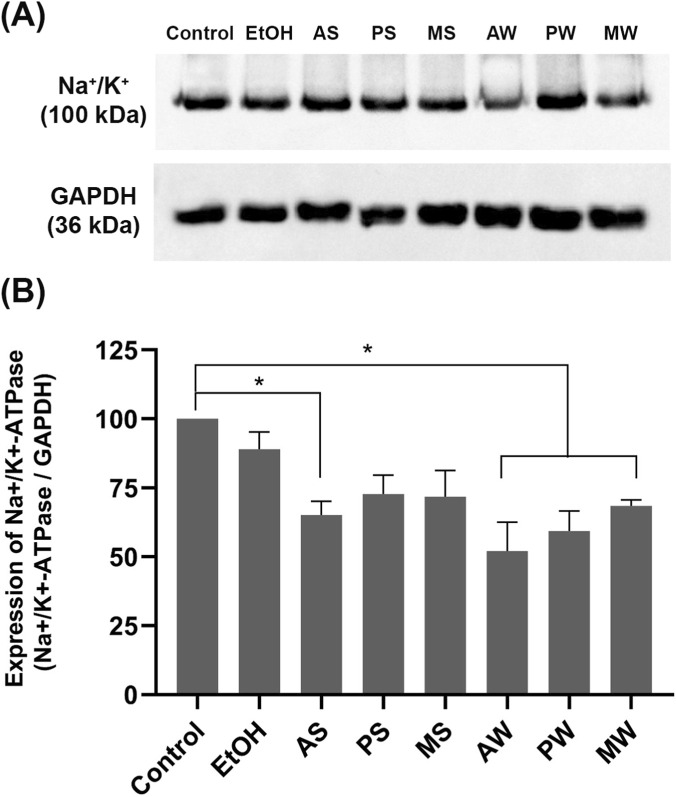 Figure 5
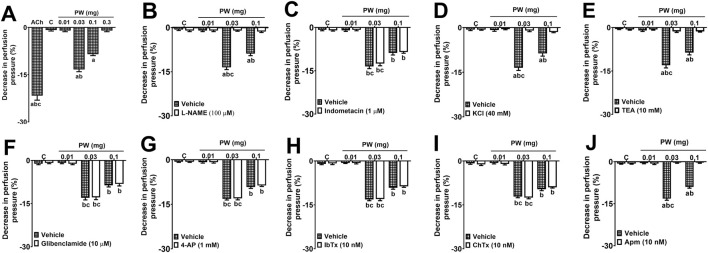 Figure 6
Peer Reviews
No public reviews on file for this paper yet. If you reviewed it on a platform where reviews are public (OpenReview, ICLR, NeurIPS, ICML), you can paste yours below so the community can read it here.
Videos
No videos yet. Explain this paper in a talk, walkthrough, or lecture? Add one.
Taxonomy
TopicsToxin Mechanisms and Immunotoxins · Plant Parasitism and Resistance · Coenzyme Q10 studies and effects