Multimodal (Bio)Markers and Risk of Obesity – A Comprehensive Scoping Review
Farhad Vahid, Alejandra Loyola-Leyva, Josep Tur, Cristina Bouzas, Yvan Devaux, Laurent Malisoux, Silvia Garcia, Magali De Carvalho, Marina Ródenas-Munar, Jonathan Turner, Elsa Lamy, Maria Perez-Jimenez, Gitte Ravn-Haren, Rikke Andersen, Sarah Forberger, Rajini Nagrani

TL;DR
This review explores combining multiple biomarkers and factors to better predict and prevent obesity, emphasizing the need for a comprehensive approach.
Contribution
The paper provides a comprehensive scoping review on multimodal biomarkers for obesity risk prediction.
Findings
Obesity risk prediction requires a multimodal approach integrating biomarkers from multiple domains.
Current research highlights the feasibility of using multiomics and behavioral data for risk stratification.
Machine learning and AI are increasingly used to interpret complex obesity-related data.
Abstract
Obesity has been associated with several chronic diseases, especially noncommunicable ones and related comorbidities. Despite international efforts to decrease the prevalence of obesity, the number of persons struggling with this ailment is not decreasing. An important aspect is obesity prevention, including the early detection of the risk, i.e. whether an individual is likely to develop obesity, to allow for early risk stratification and countermeasure initiation. However, obesity is a complex and multifactorial complication, and many factors appear to play a role, including age, sex, diet, physical activity (PA), psychological and emotional status, genetic make-up, epigenetics, and gut microbiota. One isolated biomarker, therefore, could not enable optimal risk stratification and prognosis for the individual; rather, a combined set or multimodal approach to tackle risk prediction is…
Genes, proteins, chemicals, diseases, species, mutations and cell lines named across the full text — each resolved to its canonical identifier and authoritative record.
Click any figure to enlarge with its caption.
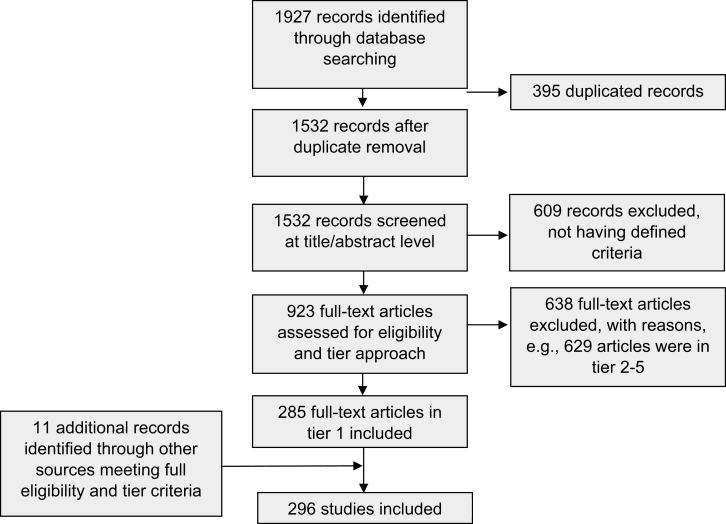 Figure 1
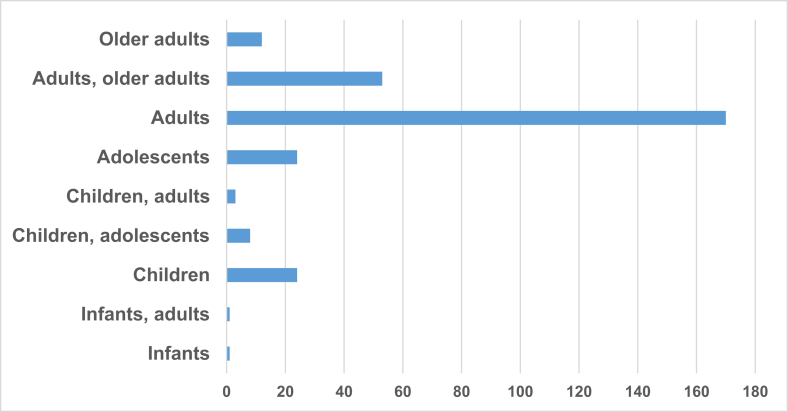 Figure 2
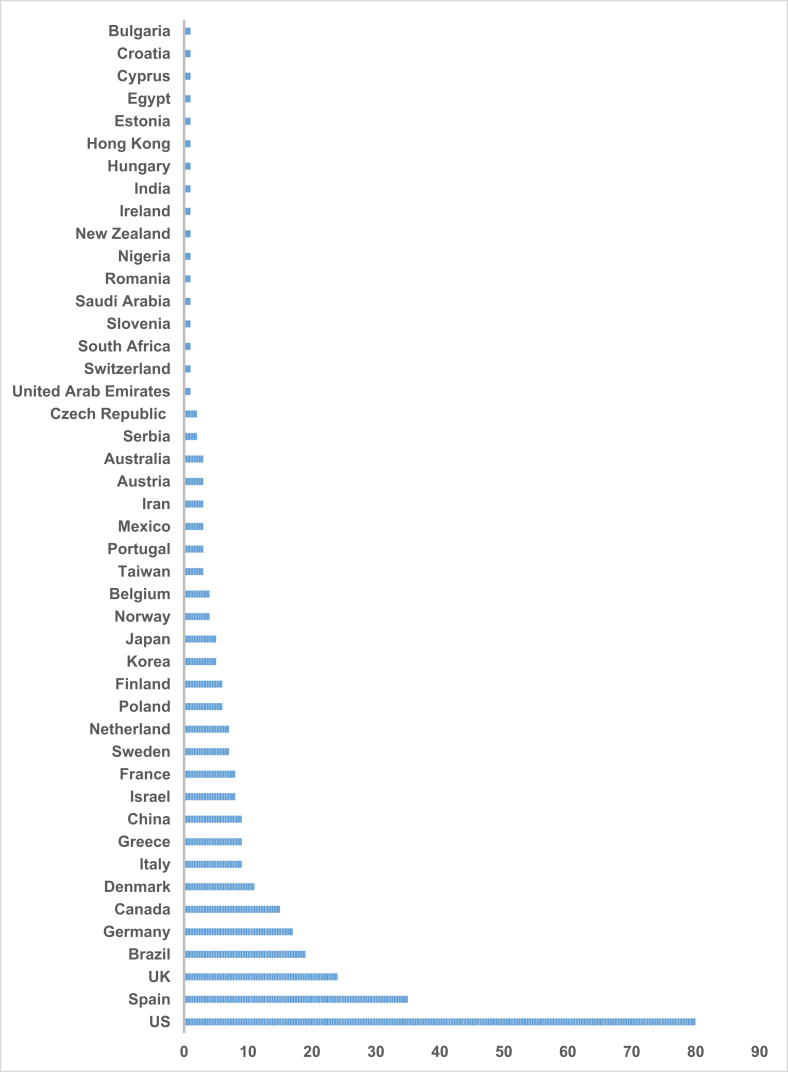 Figure 3
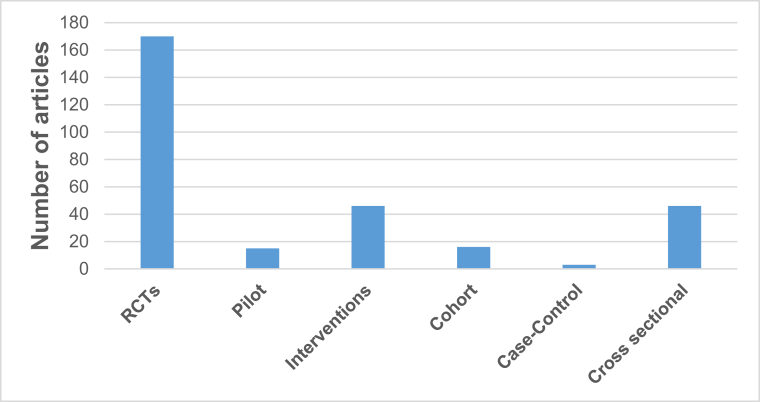 Figure 4
 Figure 5
 Figure 6
Peer Reviews
No public reviews on file for this paper yet. If you reviewed it on a platform where reviews are public (OpenReview, ICLR, NeurIPS, ICML), you can paste yours below so the community can read it here.
Videos
No videos yet. Explain this paper in a talk, walkthrough, or lecture? Add one.
Taxonomy
TopicsNutrition, Genetics, and Disease · Adipokines, Inflammation, and Metabolic Diseases · Diet and metabolism studies