The succinate prodrug NV354 prevents brain lesions and late-stage motor dysfunction in mitochondrial complex I deficiency
Meagan J. McManus, Yi Zhu, Cesar Alves, Neha Kohli, Patricia Prada-Dacasa, Laura Sanchez-Benito, Elisenda Sanz, Irene Yee, Lozen Robinson, Malkah Sheldon, Walter J. McHugh, Abhay Ranganathan, Jennie Meng, Nina Duncan, Alvar Grönberg, Douglas C. Wallace, Sarah Piel

TL;DR
A new succinate prodrug called NV354 shows potential in preventing brain damage and motor issues in mitochondrial disease models.
Contribution
NV354 is a novel succinate prodrug with brain-penetrating properties that shows therapeutic potential in mitochondrial complex I deficiency.
Findings
NV354 prevents brainstem lesions and neuronal loss in a mouse model of Leigh syndrome.
The prodrug reduces oxidative stress and neuroinflammation in the brain.
NV354 partially alleviates motor symptoms in a Parkinson disease model induced by rotenone.
Abstract
Leigh syndrome is a fatal pediatric neurodegenerative disease caused by mitochondrial dysfunction, which can be modeled in the Ndufs4 KO mouse with mitochondrial respiratory chain complex I (CI) deficiency. This study explores NV354, a prodrug of succinate with enhanced oral bioavailability and brain uptake, as a potential therapy to counteract this devastating condition. NV354 modulated whole-body respiration and metabolic flexibility, prevented late-stage motor dysfunction, delayed clinical ataxia scores, and improved body weight development, but had otherwise minimal effect on neurobehavior and lifespan of the animals. The succinate prodrug prevented development of the brain stem lesions pathognomonic for Leigh syndrome, attenuated neuronal loss in the brainstem, diminished activation of astrocytes, blocked hypertrophic microglial accumulation, and reduced reactive oxygen species…
Genes, proteins, chemicals, diseases, species, mutations and cell lines named across the full text — each resolved to its canonical identifier and authoritative record.
Click any figure to enlarge with its caption.
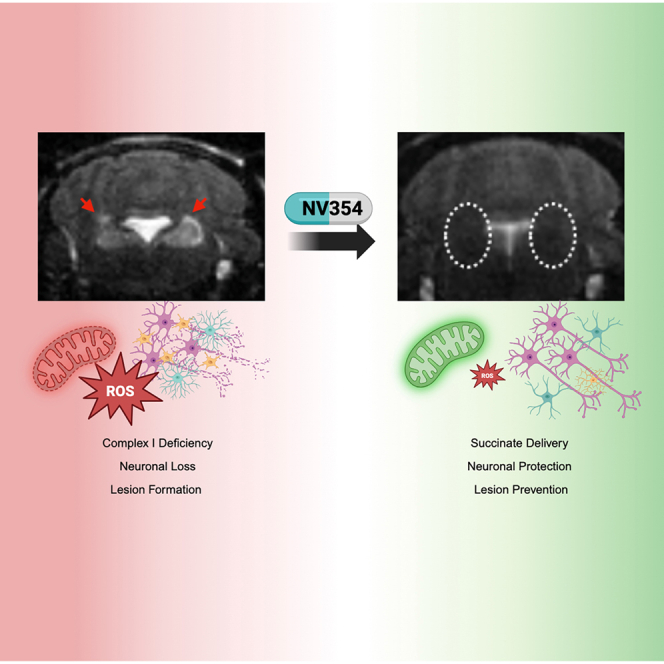 Figure 1
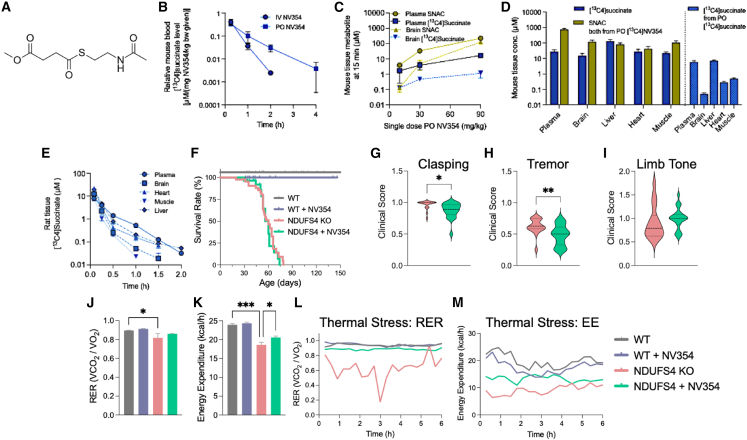 Figure 2
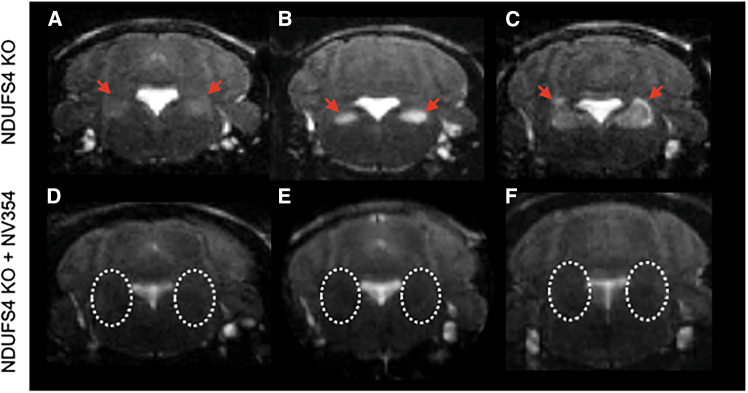 Figure 3
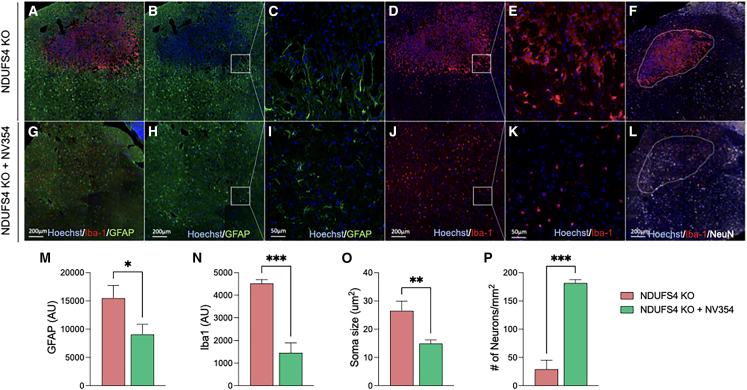 Figure 4
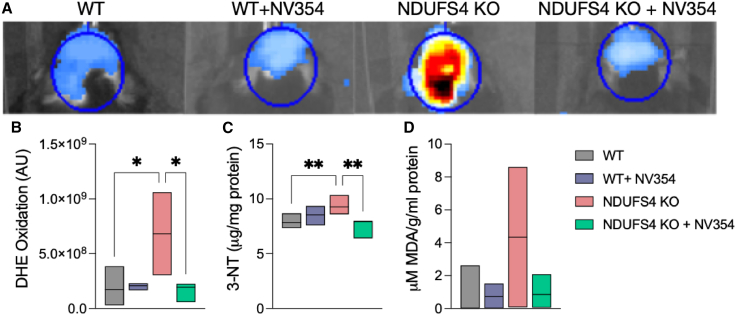 Figure 5
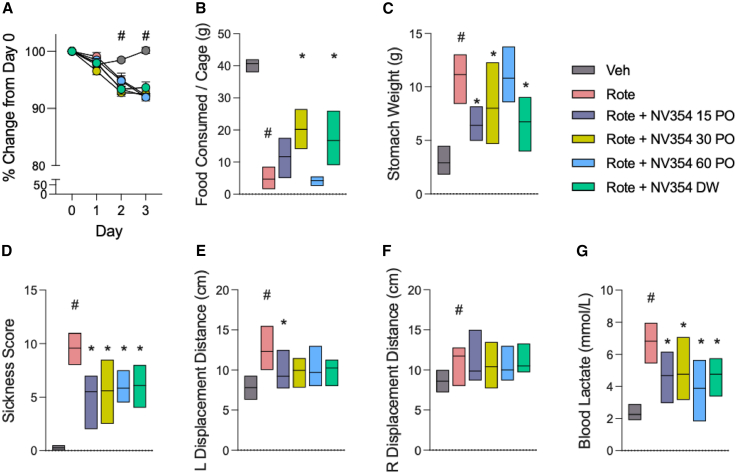 Figure 6
Peer Reviews
No public reviews on file for this paper yet. If you reviewed it on a platform where reviews are public (OpenReview, ICLR, NeurIPS, ICML), you can paste yours below so the community can read it here.
Videos
No videos yet. Explain this paper in a talk, walkthrough, or lecture? Add one.
Taxonomy
TopicsMitochondrial Function and Pathology · Neurological diseases and metabolism · Genetic Neurodegenerative Diseases