Fate, occurrence, and regional-scale emissions of neonicotinoid pesticides and their metabolites in wastewater treatment plants in suburban Shanghai, China
Yunhui Zhang, Lite Meng, Wenfei Yu, Yang Wen, Hui Wang, Mengchen Sun, Yuanchen Chen, Bin Dong, Jörg Rinklebe

TL;DR
This study examines how neonicotinoid pesticides and their breakdown products are present and released through wastewater treatment plants in suburban Shanghai, highlighting their sources and environmental impact.
Contribution
The study introduces a novel emission model using Monte Carlo simulations to estimate regional-scale emissions of neonicotinoids from wastewater treatment plants.
Findings
Neonicotinoid pesticides and their metabolites show significant spatial variation in wastewater treatment plant influents in Shanghai.
Agricultural activities are the main source of parent neonicotinoids, while metabolites may come from both agricultural and industrial sources.
Annual emissions of parent neonicotinoids from Shanghai's wastewater treatment plants are three times higher than those of their metabolites.
Abstract
Neonicotinoid pesticides (NEOs) are emerging contaminants with potential ecological and human health risks. However, their sources, transformation dynamics, and emission pathways in urban wastewater systems remain poorly quantified. This study systematically investigates the spatial distribution, sources, and transformation of 8 parent NEOs (pNEOs) and 6 metabolites (mNEOs) in the influents of 21 wastewater treatment plants (WWTPs) in suburban Shanghai, China. The average concentrations of ΣpNEOs and ΣmNEOs were 568.17 ng/L and 478.20 ng/L, respectively, with significant spatial variations. pNEOs were dominated by nitenpyram (NIT) and dinotefuran (DIN), while mNEOs, such as desnitro-imidacloprid (DN-IMI) and dinotefuran-urea (DIN-U), showed higher abundances. Correlation and cluster analyses reveal pNEOs primarily originate from agricultural activities, whereas mNEOs likely stem from…
Genes, proteins, chemicals, diseases, species, mutations and cell lines named across the full text — each resolved to its canonical identifier and authoritative record.
Click any figure to enlarge with its caption.
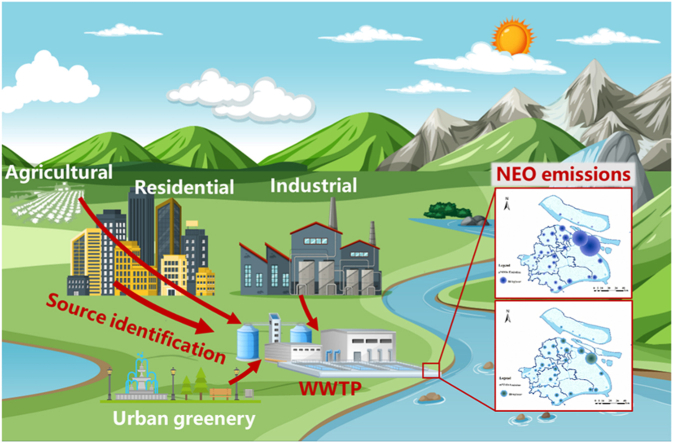 Figure 1
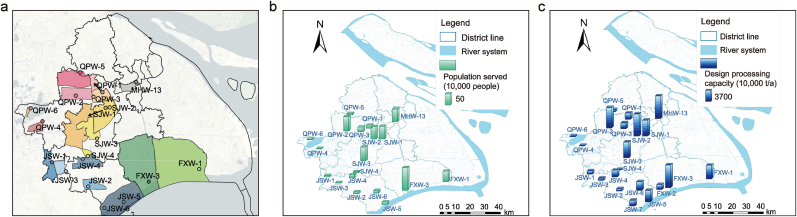 Figure 2
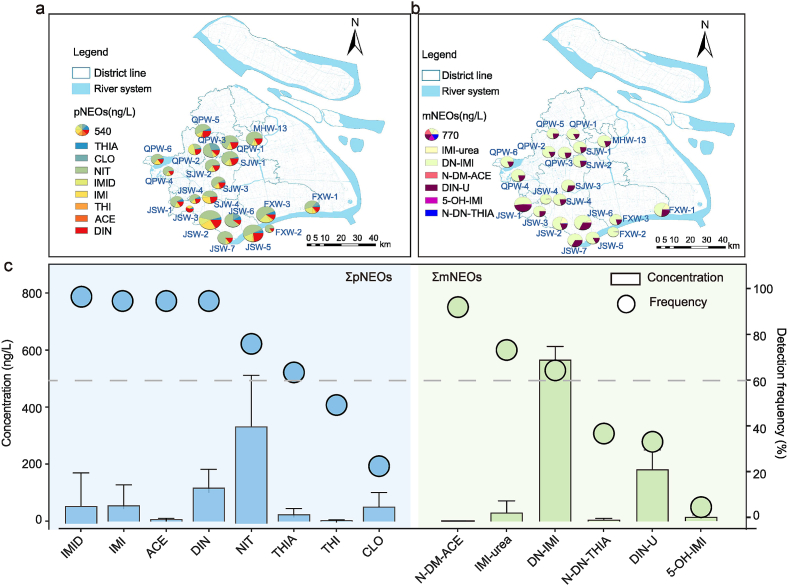 Figure 3
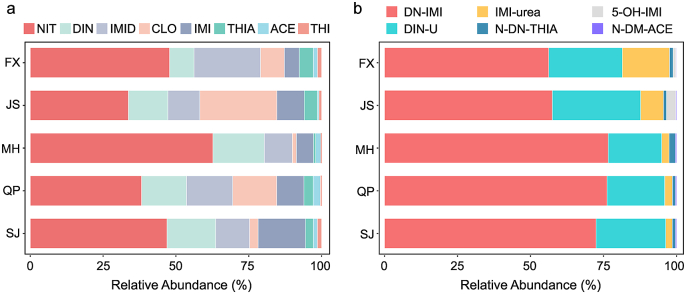 Figure 4
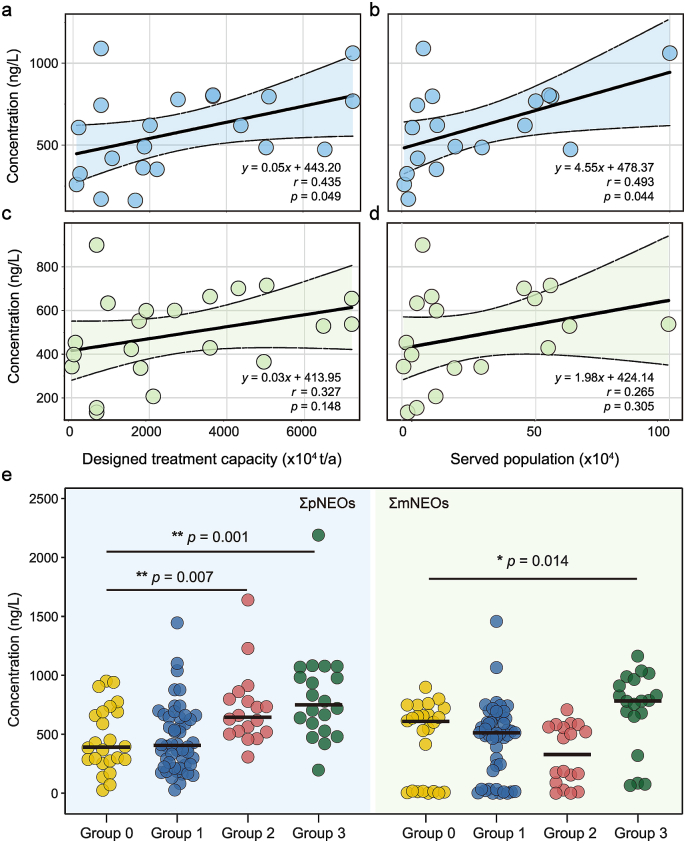 Figure 5
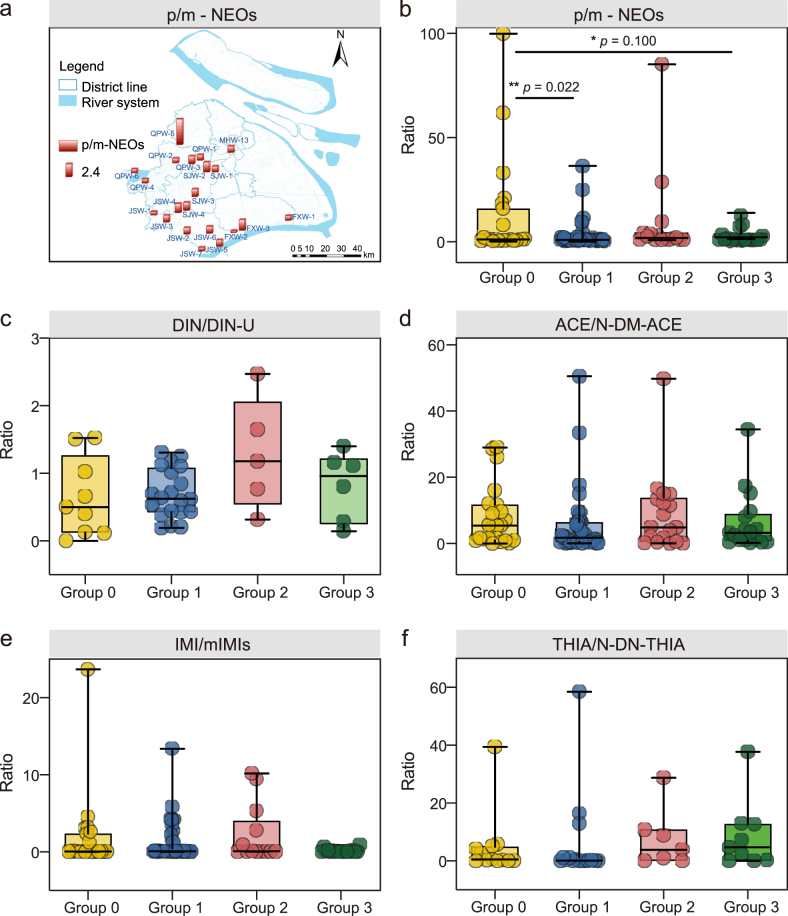 Figure 6
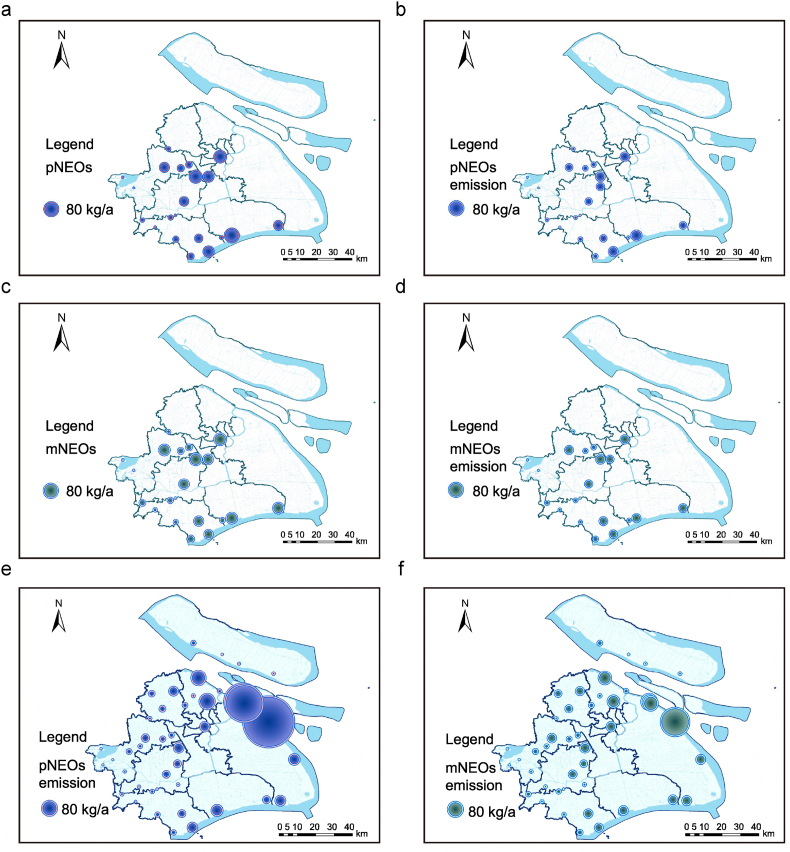 Figure 7
Peer Reviews
No public reviews on file for this paper yet. If you reviewed it on a platform where reviews are public (OpenReview, ICLR, NeurIPS, ICML), you can paste yours below so the community can read it here.
Videos
No videos yet. Explain this paper in a talk, walkthrough, or lecture? Add one.
Taxonomy
TopicsInsect and Pesticide Research · Pesticide Residue Analysis and Safety · Pesticide and Herbicide Environmental Studies