No G6PD A- (G202A) variant detected among Plasmodium falciparum-positive patients in Awka, Southeast Nigeria: a hospital-based study
Moses Ikegbunam, Nwokike Uchechukwu, Harrison Abone, Ani Ezinne Grace, Mercy Ezeunala, Nnanna Joy, Nzeukwu Chibumma Immaculata, Joy Ogugua Igwe, Obiageli Okeke, Frances Nworji, Peter Ihekwereme

TL;DR
This study found no evidence of a specific G6PD deficiency variant in malaria-positive patients in Awka, Nigeria, suggesting it may not influence malaria severity in this population.
Contribution
The study reports the absence of the G6PD A- (G202A) variant in a hospital-based cohort of malaria-positive individuals in Southeast Nigeria.
Findings
The B variant of G6PD was predominant in 83% of participants.
No participants had the G6PD A- (G202A) variant associated with deficiency.
Neither A+ nor B genotypes significantly affected haemoglobin or parasite levels.
Abstract
Glucose-6-phosphate dehydrogenase (G6PD) deficiency, prevalent in malaria-endemic regions, has been associated with a reduced risk of severe malaria due to impaired parasite growth in deficient erythrocytes. The G6PD gene, located on the X chromosome, harbours various mutations associated with differing enzyme activity levels. This study investigates the prevalence of G6PD deficiency variants and their impact on parasite density and haemoglobin levels among malaria-positive patients in Awka, Anambra State, Nigeria. Blood samples were collected from 100 malaria positive participants; 64 participants with complete genotyping and clinical data were included in the analysis and screened for the A376G and G202A variants using PCR and Sanger sequencing. Molecular analysis indicated that the B variant (normal) was predominant, with 83% of the participants possessing this variant. None of the…
Genes, proteins, chemicals, diseases, species, mutations and cell lines named across the full text — each resolved to its canonical identifier and authoritative record.
Click any figure to enlarge with its caption.
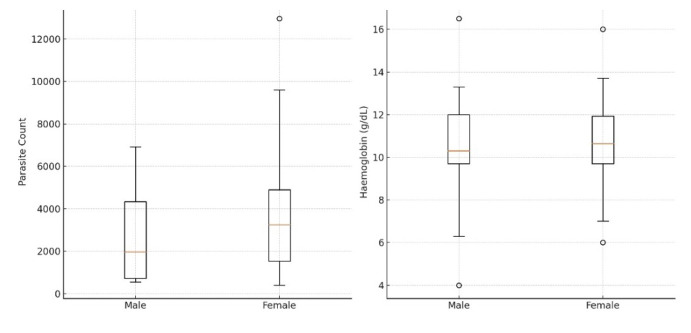 Figure 1
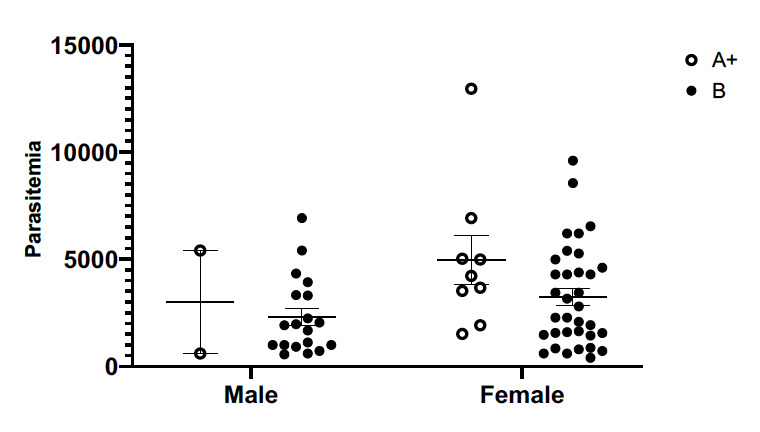 Figure 2
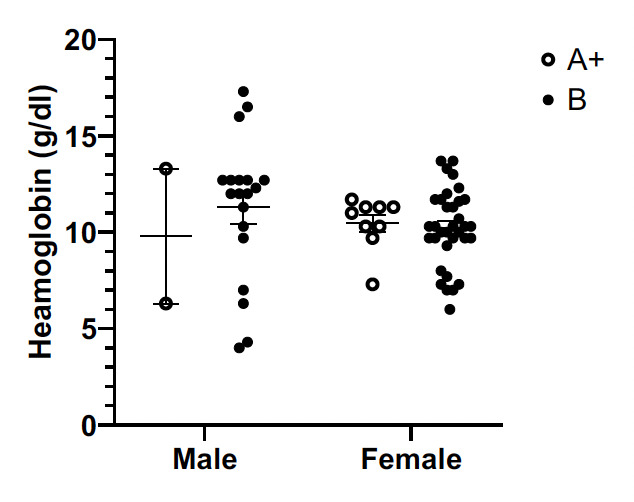 Figure 3
Peer Reviews
No public reviews on file for this paper yet. If you reviewed it on a platform where reviews are public (OpenReview, ICLR, NeurIPS, ICML), you can paste yours below so the community can read it here.
Videos
No videos yet. Explain this paper in a talk, walkthrough, or lecture? Add one.
Taxonomy
TopicsNeonatal Health and Biochemistry · Methemoglobinemia and Tumor Lysis Syndrome · Blood disorders and treatments