4-Aminopyridine induced hyperpolarizing oscillations in pediatric human epileptic tissue are network-driven potassium currents that are abolished by activation of KCNQ2–5 (Kv7.2-Kv7.5) channels
J. Keenan Kushner, Paige B. Hoffman, Christine R. Brzezinski, Brent R. O’Neill, Todd C. Hankinson, Charles C. Wilkinson, Michael H. Handler, Charles A. Hoeffer, Allyson L. Alexander

TL;DR
This study shows that potassium fluctuations in epileptic brain tissue cause hyperpolarizing oscillations, which can be stopped by activating specific potassium channels.
Contribution
The study identifies network-driven potassium currents as a novel mechanism for hyperpolarizing oscillations in epileptic tissue.
Findings
4-aminopyridine induces hyperpolarizing oscillations in human epileptic neocortex.
Hyperpolarizing oscillations are dependent on network activity and abolished by KCNQ2–5 channel activation.
Calcium plays a role in KCNQ channel activation and potassium fluctuation stabilization.
Abstract
Epilepsy is one of the most common neurological disorders worldwide. Despite the availability of many anti-seizure medicines (ASMs), about 30 % of patients with epilepsy develop drug-resistant epilepsy. Unfortunately, the mechanisms of ictogenesis in patients with drug-resistant epilepsy remain to be elucidated. Here, we used 4-aminopyridine (4-AP) to study interictal-like oscillations in human epileptic neocortex. 4-AP is a voltage-gated potassium channel blocker commonly used to induce seizure-like activity in ex vivo brain slices. We observed that 4-AP induced neuronal bursting and robust slow, hyperpolarizing oscillations (HypOs) in layer 2/3 (L2/3) pyramidal neurons (PNs). Using paired recordings, we demonstrate that neuronal bursting and HypOs are synchronized between neighboring L2/3 PNs. We also determined that 4-AP-induced HypOs are potassium currents that were not mediated by…
Genes, proteins, chemicals, diseases, species, mutations and cell lines named across the full text — each resolved to its canonical identifier and authoritative record.
Click any figure to enlarge with its caption.
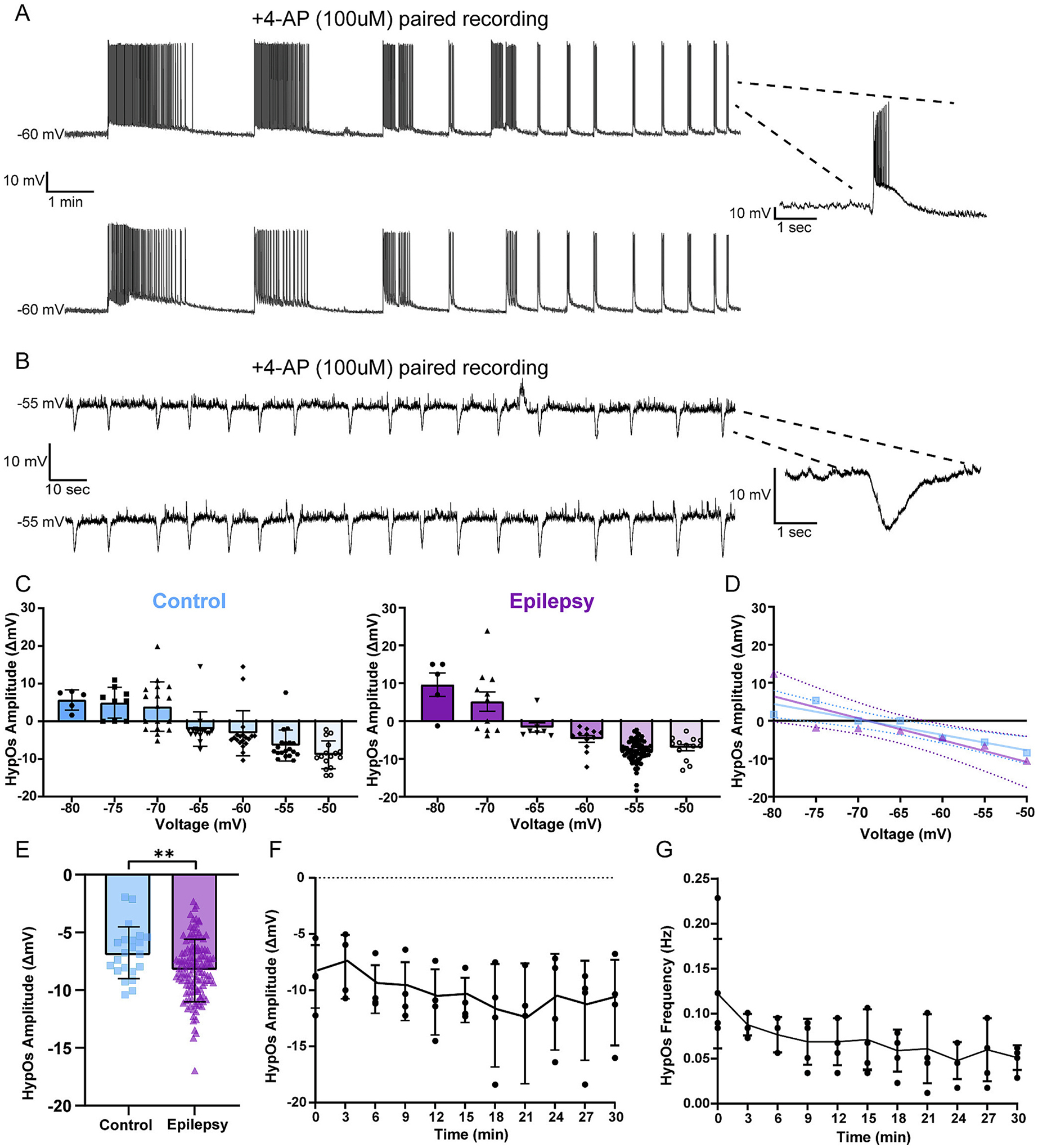 Figure 1
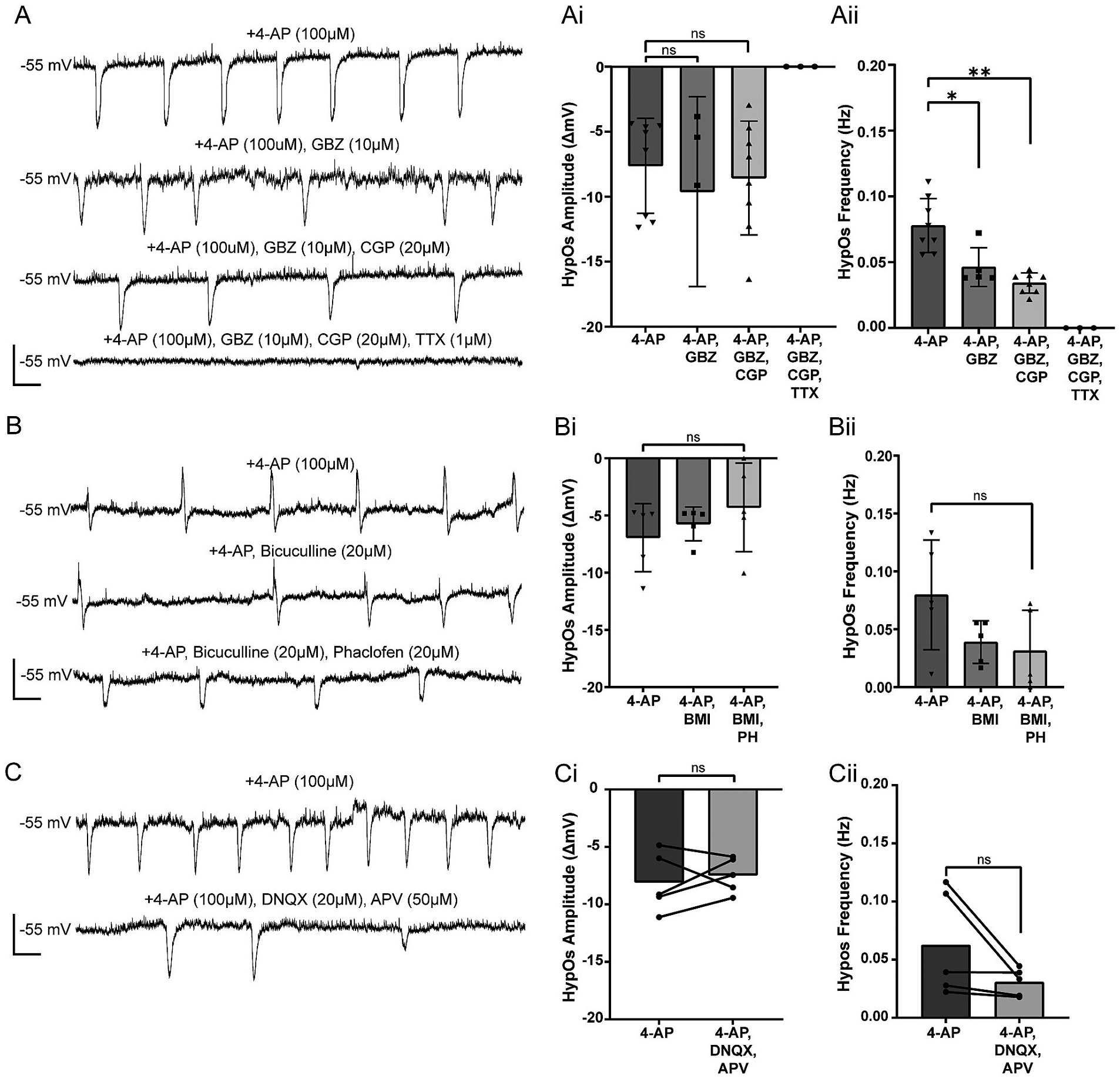 Figure 2
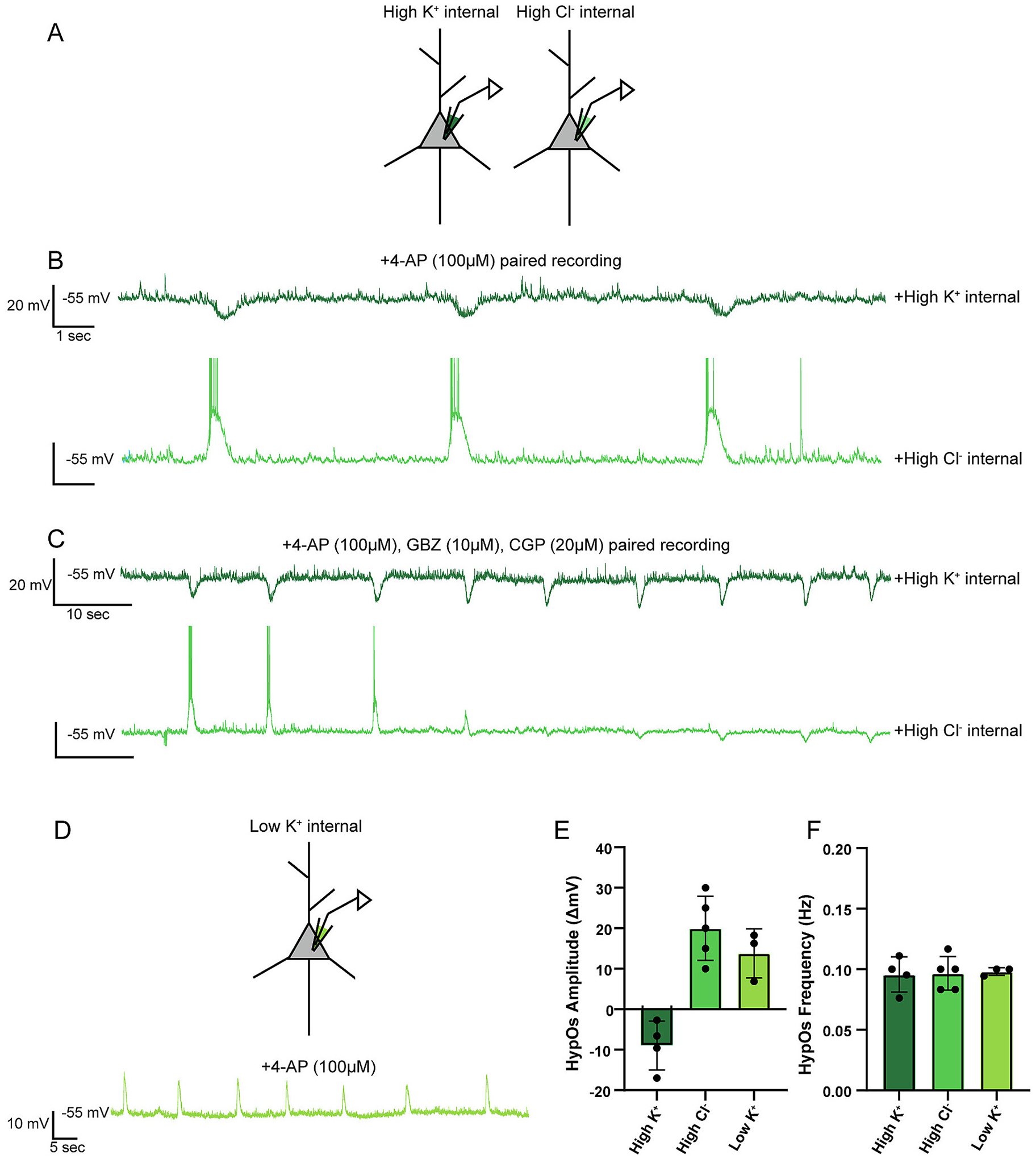 Figure 3
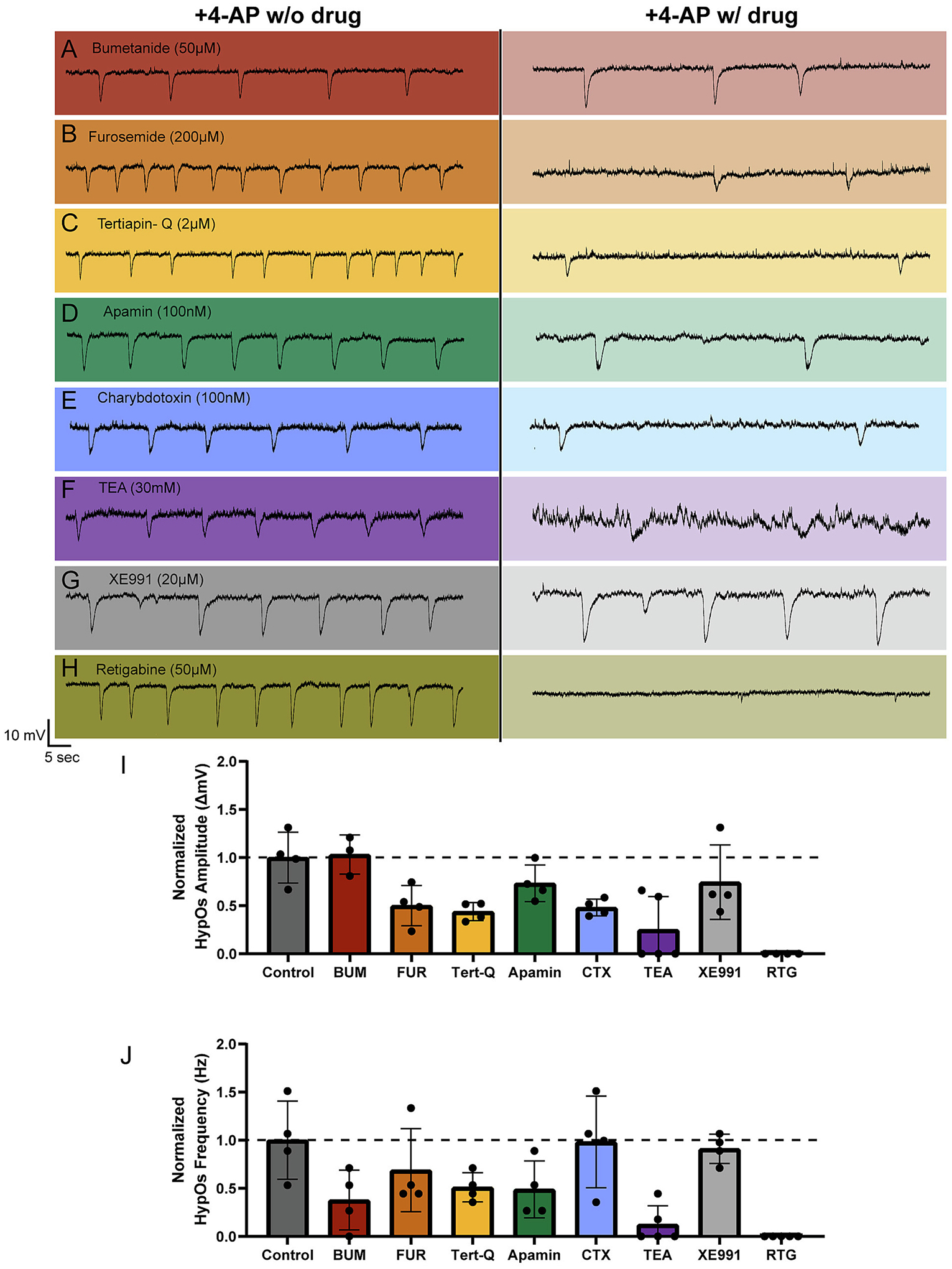 Figure 4
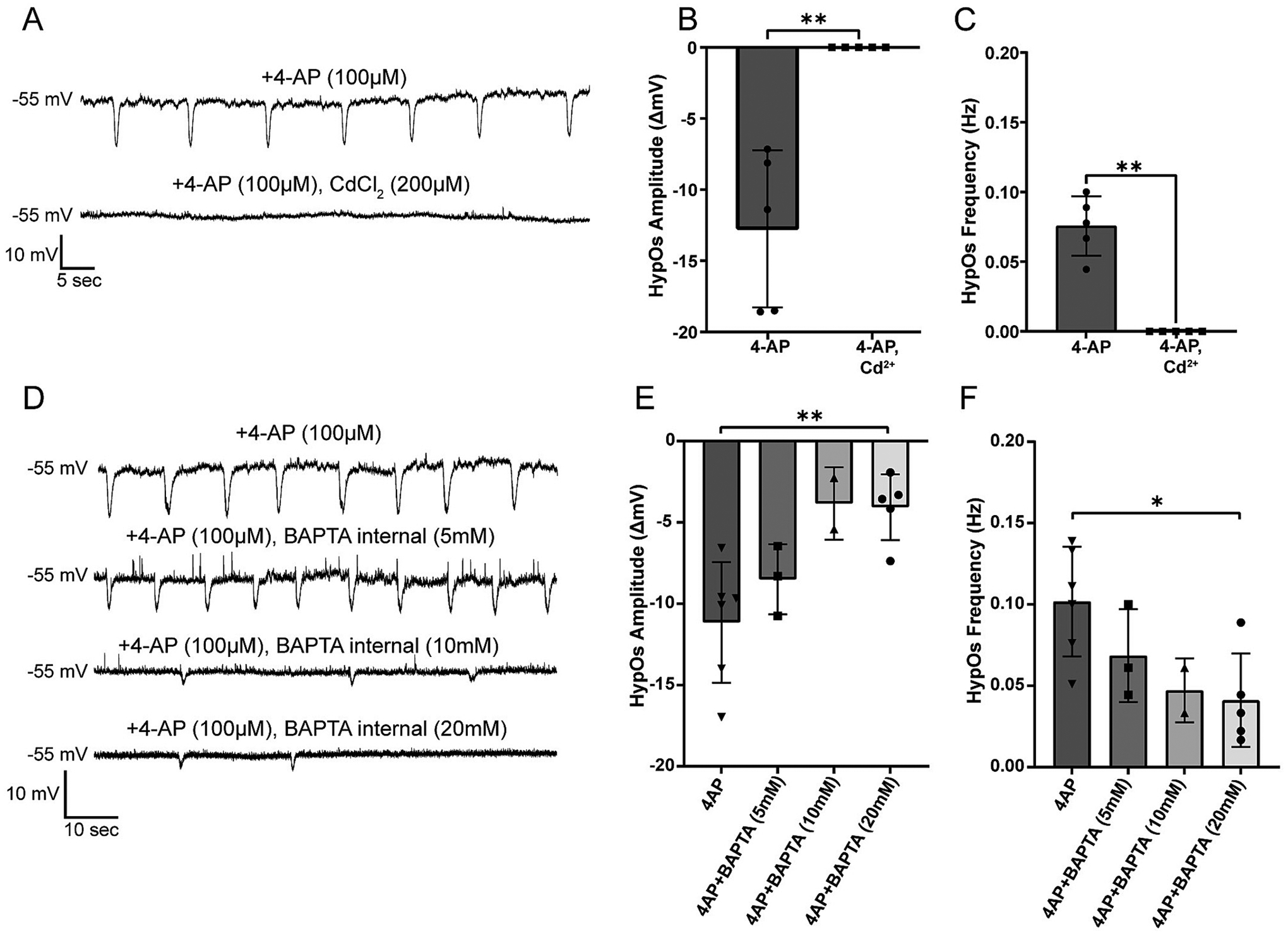 Figure 5
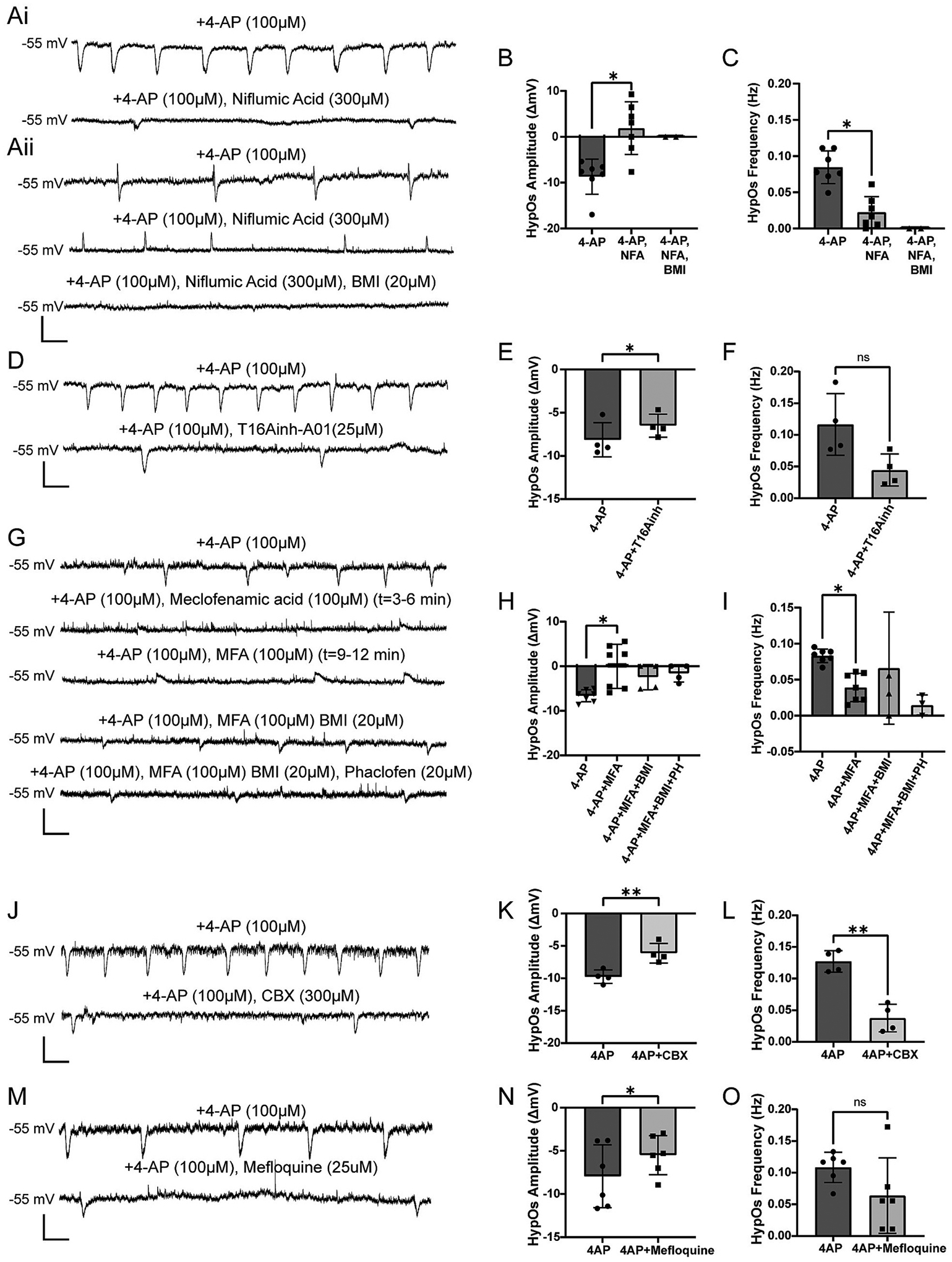 Figure 6
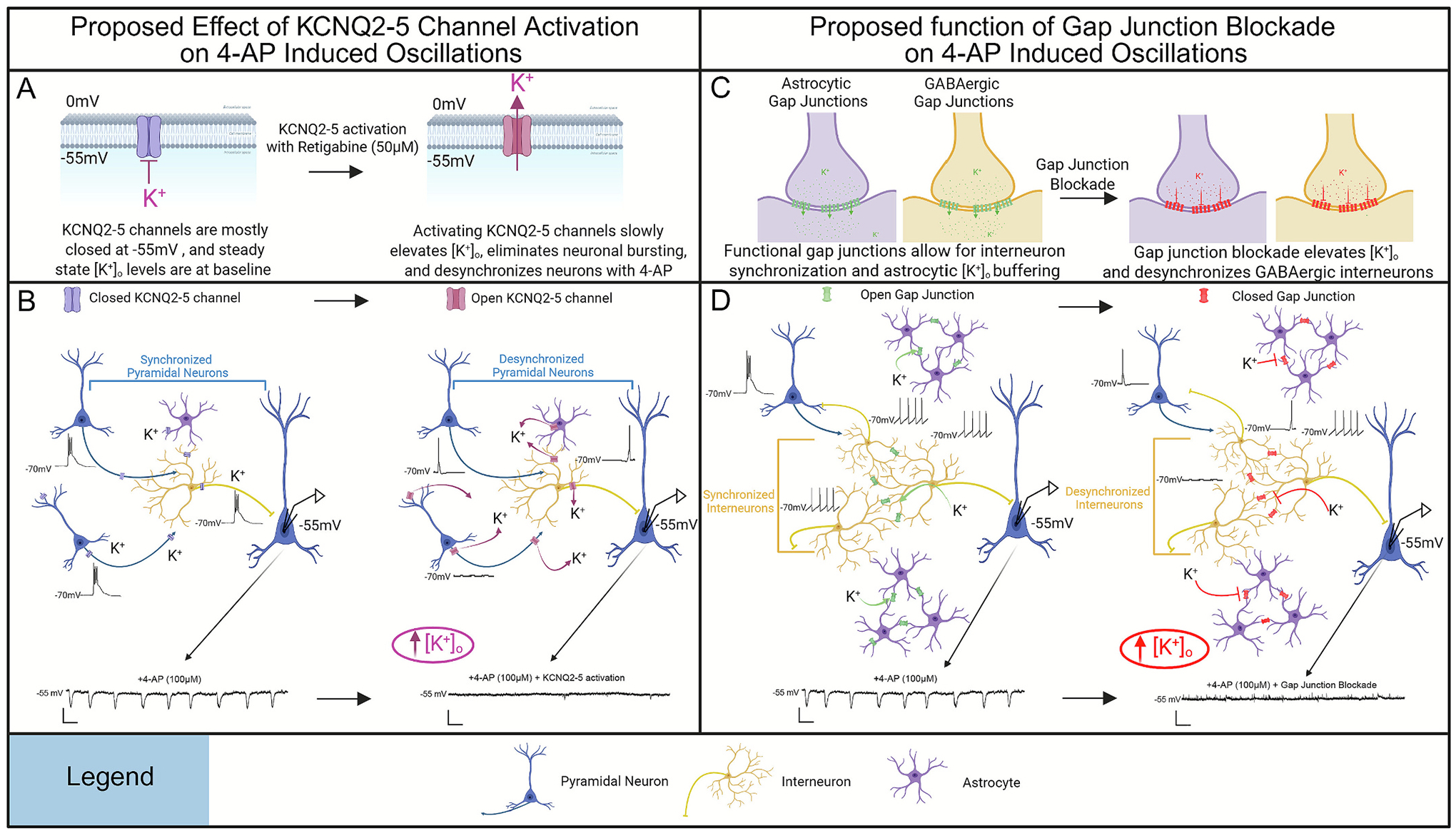 Figure 7
Peer Reviews
No public reviews on file for this paper yet. If you reviewed it on a platform where reviews are public (OpenReview, ICLR, NeurIPS, ICML), you can paste yours below so the community can read it here.
Videos
No videos yet. Explain this paper in a talk, walkthrough, or lecture? Add one.
Taxonomy
TopicsIon channel regulation and function · Neuroscience and Neuropharmacology Research · Neurological disorders and treatments