Jellyfish mucus-derived organic matter as a source of labile nutrients for the ambient microbial community
Nathan Hubot, Sarah L.C. Giering, Neža Orel, Katja Klun, Gerhard J. Herndl, Felix Hohaus, Cathy H. Lucas, Tinkara Tinta

TL;DR
Live jellyfish release mucus that provides nutrients for microbes, influencing marine ecosystems during jellyfish blooms.
Contribution
This study reveals the role of live jellyfish mucus in fueling microbial activity and nutrient cycling in marine environments.
Findings
Jellyfish mucus releases significant amounts of dissolved organic and inorganic nutrients into seawater.
Microbial communities rapidly consume mucus-derived dissolved organic matter, showing nitrogen and phosphate limitations.
Metagenomics shows mucus-degrading microbes have traits similar to detritus-degrading communities.
Abstract
Jellyfish are increasingly recognized as a significant contributor to marine organic matter (OM) on a global scale, with implications for ecosystem dynamics. While the role of jellyfish detritus in microbial nutrient cycling has been explored, the contribution of OM released by live jellyfish—primarily as mucus (hereinafter referred to as mucus-associated OM, or MAOM)—remains understudied. This study investigates the release of organic and inorganic nutrients through MAOM from live jellyfish and their effects on ambient microbial communities in the northern Adriatic Sea using a series of leaching and short-term microcosm experiments. Our results show that per gram of MAOM dry weight from the jellyfish Aurelia spp, approximatively 2 µmol of phosphate, 4 µmol of dissolved inorganic nitrogen, 18 µmol dissolved organic nitrogen, 134 µmol of dissolved organic carbon and 15 µmol of dissolved…
Genes, proteins, chemicals, diseases, species, mutations and cell lines named across the full text — each resolved to its canonical identifier and authoritative record.
Click any figure to enlarge with its caption.
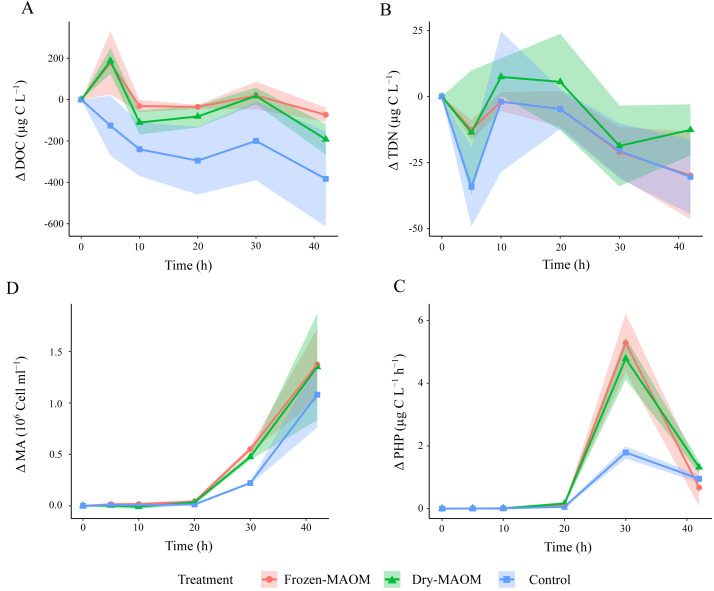 Figure 1
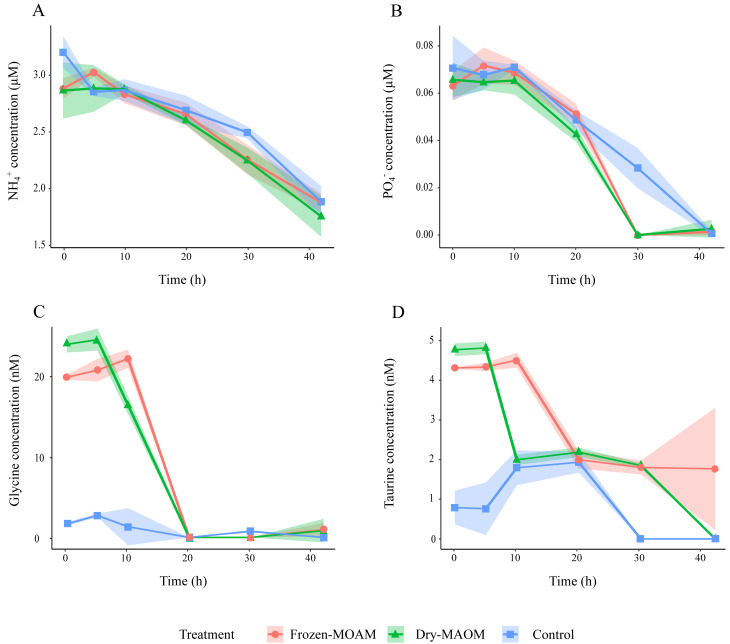 Figure 2
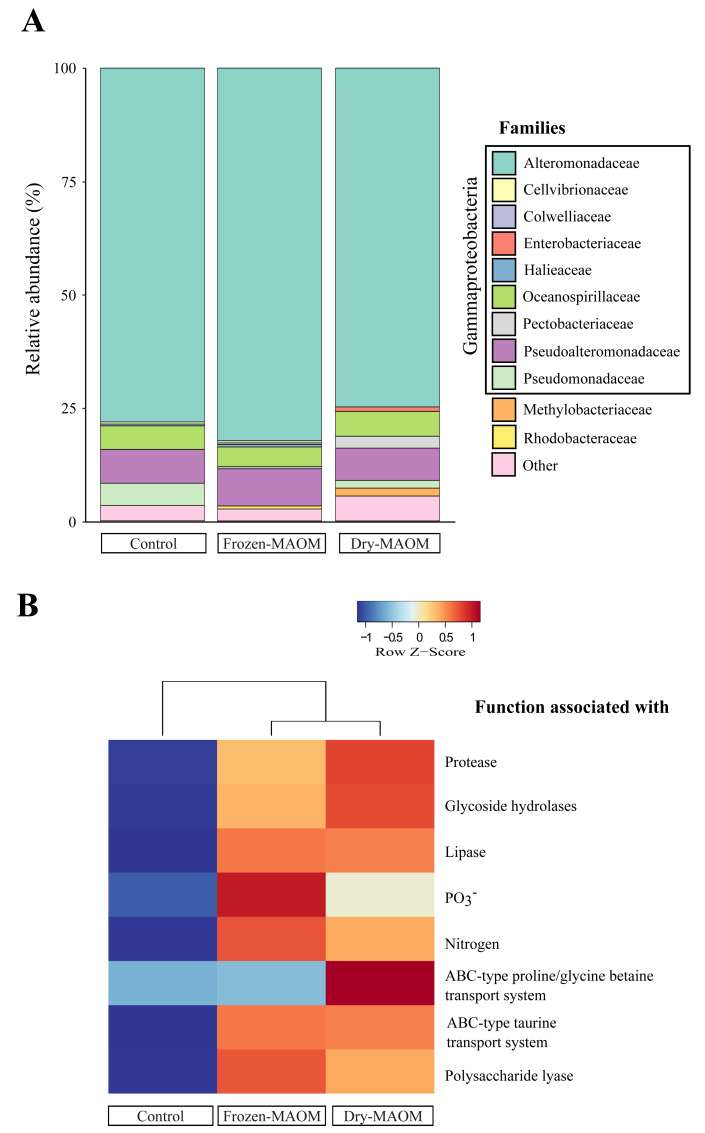 Figure 3
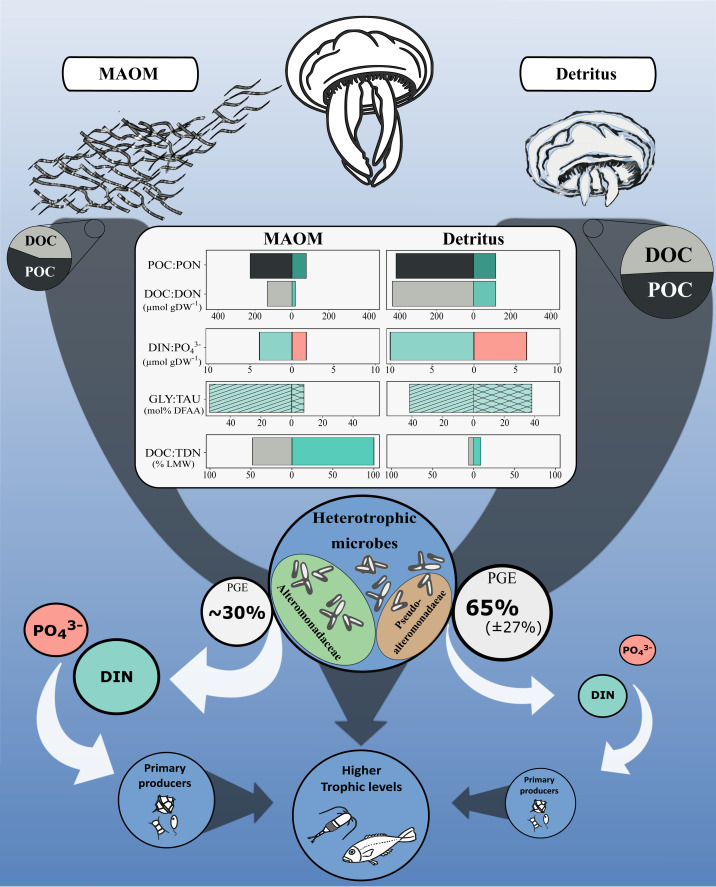 Figure 4
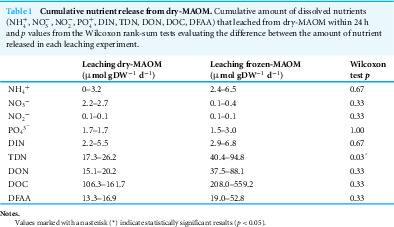 Figure 5
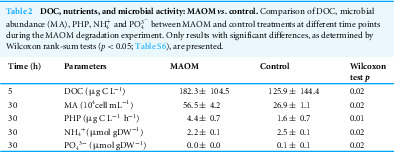 Figure 6
 Figure 7
 Figure 8
 Figure 9
 Figure 10
 Figure 11
 Figure 12
 Figure 13
 Figure 14
 Figure 15
 Figure 16
 Figure 17
 Figure 18
 Figure 19
 Figure 20
 Figure 21
 Figure 22
 Figure 23
 Figure 24
 Figure 25
 Figure 26
 Figure 27
 Figure 28
 Figure 29
 Figure 30
 Figure 31
 Figure 32
 Figure 33
 Figure 34
Peer Reviews
No public reviews on file for this paper yet. If you reviewed it on a platform where reviews are public (OpenReview, ICLR, NeurIPS, ICML), you can paste yours below so the community can read it here.
Videos
No videos yet. Explain this paper in a talk, walkthrough, or lecture? Add one.
Taxonomy
TopicsMarine Invertebrate Physiology and Ecology · Marine Toxins and Detection Methods · Aquatic Ecosystems and Phytoplankton Dynamics