Epigenetic activation of SLC7A11 defines a ferroptosis—immune axis and enables robust DNA methylation-based diagnosis of lung squamous cell carcinoma
Hui-Ping Lu, Kesong Nong, Lingling Pang, Yulu Tang, Qi Li, Zhendong Chen, Li Xiao, Liangqin Zhu, Dongming Li, Yiyang Chen, Guoqiang Chen, Jingwen Ling, Jiandi Li, Gang Chen, Yi-Wu Dang

TL;DR
This study identifies SLC7A11 as a key epigenetically activated gene in lung squamous cell carcinoma, enabling a highly accurate DNA methylation-based diagnostic model and linking it to immune evasion and treatment resistance.
Contribution
The study introduces a novel DNA methylation-based diagnostic model for LUSC using SLC7A11 and reveals its role in ferroptosis resistance and immune suppression.
Findings
SLC7A11 is epigenetically activated in LUSC with promoter hypomethylation and increased expression.
A four-probe methylation model achieved high diagnostic accuracy (AUC = 0.985 and 1.000 in TCGA and GSE121849 datasets).
High SLC7A11 levels correlate with immune evasion and resistance to certain therapies but sensitivity to rTRAIL and 17-allylamino-17-demethoxygeldanamycin.
Abstract
Lung squamous cell carcinoma (LUSC) currently lacks reliable biomarkers for early diagnosis and precision therapy. While Solute Carrier Family 7 Member 11 (SLC7A11) plays key roles in ferroptosis resistance, redox homeostasis and tumor progression, its epigenetic regulation, diagnostic potential, and immunological functions in LUSC remain poorly understood. Multi-omics data from The Cancer Genome Atlas (TCGA), Clinical Proteomic Tumor Analysis Consortium (CPTAC), Gene Expression Omnibus (GEO) and an in-house cohorts of 173 LUSC patients were integrated to characterize SLC7A11 DNA methylation, mRNA, and protein levels. Four methylation probes were utilized to construct diagnostic models, including Generalized Linear Model (GLM), Least Absolute Shrinkage and Selection Operator (LASSO), Random Forest (RF), and Extreme Gradient Boosting (XGB). These models were validated internally (via…
Genes, proteins, chemicals, diseases, species, mutations and cell lines named across the full text — each resolved to its canonical identifier and authoritative record.
Click any figure to enlarge with its caption.
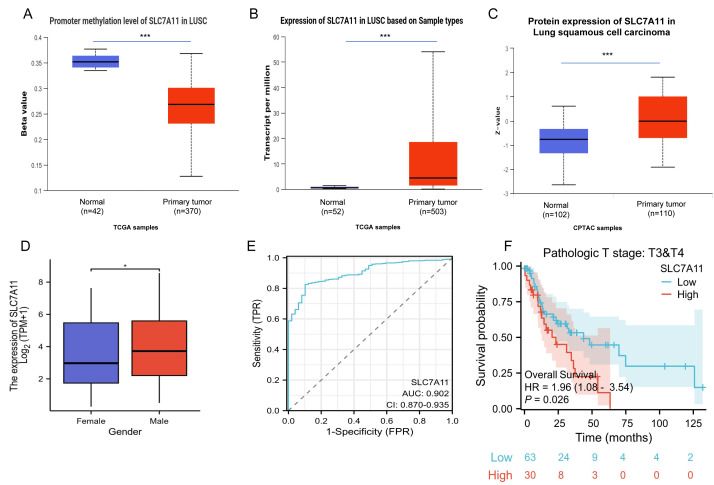 Figure 1
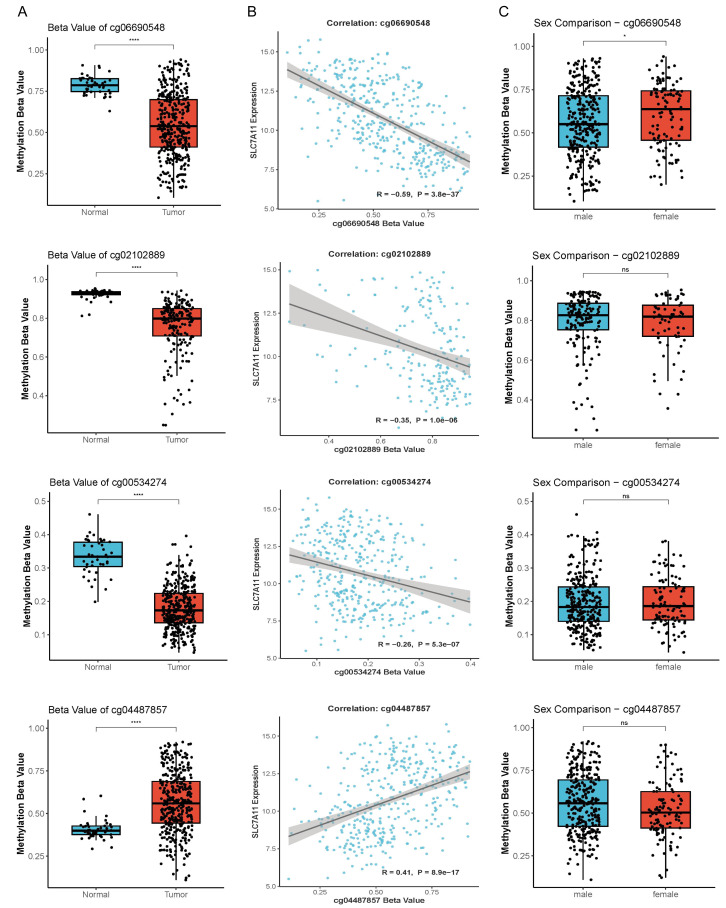 Figure 2
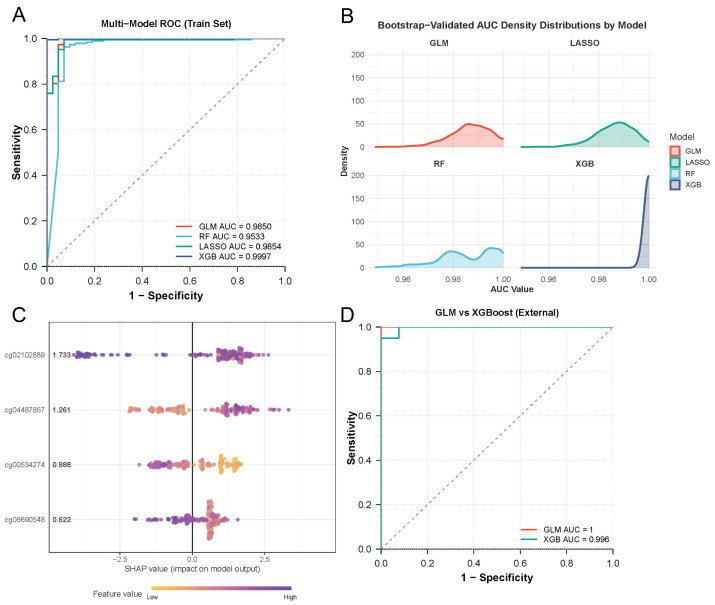 Figure 3
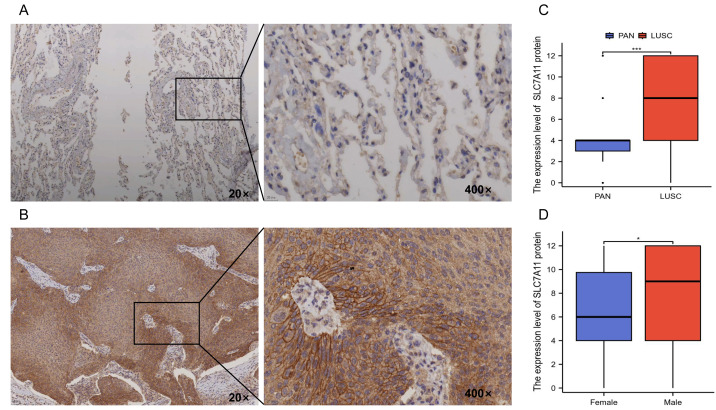 Figure 4
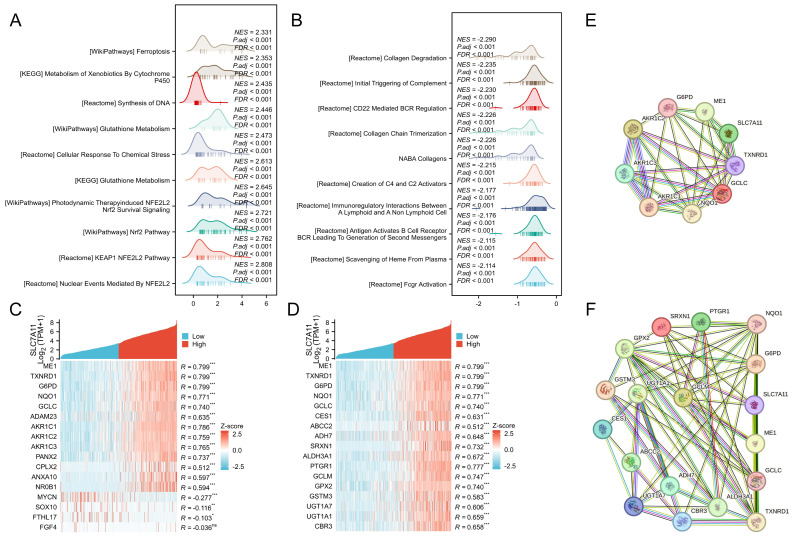 Figure 5
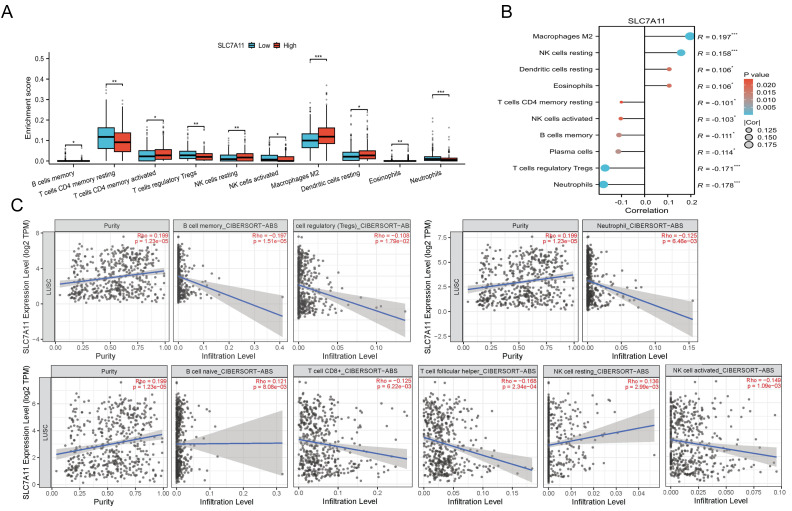 Figure 6
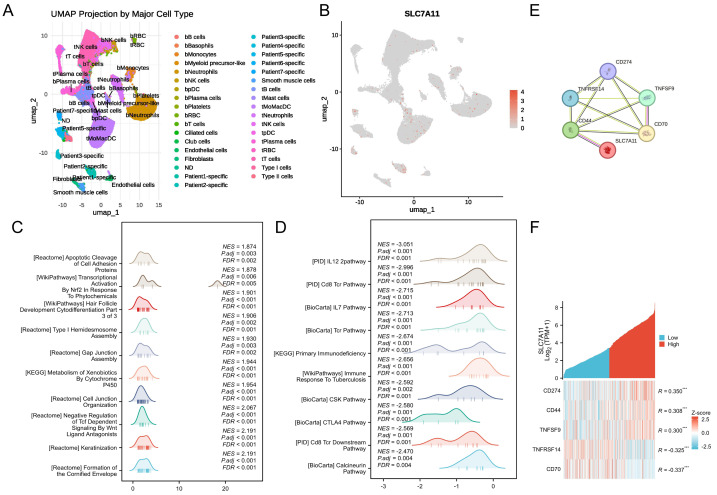 Figure 7
 Figure 8
 Figure 9
Peer Reviews
No public reviews on file for this paper yet. If you reviewed it on a platform where reviews are public (OpenReview, ICLR, NeurIPS, ICML), you can paste yours below so the community can read it here.
Videos
No videos yet. Explain this paper in a talk, walkthrough, or lecture? Add one.
Taxonomy
TopicsFerroptosis and cancer prognosis · Epigenetics and DNA Methylation · Immune cells in cancer