Genomic analysis of Ostreococcus tauri-infecting viruses reveals a hypervariable region associated with host–virus interactions
Julie Thomy, Julien Henri, David Demory, Frederic Sanchez, Marie-Line Escande, Gilles Mirambeau, Nigel Grimsley, Sheree Yau

TL;DR
This study explores the genetic diversity of viruses infecting green algae, revealing a hypervariable region linked to host interactions and viral evolution.
Contribution
The study identifies a hypervariable region in prasinoviruses associated with host–virus interactions and describes new viral morphologies.
Findings
Three new OtV clades were identified, including viruses from the Pacific Ocean and the North Sea.
A hypervariable region in OtV-type 2b is linked to host recognition and is under strong selective pressure.
OtV-type 1 viruses show genetic similarities to Micromonas-infecting viruses, suggesting a recent host switch.
Abstract
While the genus Prasinovirus, known to infect prasinophyte green algae (class Mamiellophyceae), is abundant in the oceans, the genetic mechanisms governing the ecology and (co)evolution of these viruses remain poorly understood. In this study, we sequenced the complete genomes of eighteen viruses infecting the cosmopolitan unicellular green alga Ostreococcus tauri (OtVs) and one specific to Micromonas commoda (McV-20 T). Of these viruses, 12 were previously isolated from the coastal Mediterranean Sea and seven were newly isolated from two different geographical locations (i.e. the South Pacific Ocean and the North Sea). Phylogenetic analysis classified these viruses as new members of the Prasinovirus genus and defined three distinct OtV clades: designated OtV-type 1, OtV-type 2a, and OtV-type 2b. The OtV-type 1 includes three new viruses isolated from the Pacific Ocean and the…
Genes, proteins, chemicals, diseases, species, mutations and cell lines named across the full text — each resolved to its canonical identifier and authoritative record.
Click any figure to enlarge with its caption.
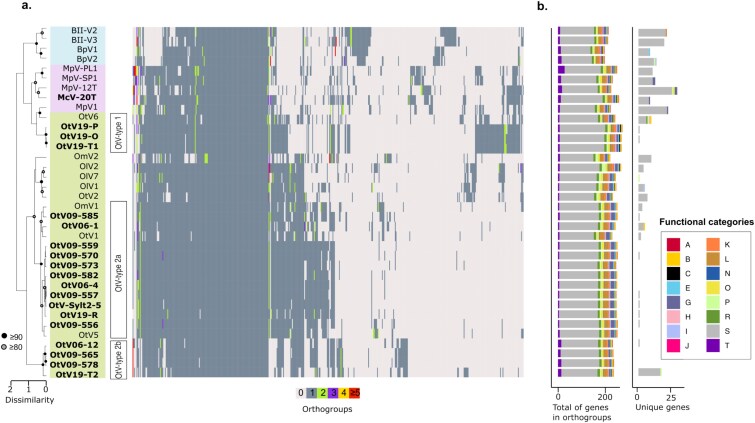 Figure 1
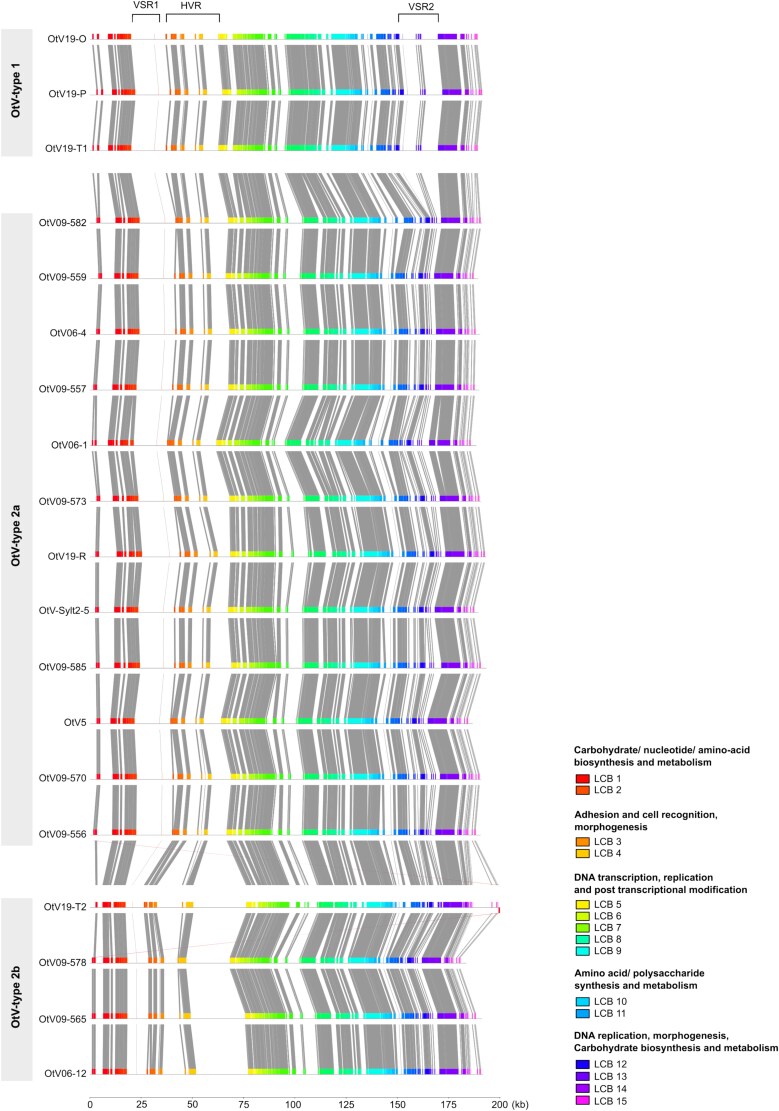 Figure 2
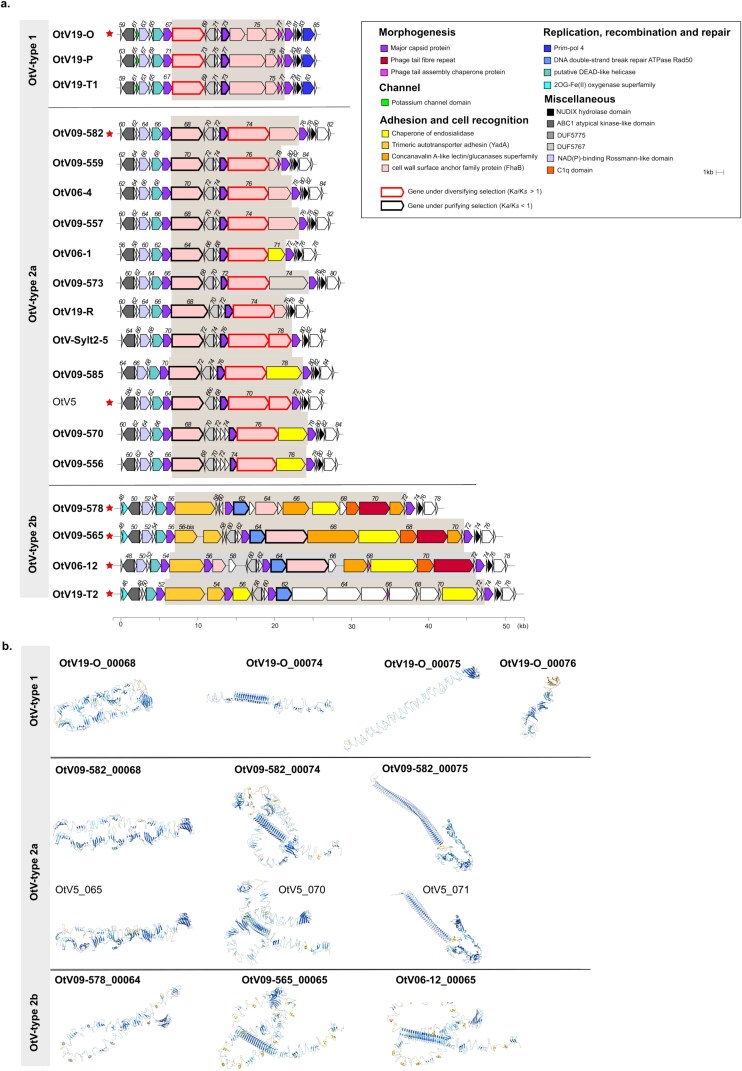 Figure 3
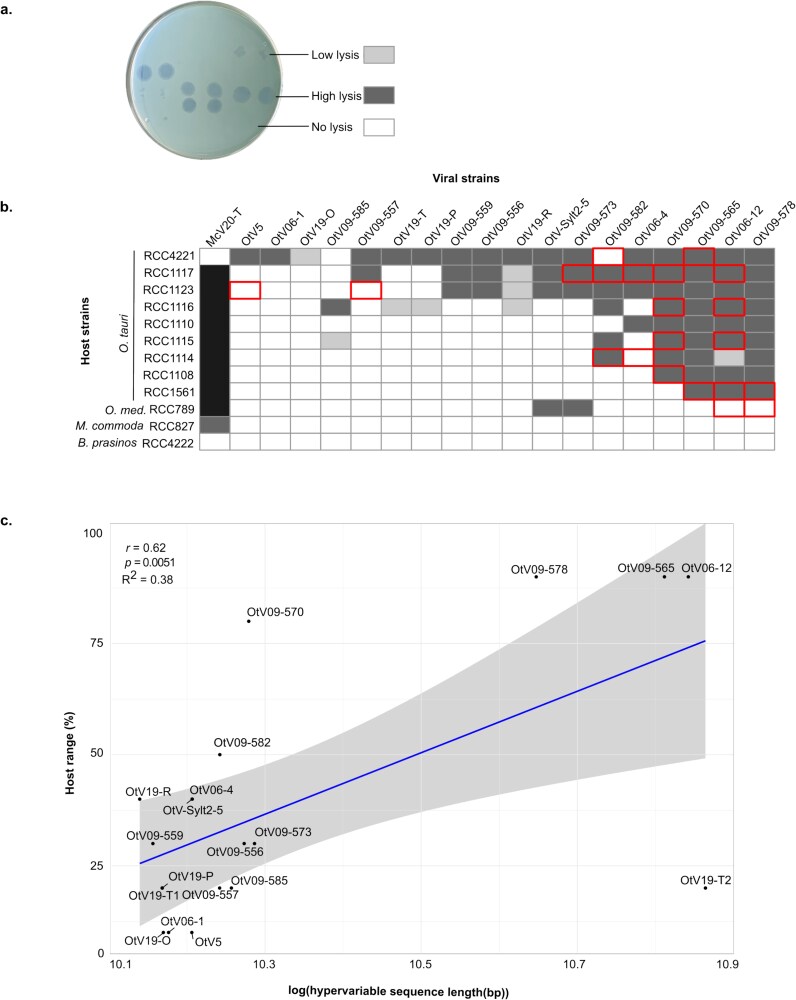 Figure 4
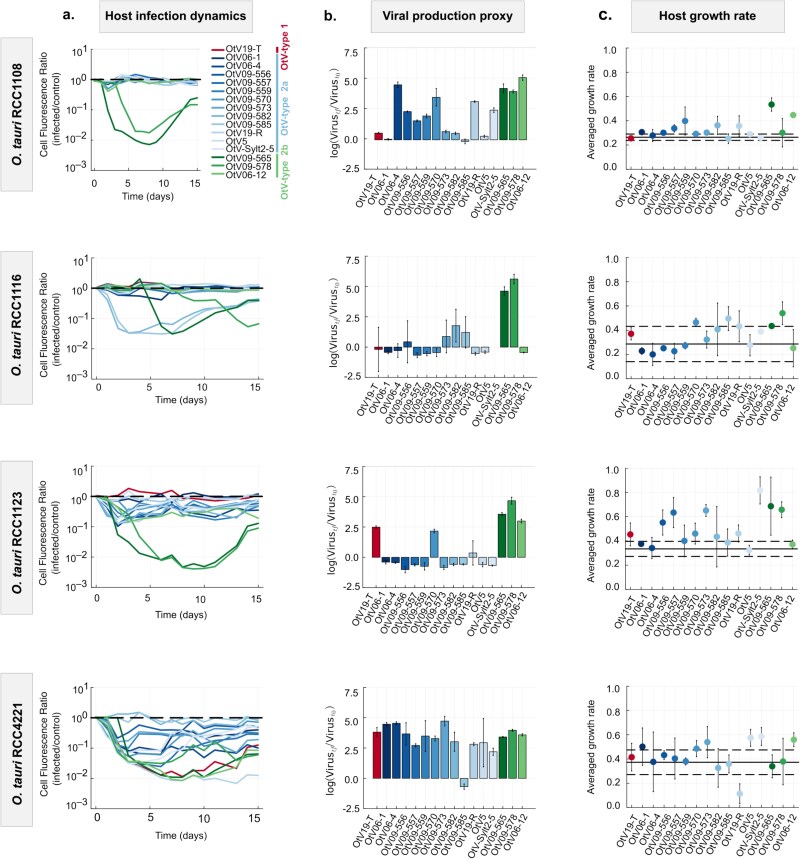 Figure 5
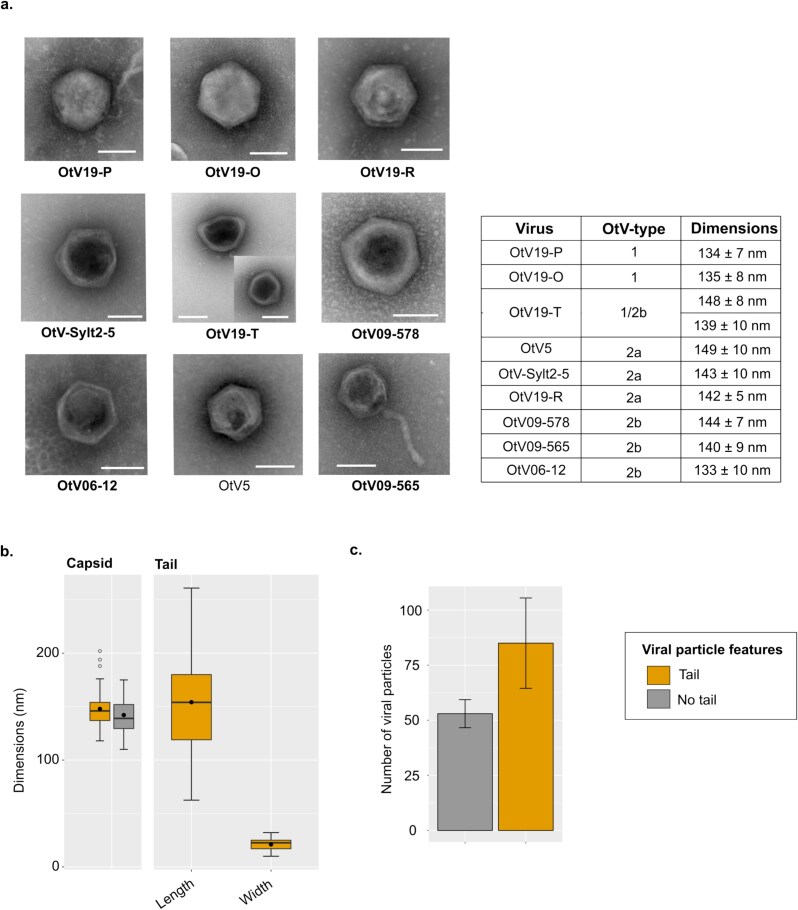 Figure 6
Peer Reviews
No public reviews on file for this paper yet. If you reviewed it on a platform where reviews are public (OpenReview, ICLR, NeurIPS, ICML), you can paste yours below so the community can read it here.
Videos
No videos yet. Explain this paper in a talk, walkthrough, or lecture? Add one.
Taxonomy
TopicsBacteriophages and microbial interactions · Genomics and Phylogenetic Studies · Aquaculture disease management and microbiota