Geographic Disparities in Evidence Investigating the Use of Biologics in Chronic Rhinosinusitis
Itai Margulis, Mohd Afiq Mohd Slim, Ethan C. Sommer, Tatiana Haidar, Zahra Abdallah, Yousif AlAmmar, Sarah Khalife, Doron D. Sommer

TL;DR
This paper highlights geographic and demographic gaps in research on biologics for chronic rhinosinusitis, showing most studies come from the US and Europe with limited representation from other regions.
Contribution
The study systematically quantifies geographic and demographic disparities in biologics research for chronic rhinosinusitis.
Findings
The majority of studies on biologics for CRS originate from the United States and Europe.
Only 11.2% of studies disclosed patients' race/ethnicity, with Asians and Caucasians most represented.
Belgium had the highest number of authors per capita, and 39.6% of studies had industry funding.
Abstract
Despite a surge in the volume of evidence assessing the safety and efficacy of biologics for the treatment of chronic rhinosinusitis (CRS), nuances relating to geographic variations in this literature remain insufficiently elucidated. To assess the diversity and representation of populations within the literature investigating the use of biological agents for CRS. Systematic review. Adults ≥18 years with CRS treated with biologic agents. Following PRISMA guidelines, 2 complementary analyses of all studies published between 2006 and 2023 (analysis A), and randomized controlled trials (RCT) and real-world (RW) studies published between 2006 and 2025 (analysis B) were performed. Patients’ number and country of origin, race/ethnicity, authors’ affiliated countries and Human Development Index (HDI). Types of biologics agents and metrics of the publications were collected. Out of 2768…
Genes, proteins, chemicals, diseases, species, mutations and cell lines named across the full text — each resolved to its canonical identifier and authoritative record.
Click any figure to enlarge with its caption.
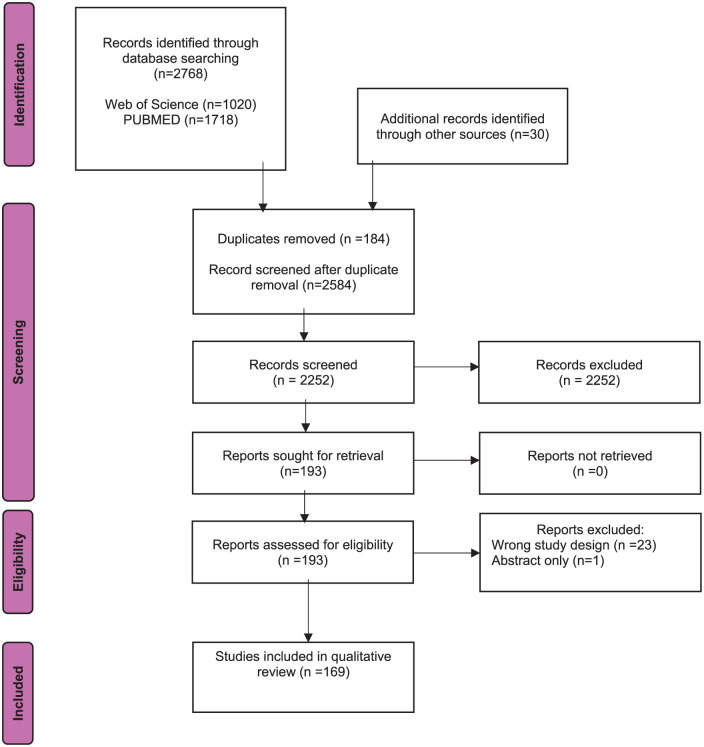 Figure 1
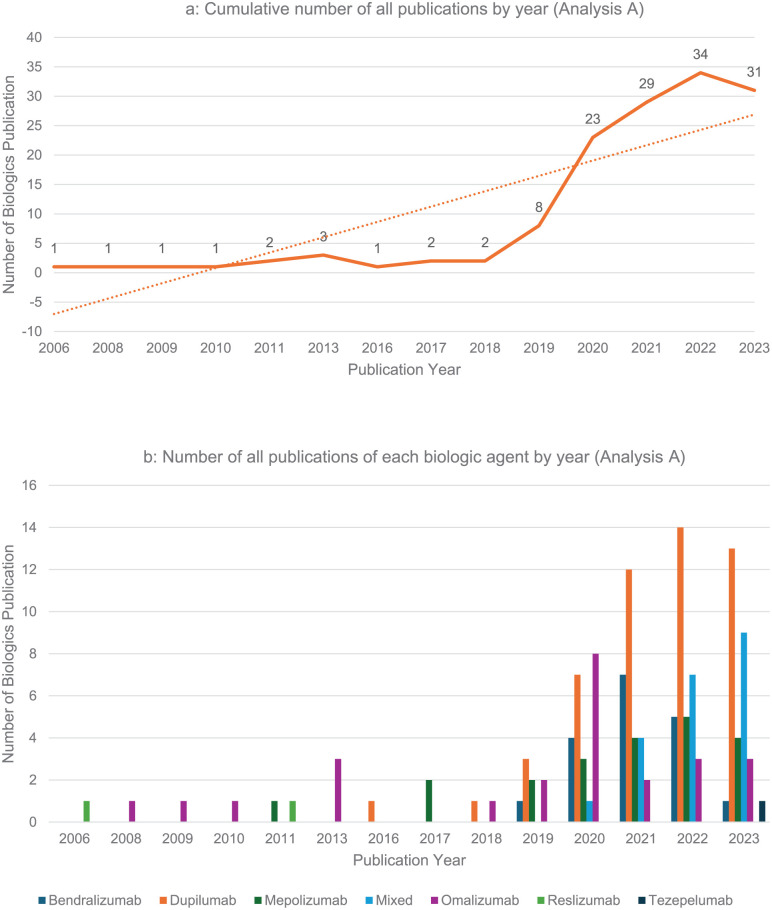 Figure 2
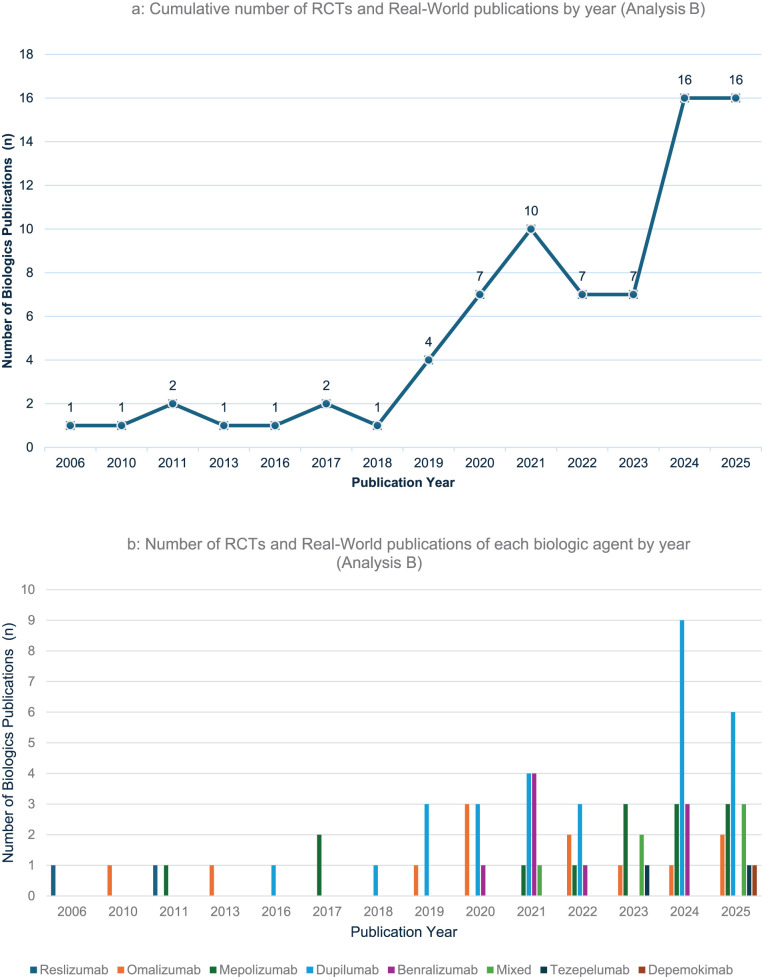 Figure 3
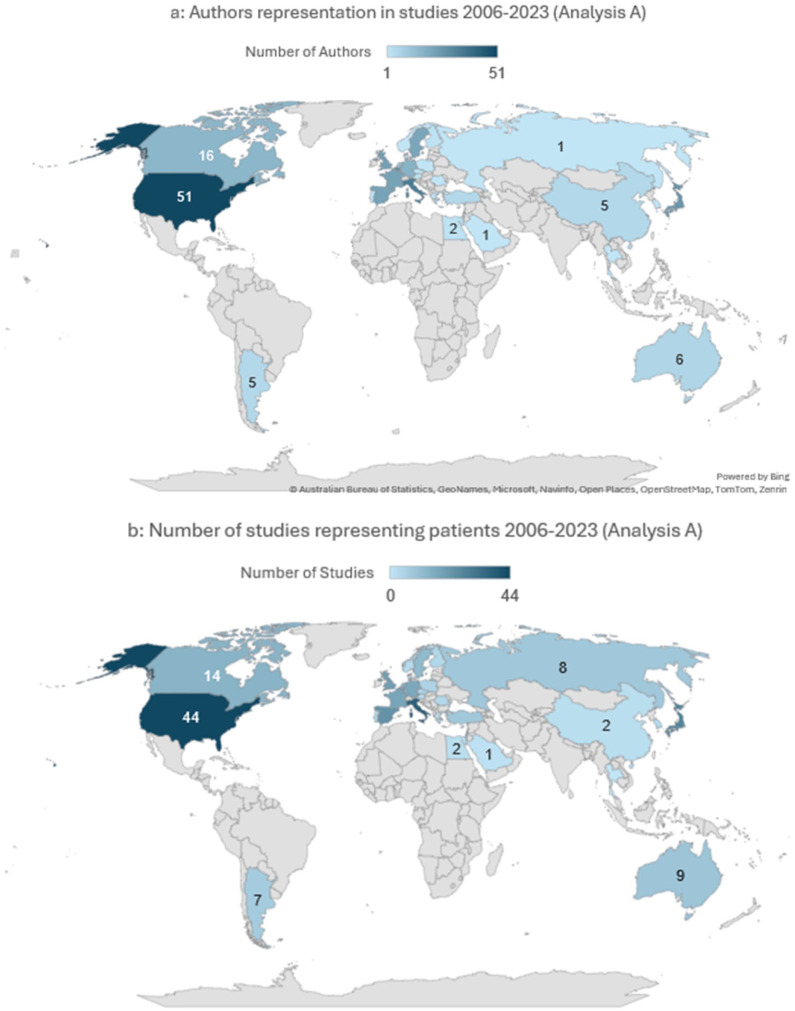 Figure 4
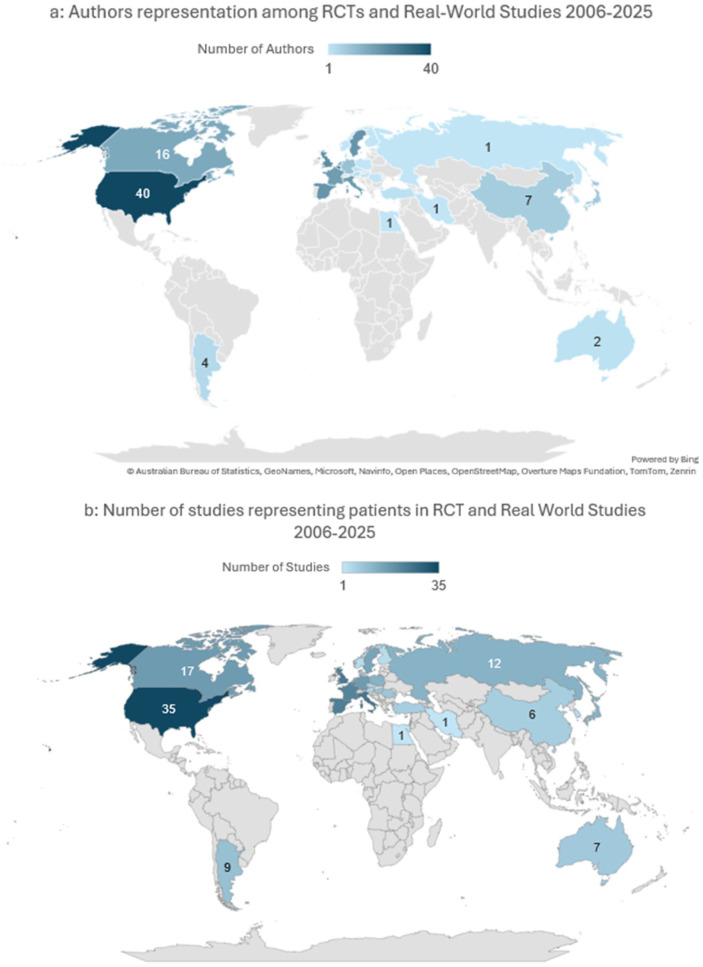 Figure 5
 Figure 6
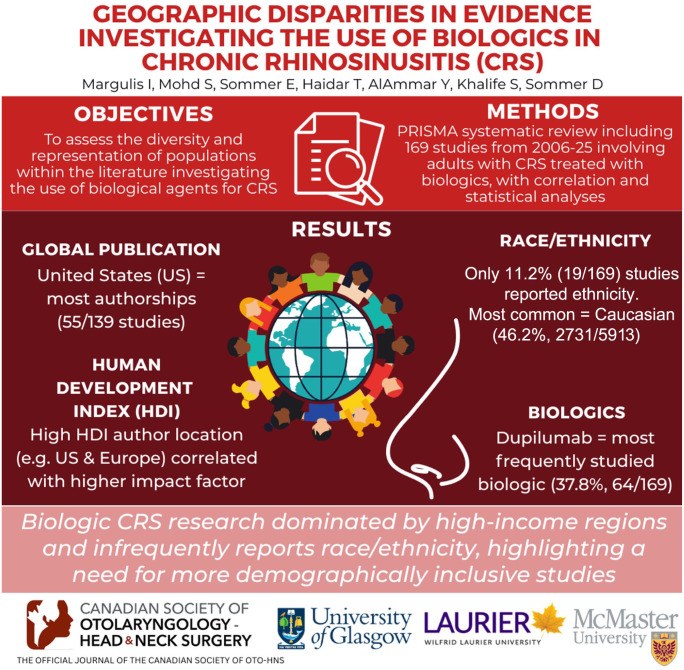 Figure 7
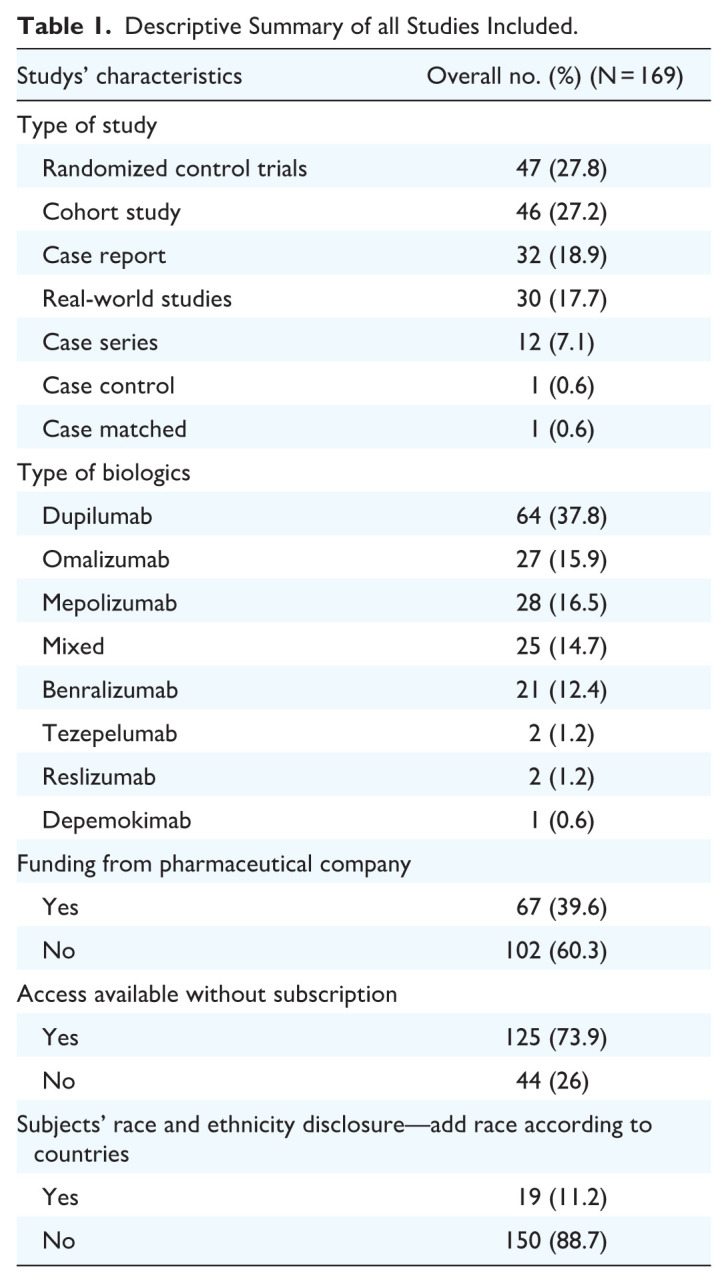 Figure 8
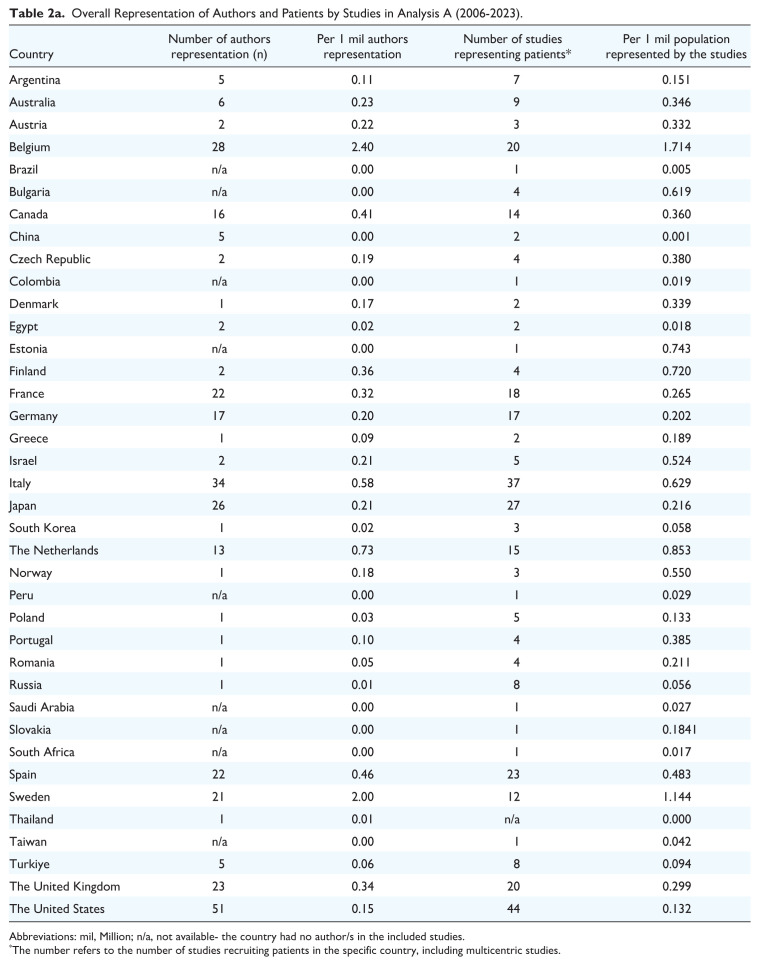 Figure 9
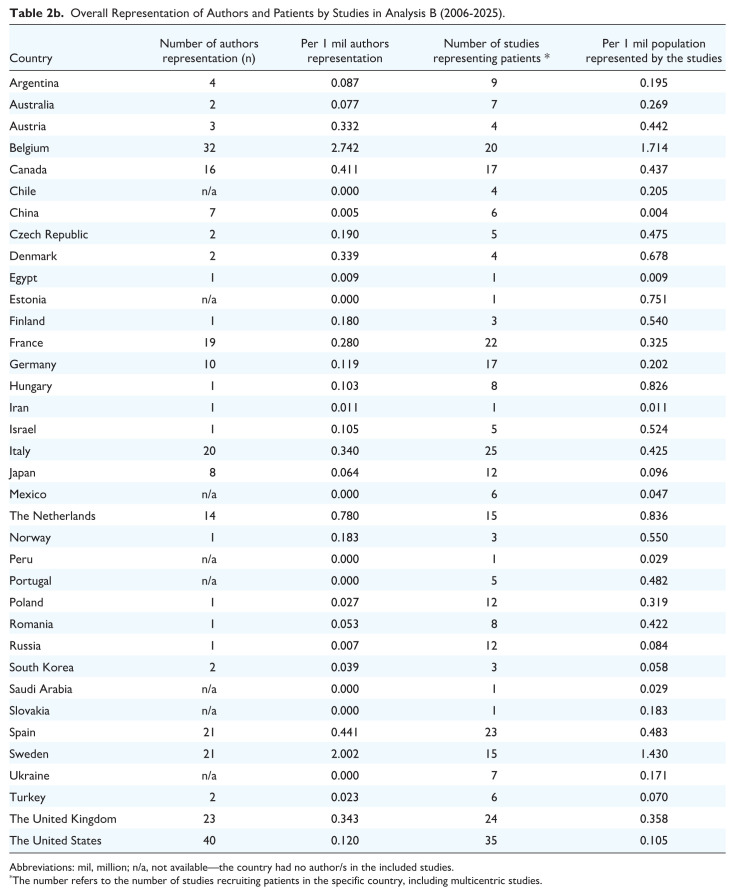 Figure 10
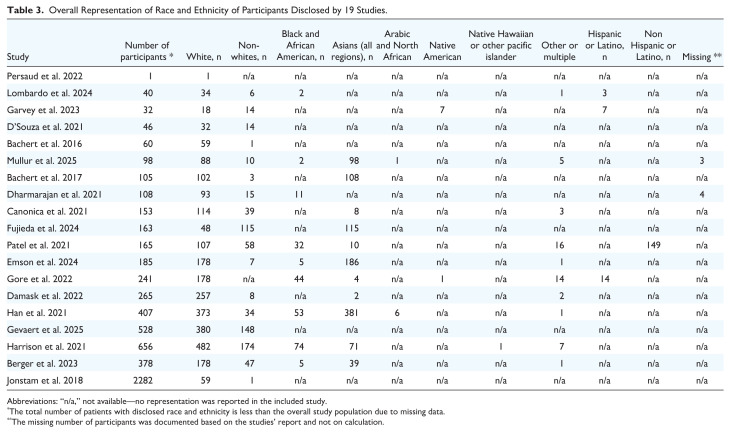 Figure 11
Peer Reviews
No public reviews on file for this paper yet. If you reviewed it on a platform where reviews are public (OpenReview, ICLR, NeurIPS, ICML), you can paste yours below so the community can read it here.
Videos
No videos yet. Explain this paper in a talk, walkthrough, or lecture? Add one.
Taxonomy
TopicsSinusitis and nasal conditions · Allergic Rhinitis and Sensitization · Cystic Fibrosis Research Advances